
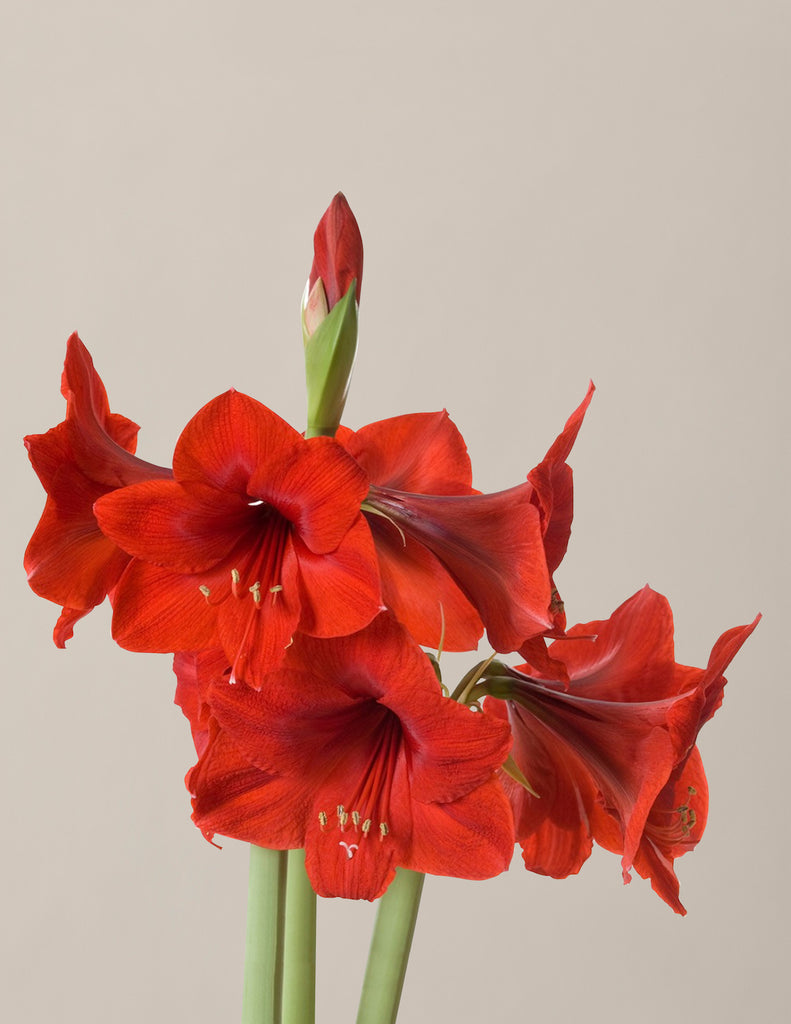
If you have a waxed amaryllis, you already know how stunning it looks. Its vibrant blooms can brighten any room and bring a touch of elegance to your space.
But how do you keep it looking fresh and beautiful for as long as possible? Taking care of a waxed amaryllis isn’t complicated, but it does require some simple steps you might not know. You’ll discover easy tips that will help your flower stay healthy and vibrant.
Keep reading to unlock the secrets to making your waxed amaryllis thrive and impress everyone who sees it.
Credit: gardenuity.com
Choosing The Right Waxed Amaryllis
Choosing the right waxed amaryllis is crucial for enjoying a long-lasting and vibrant bloom. The quality of the bulb and the variety you pick will directly impact your success with this beautiful plant. Paying attention to these details saves you time and ensures a rewarding experience.
Selecting Healthy Bulbs
Look for bulbs that feel firm and heavy in your hand. Avoid any that are soft, shriveled, or have dark spots, as these are signs of poor health or disease. A healthy bulb will have a smooth, unblemished surface and no signs of mold.
Check the size as well—larger bulbs usually produce stronger stems and bigger flowers. If you’re buying from a local nursery, ask about the bulb’s storage conditions. Poor storage can weaken the bulb before you even plant it.
Best Varieties For Waxing
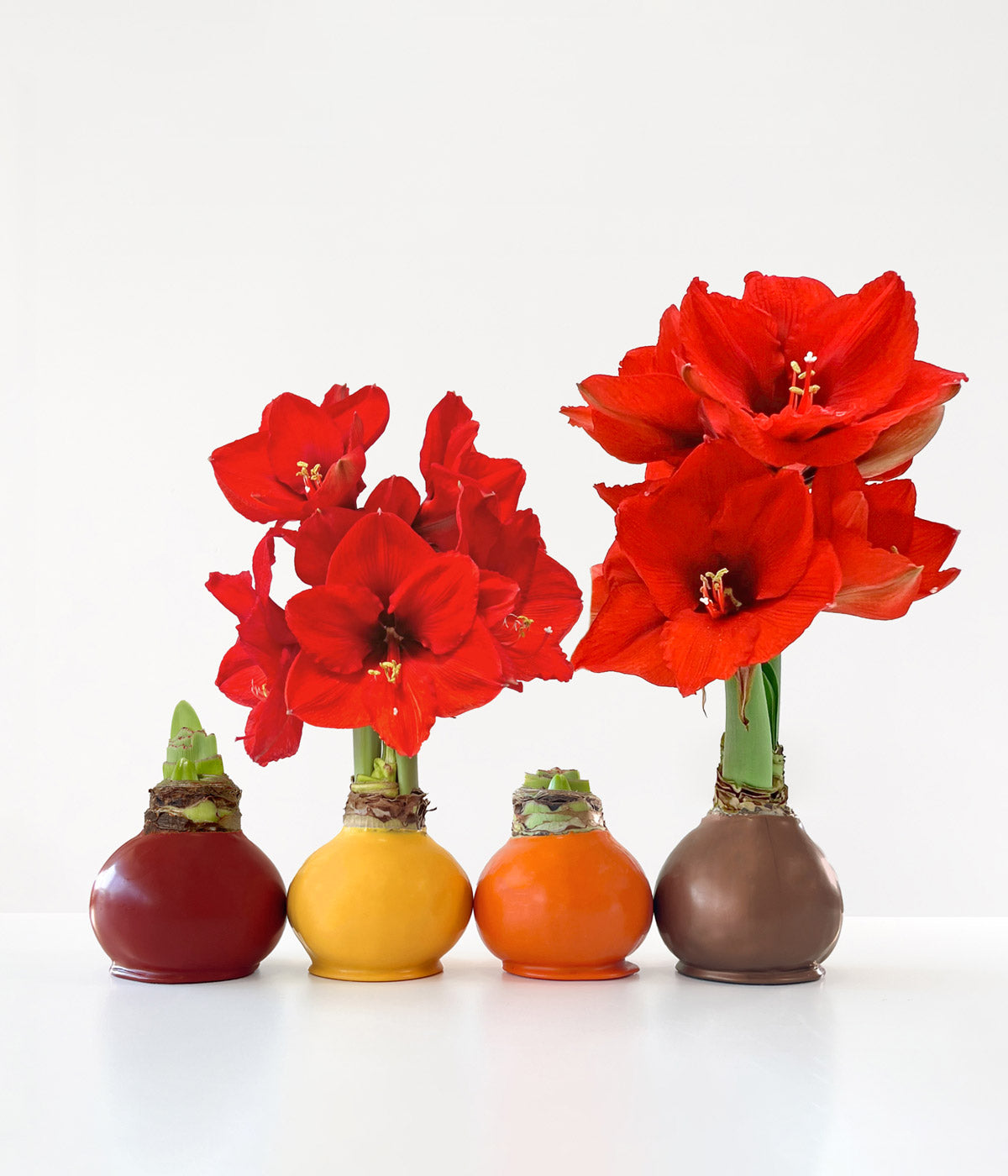
Some amaryllis varieties respond better to waxing than others. Varieties like ‘Red Lion’, ‘Apple Blossom’, and ‘Nymph’ are popular choices because their thick petals hold wax well without damage. These selections tend to bloom longer and maintain vibrant colors.
Have you noticed how some flowers last longer on your table? That’s partly due to the variety you choose. Pick varieties known for resilience, especially if you want your waxed amaryllis to be a centerpiece for weeks.
Credit: www.jacksonandperkins.com
Ideal Placement And Lighting
Finding the right spot for your waxed amaryllis is key to its health and beauty. Proper placement and lighting keep the plant vibrant and encourage blooming. This section covers the best light conditions for this unique flower.
Optimal Light Conditions
Waxed amaryllis thrives in bright, indirect light. It needs enough light to grow strong leaves and flowers. A location near a north or east-facing window works well. This provides gentle light without too much heat. Rotate the plant weekly. This helps all sides get light evenly.
Avoiding Direct Sunlight
Direct sunlight can harm waxed amaryllis leaves. Strong sun causes leaf burn and dries the plant quickly. Keep the plant away from south or west-facing windows with harsh afternoon sun. Use sheer curtains to filter light if needed. This protects the wax coating on the leaves and keeps them shiny.
Watering Techniques
Watering a waxed amaryllis requires careful attention. Too much water can cause root rot. Too little water slows growth and blooming. Knowing when and how much to water ensures a healthy plant. Follow these simple watering techniques to keep your amaryllis vibrant and strong.
When To Water
Check the soil before watering. The top inch should feel dry to touch. If the soil is moist, wait a few days. Watering at the right time prevents overwatering. Watch for signs like drooping leaves or dry soil. These show the plant needs water soon.
Watering Frequency And Amount
Water the waxed amaryllis moderately. Usually, watering once every 7 to 10 days works well. Use enough water to moisten the soil evenly. Avoid leaving water in the saucer under the pot. Excess water can damage the roots. Adjust watering based on the season and room temperature.
Temperature And Humidity Needs
Understanding the temperature and humidity needs of a waxed amaryllis is key. These elements play a vital role in its growth and blooming process. Proper care ensures the plant thrives and displays beautiful flowers. Let’s explore how to maintain the right conditions.
Maintaining Ideal Temperature
The waxed amaryllis prefers a consistent temperature range. Aim for 60-70°F for optimal growth. This range supports healthy blooming. Avoid drastic temperature changes. Keep the plant away from drafts and direct heat sources. This helps prevent stress on the plant.
Humidity Levels For Growth
Humidity plays a supporting role in amaryllis care. Moderate humidity levels are best. Avoid placing the plant in overly dry areas. You can use a humidifier if needed. This helps maintain the required moisture. Ensure good air circulation around the plant. It keeps the environment balanced and healthy.
Fertilizing Your Amaryllis
Fertilizing your waxed amaryllis supports healthy growth and vibrant blooms. Proper nutrients keep the plant strong during its growth cycle. Without fertilization, the plant may become weak or produce fewer flowers.
Choosing The Right Fertilizer
Use a balanced fertilizer with equal parts nitrogen, phosphorus, and potassium. A 10-10-10 or 20-20-20 formula works well. Avoid fertilizers high in nitrogen only, as they promote leaves over flowers. Slow-release fertilizers provide nutrients over time. Liquid fertilizers offer quick feeding when mixed with water. Organic options like compost or fish emulsion supply natural nutrients.
Feeding Schedule
Feed your amaryllis every 2 to 4 weeks during active growth. Stop fertilizing once the flowers start to fade. Reduce feeding in the dormant period to prevent overfeeding. Always water the plant before applying fertilizer to avoid root burn. Follow the package instructions for the correct amount. Consistent feeding helps maintain strong leaves and bright blooms.

Credit: www.aol.com
Managing Bloom And Dormancy
Managing the bloom and dormancy phases of your waxed amaryllis is key to enjoying its stunning flowers year after year. Understanding how to encourage flowering and properly handle dormant periods will keep your plant healthy and vibrant. Let’s dive into practical ways you can support these critical stages.
Encouraging Flowering
To help your waxed amaryllis bloom, give it plenty of bright, indirect sunlight. A sunny windowsill works perfectly. Without enough light, the plant struggles to produce those impressive flower stalks.
Keep the soil consistently moist but never soggy. Overwatering can cause bulb rot, so feel the soil before watering. Water sparingly once you see the flower buds forming to avoid damaging them.
Fertilize with a balanced, water-soluble fertilizer every 2-4 weeks during the growing season. This provides the nutrients your amaryllis needs to create big, bold blooms. Have you noticed how a well-fed plant seems to “know” when it’s time to flower?
Handling Dormant Periods
After flowering, your waxed amaryllis needs a rest. Stop watering gradually and allow the leaves to yellow and die back naturally. This signals the bulb to enter dormancy and store energy for the next bloom.
Store the bulb in a cool, dark place around 50-60°F (10-15°C) for 8-10 weeks. Avoid freezing temperatures but keep it away from heat sources. This rest period is essential for the bulb to recharge.
Once dormancy ends, bring the bulb back into a bright spot and resume watering. Watch for new growth as a sign that your amaryllis is ready to bloom again. Have you tried timing your plant’s dormancy to coincide with special occasions?
Common Problems And Solutions
Even with the best care, waxed amaryllis plants can face some challenges. Recognizing common problems early helps you act quickly and keep your plant thriving. Let’s look at typical issues and how to solve them effectively.
Dealing With Pests
Pests like spider mites, aphids, and mealybugs can sneak onto your waxed amaryllis. These tiny invaders suck sap, weakening the plant and causing leaves to yellow or curl.
Try wiping leaves gently with a damp cloth to remove pests. If the infestation grows, use insecticidal soap or neem oil spray, applying it in the morning to avoid leaf burn.
Have you noticed sticky residue or fine webbing on your plant? These are clear signs pests are present and action is needed. Regularly check your amaryllis to catch these signs early.
Preventing Rot And Diseases
Rot happens when the bulb or roots sit in water too long. This leads to soft, mushy areas that smell bad and can kill your plant fast.
Water your waxed amaryllis sparingly. Allow the top inch of soil to dry before watering again. Using pots with drainage holes prevents water buildup and promotes healthy roots.
Fungal diseases also threaten your plant. Yellow spots on leaves or a powdery coating means fungus may be present. Remove affected leaves and improve air circulation by spacing your plants apart.
Tips For Long-lasting Wax Coating
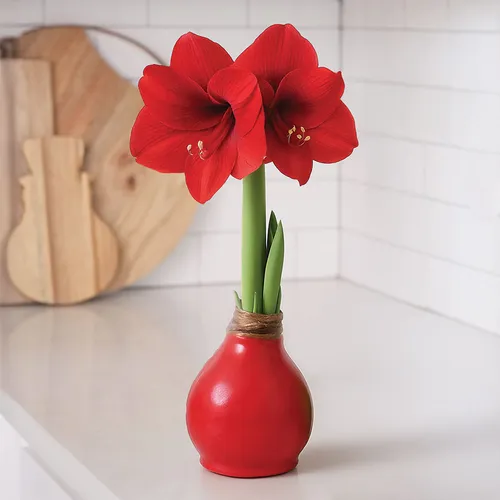
Keep waxed amaryllis away from direct sunlight and water to preserve the coating. Gently dust with a soft cloth to maintain shine and prevent damage. Avoid touching the wax surface often to extend its lifespan.
Tips for Long-lasting Wax Coating Waxed amaryllis bulbs are a stunning addition to any home. Their unique coating offers a charming, sleek appearance. To keep them looking their best, care is essential. Follow these tips to maintain the wax coating’s longevity and appeal.Maintaining Wax Appearance
Dust the wax surface regularly with a soft cloth. This prevents dirt buildup. Place the bulb in a location with indirect sunlight. Direct sunlight can cause discoloration. Keep the plant away from heat sources. Excessive heat can melt or damage the wax.Avoiding Damage To Coating
Handle the bulb with care. Rough handling can crack the wax. Keep the bulb away from sharp objects. Scratches can ruin the smooth finish. Ensure the bulb is on a stable surface. A fall could lead to significant damage. Keep pets and small children away from the bulb. They might accidentally knock it over.Frequently Asked Questions
How Often Should I Water A Waxed Amaryllis?
Water your waxed amaryllis sparingly. Keep the soil moist but not soggy. Typically, water once a week or when the top inch of soil feels dry to the touch.
What Lighting Conditions Suit Waxed Amaryllis Best?
Place your waxed amaryllis in bright, indirect sunlight. Avoid direct harsh sun to prevent leaf burn. A spot near a window with filtered light works well.
Can I Repot My Waxed Amaryllis?
Yes, repot your waxed amaryllis after blooming. Use well-draining soil and a pot slightly larger than the current one. Repotting encourages healthy root growth and future blooms.
How Do I Promote Blooming In Waxed Amaryllis?
To promote blooming, provide ample light and moderate watering. Fertilize monthly during growth with a balanced, water-soluble fertilizer. A cool rest period after blooming helps trigger new flowers.
Conclusion
Caring for a waxed amaryllis keeps it healthy and bright. Water it just enough to keep soil moist, not soggy. Place it where it gets soft, indirect light daily. Trim dead leaves to help new growth appear. Watch for pests and remove them quickly if seen.
With simple care, your amaryllis will bloom beautifully. Enjoy its lovely flowers for many weeks. Small steps make a big difference in plant health. Try these tips to keep your amaryllis happy and strong.