
If you’ve ever struggled with a crying baby in the car seat, you know how stressful it can be. You want your little one to feel safe and comfortable, but sometimes it feels impossible to keep them calm while driving.
What if you could learn simple, effective ways to soothe your baby quickly and easily? You’ll discover proven tips that can turn those tense car rides into peaceful moments. Keep reading, and you’ll find out how to make every trip smoother for both you and your baby.
Reasons Babies Cry In Car Seats
Understanding why your baby cries in the car seat can help you find the right way to soothe them quickly. Babies can’t tell you what’s wrong, but their cries are clues. Recognizing the common reasons behind their discomfort will make your journeys smoother and less stressful.
Discomfort And Temperature
Babies are sensitive to how they feel in their car seat. If the straps are too tight or the seat padding is rough, it can cause irritation.
Temperature plays a big role too. A car seat that’s too hot or too cold can make your baby fussy. Have you checked if your baby’s clothing matches the car’s temperature? Sometimes, just adjusting a blanket or opening a window can make a huge difference.
Hunger And Thirst
Hunger and thirst are basic needs that babies can’t ignore. If your baby starts crying soon after getting in the seat, they might be hungry or thirsty.
Try feeding them before the trip or keeping a bottle handy. Sometimes, offering a pacifier can help if they’re not quite ready for food but need comfort.
Need For Sleep
Babies often cry when they’re tired but can’t settle down. The car seat might feel restrictive, making it hard for them to get comfortable enough to fall asleep.
Watch for signs like yawning or rubbing eyes before you start driving. Planning trips around nap times or using calming sounds can help your baby relax faster.
Motion Sensitivity
Some babies are sensitive to the movement of the car. The constant motion can make them uneasy or cause motion sickness.
Have you noticed if your baby cries more on bumpy roads or during sudden stops? Gentle rocking before the trip or taking breaks during long drives can reduce this sensitivity and help calm your baby.
Credit: www.safeintheseat.com
Preparing Your Baby Before The Ride
Preparing your baby before a car ride helps keep them calm and happy. A well-prepared baby feels secure and comfortable. This reduces fussiness and crying during the trip.
Simple steps can make a big difference. Paying attention to feeding, clothing, and nap times creates a peaceful ride. These small efforts help your baby enjoy the journey.
Feeding Schedule
Feed your baby before placing them in the car seat. A full tummy prevents hunger-related fussiness. Keep small snacks handy for older babies. Avoid feeding during sudden stops or turns. This reduces choking risks and keeps your baby calm.
Dressing For Comfort
Dress your baby in soft, breathable clothes. Avoid tight or bulky outfits that limit movement. Layer clothes to adjust for temperature changes. Use hats or blankets for extra warmth if needed. Comfortable clothing helps your baby relax during the ride.
Nap Timing
Plan rides around your baby’s nap schedule. A well-rested baby is less likely to be fussy. If your baby naps in the car, start the trip during nap time. Bring a favorite blanket or toy for comfort. This helps your baby sleep peacefully in the car seat.
Car Seat Setup For Comfort
Creating a cozy and secure environment in the car seat helps keep your baby calm. Comfort is key to reducing fussiness during car rides. Proper setup supports your baby’s posture and safety. Small changes can make a big difference in how your baby feels.
Proper Harness Adjustment
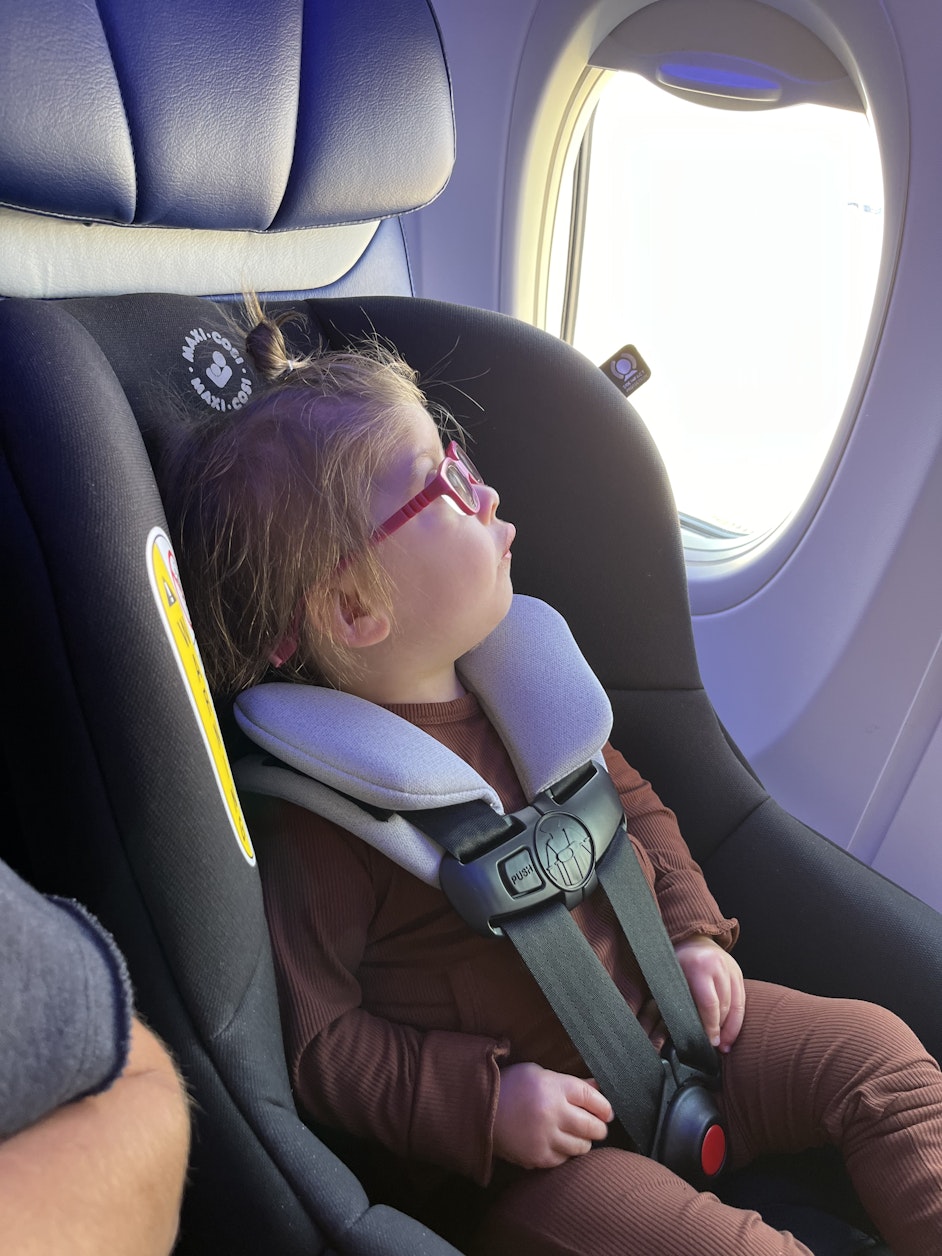
The harness should fit snugly but not too tight. Adjust the straps so they lie flat against your baby’s chest. The chest clip must be at armpit level. Loose harnesses allow too much movement, causing discomfort. Tight harnesses can restrict breathing and cause irritation. Check the fit every time before driving.
Adding Supportive Cushions
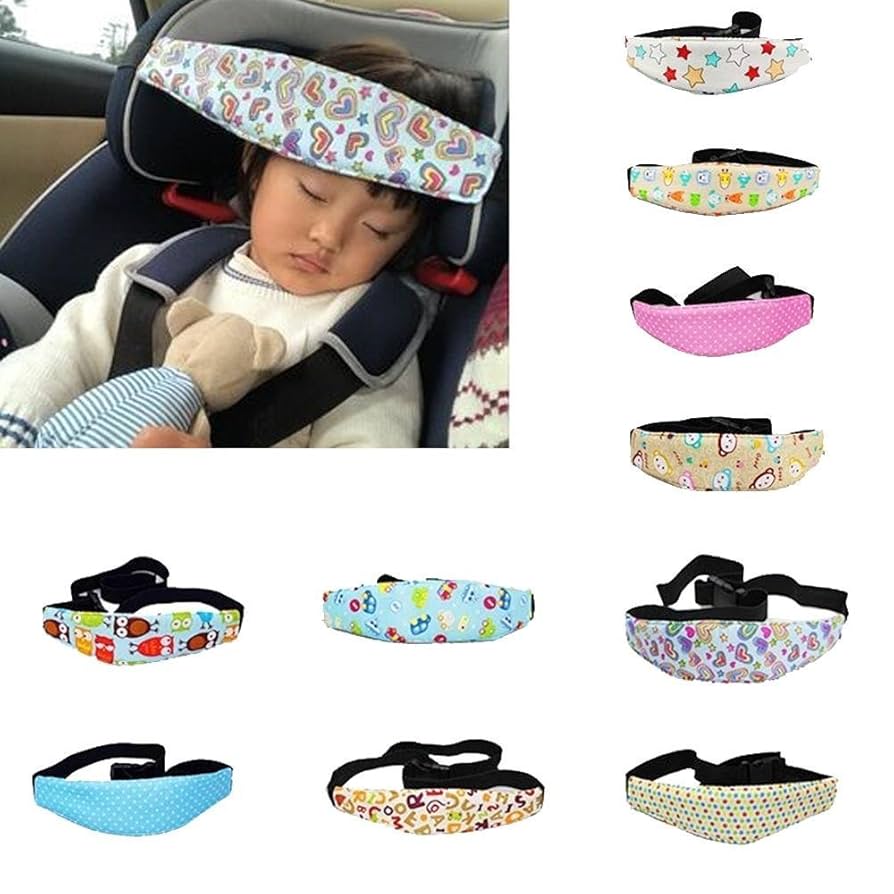
Use cushions designed for car seats to add comfort. Head and body supports keep your baby in a natural position. Choose cushions that do not affect the harness fit or safety. Avoid bulky padding that changes harness tightness. Soft, breathable materials help keep your baby cozy. Replace cushions as your baby grows to maintain proper support.
Maintaining Ideal Temperature
Keep the car seat area neither too hot nor too cold. Dress your baby in layers for easy temperature control. Use sunshades on windows to block harsh sunlight. Open windows slightly or use the car’s air conditioning for fresh air. Overheating or chills can make babies fussy quickly. Watch your baby’s skin for signs of discomfort.
Soothing Techniques During The Ride
Soothing a baby during a car ride can be challenging, but using the right techniques can make a big difference. Keeping your baby calm helps everyone stay safe and reduces stress. Here are some effective ways to comfort your little one while on the move.
Playing Calming Music
Soft, gentle music can work wonders for calming your baby. Choose lullabies or slow instrumental tunes that create a peaceful atmosphere.
Try playing music at a low volume so it doesn’t startle your child. You might notice your baby relaxing or even drifting off to sleep. Have you observed how certain songs seem to soothe your baby more than others?
Using White Noise
White noise mimics the sounds your baby heard in the womb, which can be very comforting. Devices or apps that produce steady sounds like rain, ocean waves, or a fan can help drown out distracting noises.
Many parents find that white noise keeps their baby calm longer than silence. Experiment with different sounds to see what your baby prefers.
Gentle Rocking Motions
Although the car seat limits movement, you can still create gentle rocking by softly swaying the seat with your hands or by driving smoothly on even roads. This motion often reminds babies of being rocked to sleep.
Be cautious to keep movements gentle to avoid upsetting your child. Have you noticed how a little sway can change your baby’s mood during the ride?
Engaging With Toys
Keep a few small, safe toys within your baby’s reach to hold their attention. Soft rattles, teething rings, or colorful plush toys can provide distraction and comfort.
Rotate the toys regularly to keep them interesting. Sometimes, a familiar toy can be the best comfort during a long drive.
When To Take Breaks
Taking breaks during long drives helps calm a fussy baby. Frequent stops allow for stretching and soothing. A calm environment reduces stress for both the baby and the driver.
Taking breaks during a road trip with your baby can transform a potentially stressful experience into a delightful journey. Understanding when to take breaks can make all the difference in calming your baby in a car seat. Frequent pauses not only soothe your little one but also ensure everyone arrives at their destination safely and comfortably.Recognizing Signs Of Distress
Babies have their unique ways of communicating discomfort. Watch for signs like persistent crying, restlessness, or unusual fussiness. These could signal that your baby needs a break. You might notice your baby rubbing their eyes or tugging at their ears, indicating they’re tired or uncomfortable. Paying attention to these cues can help you decide when it’s time to stop.Safe Places To Stop
Finding the right spot to take a break is crucial. Look for rest areas, parks, or gas stations with ample space for a stroll. Ensure the place is safe and away from traffic to avoid further stress. A quiet, shaded area can provide a peaceful environment for your baby to relax and recharge.Stretching And Changing Diapers
Once you’ve stopped, take a moment to stretch those little limbs. Gently moving your baby’s arms and legs can relieve any stiffness from sitting too long. If it’s time for a diaper change, use this opportunity to freshen up your baby. A clean diaper can work wonders for their mood, making the next leg of your journey smoother. Taking breaks isn’t just about stopping the car—it’s a chance to reset and refresh. Could a few minutes of stretching and fresh air make your trip more enjoyable? Try it and see how your baby responds!
Credit: medium.com
Safety Tips For Peaceful Rides
Keeping your baby calm in a car seat is about more than just soothing sounds or toys. Safety plays a huge role in ensuring peaceful rides for both you and your little one. Paying close attention to key safety tips helps prevent stress and distractions, making every trip smoother and more enjoyable.
Avoiding Distracted Driving
Your focus on the road is crucial, especially with a baby on board. If your baby starts fussing, resist the urge to reach back or turn around. Instead, use a mirror designed for rear-facing seats to keep an eye on your child without taking your eyes off the road.
Have you prepared your car for quick access to pacifiers, toys, or snacks? Placing these within easy reach means you won’t have to turn or stretch while driving, reducing risk. Remember, even a moment’s distraction can lead to dangerous situations.
Keeping Baby Secure
A properly installed car seat is the foundation of a calm ride. Double-check that the harness straps are snug and positioned correctly at or below your baby’s shoulders. Loose straps or a poorly adjusted seat can cause discomfort and make your baby fussy.
Do you regularly inspect your car seat for wear and tear? Ensuring the seat is in good condition and installed tightly can prevent sudden jolts that startle your baby. Small adjustments like tightening the harness before each trip can make a big difference in comfort and safety.
Monitoring Temperature
Temperature inside the car can quickly become uncomfortable for your baby. Use sunshades on windows to block harsh sunlight and keep the interior cool. If it’s chilly outside, dress your baby in thin layers rather than bulky clothes to avoid overheating under the straps.
Have you noticed how even slight temperature changes affect your baby’s mood? A quick check with your hand or a temperature gauge can help you adjust the environment before discomfort turns into crying. Keeping a small bottle of water or a cooling cloth nearby can also help during warmer days.
Additional Tips From Parents
Parents often discover small but effective tricks to keep their babies calm in car seats. These tips come from real-life experience and can make your journeys smoother. Here are some valuable suggestions shared by parents who have been there.
Using Pacifiers
Many parents find that offering a pacifier helps soothe their baby during car rides. The sucking motion can calm your child and reduce fussiness without much effort from you.
Make sure the pacifier is clean and easy to reach. If your baby is used to it, having a backup pacifier within arm’s reach can prevent sudden crying fits when one falls out.
Timing Rides Around Sleep
Planning car trips around your baby’s nap schedule can work wonders. Babies tend to be more relaxed and less restless when they fall asleep shortly after the ride starts.
Try to start the journey just as your baby is getting drowsy. Have you noticed your baby is quieter during certain times of the day? Use those windows to your advantage.
Involving Siblings Or Co-travelers
Engaging siblings or other passengers can help distract and entertain your baby. Even simple interactions like singing or talking can create a calming atmosphere.
One parent shared how their toddler’s gentle singing kept the baby calm for the entire trip. Could your co-travelers play a similar role? It might turn the ride into a fun family moment instead of a stressful one.
Credit: www.forbes.com
Frequently Asked Questions
How Can I Soothe My Baby In A Car Seat?
Gently rocking the car seat or softly singing can calm your baby. Use a pacifier or favorite toy to provide comfort during the ride.
What Are Safe Calming Techniques For Babies In Car Seats?
Use gentle vibrations, soft music, or white noise to soothe your baby safely. Avoid feeding or playing with your baby while driving to maintain safety.
Why Does My Baby Cry Only In The Car Seat?
Babies may feel confined or uncomfortable in car seats. Adjust straps and padding to improve comfort and ensure the seat is properly installed.
When Should I Stop Trying To Calm My Baby In The Car?
If your baby continues crying despite soothing, pull over safely to check for discomfort. Sometimes a diaper change or feeding break is necessary.
Conclusion
Calming a baby in a car seat can be simple with patience. Try gentle rocking or soft singing to soothe your child. A favorite toy or blanket often brings comfort and calm. Keep the environment quiet and avoid sudden movements.
Remember, babies sense your calmness and feel safer. Small changes make car rides easier for both of you. Enjoy the journey with a peaceful little passenger.