
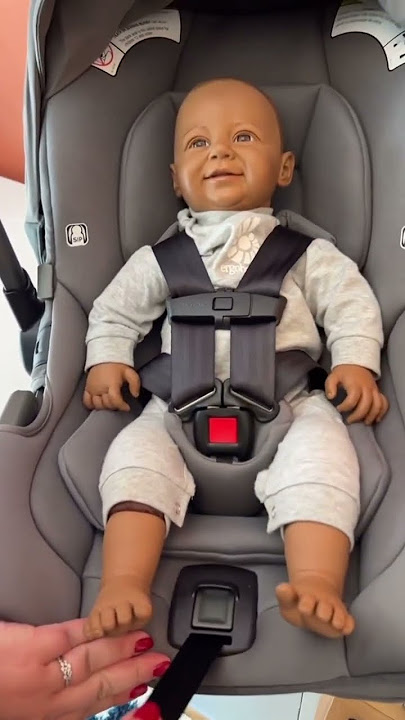
Ensuring your baby is safely buckled in their car seat is one of the most important things you do every time you drive. But it’s not always as simple as it sounds.
If the straps are too loose, your baby isn’t fully protected. If they’re too tight, your little one might be uncomfortable or fussy. You want to get it just right – quick and easy, every single time. You’ll discover simple, step-by-step tips to buckle your baby securely and comfortably.
Keep reading to make every car ride safer and stress-free for both you and your baby.

Credit: www.youtube.com
Choosing The Right Car Seat
Choosing the right car seat is very important for your baby’s safety. Each child has different needs based on age, weight, and height. Picking the correct seat helps protect your little one during every trip. Safety rules and comfort should guide your choice.
Types Of Car Seats
Car seats come in three main types:
- Rear-facing seats for newborns and infants
- Forward-facing seats with harnesses for toddlers
- Booster seats for older children who outgrow harness seats
Each type fits specific stages in your child’s growth. Rear-facing seats offer the best protection for babies. Forward-facing seats provide support as children grow. Booster seats help big kids use the car’s seat belt properly.
Age And Weight Guidelines
Car seats have rules about age and weight limits. Use these guidelines to choose the right seat:
| Seat Type | Age Range | Weight Range |
|---|---|---|
| Rear-facing | Birth to 2 years or more | 5 to 40 pounds |
| Forward-facing | 2 to 5 years | 22 to 65 pounds |
| Booster | 4 to 12 years | 40 to 100 pounds |
Always check the car seat label for exact limits. Grow with the seat to ensure ongoing safety.
Certified Safety Standards
Choose car seats that meet safety certifications. Look for labels showing compliance with government rules. These tests check crash protection and seat strength.
- Federal Motor Vehicle Safety Standard (FMVSS 213) in the USA
- European Safety Standard ECE R44/04 or R129 (i-Size)
Certified seats give peace of mind about quality and protection. Avoid secondhand seats without clear certification. Always follow the manufacturer’s instructions for installation and use.
Preparing The Car Seat
Preparing the car seat is a key part of buckling your baby safely. A properly prepared seat keeps your child secure during every ride. Take time to set it up right before placing your baby inside.
Installing The Seat Correctly
Place the car seat in the back seat, facing the right direction. Follow the car seat manual for installation steps. Use the seat belt or LATCH system to fix it firmly. Tighten straps so the seat does not move more than one inch side to side or front to back. Double-check the angle to keep your baby’s head from slumping forward.
Checking Seat Stability
Push and pull the seat at the base to test stability. The seat should not shift easily. A stable seat protects your baby in sudden stops. Re-tighten or reposition if the seat moves too much. Stability means safety during every trip.
Adjusting Harness Height
Set the harness straps at or just below your baby’s shoulders for rear-facing seats. For forward-facing seats, the straps should be at or above the shoulders. Adjust the harness slots to match your baby’s height. Straps should lie flat without twists. Proper harness height keeps your baby snug and safe.
Securing The Baby Properly
Securing your baby properly in a car seat is the most important step for their safety during any trip. It’s not just about clicking the buckle; it’s about making sure every part of the harness fits snugly and correctly. A well-secured baby can prevent injuries and keep your little one comfortable, giving you peace of mind on the road.
Positioning The Baby
Start by placing your baby in the car seat so that their back and bottom are flat against the seat. Their head should rest naturally without being forced forward or tilted awkwardly.
Check that the baby’s shoulders are level with or just below the harness slots if the seat is rear-facing. This positioning is critical because it ensures the harness straps will hold the baby securely without slipping.
Placing The Harness Straps
Slide the harness straps over your baby’s shoulders, making sure they lie flat without any twists. Twisted straps can reduce the effectiveness of the harness in a crash.
The straps should be snug enough that you cannot pinch any extra material at the shoulder. If you can pinch the strap, it means it’s too loose and won’t protect your baby properly.
Fastening The Buckle
Bring the buckle between your baby’s legs and snap it into the harness buckle until you hear a click. Always double-check by pulling gently on the buckle to ensure it’s locked in place.
After buckling, place the chest clip at armpit level. This keeps the harness straps positioned correctly on the shoulders and prevents your baby from slipping out.
Adjusting The Harness Fit
Adjusting the harness fit is key to keeping your baby safe and comfortable in the car seat. The harness must fit snugly to protect your child during travel. Too loose or too tight can cause discomfort or reduce safety. Follow these simple steps to ensure the harness fits perfectly every time.
Tightening The Straps
Pull the harness straps to remove any slack. The straps should lie flat without twists. Use the harness adjuster, usually found at the front of the seat, to tighten the straps. Make sure the harness is snug but not digging into your baby’s skin.
Ensuring No Slack
Check the harness by performing the pinch test. Try to pinch the strap at your baby’s shoulder. If you can pinch any webbing, it is too loose. Tighten the harness until you cannot pinch any excess strap. This keeps your baby secure during sudden stops.
Chest Clip Placement
Position the chest clip at armpit level. This ensures the straps stay in the correct place on your baby’s shoulders. The chest clip prevents the harness from slipping off. Adjust it so it sits flat against the chest without pressing too hard.
Common Mistakes To Avoid
Ensuring your baby is securely buckled in their car seat is vital. Mistakes during buckling can compromise safety. Understanding common errors helps in avoiding them. Let’s explore some frequent mistakes caregivers make when buckling up infants.
Loose Harness Straps
Loose straps don’t hold your baby securely. Ensure the straps fit snugly. They should lie flat against the chest without slack.
Incorrect Buckle Position
The buckle should be at armpit level. A low or high buckle can affect safety. Check the buckle’s position every time you buckle up.
Bulky Clothing Issues
Bulky clothes can interfere with harness tightness. They create gaps between the harness and body. Use thin layers and adjust straps accordingly.

Credit: www.youtube.com
Additional Safety Tips
Keeping your baby safe in a car seat goes beyond just buckling them in properly. There are several additional safety tips that can make a big difference in protecting your little one during every ride. Paying attention to these details helps you spot potential issues early and ensures the car seat is always ready for use.
Regular Seat Checks
Check your baby’s car seat regularly for any signs of wear or damage. Look at the straps to make sure they aren’t frayed or twisted, and confirm that the buckle clicks securely every time. Even small cracks in the plastic or loose parts can compromise safety, so inspect the seat thoroughly at least once a month.
Have you ever found your harness straps twisted without realizing it? It happens more often than you think and can reduce the effectiveness of the restraint. Make it a habit to straighten the straps every time you buckle your baby in.
Avoiding Aftermarket Products
Many parents want to add extra padding, covers, or toys to the car seat to keep their baby comfortable or entertained. However, using aftermarket products that are not approved by the car seat manufacturer can be risky. These items might interfere with the harness fit or affect crash performance.
Instead, choose accessories that come directly from the car seat brand or are certified for use with your model. If you’re unsure about an item, contact the manufacturer or read the car seat manual carefully. Your baby’s safety depends on using the seat exactly as designed.
When To Upgrade The Car Seat
It’s easy to hold onto a car seat longer than you should, especially when your baby is comfortable in it. But knowing the right time to upgrade is crucial. Check the seat’s expiration date, usually printed on the label, and be aware of your child’s weight and height limits.
Have you noticed your baby’s head is very close to the top of the seat or their shoulders are above the harness slots? These are signs it’s time to move to the next stage seat. Upgrading at the right time ensures your child is always properly protected and comfortable.

Credit: www.evenflo.com
Frequently Asked Questions
How Do I Properly Buckle My Baby In A Car Seat?
Place the baby in the seat, position the harness straps at shoulder level, and buckle securely. Tighten straps to fit snugly without discomfort, ensuring the chest clip is at armpit level for optimal safety.
When Should I Adjust The Car Seat Harness For My Baby?
Adjust the harness as your baby grows, especially when shoulders reach the next strap slot. Regularly check fit to keep straps snug and correctly positioned to maintain maximum protection during travel.
Can I Use A Car Seat With Bulky Baby Clothes?
Avoid bulky clothes as they can interfere with harness fit and safety. Dress your baby in thin layers and use blankets over the harness to keep them warm without compromising security.
How Tight Should The Car Seat Harness Be On A Baby?
The harness should be snug enough that you cannot pinch excess webbing at the shoulder. A properly tightened harness keeps your baby secure and reduces movement during sudden stops or collisions.
Conclusion
Buckle your baby safely every time for worry-free rides. Check straps fit snugly but not too tight. Ensure the chest clip stays at armpit level. Double-check the seat’s installation before each trip. A secure car seat protects your child from harm.
Practice these steps to build confidence and care. Safety starts with the right buckle and fit. Keep your little one safe on every journey.