
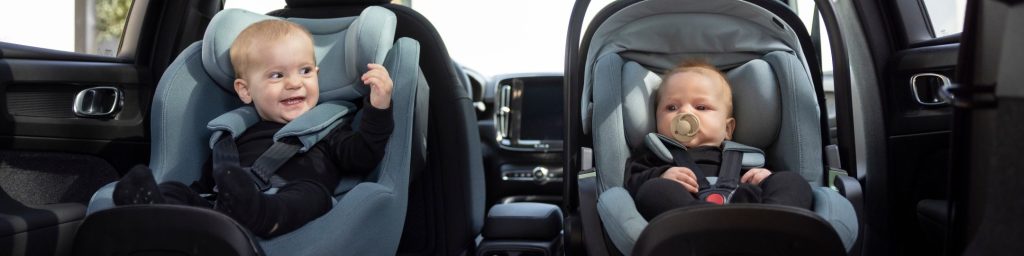
When it comes to your baby’s safety in the car, how they sit in their car seat is more important than you might think. You want to protect your little one every time you hit the road, but it can be confusing to know the right way to secure them.
Are you sure your baby is positioned correctly to stay safe and comfortable? Keep reading, because getting this right could make all the difference in a sudden stop or accident. Let’s break down exactly how your baby should sit in their car seat to give you peace of mind every time you drive.
Choosing The Right Car Seat
Choosing the right car seat is one of the most important decisions you will make for your baby’s safety during car rides. The right seat not only fits your child but also matches your vehicle and lifestyle. Making an informed choice helps protect your little one and gives you peace of mind every time you buckle up.
Types Of Car Seats
Car seats come in several types designed to accommodate different ages and sizes. You’ll find:
- Infant Car Seats:Rear-facing seats that are portable and perfect for newborns.
- Convertible Car Seats:These switch from rear-facing to forward-facing as your child grows.
- Booster Seats:Used for older children to help position the seat belt correctly.
Knowing these types helps you pick one that fits your child’s current stage and can adapt to their growth.
Age And Weight Guidelines
Each car seat type comes with specific age and weight recommendations. For example, infants should stay rear-facing until they reach the highest weight or height allowed by the seat’s manufacturer. Many parents are surprised to learn that keeping babies rear-facing longer significantly improves safety.
Check the labels on car seats carefully. They will tell you the suitable age range and weight limits. Are you confident your current seat fits your baby’s size perfectly? If not, it might be time to upgrade.
Safety Ratings And Certifications
Safety ratings and certifications are crucial when choosing a car seat. Look for labels that show the seat meets national safety standards, such as those from the National Highway Traffic Safety Administration (NHTSA) or the Juvenile Products Manufacturers Association (JPMA).
Seats with high safety ratings often have been tested in multiple crash scenarios. Don’t hesitate to research crash test results online before buying. Your child’s safety deserves that extra effort.

Credit: babyenroute.com
Proper Installation Techniques
Proper installation techniques are essential to keep your baby safe and comfortable in their car seat. Even small mistakes can reduce the effectiveness of the seat during a sudden stop or accident. Taking the time to position and secure the car seat correctly will give you peace of mind every time you drive.
Positioning The Car Seat
Start by placing the car seat in the back seat, which is the safest spot for your baby. Make sure the seat faces the rear of the car for infants, as this orientation offers better protection for their head and neck. Check the angle of the seat; many car seats have indicators to help you find the right tilt to keep your baby’s airway open.
Have you noticed how some seats feel too upright or too reclined? Adjust the base until it matches the recommended angle, usually around 45 degrees for newborns. This simple step can make a big difference in comfort and safety.
Securing With Seat Belts
If your car seat uses the seat belt for installation, thread the belt through the correct path as shown in the car seat manual. Pull the belt tight to remove any slack. A loose belt can allow the seat to move more than it should during a collision.
Lock the seat belt by pulling it all the way out and then letting it retract slowly. This engages the locking mechanism in most modern cars, ensuring the car seat stays firmly in place. Double-check by trying to move the seat side-to-side and front-to-back; it should not shift more than an inch.
Using Latch System
The LATCH system makes installation easier by using built-in anchors in your car and connectors on the car seat. Attach the lower anchors first, then tighten the straps to secure the seat. Like with seat belts, the goal is to eliminate any movement of the car seat.
Remember, not all cars have LATCH in every seating position, and weight limits apply. If your baby or car seat is too heavy, a seat belt may be required instead. Always consult both your vehicle’s manual and the car seat instructions to confirm proper use.
Correct Baby Positioning
Correct baby positioning in a car seat is vital for safety and comfort. A well-positioned baby can stay secure during every ride. It reduces risks and helps avoid injuries in case of sudden stops or accidents. Parents should focus on how the baby sits and how the straps fit.
Proper positioning also supports healthy growth. It prevents strain on the baby’s spine and neck. Ensuring the baby’s head stays in place keeps airways open for easy breathing. This makes every trip safer and more comfortable.
Rear-facing Vs Forward-facing
Babies should ride rear-facing as long as possible. This position protects the head, neck, and spine better in a crash. Most experts suggest rear-facing until at least age two or until the car seat’s height and weight limits are reached.
Forward-facing seats are for older toddlers and preschoolers. They have harnesses and tether straps for added safety. Switching too early to forward-facing increases injury risk. Always check the car seat’s manual for limits.
Harness Adjustment
- Straps must lie flat without twists.
- Harness should be snug but not too tight.
- Place the chest clip at armpit level.
- Adjust straps as the baby grows to ensure a secure fit.
Proper harness adjustment keeps the baby from slipping out. Loose straps reduce protection during sudden stops. Tight straps prevent movement while allowing comfortable breathing.
Head And Neck Support
Support the baby’s head with soft, approved inserts if needed. It prevents the head from falling sideways or forward. Proper head positioning maintains clear airways and prevents choking risks.
Many car seats come with built-in headrests. Use them to keep the baby’s head stable. Avoid bulky blankets or pillows that can interfere with the harness.
Common Mistakes To Avoid
Ensuring your baby sits safely in a car seat means avoiding some common mistakes that many parents make without realizing. These errors can reduce the effectiveness of the car seat and put your little one at risk. Understanding what to watch out for helps you keep your baby secure and comfortable every time you hit the road.
Loose Straps
Loose straps are one of the most frequent issues. If the harness isn’t snug enough, your baby can move too much during a sudden stop or crash. You should be able to fit only one finger between the strap and your baby’s collarbone.
Many parents think a little slack is okay, but even a small gap can be dangerous. After buckling, pull the straps tight and check again. Your baby’s safety depends on it.
Incorrect Angle
The angle of the car seat matters a lot for your baby’s comfort and safety. Too upright, and the baby’s head may flop forward, blocking their airway. Too reclined, and the seat won’t offer proper protection in a crash.
Most car seats come with angle indicators or adjusters—use them! If you’re unsure, use a small towel roll behind the seat to get the right tilt. Does your baby’s head stay in a natural position without sliding?
Bulky Clothing
It might seem warm and cozy to dress your baby in thick coats or snowsuits before strapping them in. But bulky clothing can prevent the harness from fitting tightly against your baby’s body. This can lead to dangerous slack in the straps.
Instead, dress your baby in thinner layers and cover them with a blanket after securing the harness. Ask yourself: Is warmth worth risking a loose harness? Protect your baby without adding bulk under the straps.
Regular Maintenance And Checks
Check the car seat straps and buckles often to ensure they are secure and undamaged. Adjust the harness as your baby grows to keep them snug and safe. Regular inspections help prevent accidents and keep your child comfortable during every ride.
Ensuring your baby’s car seat is in top condition is crucial for safety. Regular maintenance and checks can prevent potential hazards. Frequent inspections keep the seat secure and functional. Follow these essential tips to maintain your baby’s car seat effectively.Inspecting For Wear And Tear
Regularly inspect the car seat for any signs of damage. Look for cracks in the plastic components. Check the harness for fraying or loosening. Ensure all buckles and clips function properly. A damaged seat may not protect your child well.Cleaning The Car Seat
Clean the car seat often to keep it hygienic. Use mild soap and water for fabric parts. Avoid harsh chemicals that can harm materials. Let it air dry completely before use. A clean seat is more comfortable for your baby.Keeping Up With Recalls
Stay informed about car seat recalls. Manufacturers sometimes discover safety issues post-sale. Register your car seat with the manufacturer. This way, you’ll get recall notifications. Keeping up with recalls ensures your child’s safety.
Credit: www.thule.com
Travel Tips For Safety
Keeping your baby safe in a car seat goes beyond just buckling them in correctly. How you manage the environment during travel plays a big role in their comfort and security. Paying attention to simple travel tips can make the journey safer and more pleasant for both you and your baby.
Frequent Breaks
Babies can get restless and uncomfortable after sitting in a car seat for too long. Plan to stop every couple of hours to give your baby a break from the seat. Use this time to stretch their legs, change diapers, and feed if needed.
These breaks reduce fussiness and help prevent any pressure points from developing. Do you notice your baby getting cranky on longer trips? Short breaks might be the key to a smoother ride.
Temperature Control
Babies are sensitive to temperature changes, so keeping the car comfortable is crucial. Dress your baby in breathable layers that you can add or remove easily. Avoid overheating by checking that the car’s ventilation reaches your little one’s seat.
Using sunshades on windows can block harsh sunlight and keep the seat area cooler. Have you ever had to pull over because your baby seemed too hot or cold? Small adjustments can prevent that discomfort before it starts.
Avoiding Distractions
Your focus on the road is vital, but it’s tempting to look back at your baby often. Instead, install a baby mirror that lets you see them without turning around. Keep toys and pacifiers within reach to keep your baby calm.
Try not to engage in distracting activities like texting or adjusting the radio too frequently. How do you keep your attention on driving while ensuring your baby feels secure? Finding that balance protects everyone in the car.

Credit: maxicosi.com
Frequently Asked Questions
How Should A Baby Be Positioned In A Car Seat?
A baby should be placed in a rear-facing car seat. Ensure the harness is snug and at or below shoulder level. The baby’s back and bottom must be flat against the seat. Always follow the car seat manufacturer’s instructions for safety.
When Can A Baby Face Forward In A Car Seat?
Babies can face forward after they exceed the car seat’s rear-facing height or weight limit. This is usually after age 2. Rear-facing is safest for infants and toddlers. Always check your car seat manual for specific guidelines.
How Tight Should The Car Seat Harness Be On A Baby?
The harness should be tight enough that you cannot pinch any excess webbing. It should lie flat without twists. The chest clip must be at armpit level to keep the baby secure and comfortable during travel.
Can Bulky Clothes Affect Baby’s Car Seat Safety?
Yes, bulky clothes can compress in a crash, making the harness loose. Remove thick coats before buckling the baby. Use blankets over the harness for warmth instead. This ensures the harness fits snugly and keeps the baby safe.
Conclusion
Keeping your baby safe in a car seat is very important. Always place the baby rear-facing for better protection. Make sure the harness fits snugly and is at the right height. Check that the car seat is installed tightly and does not move.
Never use bulky clothes or blankets under the harness. Regularly review the car seat manual for updates. Safe travel means peace of mind for parents and comfort for babies. Simple steps can make a big difference in safety. Keep your little one secure on every trip.