

You want your car to look shiny and new, right? Waxing your car is one of the best ways to protect its paint and keep it gleaming.
But how often should you actually wax your car to get the best results? If you’re unsure, you’re not alone. Wax too little, and your car’s paint can fade or get damaged. Wax too often, and you might waste time and money.
You’ll discover the perfect waxing routine that fits your car and lifestyle. Keep reading to unlock simple tips that will keep your car looking its best all year long.

Credit: carfromjapan.com
Benefits Of Car Waxing
Waxing your car regularly offers more than just a pretty shine. It acts as a shield that keeps your vehicle looking fresh and protects its value over time. Understanding the benefits of waxing can help you decide how often your car needs this essential care.
Protecting Paint From Damage
Car wax creates a protective layer over your paint, guarding it against harmful elements like UV rays, bird droppings, and road salt. Without this barrier, paint can fade, chip, or corrode faster than you’d expect. Have you noticed how some cars maintain their vibrant color for years? That’s often the result of consistent waxing.
Enhancing Shine And Gloss
Waxing brings out the best in your car’s appearance by enhancing its shine and gloss. This not only makes your vehicle look newer but also more eye-catching on the road. If you want your car to turn heads without spending on expensive detailing, waxing is a simple and effective solution.
Repelling Dirt And Water
One of the practical perks of waxing is its ability to repel dirt and water. When wax is applied, water beads up and rolls off easily, taking dust and grime with it. This means less frequent washes and a cleaner car for longer periods—saving you time and effort.
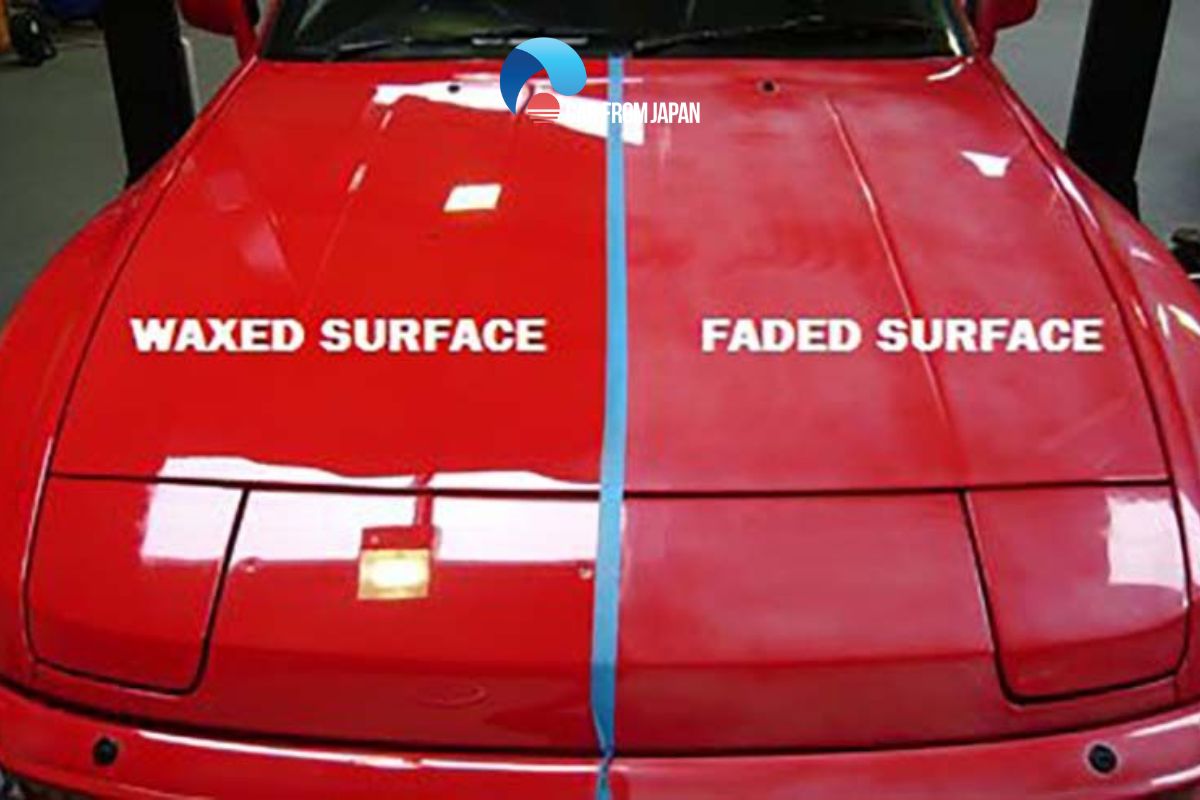
Credit: carfromjapan.com
Factors Affecting Waxing Frequency
Waxing your car protects its paint and keeps it shiny. The frequency depends on several factors. These affect how long the wax lasts and how often you need to reapply it.
Climate And Weather Conditions
Harsh weather wears off wax faster. Sun, rain, snow, and wind can damage the wax layer. Cars in hot, sunny areas may need waxing more often. Cold, wet climates also reduce wax durability. Dust and pollution in the air can shorten wax life too.
Type Of Wax Used
Different waxes last for different times. Synthetic waxes usually protect longer than natural ones. Some waxes last a few weeks, others months. Carnauba wax gives a deep shine but fades quicker. Check the product details for how long it should last.
Car Usage And Storage
Cars used daily need more frequent waxing. Dirt, bugs, and road salt wear down wax faster. Parking in a garage helps protect wax longer. Outdoor parking exposes your car to more dirt and weather. Washing your car often can remove wax quicker too.
Recommended Waxing Intervals
Knowing the right time to wax your car keeps its paint fresh and protected. Waxing intervals depend on how often you drive and the environment. Regular waxing prevents damage and maintains shine. Different schedules suit different needs and weather conditions.
Monthly Waxing For Optimal Shine
Wax your car every month for the best shine and protection. This suits cars kept mostly indoors or driven less often. Monthly waxing builds strong layers that resist dirt and water. It keeps the paint smooth and glossy for longer periods. Ideal for car lovers who want a showroom look.
Quarterly Waxing For Average Use
Waxing every three months fits most drivers and everyday use. This schedule balances protection and effort. It guards against common dirt, rain, and sun damage. Quarterly waxing helps maintain a clean, polished look. Perfect for cars parked outside but not exposed to harsh conditions daily.
Seasonal Waxing For Harsh Environments
Wax your car each season if you face tough weather or road salt. Winter and summer bring extra risks to the paint. Seasonal waxing shields against snow, ice, sun, and dust. It prevents fading and corrosion from extreme elements. Best for vehicles in coastal areas or places with strong weather changes.
Signs Your Car Needs Waxing
Knowing when your car needs waxing can save you time and money while keeping your vehicle looking its best. Wax protects your paint from damage and enhances its shine. But how do you tell if it’s time to wax again? Watch out for these clear signs that your car is ready for a fresh coat of wax.
Dull Or Faded Paint
If your car’s paint looks lackluster or faded, it’s a strong hint that the wax layer has worn off. Wax acts as a shield against UV rays and environmental damage, so when the paint loses its shine, protection is compromised.
Try running your hand over the surface. Does it feel smooth and glossy or flat and dull? If it’s the latter, waxing can bring back that vibrant, fresh-from-the-showroom look.
Water Spots And Streaking
After washing your car, water should bead up and roll off easily. If you notice water spots or streaks lingering on the surface, it means the wax isn’t doing its job anymore.
These spots can etch into the paint over time, causing permanent damage. Waxing restores the surface tension, making water slide off and keeping your paint safe.
Surface Contaminants And Roughness
Does your car’s surface feel rough or gritty to the touch? Dirt, tree sap, road grime, and pollution can build up on the paint, even after washing.
Wax forms a smooth barrier that repels these contaminants. When it wears down, the surface becomes prone to trapping debris, which can scratch and dull your paint.
Have you noticed any of these signs on your car lately? Waxing at the right time keeps your paint protected and looking great longer.
Choosing The Right Wax
Choosing a wax depends on your car’s paint type and local weather. Regular waxing every two to three months keeps the finish shiny and protected. Opt for a wax that suits your driving conditions for best results.
Choosing the right wax for your car can be challenging. Each type offers unique benefits. Understanding the options will help you make an informed decision. Let’s explore the various wax types available.Natural Vs Synthetic Waxes
Natural waxes use ingredients like carnauba. They offer a deep, rich shine. This type usually requires more frequent application. Synthetic waxes, made from polymers, last longer. They provide a more durable protective layer. Synthetic options are often easier to apply.Liquid, Paste, And Spray Options
Car wax comes in three main forms. Liquid waxes are easy to spread and polish. They are perfect for quick applications. Paste waxes offer a thicker consistency. They often provide a longer-lasting shine. Spray waxes are the most convenient. They require the least effort and time.Wax For Different Paint Types
Different paints need different waxes. Metallic paints benefit from synthetic waxes. These enhance the sparkle and shine. Solid paint colors can use either type. Choose based on durability or shine preferences. Consider the paint condition as well. Newer paints might require less protection. Older or weathered paints benefit from more frequent waxing.
Credit: carfromjapan.com
Waxing Techniques For Best Results
Wax your car every three months to keep its shine and protection strong. Regular waxing prevents dirt buildup and minor scratches. Choose a smooth, clean surface and apply wax evenly for the best results.
Achieving the best results from waxing your car requires more than just the product. The techniques you use can significantly impact the shine and longevity of the wax. Whether you’re a seasoned car enthusiast or a newbie, refining your waxing skills can elevate your car’s appearance and protection.Preparing The Car Surface
Before you even open the wax container, ensure your car’s surface is impeccably clean. Wash the car thoroughly, paying special attention to dirt-prone areas like the wheels and undercarriage. Dry it completely, as water can hinder wax adhesion. Consider using a clay bar to remove embedded contaminants. This step might seem extra, but it ensures the wax bonds directly to the paint, maximizing its effectiveness. A little extra prep can make a big difference.Applying Wax Evenly
Use a foam or microfiber applicator pad to apply the wax. Apply a thin, even layer using gentle, circular motions. Avoid using too much wax, as it can be challenging to buff off and may leave streaks. Cover small sections at a time. This helps maintain consistency and prevents the wax from drying too quickly before buffing. Remember, a little goes a long way.Buffing And Polishing Tips
Once the wax has dried to a haze, it’s time to buff. Use a clean, soft microfiber towel to remove the wax, working in circular motions. Apply light pressure to bring out the car’s shine. Switch to a fresh towel if the current one gets too saturated with wax residue. This ensures a clear, streak-free finish. Have you noticed how a little extra care during buffing can truly amplify your car’s luster? By focusing on these techniques, you can turn a routine wax into a rewarding ritual, leaving your car looking stunning and protected for weeks.Common Waxing Mistakes To Avoid
Waxing your car is a great way to protect its paint and keep it shiny. Avoiding common mistakes helps you get the best results. Many people wax their cars but miss key points that affect the finish and durability. Understanding these errors ensures your car looks smooth and stays protected longer.
Waxing Over Dirt Or Dust
Never apply wax on a dirty or dusty car. Dirt scratches the paint when rubbed with wax. Always wash and dry your car before waxing. This keeps the surface clean and smooth. Wax sticks better on a clean surface, giving a better shine.
Using Too Much Wax
Applying too much wax does not make your car shinier. Thick layers take longer to dry and are hard to remove. Use a thin, even coat for the best effect. Less wax means less effort and a smoother finish. It also helps avoid streaks and cloudy spots.
Waxing In Direct Sunlight
Waxing under the sun causes the wax to dry too fast. This makes it difficult to spread and buff out. Work in shade or during cooler parts of the day. This helps the wax stay soft and easy to apply. Your car will have a more even, glossy look.
Alternative Paint Protection Methods
Waxing isn’t the only way to protect your car’s paint. There are other options that might suit your needs better, depending on how much time you want to spend on maintenance and how long you want the protection to last. These alternative paint protection methods can offer different levels of durability and shine, and understanding them can help you make the right choice for your vehicle.
Sealants And Ceramic Coatings
Sealants are synthetic products designed to create a protective layer over your car’s paint. They last longer than traditional wax, often protecting your paint for several months with minimal upkeep.
Ceramic coatings go a step further by bonding with your paint at a molecular level. This creates a hard, durable shell that can resist scratches, chemicals, and UV damage for years. If you’ve ever noticed how water beads off a freshly coated car, that’s the ceramic layer working.
Applying ceramic coatings usually requires professional help, but the results can be impressive. Think about how often you want to wax your car—wouldn’t a coating that lasts years without constant reapplication be worth the investment?
Paint Protection Films
Paint protection films (PPF) are clear, thick layers applied directly to your car’s surface. They act like a shield against chips, scratches, and stains, especially on high-impact areas like the hood and bumper.
One of the biggest benefits of PPF is its invisibility. It doesn’t change your car’s color or shine, but it takes the hits that would otherwise damage your paint. Some films even have self-healing properties that fix minor scratches over time.
While PPF can be pricey and requires professional installation, it’s an excellent choice if you want near-permanent protection without frequent touch-ups.
Comparing Longevity And Maintenance
| Protection Type | Typical Lifespan | Maintenance Required | Cost Range |
|---|---|---|---|
| Wax | 4-6 weeks | Frequent reapplication, regular washing | Low |
| Sealants | 3-6 months | Occasional reapplication, easy cleaning | Moderate |
| Ceramic Coatings | 2-5 years | Minimal, regular washing | High |
| Paint Protection Film | 5-10 years | Minimal, careful washing | Very High |
Look at this table and ask yourself: how much time can you realistically dedicate to maintaining your car’s shine? If you prefer low maintenance, ceramic coatings or paint protection films might be the smarter choice. On the other hand, if you enjoy the ritual of waxing and want to spend less upfront, traditional wax or sealants could work better.
Frequently Asked Questions
How Often Should I Wax My Car For Best Protection?
You should wax your car every 3 to 4 months for optimal paint protection. Regular waxing shields against UV rays, dirt, and moisture. This frequency maintains your car’s shine and prevents paint damage effectively.
Can Waxing Frequency Vary By Climate?
Yes, waxing frequency depends on your climate. Hot, sunny, or rainy areas may require waxing every 2 to 3 months. Mild climates allow waxing every 4 to 6 months. Adjust based on environmental exposure for best results.
Does Washing Affect How Often I Should Wax?
Frequent washing can strip wax layers, requiring more frequent waxing. If you wash your car weekly, consider waxing every 2 to 3 months. Washing gently with pH-balanced soap helps maintain wax longer.
What Signs Indicate It’s Time To Wax My Car?
Dull or faded paint and water not beading indicate it’s time to wax. If dirt sticks easily or the surface feels rough, re-waxing is needed. These signs show the wax layer has worn off.
Conclusion
Waxing your car every three months keeps its shine and protection strong. Dirt and weather can wear off wax over time. Regular waxing stops paint damage and makes cleaning easier. Pay attention to your car’s look; dull spots mean it needs waxing.
Keep your car waxed to look fresh and last longer. Simple care goes a long way in keeping your car nice.