
Have you ever wondered how much voltage your car battery really has? Understanding this simple but important fact can save you from unexpected breakdowns and costly repairs.
Whether you’re trying to jump-start your car or just want to know if your battery is healthy, knowing the voltage gives you a clear picture of your battery’s condition. You’ll discover exactly how much voltage a car battery should have and what those numbers mean for your vehicle’s performance.
Keep reading to make sure your car is always ready to go when you are.
Car Battery Voltage Basics
Understanding the basics of car battery voltage is essential for anyone who owns or works with vehicles. Your car’s battery voltage impacts everything from starting the engine to powering electrical components. Knowing what voltage to expect can help you diagnose issues early and keep your vehicle running smoothly.
Standard Voltage Ratings
Most car batteries are designed to operate at a standard voltage of 12 volts. This voltage comes from six individual cells inside the battery, each producing about 2.1 volts.
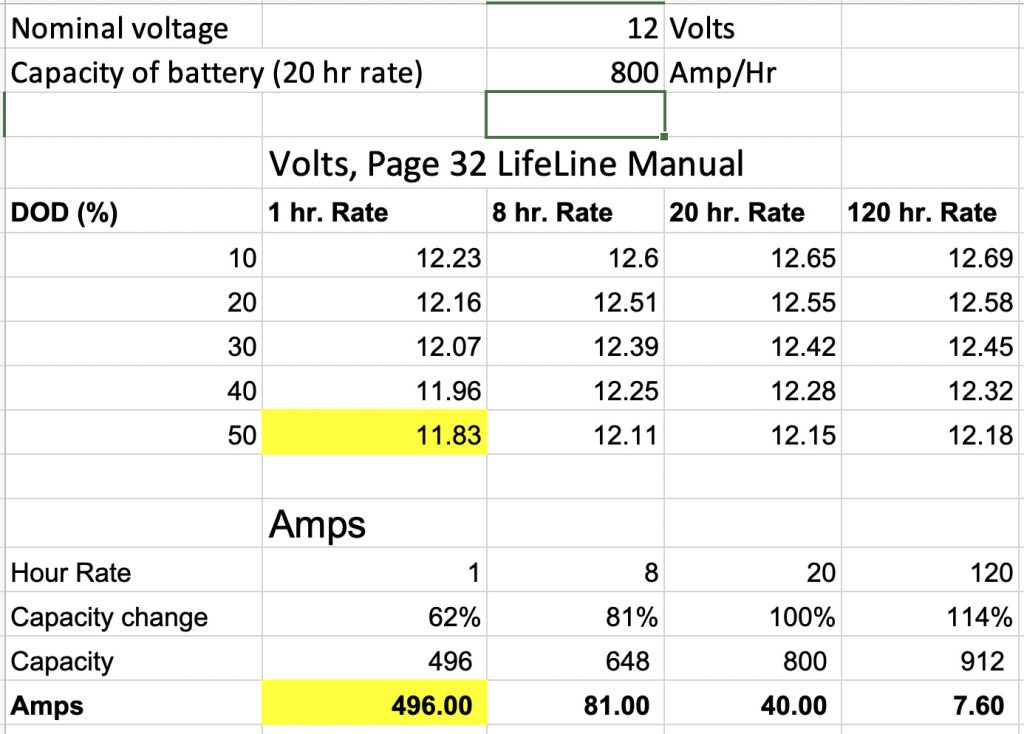
A fully charged battery typically shows around 12.6 volts or slightly higher when the engine is off. When the engine is running, the voltage usually rises to between 13.7 and 14.7 volts due to the alternator charging the battery.
If you see a voltage below 12.4 volts, your battery might be undercharged or failing. Have you ever checked your battery voltage with a multimeter? It’s a simple step that can save you from unexpected breakdowns.
Voltage Variations In Different Cars
While 12 volts is the standard, some vehicles have different battery voltage requirements. For example, motorcycles and smaller vehicles often use 6-volt or 12-volt batteries depending on their electrical needs.
Electric and hybrid cars use much higher voltage systems, sometimes reaching hundreds of volts to power their electric motors. However, these vehicles still include a 12-volt battery for running standard electronics and accessories.
Even among traditional cars, voltage can vary slightly based on battery age, temperature, and the state of charge. Have you noticed how your battery voltage changes on cold mornings or after long drives? Paying attention to these details can give you clues about your battery’s health.

Credit: battlebornbatteries.com
Factors Affecting Battery Voltage
Several factors affect a car battery’s voltage. Understanding these helps maintain battery health and performance. Voltage changes can indicate battery problems or normal operation. These factors vary from battery age to external conditions.
Battery Age And Condition
Older batteries tend to lose voltage capacity. Chemical changes inside reduce their ability to hold charge. Corrosion and wear on terminals also affect voltage output. Regular checks can spot early signs of battery failure.
Temperature Impact
Cold weather lowers battery voltage by slowing chemical reactions. The battery struggles to deliver full power in freezing temperatures. Heat causes faster chemical reactions but may damage battery life over time. Ideal battery voltage varies with temperature.
Load And Usage Patterns
High electrical loads reduce battery voltage temporarily. Using headlights, air conditioning, or the radio affects voltage levels. Frequent short trips prevent full battery recharge. Long drives help restore optimal voltage and battery health.
Measuring Car Battery Voltage
Measuring the voltage of a car battery is a simple but important task. It helps check the battery’s health and ensures the car starts properly. Voltage tells how much electrical power the battery holds at a moment.
Testing the battery voltage does not need special skills. A few tools and correct reading interpretation can give clear results.
Tools For Voltage Measurement
A multimeter is the most common tool for measuring battery voltage. It shows voltage digitally and is easy to use.
- Digital multimeter: Offers accurate voltage readings quickly.
- Voltmeter: A simpler tool, mainly for voltage only.
- Test light: Less precise, but can check if power is present.
Using a multimeter is best for accurate and clear results. It helps avoid mistakes when reading voltage levels.
Interpreting Voltage Readings
Car battery voltage usually ranges between 12 and 13 volts when the engine is off. This shows the battery’s resting voltage.
Here is a simple guide to understand voltage readings:
| Voltage | Battery Condition |
|---|---|
| 12.6 volts or higher | Fully charged battery |
| 12.4 to 12.6 volts | Partially charged battery |
| Below 12.4 volts | Battery needs charging or replacement |
Voltage below 12.0 volts usually means the battery is weak or dead. Checking voltage while the engine runs shows the charging system’s health.
Credit: www.reddit.com
Voltage And Battery Health
Voltage plays a key role in a car battery’s health and overall function. A healthy battery usually holds around 12.6 volts when fully charged. Voltage levels below this point often signal a weakening battery or charging system issues. Regularly checking voltage helps avoid unexpected breakdowns and keeps your vehicle running smoothly.
Signs Of Low Voltage
- Dim headlights and interior lights
- Slow engine crank or failure to start
- Electrical accessories not working properly
- Warning lights on the dashboard
- Corroded or loose battery terminals
Low voltage can silently damage your battery and reduce its lifespan. Catching these signs early allows timely repairs.
Effects On Vehicle Performance
Low battery voltage impacts many vehicle systems. The engine may struggle to start or stall unexpectedly.
Fuel efficiency can drop because the engine runs less smoothly. Electronic systems like the radio, GPS, and sensors may fail.
In some cases, a weak battery causes the alternator to work harder, leading to further damage and costly repairs.
Maintaining Optimal Voltage
A car battery usually holds about 12. 6 volts when fully charged. Keeping this voltage steady ensures the car runs smoothly and starts easily. Low voltage can cause problems with electrical parts and reduce battery life.
Maintaining the optimal voltage of a car battery is vital for its performance. A well-maintained voltage ensures smooth vehicle operation. It prevents unexpected breakdowns. This section delves into effective ways to keep your car battery voltage in check.Charging Practices
Regular charging keeps the battery voltage at its best. Use a reliable battery charger. Avoid overcharging as it harms the battery. Check the manufacturer’s guidelines for charging instructions. Charge the battery every few months if the car sits idle. This practice helps maintain its longevity and efficiency.Preventing Voltage Drops
Voltage drops can cause car starting issues. Ensure all electrical components are turned off when not in use. Faulty wiring can lead to voltage drops. Inspect wiring and connections regularly. Keep terminals clean and free from corrosion. Routine maintenance prevents unexpected voltage dips.Voltage In Electric And Hybrid Vehicles
Voltage in electric and hybrid vehicles plays a crucial role in how these cars deliver power and efficiency. Unlike traditional gasoline vehicles with standard 12-volt batteries, electric and hybrid models use a combination of voltages to manage their electric motors and auxiliary systems. Understanding these differences helps you appreciate how these vehicles function and what to expect when maintaining or troubleshooting them.
Differences From Traditional Batteries
Electric and hybrid vehicles typically use high-voltage battery packs that range from about 200 to 400 volts, and sometimes even higher in newer models. This is a big jump from the 12-volt batteries found in conventional cars, which primarily power the starter motor and electronics.
These high-voltage batteries power the electric motors that drive the wheels directly, providing instant torque and smooth acceleration. Meanwhile, a smaller 12-volt battery is still present to handle standard electronics like lights, infotainment systems, and safety features.
Have you ever wondered why electric cars can accelerate so quickly? The answer lies in the power supplied by these high-voltage batteries, which deliver much more energy than traditional car batteries.
Safety Considerations
Handling high-voltage batteries requires extra caution because the voltage levels can be dangerous if not managed properly. Technicians working on electric or hybrid vehicles must follow strict safety protocols to avoid electric shock.
Manufacturers design these battery systems with multiple layers of protection, including insulation, circuit breakers, and automatic shutoff mechanisms. These features reduce the risk of accidents during crashes or maintenance.
If you own an electric or hybrid vehicle, it’s important to know that your car’s manual will have specific guidelines on what you can safely do yourself and when to seek professional help. Are you confident in recognizing safe versus risky situations involving your car’s battery system?

Credit: mechlesson.com
Frequently Asked Questions
What Voltage Does A Standard Car Battery Have?
A standard car battery typically has 12 volts. This voltage is enough to start the engine and power electrical systems. Car batteries contain six cells, each producing about 2. 1 volts. Together, they provide the necessary 12 volts for vehicle operation.
How Can I Check My Car Battery Voltage?
Use a digital multimeter to check your car battery voltage. Set it to DC volts, connect probes to battery terminals, and read the display. A healthy, fully charged battery should read about 12. 6 volts or higher when the car is off.
What Voltage Indicates A Dead Car Battery?
A car battery voltage below 12. 0 volts usually means it is dead or discharged. At this voltage, the battery cannot start the car or power electrical components effectively. Regularly checking voltage helps prevent unexpected battery failure.
Does Car Battery Voltage Change When The Engine Runs?
Yes, when the engine runs, the voltage rises to about 13. 7 to 14. 7 volts. This increase is due to the alternator charging the battery. It ensures the battery remains charged and powers all electrical systems while driving.
Conclusion
A car battery usually has about 12 volts when fully charged. This voltage powers your vehicle’s electrical system. Checking voltage helps keep your car running smoothly. Low voltage means the battery might need charging or replacement. Knowing battery voltage helps you avoid unexpected breakdowns.
Keep your battery in good condition for reliable starts. Regular checks save time and money on repairs. Understanding voltage is simple but important for every car owner. Stay aware, and your car will stay ready to go.