
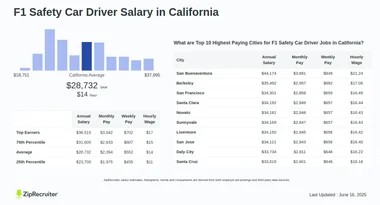
Have you ever wondered what it takes to be the driver of the Formula 1 safety car? It’s a role that demands skill, focus, and nerves of steel.
But beyond the excitement and responsibility, you might be curious—how much does the F1 safety car driver actually get paid? If you want to uncover the truth behind this unique job and understand what rewards come with it, keep reading.
This article will give you a clear picture of the salary and what factors influence it, so you know exactly what goes on behind the scenes in one of the most thrilling sports on the planet.
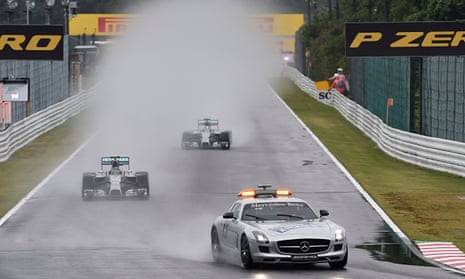
Credit: www.theguardian.com
F1 Safety Car Driver Role
The role of an F1 Safety Car driver is more demanding than many realize. This person must keep pace with the fastest cars on the planet while ensuring safety for everyone on the track. Your job is critical during race interruptions, controlling speed and maintaining order in chaotic moments.
Responsibilities On Track
The Safety Car driver leads the pack when the race is interrupted by accidents or poor weather. You control the pace, preventing cars from speeding dangerously while the track is cleared.
Key responsibilities include:
- Maintaining consistent speed to keep the field together
- Communicating with race control and teams
- Reacting quickly to sudden changes on the track
- Ensuring the Safety Car itself is driven flawlessly to avoid causing accidents
Have you ever wondered how someone stays calm under such intense pressure? This role demands absolute focus every second.
Skills Required
Driving a Safety Car isn’t just about speed; it’s about precision and control. You need a deep understanding of racing dynamics and track conditions.
Skills that matter include:
- Exceptional car control and smooth driving techniques
- Strong situational awareness to anticipate hazards
- Excellent communication skills to coordinate with officials
- Ability to remain calm and make quick decisions under pressure
If you think you have what it takes, ask yourself: can you handle the responsibility of managing the race’s safety at a moment’s notice? This role is not just about driving—it’s about leadership on wheels.

Credit: riiroo.com
Salary Factors
The salary of an F1 safety car driver depends on several important factors. These factors shape the final pay and vary between drivers. Understanding these helps to see why some drivers earn more than others. The main salary factors include experience, reputation, and contractual agreements with the racing teams or organizers.
Experience And Reputation
Experience plays a big role in how much a safety car driver earns. Drivers with many years behind the wheel tend to get higher pay. Their skill at handling high-speed situations is valuable. Reputation also matters. A well-known driver with a good track record can command better salaries. Teams trust experienced drivers to keep races safe and smooth.
Contractual Agreements
Contracts between drivers and F1 organizers define salary details. Some drivers have long-term deals, which guarantee steady income. Others work on short-term contracts for specific seasons or races. Contracts may include bonuses based on performance or race results. Payment terms can vary greatly, affecting total earnings. Negotiations often decide the final salary package.
Estimated Earnings
Understanding the estimated earnings of an F1 safety car driver gives you a clear picture of what goes into this unique and high-pressure role. The pay is influenced by several factors, including experience, contracts, and the team behind the scenes. Let’s break down the typical salary range and the additional perks that come with the job.
Base Salary Range
F1 safety car drivers usually earn a base salary that reflects their skill and the exclusivity of the role. On average, salaries can range from $70,000 to $150,000annually. This amount depends largely on the driver’s background in professional racing and their relationship with the Formula 1 organization.
Some drivers, especially those with a history in top-tier racing, might command salaries at the higher end. But even if you’re passionate about motorsports, the role demands precision and calm under extreme pressure, which justifies the pay.
Additional Perks And Bonuses
Beyond the base salary, safety car drivers often receive extra perks that add significant value to their compensation. These can include:
- Travel and accommodation during race weekends, covering global destinations.
- Performance bonuses tied to flawless execution during races.
- Access to exclusive F1 events and networking opportunities.
- Support from top-tier teams and technical staff.
Have you ever considered how much responsibility rests on the safety car driver’s shoulders? Their ability to react instantly can influence the entire race outcome, which is why these bonuses reward not just skill but reliability and focus.
Comparison With Other Motorsport Roles
F1 safety car drivers earn less than F1 racers but enjoy a stable and rewarding career. Their salaries are higher compared to other motorsport support roles, reflecting the importance of their job.
In the fast-paced world of motorsport, the role of an F1 safety car driver is unique and intriguing. But how does their pay compare with other roles in this adrenaline-filled industry? Understanding the financial landscape of different positions can give you a deeper appreciation of the sport and maybe even inspire you to pursue a career in motorsport yourself.F1 Race Drivers
F1 race drivers are the stars of the show, often commanding multi-million-dollar salaries. Their pay is reflective of their skills, risk, and the intense competition they face. Top drivers like Lewis Hamilton and Max Verstappen reportedly earn tens of millions annually, with endorsements adding to their income. While safety car drivers are crucial, their role doesn’t attract the same level of fame or compensation. This raises an interesting question: Is the glamour worth the pressure and risk that F1 drivers endure?Track Marshals And Officials
Track marshals and officials are the unsung heroes of any race event. These dedicated individuals ensure the safety and smooth running of the races. Despite their vital role, they receive relatively modest compensation, often volunteering for the love of the sport. In comparison, a safety car driver enjoys a more structured pay, though it still doesn’t match the glamour or pay scale of an F1 driver. This comparison highlights the diverse motivations and rewards within the world of motorsport. How does your passion for motorsport translate into your career aspirations? Would you trade glamour for security, or do the thrills of racing outweigh all else?Famous F1 Safety Car Drivers
The role of the F1 safety car driver is unique and crucial. These drivers keep races safe by controlling the pace during incidents. Their skill, experience, and calmness under pressure are vital. Some have become well-known figures in the F1 community. Understanding their careers helps appreciate the importance of this role.
Bernd Mayländer’s Career
Bernd Mayländer is the most famous F1 safety car driver. He has held the position since 2000. Before this, he was a professional racing driver. His experience on the track gives him an edge in managing the safety car. Mayländer drives the Mercedes-AMG GT R, the official F1 safety car. He must stay alert and ready at all times. His job is to lead the pack safely during crashes or bad weather.
Notable Previous Drivers
Some drivers took the safety car role before Mayländer. These include experienced racers and test drivers. They helped set the standards for safety car driving in F1. Names like Stefan Johansson and Alain Prost have driven the safety car. Their racing background helped them handle the pressure. Their work improved the safety and flow of races. Today’s safety car drivers follow in their footsteps.
Credit: www.formulaonehistory.com
Impact Of Safety Car On Races
The safety car plays a crucial role in Formula 1 races, far beyond just controlling the pace during hazardous conditions. Its presence can completely change the flow of the race, impacting team tactics and driver decisions. Understanding this impact helps you appreciate why the safety car driver’s role is so important—and why their pay reflects this responsibility.
Race Strategy Influence
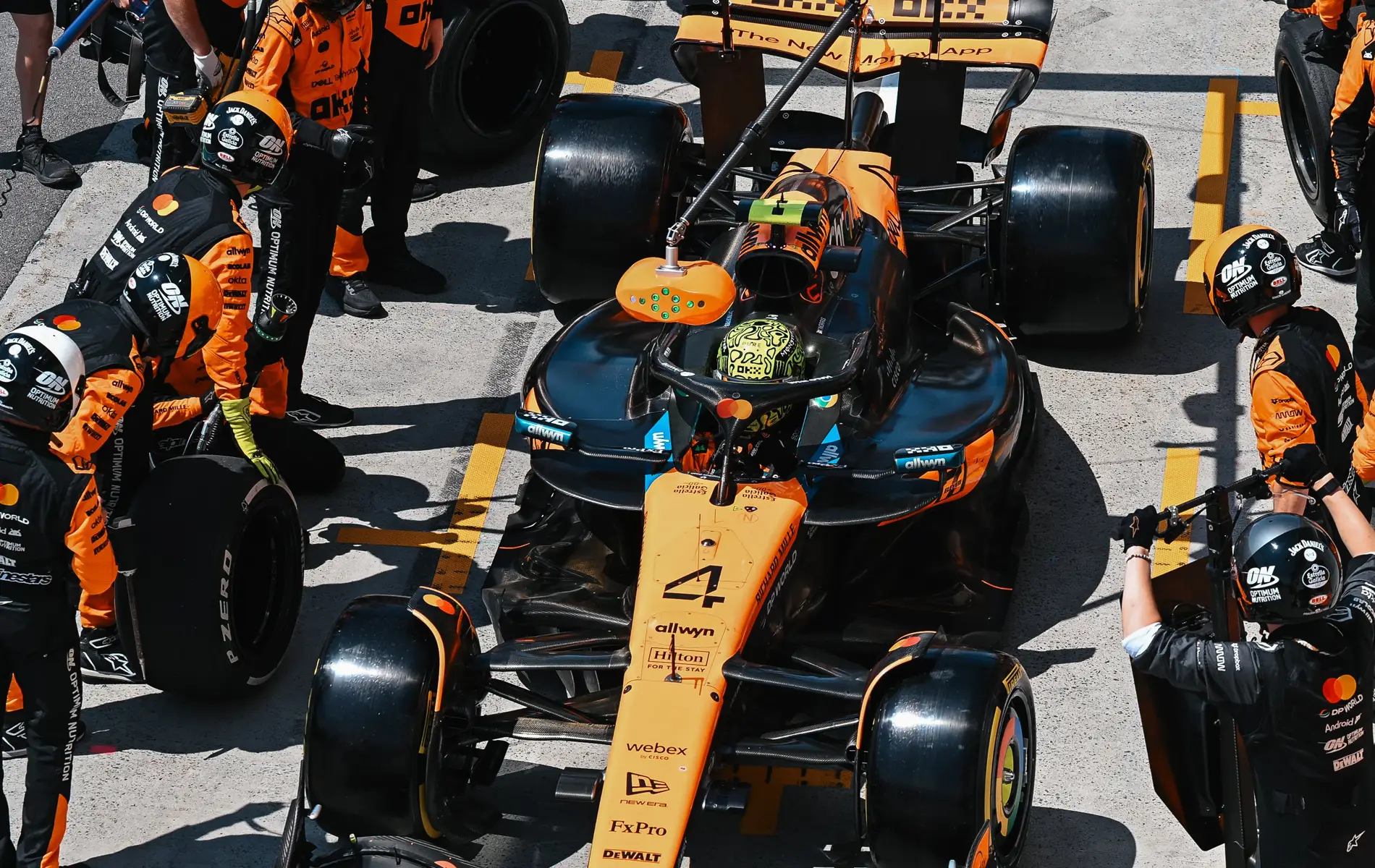
The safety car often forces teams to rethink their race strategy on the spot. When the safety car is deployed, it bunches up the field, erasing any time gaps drivers have built.
This reset can benefit drivers who were trailing, giving them a chance to catch up. It also creates opportunities for pit stops without losing as much track position.
Think about a race where a driver was struggling with tire wear—suddenly, the safety car allows a pit stop that might not have been possible otherwise. Have you noticed how some drivers seem to gain places after a safety car period? That’s strategic timing at work.
Safety Enhancements
The primary purpose of the safety car is to keep everyone safe during dangerous moments on track, like crashes or debris. By leading the pack at a controlled speed, it reduces the risk of further incidents while marshals clear the track.
This controlled pace ensures that medical teams and recovery vehicles can operate safely. It also prevents drivers from racing under unsafe conditions, protecting both the drivers and race officials.
Without the safety car, the risks during accidents would be much higher. It’s a vital tool that enhances safety without completely stopping the race, maintaining excitement while prioritizing protection.
Future Trends In Safety Car Employment
The role of the F1 Safety Car driver is evolving alongside the rapid advancements in motorsport technology and changing industry demands. As Formula 1 continues to push the boundaries of speed and safety, the employment landscape for safety car drivers is also shifting. Understanding these future trends can give you a glimpse into how this unique job might develop and what it means for those interested in the position.
Technological Advances
Technology is reshaping how safety cars operate on the track. Advanced telemetry systems now allow safety car drivers to receive real-time data about race conditions and track hazards. This helps them make quicker decisions to protect drivers and spectators alike.
Self-driving and semi-autonomous vehicle technology could soon play a role in safety car duties. Imagine a future where the safety car is remotely controlled or assisted by AI, reducing the physical demands on the driver. However, human intuition and experience remain critical, especially in unpredictable race scenarios.
As a safety car driver, staying updated with these tech changes will be essential. You might need to learn new skills like monitoring complex data feeds or collaborating with engineers during races.
Potential Salary Changes
With evolving responsibilities and the increasing importance of safety in F1, salary structures for safety car drivers may see adjustments. The role could become more specialized, demanding higher pay to attract top talent.
Factors influencing salary changes include:
- Increased technical knowledge requirements
- Greater risk management responsibilities
- Expanded roles during race weekends beyond just driving
Would you expect the rise of technology to push salaries upward, or could automation reduce the need for high pay? If you want to pursue this career, keeping an eye on industry trends and building relevant skills could boost your earning potential.
Frequently Asked Questions
How Much Does An F1 Safety Car Driver Earn Yearly?
An F1 safety car driver typically earns between $100,000 and $300,000 annually. This depends on experience and the racing team’s budget.
What Factors Influence F1 Safety Car Driver Salary?
Experience, reputation, and contract terms mainly influence their salary. Additionally, sponsorship deals and specific race event participation play roles.
Is Being An F1 Safety Car Driver A Full-time Job?
No, it is often a part-time role. Drivers usually have other racing or driving-related jobs alongside.
Do F1 Safety Car Drivers Get Bonuses Or Incentives?
Yes, some contracts include performance bonuses. These may depend on race outcomes or special event participation.
Conclusion
The F1 safety car driver earns a unique and important salary. This role demands skill, focus, and quick decisions. Pay varies depending on experience and event level. Many may not realize how critical this job is for race safety. It combines passion for racing with responsibility.
Understanding the salary helps appreciate the role’s value. The safety car driver keeps the race fair and safe. It’s a small world behind the scenes but a big impact. This pay reflects the trust and skill needed every race day.