

Have you ever wondered how much your car battery actually weighs? Knowing the weight of your car battery can help you understand its power, make smarter choices when buying a replacement, and even make handling it safer.
Whether you’re a car owner, a DIY enthusiast, or just curious, this simple question can reveal a lot about your vehicle’s performance. Stick with me, and by the end of this article, you’ll know exactly what to expect when it comes to the average weight of car batteries—and why it matters to you.

Credit: www.allelcoelec.com
Average Weight Of Car Batteries
Car batteries are essential for starting your vehicle and powering electrical systems. Knowing their weight helps when handling or replacing them. Car batteries come in different sizes and types, which influence their weight. Understanding the average weight can guide you in choosing the right battery and managing its installation.
Typical Weight Range
The average car battery weighs between 30 and 50 pounds (13 to 23 kilograms). Small cars usually have lighter batteries around 30 pounds. Larger vehicles like trucks and SUVs require batteries weighing closer to 50 pounds. Some heavy-duty batteries can weigh even more, reaching up to 60 pounds.
Factors Affecting Battery Weight
- Battery Type:Lead-acid batteries are heavier than lithium-ion ones.
- Size and Capacity:Higher capacity means more material, resulting in more weight.
- Design:Some batteries have extra features that add weight.
- Materials:The quality and quantity of lead plates impact the total weight.
Credit: www.allelcoelec.com
Types Of Car Batteries
Car batteries come in different types, each with unique features that affect their weight and performance. Understanding these types can help you choose the right battery for your vehicle and driving needs. Let’s look at the most common types and how they differ.
Lead-acid Batteries
Lead-acid batteries are the most traditional and widely used type in cars. They are relatively heavy, usually weighing between 30 to 50 pounds, due to their lead plates and acid solution. Despite their weight, they are affordable and reliable for everyday use.
If you’ve ever had to jump-start a car, you’ve interacted with a lead-acid battery. Their weight contributes to their durability but can impact fuel efficiency slightly because of the added mass.
Agm Batteries
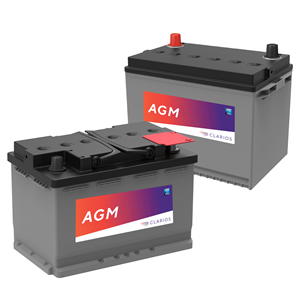
Absorbent Glass Mat (AGM) batteries are a modern upgrade from lead-acid types. They use a glass mat separator that holds the acid in place, making them spill-proof and more vibration-resistant. Typically, AGM batteries weigh a bit less than traditional lead-acid ones, usually around 25 to 40 pounds.
AGM batteries offer better performance in cold weather and provide faster recharging. If you drive a car with start-stop technology, AGM is often the recommended choice.
Lithium-ion Batteries
Lithium-ion batteries are the lightest among car batteries, often weighing just 10 to 15 pounds. They provide high energy density, which means they store more power in a smaller, lighter package. These batteries are becoming popular in electric and hybrid vehicles.
While lithium-ion batteries cost more upfront, their weight reduction can improve your vehicle’s handling and fuel economy. Have you considered how much a lighter battery could change your driving experience?
Weight Differences By Vehicle Type
Car batteries vary in weight depending on the type of vehicle they power. The size and power needs of the vehicle influence battery weight significantly. Smaller vehicles require lighter batteries, while larger vehicles need heavier ones. Understanding these weight differences helps in choosing the right battery for your vehicle.
Compact Cars
Compact cars have smaller engines and fewer electrical components. Their batteries weigh between 25 to 35 pounds. These batteries are lighter to save space and improve fuel efficiency. Compact car batteries are easy to handle and replace.
Sedans And Suvs
Sedans and SUVs require more power for additional features and larger engines. Their batteries usually weigh from 35 to 50 pounds. These batteries provide more capacity and longer life. SUVs often need stronger batteries to support all their electronics.
Trucks And Heavy Vehicles
Trucks and heavy vehicles demand the most power. Their batteries weigh between 50 to 80 pounds or more. These batteries are built to handle tough conditions and heavy loads. They last longer and offer high cold-cranking amps for strong starts.

Credit: www.en-plustech.com
Impact Of Battery Weight On Vehicle Performance
The weight of your car battery plays a significant role in how your vehicle performs on the road. It’s not just about powering your engine or electronics; the battery’s mass influences several aspects of driving experience. Understanding this impact can help you make smarter choices when selecting or replacing your battery.
Fuel Efficiency
Heavier batteries add extra weight to your vehicle, which means your engine has to work harder to move the car. This extra effort directly affects fuel consumption. You might notice your fuel gauge dropping faster if your battery is significantly heavier than the original one.
Think about a time you loaded your car with heavy gear—did you feel the engine strain more? The same principle applies with battery weight. Lighter batteries can help improve fuel efficiency by reducing the overall load.
Handling And Balance
The battery’s weight also influences how your car handles corners and maintains balance. A heavy battery placed in the wrong spot can shift your vehicle’s center of gravity. This shift might make your car feel less stable during sharp turns or sudden maneuvers.
Have you ever driven a car that felt “off” or harder to steer? Sometimes, a poorly balanced battery is the culprit. Choosing a battery that fits your car’s design helps keep handling sharp and predictable.
Tips For Handling And Replacing Car Batteries
Car batteries usually weigh between 30 and 50 pounds. Knowing the weight helps when lifting or replacing them safely. Always handle with care to avoid injury or damage.
Replacing a car battery involves several important steps. These steps ensure safety and efficiency. Car batteries are heavy and contain chemicals. Handling them requires care. Below are some tips for managing and replacing your car battery safely and responsibly.Safety Precautions
Before you start, wear protective gloves and goggles. Ensure the car is turned off. Keep all metal objects away from the battery terminals. This prevents accidental short-circuits. Use insulated tools to reduce the risk of electric shock. Work in a well-ventilated area to avoid inhaling any fumes.Proper Disposal And Recycling
Dispose of old batteries at designated recycling centers. Batteries contain harmful chemicals. Improper disposal can harm the environment. Many auto shops offer recycling services. You might even receive a small rebate. Check local regulations for specific disposal guidelines. Always prioritize recycling over disposal.Future Trends In Car Battery Weight
The future of car battery weight is changing fast. New technology and materials aim to make batteries lighter and more efficient. This shift could improve vehicle performance and fuel economy. Lighter batteries also help electric cars travel farther on a single charge.
Advancements In Battery Technology
Battery makers focus on improving energy density. This means storing more power in smaller, lighter packs. Solid-state batteries are a key development. They use solid electrolytes instead of liquid, reducing weight and increasing safety.
Other new chemistries promise lighter designs with longer life. These improvements reduce the need for heavy metal components. As a result, car batteries will weigh less without losing power.
Lightweight Materials
Car manufacturers explore lightweight materials for battery casings and parts. Carbon fiber and aluminum are popular choices. These materials cut down weight while keeping strength and durability.
Using lighter materials lowers the overall battery mass. This helps improve the car’s handling and efficiency. The trend toward lightweight materials supports the push for greener, more fuel-efficient vehicles.
Frequently Asked Questions
How Much Does An Average Car Battery Weigh?
An average car battery weighs between 30 to 50 pounds. The weight varies by battery type and size. Most standard batteries fall within this range, balancing power and portability.
What Factors Influence Car Battery Weight?
Battery size, type, and capacity mainly influence its weight. Lead-acid batteries are heavier than lithium-ion ones. Higher capacity batteries generally weigh more due to extra materials.
Does Car Battery Weight Affect Vehicle Performance?
Yes, heavier batteries can slightly reduce fuel efficiency. However, the impact is minimal for most passenger cars. Weight distribution also plays a role in overall vehicle balance.
How To Safely Handle A Heavy Car Battery?
Always wear protective gloves and lift with your legs. Avoid dropping the battery to prevent damage and acid leaks. Use a battery carrier if available for easier handling.
Conclusion
Car batteries usually weigh between 30 and 50 pounds. The exact weight depends on the battery type and size. Knowing the weight helps when handling or replacing the battery. Heavier batteries often last longer but can be harder to carry.
Always check your car’s manual for the right battery size. Proper weight balance keeps your car safe and efficient. Understanding battery weight makes maintenance easier and safer for you. Keep this in mind when buying or changing your car battery.
It helps you make the best choice for your vehicle.