

Have you ever wondered how much an Indy Car driver makes? If you’re curious about the earnings behind the speed and thrill, you’re in the right place.
Whether you dream of racing yourself or just want to know what’s at stake in this high-speed sport, understanding a driver’s income can surprise you. Keep reading to discover the real numbers, what affects their pay, and how your favorite drivers stack up.
This insight might change the way you see the world of Indy Car racing forever.
Credit: www.indycar.com
Indycar Driver Salary Range
IndyCar drivers earn different amounts based on many factors. Their pay depends on experience, team, and race results. Understanding the salary range helps fans see how drivers get paid.
This guide explains base salaries and how pay changes with experience and team size. You will learn what IndyCar drivers typically earn each year.
Base Salaries Explained
Most IndyCar drivers have a base salary set by their team. This amount is fixed for the season. Bonuses for wins or points come on top of this base pay.
| Salary Type | Details | Typical Range |
|---|---|---|
| Rookie Base Salary | New drivers starting out in IndyCar | $100,000 – $300,000 |
| Experienced Driver Salary | Drivers with a few seasons of experience | $400,000 – $1,000,000 |
| Top Driver Salary | Champions and well-known drivers | $1,000,000 – $4,000,000+ |
Variations By Experience And Team
Driver pay varies a lot by experience and the team they join. Bigger teams pay more, but competition for seats is high. New drivers earn less but can grow fast.
- New drivers often start with smaller teams and lower pay.
- Experienced drivers get bigger contracts with mid-level teams.
- Top teams pay the highest salaries to attract star drivers.
- Winning races and sponsors also boost driver income.
Prize Money And Bonuses
IndyCar drivers earn money from race winnings and bonuses. These payments add to their base salary.
Prize money and bonuses reward drivers for their skills and finishing positions in races.
Race Winnings
Race winnings are cash prizes drivers get for finishing well in races. The better the place, the more money they earn.
Big races offer higher prize money. Drivers try hard to finish in top spots to win these rewards.
- Winning a race can earn tens of thousands of dollars.
- Top five finishers usually get the largest shares of prize money.
- Smaller races offer less prize money but still add to income.
Performance Incentives
Teams give drivers bonuses based on their race performance and season results. These incentives encourage better racing.
Performance incentives include bonuses for pole positions, laps led, and final championship standings.
- Bonus for starting a race in first place (pole position).
- Extra money for leading the most laps in a race.
- End-of-season bonuses for high championship rankings.
- Special awards for consistent top finishes.
Sponsorship Deals Impact
Indy car drivers earn money from many sources. Sponsorship deals play a big role in their income. These deals help drivers pay for racing costs and boost their total earnings.
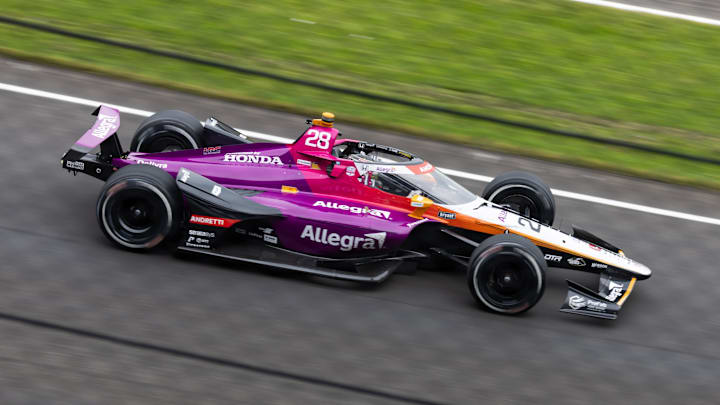
Sponsors want their logos on cars and gear. This visibility helps sponsors sell products. Drivers get paid for showing these logos at races and events.
Major Sponsor Contributions
Big sponsors provide most of the money for drivers. They often sign contracts worth millions of dollars. This money covers racing fees and driver salaries.
Major sponsors also pay for team expenses. This support makes it possible for drivers to focus on racing. Without these deals, many drivers could not compete.
- Funding for race cars and equipment
- Payment for driver salaries
- Covering travel and team costs
- Advertising on cars and uniforms
Personal Endorsements
Drivers also earn money from personal endorsement deals. These are separate from team sponsorships. Companies pay drivers to promote products directly.
Endorsements can include ads, social media posts, and appearances. They help drivers increase their earnings beyond racing. Popular drivers can make millions from endorsements.
- Advertising products in commercials
- Posting on social media platforms
- Attending public events and signings
- Using products during interviews or races
Credit: beyondtheflag.com
Comparing Earnings To Other Motorsports
IndyCar drivers earn money from salaries and prize winnings. Their pay varies widely based on skill and popularity. Comparing their earnings to other motorsports helps understand their financial position.
This article looks at how IndyCar driver pay stacks up against Formula 1 and NASCAR drivers. The differences come from the sport’s size, audience, and sponsorship deals.
Formula 1 Vs Indycar
Formula 1 drivers usually make more money than IndyCar drivers. This is due to bigger global audiences and larger sponsorship deals. Top F1 stars can earn tens of millions yearly.
| Category | Formula 1 | IndyCar |
| Average Salary | $5 million | $1 million |
| Top Driver Salary | $50 million+ | $5 million |
| Prize Money | Smaller portion | Larger portion |
| Sponsorship Deals | Very large | Moderate |
IndyCar drivers rely more on prize money and bonuses. Formula 1 pays more fixed salaries and has bigger endorsement deals. The competition in F1 is global, while IndyCar is mostly in the US.
Nascar Vs Indycar
NASCAR drivers earn amounts closer to IndyCar drivers but with some differences. NASCAR has a bigger fan base in the US and many races. This leads to different pay structures.
- Top NASCAR drivers earn $10 million or more per year.
- IndyCar top drivers make up to $5 million annually.
- NASCAR prize money is usually lower than IndyCar.
- Sponsorships in NASCAR are strong due to TV ratings.
- IndyCar drivers get bonuses from race wins and series points.
Both NASCAR and IndyCar offer good pay but the path to earn more varies. NASCAR depends more on endorsements, while IndyCar rewards race results.
Factors Influencing Indycar Income
IndyCar drivers earn different salaries based on many factors. Their income depends on more than just race wins.
Understanding these factors helps explain why some drivers make more money than others.
Team Budget And Marketability
Teams with bigger budgets can pay drivers higher salaries. Richer teams have more sponsors and resources.
Marketability also affects income. Drivers who attract sponsors bring more money to the team.
- Top teams offer larger paychecks
- Drivers with sponsor deals earn bonuses
- Teams invest in drivers who sell merchandise
Driver Popularity And Media Presence
Popular drivers often earn more through endorsements and media deals. Fans boost their value.
Drivers active on social media get more attention. Media presence helps secure extra income.
- High fan following increases sponsorship offers
- Media coverage raises driver profile
- Social media helps connect with fans and brands
Credit: frontstretch.com
Financial Challenges For Drivers
Indy Car drivers face many financial challenges. These challenges can impact their careers and lives. Understanding these issues helps fans see the sport’s reality.
Drivers need to manage costs and find sponsors. This is vital for their success on the track.
Costs Of Participation
Racing in Indy Car is expensive. Drivers must cover many costs to compete. These costs can be hard to manage without support.
Expenses include car maintenance, travel, and team salaries. Keeping up with these expenses is a constant challenge for drivers.
- Car maintenance costs can be high
- Travel expenses add up quickly
- Team salaries are necessary
Sponsorship Dependency
Sponsorships are crucial for Indy Car drivers. Without sponsors, many drivers cannot afford to race. Sponsorship money helps cover costs and keeps drivers on the track.
Finding sponsors is not easy. Drivers must constantly seek new deals and maintain good relationships with current sponsors.
- Sponsors help cover racing expenses
- Drivers need strong sponsor relationships
- Finding sponsors is a continuous effort
Future Trends In Indycar Earnings
IndyCar racing is gaining fans worldwide. The earnings of drivers are changing too. Let’s explore the future trends in their salaries.
As the sport grows, drivers might earn more. We will look at factors that could boost their income.
Growing Popularity And Revenue
IndyCar is becoming more popular. This means more money from sponsors and ticket sales. More fans mean more events and bigger races.
With increased viewership, sponsors pay more to be part of the action. This can increase the overall revenue for the sport.
- Bigger audiences at events
- Higher TV viewership
- More sponsorship deals
Potential Salary Increases
As revenue grows, so do driver salaries. Teams might have more money to offer bigger contracts.
New sponsorships can lead to bonuses for drivers. They could earn more for winning races or securing top positions.
- Bigger contracts from teams
- Performance-based bonuses
- Incentives for podium finishes
Frequently Asked Questions
How Much Does An Indycar Driver Earn Annually?
An IndyCar driver’s annual salary ranges from $150,000 to over $3 million. Top drivers earn more through endorsements and prize money.
What Factors Affect Indycar Driver Salaries?
Salaries depend on experience, team budget, sponsorship deals, and race performance. Successful drivers with strong sponsors earn higher pay.
Do Indycar Drivers Earn Money From Endorsements?
Yes, endorsements and sponsorships significantly boost an IndyCar driver’s income. Popular drivers attract major brand deals and advertising contracts.
How Does Prize Money Impact Indycar Driver Income?
Prize money adds to drivers’ earnings, especially for race winners. It can substantially increase their overall annual income.
Conclusion
Indy car drivers earn varying amounts depending on experience and success. Top drivers make millions, while rookies earn less. Sponsorships and winnings add to their income. Racing is tough and requires skill and dedication. Many drivers start young and work hard for years.
The money can be good, but the risks are high. Passion drives most drivers more than money. Racing fans enjoy watching these skilled athletes compete. Understanding a driver’s pay gives insight into this exciting sport.