
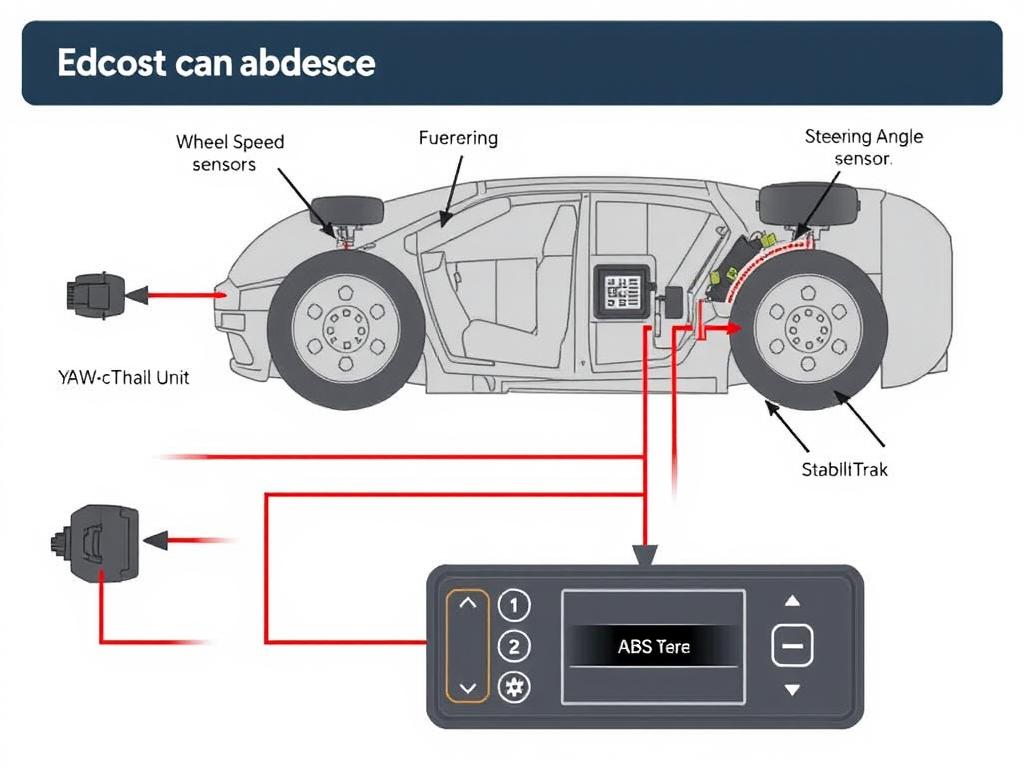
Have you ever wondered how your car knows how fast each wheel is spinning? The answer lies in a small but powerful component called the wheel speed sensor.
But how many of these sensors does your car actually have? Knowing this can help you understand how your vehicle’s safety features work and why they sometimes need attention. You’ll discover exactly how many wheel speed sensors are on a typical car and why they matter to your driving experience.
Keep reading—you might be surprised at what these tiny sensors do for your safety and performance.
Wheel Speed Sensor Basics
Understanding the basics of wheel speed sensors is key to grasping how your car maintains safety and performance. These small devices play a big role in monitoring your vehicle’s speed at each wheel, feeding crucial data to various systems. Let’s break down what they do and the different types you might find on your car.
What Wheel Speed Sensors Do
Wheel speed sensors measure the rotational speed of each wheel. This data helps your car’s computer systems, like ABS (Anti-lock Braking System) and traction control, make quick decisions to keep you safe. Without accurate speed readings, these systems can’t function properly.
Think about the last time you had to brake suddenly on a slippery road. Your ABS likely prevented the wheels from locking up, allowing you to maintain control. This was possible because the wheel speed sensors detected the change in wheel speed instantly.
Types Of Wheel Speed Sensors
There are mainly two types of wheel speed sensors used in cars:
- Magnetic (Passive) Sensors:These generate a voltage signal based on the wheel’s rotation. They are simple, reliable, and often found in older vehicles.
- Hall Effect (Active) Sensors:These use an electronic circuit to send a signal to the car’s computer. They are more precise and common in modern vehicles.
Each type has its advantages and works differently, but both serve the same critical purpose. Do you know which type your car uses? Checking this can help you understand your vehicle’s maintenance needs better.

Credit: www.instagram.com
Typical Number Of Sensors On Cars
Wheel speed sensors play a key role in car safety and performance systems. They track the rotation speed of each wheel to help control braking, traction, and stability. Knowing how many sensors a car has helps understand how these systems work together. The typical number of wheel speed sensors depends on the car’s design and features.
Standard Sensor Configuration
Most cars come with four wheel speed sensors. Each sensor is placed on one wheel. This setup gives accurate data for systems like ABS (Anti-lock Braking System) and ESC (Electronic Stability Control). Four sensors help monitor each wheel’s speed individually. This allows the car to adjust braking power or traction on any wheel as needed.
Some older or basic models may have fewer sensors. For example, some might only have sensors on the front wheels. This limits the control but still offers basic safety functions. Newer cars almost always have four sensors for full coverage.
Variations By Vehicle Type
Different vehicles may have different sensor numbers. Larger vehicles like trucks or SUVs often use more sensors. Some may have sensors on dual rear wheels or extra wheels. This helps manage heavier loads and tougher driving conditions.
Electric and hybrid cars also use four sensors typically. Some advanced models add extra sensors for better precision. Sports cars may include sensors with higher sensitivity to improve handling. Meanwhile, commercial vehicles might use specialized sensors for monitoring tire pressure and wheel alignment along with speed.
Sensor Locations On Vehicles
Wheel speed sensors are crucial for modern vehicles, providing essential data for safety systems like ABS and traction control. Understanding their locations can be a game-changer when troubleshooting or upgrading your car’s technology. So, where exactly are these sensors located?
Front Wheel Sensors
The front wheel sensors are typically positioned near the wheel hubs. They are often placed behind the brake rotors, making them relatively easy to access. This strategic location helps monitor the rotational speed of each front wheel. Ever had your ABS light pop on unexpectedly? It might be worth checking these sensors for dirt or damage. With easy access, you can quickly ensure they’re clean and functioning well.
Rear Wheel Sensors
Rear wheel sensors tend to be tucked away, often located near the axle or the rear differential. Unlike their front counterparts, accessing these can be a bit more challenging due to their location. If you’ve ever had issues with your traction control, the rear sensors might be the culprits. They play a significant role in ensuring your vehicle maintains grip, especially in slippery conditions.
Sensors On All-wheel Drive Cars
All-wheel drive cars have the added complexity of sensors on all four wheels. This setup allows for precise monitoring of each wheel’s speed, enhancing stability and performance. Have you noticed how smoothly your AWD vehicle handles corners? That’s thanks to these sensors working overtime. They provide real-time data to adjust power distribution, ensuring optimal control and safety.
Role In Vehicle Safety Systems
Wheel speed sensors play a crucial role in keeping your vehicle safe on the road. These sensors monitor the rotational speed of each wheel and send this data to various safety systems. Without accurate wheel speed information, systems designed to protect you during sudden stops or slippery conditions wouldn’t function properly.
Anti-lock Braking System (abs)
The ABS uses wheel speed sensors to detect when a wheel is about to lock up during braking. If a sensor signals that a wheel is slowing down too quickly, the system reduces brake pressure to that wheel. This prevents skidding and helps you maintain steering control.
Imagine driving on a wet road and suddenly braking hard. Without ABS, your wheels might lock and cause you to lose control. Thanks to the sensors, ABS adjusts braking instantly, helping you stop safely without sliding.
Traction Control System (tcs)
Traction Control also relies on wheel speed sensors to monitor wheel spin during acceleration. If the sensors detect one wheel spinning faster than the others, the system reduces engine power or applies brakes to that wheel. This keeps your car stable and prevents you from losing grip on slippery surfaces.
Have you ever felt your car slip a bit when accelerating on ice or gravel? That’s when TCS kicks in, using sensor data to correct the slip. It’s like having an extra set of eyes watching your wheels to keep your drive smooth and safe.
Signs Of Faulty Wheel Speed Sensors
Wheel speed sensors play a key role in vehicle safety. These sensors monitor each wheel’s speed and send data to the car’s computer. Faulty sensors can cause problems that affect driving safety. Recognizing signs of sensor failure helps prevent accidents and costly repairs.
Warning Lights On Dashboard
One clear sign of a bad wheel speed sensor is a warning light on the dashboard. The ABS (Anti-lock Braking System) light or the traction control light may turn on. These lights indicate the car detects an issue with wheel speed data. Ignoring these warnings can lead to bigger problems with braking systems.
Braking And Handling Issues
A faulty sensor often causes braking problems. The brakes may feel less responsive or uneven. The car might pull to one side during braking. Handling can feel unstable, especially on slippery roads. These symptoms happen because the ABS or traction control systems cannot work properly without accurate wheel speed data.
Sensor Maintenance And Replacement
Keeping your wheel speed sensors in good shape is crucial for your car’s safety systems, like ABS and traction control, to work properly. Sensors can wear out or get damaged over time, affecting your vehicle’s performance and triggering warning lights. Knowing how to maintain and replace them can save you from unexpected breakdowns and costly repairs.
Common Causes Of Sensor Failure
Wheel speed sensors face a lot of tough conditions. Dirt, mud, and road salt can build up around the sensor, causing it to malfunction. Physical damage from road debris or accidental impacts is another frequent issue.
Wiring problems, such as frayed wires or loose connections, can interrupt the sensor’s signal. Over time, exposure to heat and moisture also leads to sensor corrosion. Have you checked your sensors for any visible signs of damage or wear recently?
Steps For Sensor Replacement
Replacing a wheel speed sensor is manageable with basic tools and some patience. First, locate the faulty sensor—usually near each wheel hub or brake assembly.
Start by safely lifting your car and removing the wheel. Disconnect the sensor’s electrical connector carefully to avoid damaging the wiring. Next, remove any screws or clips holding the sensor in place, then gently pull it out.
Install the new sensor by reversing the removal steps. Make sure it’s seated properly and reconnect the wiring securely. Once done, test your car to ensure the sensor is working and the warning light has turned off. Have you ever tried replacing a sensor yourself? It’s easier than many people think and can give you a real sense of accomplishment.
Advanced Sensor Technologies
Advanced sensor technologies have transformed how cars detect wheel speed, improving safety and performance. These sensors provide critical data for systems like ABS and traction control, helping your vehicle respond quickly and accurately. Understanding the types of sensors and how they connect with your car’s electronics can help you appreciate the complexity under the hood.
Magnetic Vs. Hall Effect Sensors
Magnetic sensors detect wheel speed by sensing changes in a magnetic field caused by a rotating toothed ring. They are reliable and work well in harsh environments but can struggle with very low speeds.
Hall effect sensors, on the other hand, measure the voltage generated by a magnetic field as the wheel spins. They offer better accuracy at low speeds and can detect direction, which is useful for advanced vehicle control.
- Magnetic sensors are simple and durable.
- Hall effect sensors provide more precise data.
- Your car might use either or even both types depending on its design.
Integration With Vehicle Electronics
Wheel speed sensors don’t work alone—they feed data into your car’s central computer systems. This integration allows real-time adjustments to braking, stability control, and engine management.
Modern vehicles use complex networks like CAN bus to share sensor information quickly across multiple systems. This means your car can instantly react to changes in road conditions or wheel slip, improving safety and handling.
Have you ever wondered how your car knows exactly when to prevent a skid? It’s this seamless sensor integration making it possible.

Credit: www.facebook.com

Credit: www.underhoodservice.com
Frequently Asked Questions
How Many Wheel Speed Sensors Does A Car Have?
Most cars have four wheel speed sensors, one on each wheel. These sensors monitor wheel rotation and provide data for ABS and traction control systems, ensuring safe driving and effective braking.
Why Are Wheel Speed Sensors Important In Cars?
Wheel speed sensors detect wheel rotation speed, aiding ABS and stability control. They help prevent skidding, improve braking efficiency, and enhance vehicle safety during sudden stops or slippery conditions.
Can A Car Function Without Wheel Speed Sensors?
A car can run without wheel speed sensors, but safety systems like ABS and traction control will be disabled. This increases the risk of accidents, especially in adverse driving conditions.
Where Are Wheel Speed Sensors Located On A Car?
Wheel speed sensors are typically located near each wheel hub or brake rotor. They read the rotational speed of the wheels and send this information to the vehicle’s control systems.
Conclusion
Most cars have four wheel speed sensors, one on each wheel. These sensors help the car’s safety systems work properly. They send information about wheel speed to the car’s computer. This data keeps your brakes and traction control running smoothly.
If a sensor fails, you may notice warning lights or poor vehicle control. Regular checks help keep sensors in good shape. Knowing about these sensors can help you understand your car better. It’s a small part but very important for safe driving.
Simple and effective.