
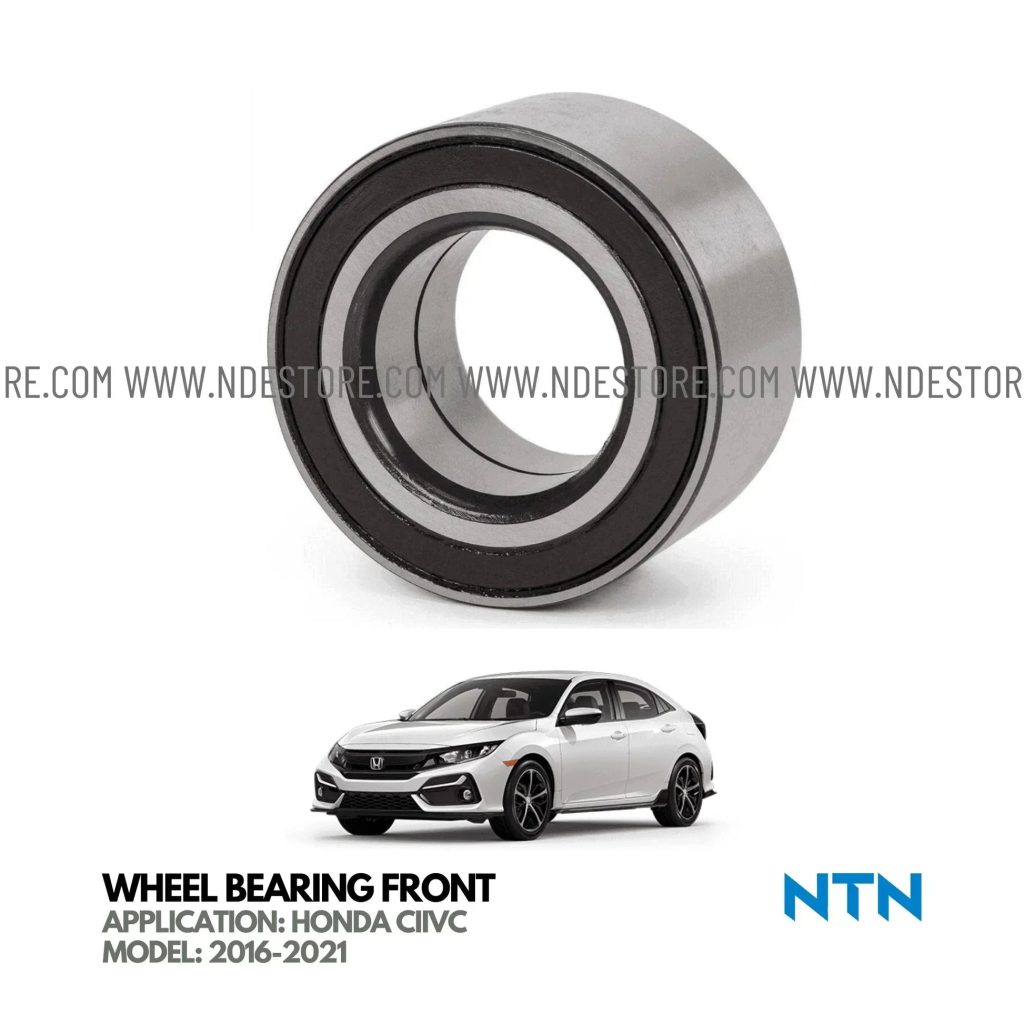
Have you ever wondered how many wheel bearings your car has? These small but mighty parts play a crucial role in keeping your vehicle running smoothly and safely.
If you’ve noticed strange noises or a rough ride, understanding wheel bearings could save you time and money. You’ll discover exactly how many wheel bearings are on your car and why they matter. Keep reading to learn what every car owner should know to protect their investment and stay safe on the road.
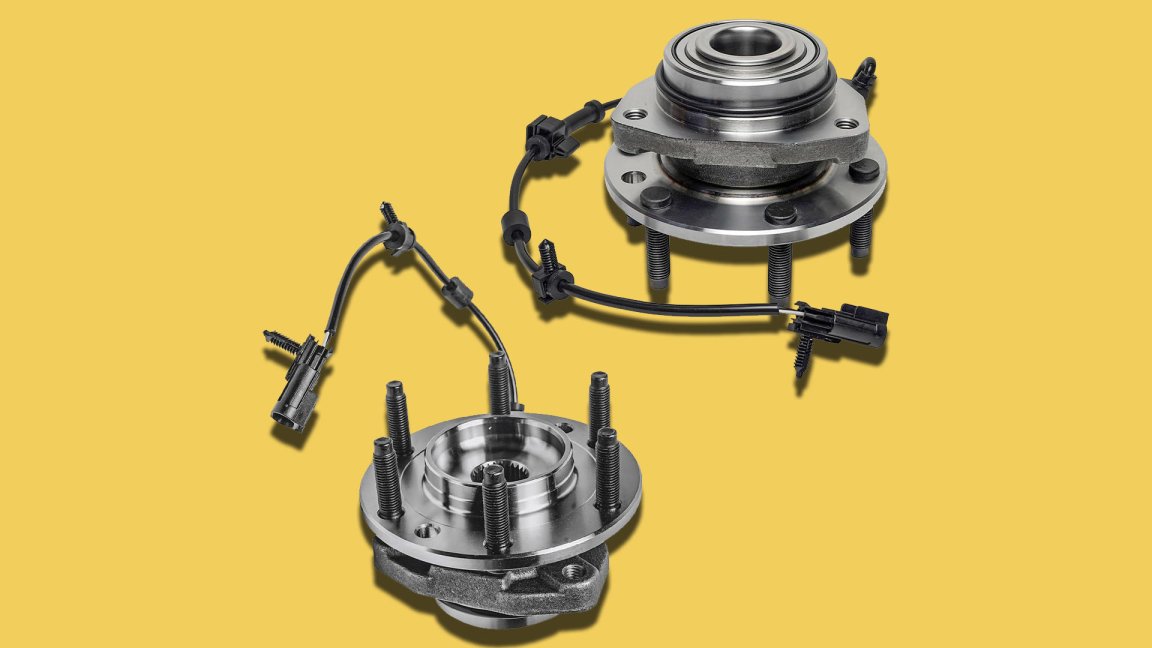
Credit: www.thedrive.com
Wheel Bearings Basics
Wheel bearings are small parts that help your car’s wheels turn smoothly. They reduce friction and support the wheel’s weight. Without wheel bearings, driving would be noisy and rough. These parts are hidden inside the wheel hub and need to be strong and durable. Understanding wheel bearings helps you know why your car runs quietly and safely.
Purpose Of Wheel Bearings
Wheel bearings allow the wheels to spin freely. They carry the car’s weight and help the wheels rotate with little friction. Bearings also keep the wheel in place, preventing it from wobbling. They support forces from acceleration, braking, and cornering. Good wheel bearings improve ride comfort and vehicle control.
Types Of Wheel Bearings
There are two main types of wheel bearings:
- Ball Bearings:Use small metal balls to reduce friction. Common in older or smaller vehicles.
- Roller Bearings:Use cylindrical rollers. They handle heavier loads and last longer.
Some modern cars use sealed bearing units. These need less maintenance and protect against dirt and water. Knowing the type helps in choosing the right replacement part.
Number Of Wheel Bearings On Cars
Understanding the number of wheel bearings on your car is key to maintaining smooth and safe rides. Wheel bearings allow your wheels to spin freely while supporting the vehicle’s weight. But did you know the count of these bearings can differ based on your car’s design and drivetrain?
Standard Passenger Vehicles
Most standard passenger cars have four wheel bearings—one for each wheel. These bearings are usually sealed units that require little to no maintenance during their lifespan.
Each bearing sits inside the wheel hub, ensuring the wheel rotates smoothly with minimal friction. If you’ve ever noticed a humming noise or vibration while driving, it might signal a worn wheel bearing needing your attention.
All-wheel Drive And Four-wheel Drive Variations
All-wheel drive (AWD) and four-wheel drive (4WD) vehicles often have more complex setups. Besides the four wheel bearings, these systems may include additional bearings in the drivetrain components like the transfer case and differentials.
This means you’re not just dealing with the wheel bearings but other bearings that handle torque distribution to all wheels. Have you checked whether your AWD or 4WD needs special attention to these extra bearings during routine maintenance?
Signs Of Worn Wheel Bearings
Wheel bearings are crucial for smooth vehicle movement. They help the wheels spin freely without friction. Over time, these bearings wear out and cause issues. Knowing the signs of worn wheel bearings can prevent bigger problems and keep you safe on the road.
Common Symptoms
- A humming or grinding noise from the wheels while driving
- Uneven tire wear that does not improve with rotation
- Steering feels loose or less responsive than usual
- Vibration in the steering wheel or vehicle body
- Wheel wobbling or looseness when the car is lifted
Safety Concerns
Worn wheel bearings can lead to dangerous driving conditions. They may cause wheel failure or loss of control. This increases the risk of accidents. Driving with bad bearings can also damage other parts of the vehicle. Early detection and replacement improve safety significantly.

Credit: www.carparts.com
Replacing Wheel Bearings
Most cars have four wheel bearings, one for each wheel. These bearings help wheels spin smoothly and safely. Replacing worn bearings keeps your ride steady and prevents noise or damage.
Replacing wheel bearings is crucial for maintaining vehicle safety and performance. Worn-out bearings can lead to noise, vibrations, and even accidents. Regular checks and timely replacements ensure smooth rides and prevent damage to other parts. Understanding the signs that indicate replacement is vital for every car owner.When To Replace
Wheel bearings wear out over time. Listening for unusual sounds helps spot issues early. Grinding or humming noises from the wheels suggest bearing problems. Difficulty steering or excessive vibrations are warning signs. Regular inspections by a mechanic can help catch these problems early. Replacing bearings at the first sign of trouble saves money and enhances safety.Diy Vs Professional Service
Some car owners prefer DIY for wheel bearing replacement. It saves money but requires skill and tools. Using a manual or online video guides can help. Safety is crucial, so always use quality parts. For those lacking experience, professional service is advisable. Mechanics have the expertise and tools needed. They ensure the job is done right, reducing future risks. Choosing professional service may cost more but guarantees peace of mind.Maintaining Wheel Bearings
Maintaining wheel bearings is essential for your car’s safety and smooth performance. Neglecting them can lead to noise, uneven tire wear, or even dangerous driving conditions. You don’t need to be a mechanic to keep them in good shape; simple habits can extend their life significantly.
Lubrication Tips
Wheel bearings need proper lubrication to reduce friction and prevent overheating. If your car has serviceable bearings, use high-quality grease designed specifically for wheel bearings. Avoid using regular grease as it may not withstand high temperatures and pressure.
Apply grease evenly around the bearing and make sure it penetrates all the rollers inside. Too little grease causes wear, while too much can trap dirt and moisture. If you’ve ever heard a grinding noise or felt roughness when turning, it might be time to check your lubrication.
Regular Inspection
Checking your wheel bearings regularly can catch problems before they become serious. Look for signs like unusual noises, vibrations, or play in the wheel when you shake it by hand. These are early warnings that your bearings may need attention.
During inspections, also check the seals around the bearings. Damaged seals let dirt and water in, which can ruin the bearing quickly. Ask yourself: when was the last time you inspected your wheel bearings? Making it part of your routine could save you from costly repairs.

Credit: www.amazon.com
Impact On Vehicle Performance
The number and condition of wheel bearings directly affect how your car performs on the road. These small but crucial components handle the load and allow the wheels to spin smoothly. Understanding their impact helps you maintain better control and efficiency in your vehicle.
Handling And Stability
Wheel bearings support the wheel’s rotation while keeping it firmly attached to the car. If a bearing wears out or fails, you might notice wobbling or uneven tire wear.
This instability can make steering feel loose or unpredictable, especially at higher speeds. Have you ever felt your car pull to one side without obvious reasons? A faulty wheel bearing might be the cause.
Good bearings ensure your wheels stay aligned and responsive, which improves your ability to handle tight turns and sudden stops safely.
Fuel Efficiency
Friction in worn or damaged wheel bearings forces your engine to work harder. This extra effort translates into higher fuel consumption over time.
Think about it: if your wheels don’t spin freely, your car uses more energy to move forward. Even a slight increase in resistance can lower your miles per gallon.
Regularly checking and replacing bad wheel bearings can save you money at the pump and reduce wear on other parts of your drivetrain.
Frequently Asked Questions
How Many Wheel Bearings Does A Typical Car Have?
Most cars have four wheel bearings, one for each wheel. Some vehicles with rear-wheel drive may have additional bearings. Bearings allow wheels to rotate smoothly and support the vehicle’s weight.
Where Are Wheel Bearings Located On A Car?
Wheel bearings are located inside the wheel hub assembly. They sit between the axle and the wheel. This placement helps reduce friction and supports wheel rotation.
Can A Car Run With A Bad Wheel Bearing?
Yes, but it’s unsafe and can cause damage. A bad bearing creates noise, vibration, and affects steering. It’s important to replace it promptly to ensure safety.
How Do I Know If My Wheel Bearings Need Replacing?
Signs include grinding noise, wheel wobble, and uneven tire wear. You might feel vibration or steering issues. Regular inspections can detect worn bearings early.
Conclusion
Most cars have four wheel bearings, one at each wheel. Some vehicles may have extra bearings, depending on design. These parts help wheels turn smoothly and safely. Keeping wheel bearings in good shape improves driving comfort. Regular checks can prevent costly repairs later.
Knowing how many bearings your car has helps with maintenance. Simple care goes a long way in vehicle safety. Remember, healthy wheel bearings mean a safer ride.