

Are you ready to give your car a fresh new look but unsure how many spray cans you’ll need? Painting a car might seem simple, but guessing the right amount of paint can be tricky.
Too few cans, and you risk running out halfway through. Too many, and you waste money and materials. In this guide, you’ll discover the exact number of spray cans needed to cover your car perfectly. Stick with me, and by the end, you’ll feel confident to start your painting project without any guesswork or surprises.
Factors Affecting Spray Can Usage
Estimating the number of spray cans needed to paint a car depends on several key factors. These elements influence how much paint you use and how many cans you should buy. Understanding these factors helps avoid running out of paint mid-job or buying too many cans.
Each car and paint job is different. Paying attention to these details makes the process smoother and more efficient.
Car Size And Surface Area
The size of the car is the main factor in paint quantity. Larger cars have more surface area, needing more paint. Small cars or compact models require fewer cans. Also, consider curves and details that may need extra paint coverage.
Type Of Paint And Finish
Different paints cover surfaces differently. Glossy paints usually need fewer coats but can be thicker. Matte or textured finishes may need more paint for even coverage. Some spray cans have higher coverage per can than others, depending on the brand and type.
Number Of Coats Needed
The number of paint layers affects how many cans to buy. Primer, base color, and clear coat all add to usage. Usually, two or three coats are needed for good results. More coats mean more paint cans, so plan accordingly.

Credit: www.youtube.com
Calculating Paint Requirements
Calculating paint requirements for a car is key to a smooth painting project. Knowing the right amount of spray paint helps avoid waste and saves money. It also ensures even coverage and a great finish.
Measuring Your Car
Start by measuring the main surfaces of your car. Focus on the doors, hood, roof, trunk, and bumpers. Use a tape measure to find the length and height of each part. Multiply these numbers to get the area in square feet.
For example, a door might be 4 feet wide and 3 feet tall. That means 12 square feet of paint is needed for one door. Add all areas together for the total surface size.
Estimating Coverage Per Can
Check the spray can label for coverage details. Most cans cover about 20 square feet. Coverage depends on paint thickness and spray technique. One can usually covers one or two car parts.
Divide the total car surface area by the coverage per can. This gives the number of cans needed. Always add 10% extra to cover mistakes or extra coats.
Adjusting For Primer And Clear Coat
Remember, primer and clear coat require more cans. Primer seals the surface and helps paint stick. Clear coat protects paint and adds shine. Both need multiple thin layers.
Estimate primer and clear coat cans separately. Use the same area and coverage calculations. Add these cans to the base paint cans for a full count.
Choosing The Right Spray Paint
Choosing the right spray paint depends on the car’s size and color. Generally, painting a full car may require 20 to 30 cans.
Choosing the right spray paint for your car ensures a smooth finish. It’s essential to understand the different types available, their benefits, and how they affect the final look of your vehicle. Let’s delve into the various options and factors to consider.Types Of Automotive Spray Paint
Automotive spray paints vary widely. Enamel paints are popular for their durability and glossy finish. Acrylic paints dry quickly and are easy to apply. Lacquer paints offer a shiny finish but may require more maintenance. Urethane paints are highly durable and resistant to chips. Each type has its pros and cons. Choose based on your needs and the car’s usage.Color Matching Tips
Color matching is crucial for a seamless appearance. Use the car’s paint code to find the exact match. Check the vehicle’s door jamb or owner’s manual for the code. Test a small area before painting the entire car. Lighting can affect how the color appears. Consider painting under natural light for accuracy.Quality Vs. Quantity
Quality matters more than the number of cans. High-quality paint ensures a smooth, long-lasting finish. Cheap paints might require more coats and fade quickly. Invest in a reputable brand for the best results. Calculate the required cans by car size and paint coverage. It prevents buying excess or running short.
Credit: m.youtube.com
Preparing Your Car For Painting
Preparing your car for painting is a crucial step that impacts the final look and durability of the paint job. Skipping or rushing this process can lead to uneven coverage, peeling, or a finish that looks amateurish. Taking the time to clean, sand, and mask your car properly sets a strong foundation for the paint to stick and shine.
Surface Cleaning And Sanding
Start by thoroughly washing your car to remove dirt, grease, and any old wax. Use a degreaser or rubbing alcohol on stubborn spots to ensure the surface is completely clean. Next, sanding smooths out any imperfections and roughens the surface just enough for the paint to adhere properly.
Use a medium-grit sandpaper (around 400 grit) on larger areas and finer grit (600-800) for detailed spots. Don’t rush this step; uneven sanding can cause paint to peel later. Ask yourself: have you removed every bit of old paint flakes and rust? If not, your new paint might not last long.
Masking Areas Not To Paint
Masking is essential to protect windows, lights, trims, and other parts you don’t want to paint. Use high-quality painter’s tape and plastic sheets or paper to cover these sections carefully. It’s better to mask twice than to clean up unwanted paint later.
Pay special attention to edges and small crevices where paint can sneak through. Have you ever tried removing dried spray paint from glass? It’s a nightmare. Proper masking saves you time and frustration.
Priming For Better Adhesion
Priming your car provides a base layer that helps the paint stick better and last longer. Choose a primer compatible with your paint type—usually an automotive spray primer works best for spray cans. Apply it evenly in thin coats and let it dry completely between layers.
Primers also help cover minor imperfections and improve the color vibrancy of your final paint. Skipping primer might save time now, but will you be ready to redo the paint job sooner than expected?
Spray Painting Techniques
Spray painting a car requires skill and the right techniques for a smooth finish. Proper technique helps paint stick well and look even. It also avoids drips and uneven color. Focus on key methods to get the best results from spray cans.
Proper Spray Distance And Speed
Hold the spray can about 6 to 12 inches from the car surface. This distance helps the paint spread evenly. Move the can steadily and at a consistent speed. Too slow causes drips; too fast leads to thin coverage. Practice smooth, side-to-side motions for better control.
Applying Even Coats
Apply thin coats instead of one thick coat. Thin layers dry faster and avoid runs. Overlap each pass slightly to cover all areas evenly. Allow each coat to build color gradually. This technique ensures a uniform finish and reduces paint waste.
Drying Times Between Coats
Wait for the paint to dry before adding another coat. Drying times vary by temperature and paint type. Usually, wait 10 to 15 minutes between coats. Touch the surface lightly to check dryness. Proper drying prevents smudges and improves final appearance.
Common Mistakes And How To Avoid Them
Painting a car with spray cans can be tricky without the right approach. Many people face common problems that affect the final look. Knowing these mistakes helps avoid wasted paint and poor results. Here are some key errors and tips to prevent them.
Over-spraying And Drips
Spraying too much paint causes runs and drips on the surface. It creates an uneven, rough finish. Hold the spray can 6 to 8 inches from the car’s surface. Use light, even passes instead of heavy layers. Allow each coat to dry before applying the next. This prevents thick paint buildup and dripping.
Insufficient Coverage
Using too few spray cans leads to thin, patchy paint areas. The car looks uneven and dull. Plan the number of cans based on the car’s size and coat thickness. Apply multiple thin coats for full coverage. Check each section under good light to spot missed spots or thin paint.
Ignoring Safety Precautions
Spray paint contains harmful chemicals. Avoid breathing fumes by painting in a well-ventilated area. Always wear a mask and gloves to protect your lungs and skin. Keep spray cans away from heat or open flames. Follow instructions on the paint can for safe handling and disposal.
Estimating Cost And Time
Estimating the cost and time for painting a car with spray cans is essential for a smooth project. Knowing what to expect helps avoid surprises and keeps the work on track. Several factors affect both budget and timeline, including the number of cans, preparation, and drying time.
Budgeting For Materials
Calculate the total spray cans needed based on car size and coverage per can. Small cars may need 4-6 cans, while larger vehicles require 8-12 or more. Don’t forget primer, base coat, and clear coat cans. Extra cans for mistakes or touch-ups add to the budget.
Include sandpaper, masking tape, and cleaning supplies in costs. These small items improve paint quality and protect parts not being painted. Always buy a little more paint than the estimate to avoid running out.
Time Required For Each Step
Surface preparation takes the most time. Cleaning, sanding, and masking can take several hours. Apply primer first, then wait for it to dry completely. Each paint layer needs drying time too.
Spray paint usually requires 15-30 minutes drying between coats. Multiple coats improve finish and durability. Expect at least 2-3 hours for painting, excluding prep and drying. Clear coat application and drying add extra hours.
Planning For Touch-ups
Touch-ups fix small mistakes and chips after painting. Keep extra spray cans handy for this stage. Touch-ups may need fewer coats but require care to blend with the main paint.
Inspect the paint job carefully after drying. Plan small touch-up sessions over several days for best results. This prevents rushing and uneven color.
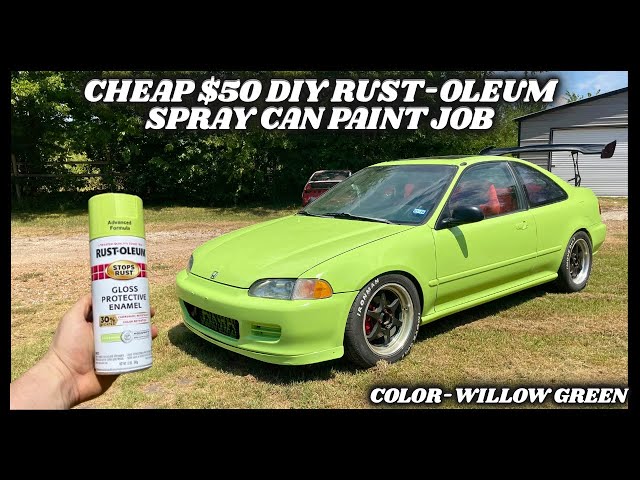
Credit: www.youtube.com
Frequently Asked Questions
How Many Spray Cans Are Needed To Paint A Car?
Typically, you need 10 to 15 spray cans to paint a whole car. This depends on the car size and paint type. Smaller cars require fewer cans, while larger vehicles need more. Always buy extra cans for touch-ups and multiple coats.
What Factors Affect Spray Can Paint Quantity?
Car size, paint color, and coat thickness affect paint quantity. Primer and clear coat layers increase the number of cans needed. Surface condition also matters; rough surfaces absorb more paint. Proper estimation helps avoid running out mid-project.
Can One Spray Can Cover An Entire Car Panel?
No, one spray can usually covers only one or two small panels. Coverage depends on spray technique and paint thickness. Using multiple cans ensures even coverage and a professional finish. Always plan based on panel size and paint type.
How To Estimate Spray Cans For Car Repainting?
Measure car surface area and calculate paint coverage per can. Check the can label for coverage details, usually in square feet. Consider primer, base coat, and clear coat layers separately. Add 10-20% extra for errors and touch-ups.
Conclusion
Painting a car with spray cans takes careful planning. Know your car’s size and how many coats you want. Usually, about 15 to 20 cans cover a full car. Remember to include primer and clear coat cans. Take your time and apply thin layers for the best finish.
Proper preparation helps paint stick well and look smooth. Now you have a clear idea of how many spray cans you need. Ready to start your car painting project?