
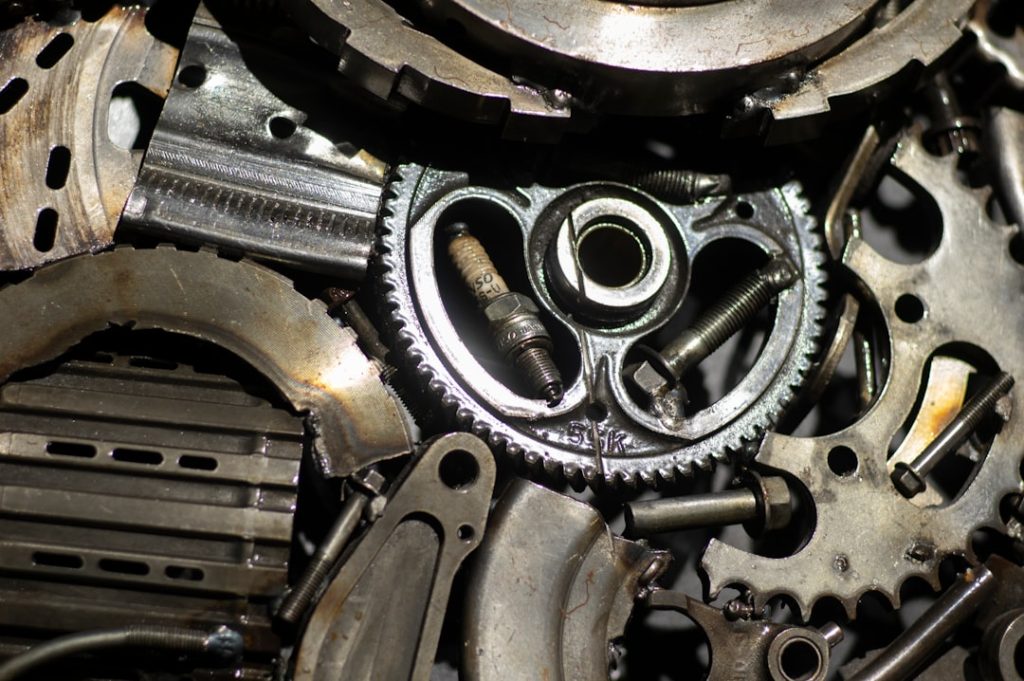
Have you ever wondered how many gears your car actually has? Whether you drive a manual or an automatic, understanding your car’s gears can make a big difference in how you drive and take care of your vehicle.
Knowing this simple fact can help you feel more confident behind the wheel and even save money on maintenance. Keep reading, and you’ll discover exactly how many gears a normal car has and why it matters to you every time you hit the road.
Types Of Car Transmissions
Understanding the types of car transmissions can help you make smarter choices about your vehicle and improve your driving experience. Different transmissions affect how many gears a car has, how smoothly it shifts, and even your fuel efficiency. Let’s break down the main types you’ll encounter on the road.
Manual Transmission Basics
Manual transmissions give you full control over gear changes through a clutch pedal and gear stick. Most normal cars with manual gearboxes have between 5 to 6 gears. This setup requires you to actively shift gears, which some drivers find more engaging and fun.
Manual transmissions are often lighter and cheaper to repair. However, they demand more attention, especially in stop-and-go traffic. Have you ever wondered if learning to drive stick could save you money or improve your control?
Automatic Transmission Varieties
Automatic transmissions handle gear changes for you, making driving easier and less tiring. Traditional automatics typically have 6 to 8 gears, allowing smooth acceleration without driver input. Many modern automatics now have 8 or even 10 gears, boosting fuel efficiency and performance.
Within automatic transmissions, there are several types, such as torque converter automatics and automated manual transmissions. Each type offers a different balance of efficiency, smoothness, and cost. Do you prefer the simplicity of an automatic or the engagement of manual shifting?
Cvt And Dual-clutch Systems
Continuously Variable Transmissions (CVTs) don’t use fixed gears but instead adjust seamlessly through an infinite range of gear ratios. This design provides smooth acceleration and better fuel economy but can feel unusual compared to traditional gear shifts.
Dual-Clutch Transmissions (DCTs) use two clutches to pre-select gears, allowing extremely fast and smooth shifts. These are common in performance cars and some everyday models, combining manual transmission efficiency with automatic convenience.
Both CVTs and DCTs represent modern advances in transmission technology. Have you noticed how these systems change the feel of driving compared to classic manuals or automatics?
Common Gear Counts In Cars
Understanding the common gear counts in cars helps you grasp how vehicles manage power and speed. The number of gears influences driving comfort, fuel efficiency, and performance. Let’s look at what gear options are typically available in both manual and automatic cars, and see how this is evolving.
Standard Manual Gear Numbers
Most manual cars come with 5 or 6 gears. Five-speed manuals are common in older or budget-friendly models, offering a straightforward driving experience.
Six-speed manuals provide a wider range, letting you drive more efficiently at higher speeds. You might notice better control and smoother acceleration with six gears.
Have you ever driven a manual with fewer gears and felt limited? More gears can make a big difference in how comfortable and responsive your drive feels.
Typical Automatic Gear Ranges
Automatic cars usually have more gears than manuals, often between 6 and 10. This range helps the car adjust seamlessly to different speeds and conditions without you needing to shift.
Many modern automatics have 8-speed transmissions, which balance fuel efficiency and smoothness. Some luxury and performance models push this number even higher.
Think about your last automatic drive—did you feel the shifts or barely notice them? More gears often mean the transmission works quietly behind the scenes, letting you focus on the road.
Emerging Trends In Gear Counts
New technology is pushing gear counts higher, with some cars now featuring 9, 10, or even more gears. Manufacturers aim to optimize fuel economy and reduce emissions with these advanced transmissions.
Electric vehicles, however, often use fewer or no gears at all, since their motors deliver power differently. This shift challenges traditional ideas about gear counts and car performance.
Are you curious how many gears your next car might have? The answer could surprise you, as engineers keep finding better ways to improve your driving experience.
How Gear Numbers Affect Driving
The number of gears in a car directly shapes how it drives. It influences everything from how much fuel you use to how smoothly your ride feels. Understanding this connection helps you make better choices about your car and driving style.
Fuel Efficiency And Gear Ratios
More gears usually mean better fuel efficiency. This happens because the engine runs closer to its ideal speed more often, saving fuel. Cars with fewer gears tend to rev higher and waste energy, especially on highways.
Think about a 6-speed versus a 4-speed transmission. The 6-speed lets you cruise at lower engine speeds, which uses less gas. Have you noticed how some cars feel more “thirsty” on the freeway? It’s often due to having fewer gears and less optimal gear ratios.
Performance And Acceleration
The number of gears affects how quickly your car accelerates. More gears provide a smoother step-up in power, keeping the engine in its sweet spot. This means quicker responses when you press the gas.
Imagine shifting from 1st to 6th gear smoothly versus jumping from 1st to 4th. The smaller jumps in gear ratios help maintain momentum and power. Have you ever driven a car that feels sluggish off the line? It might lack enough gears to optimize acceleration.
Smoothness And Ride Comfort
More gears can improve ride comfort by making shifts less noticeable. When the car shifts through many gears, the changes in engine speed feel gentler. This creates a smoother driving experience, especially in stop-and-go traffic.
Fewer gears often mean more abrupt shifts, which can make your drive feel jerky. If you’ve ever felt a sudden jolt during gear changes, your car might be working with a limited number of gears. Would you prefer a ride where you barely feel the transmission working?
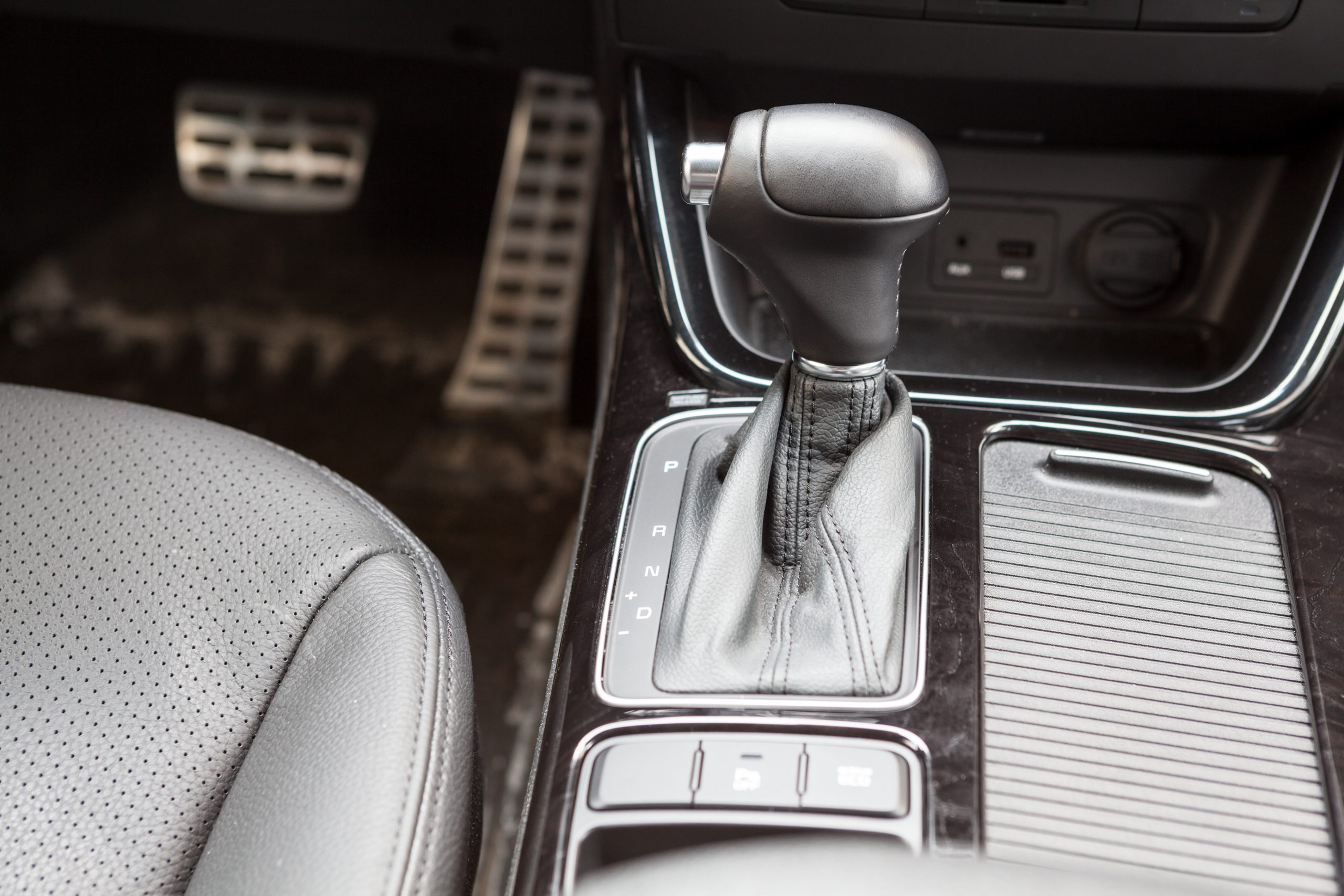
Credit: www.familyhandyman.com
Factors Influencing Gear Selection
Several factors shape how many gears a normal car has. These elements affect gear choice and transmission design. Understanding these helps explain why cars differ in gear numbers.
Engine Type And Power
Engine type impacts gear count. Powerful engines often need more gears. More gears help use the engine’s power efficiently. Smaller engines might have fewer gears. This keeps the car simple and cost-effective.
Vehicle Purpose And Design
What the vehicle is used for matters. Sports cars usually have more gears. They need quick acceleration and high speeds. Family cars focus on comfort and fuel economy. They might have fewer gears to simplify driving.
Technological Advancements
New technology changes gear systems. Modern cars often have more gears for better efficiency. Automatic transmissions now have more gear ratios. This improves smoothness and fuel savings. Technology keeps evolving gear design and count.
Future Of Car Gearing Systems
Most normal cars have between five and six gears to help balance speed and fuel efficiency. Newer models may include more gears for smoother driving and better performance. Gearing systems continue to evolve, aiming for improved control and fuel savings.
The future of car gearing systems is racing toward an exciting horizon. With technology advancing at a rapid pace, traditional gear systems are being reimagined. In this dynamic landscape, it’s intriguing to consider how these changes will affect the way you drive.Electric Vehicles And Gear Needs
Electric vehicles (EVs) are fundamentally changing the game. Unlike traditional cars, most EVs operate with a single gear. This simplicity offers smoother acceleration and fewer moving parts, reducing maintenance needs. But have you ever thought about how this affects your driving experience? With fewer gears, you might miss the tactile feedback of shifting. Yet, this evolution is paving the way for a more streamlined and user-friendly driving experience.Innovations In Transmission Tech
Transmission technology is undergoing a remarkable transformation. Continuously Variable Transmissions (CVTs) are becoming popular because they offer a seamless transition between speeds. Unlike manual gears, CVTs adjust smoothly without noticeable shifts. Imagine driving up a steep hill without the usual lurch as your car shifts gears. This innovation promises to make driving both easier and more enjoyable. Are you ready to embrace this change?Potential Gearless Designs
The idea of gearless designs is gaining traction. Some modern cars are experimenting with removing traditional gear systems altogether. This approach offers potential benefits like increased efficiency and reduced complexity. Picture a future where gears are a thing of the past, and vehicles are smarter and more intuitive. Could this be the next big leap in automotive technology? As car manufacturers push the envelope, the possibilities seem limitless. In this evolving landscape, the future of car gearing systems promises to redefine how you experience driving. Whether through the simplicity of EVs or innovative transmission tech, the road ahead is filled with thrilling possibilities. What changes are you most excited about?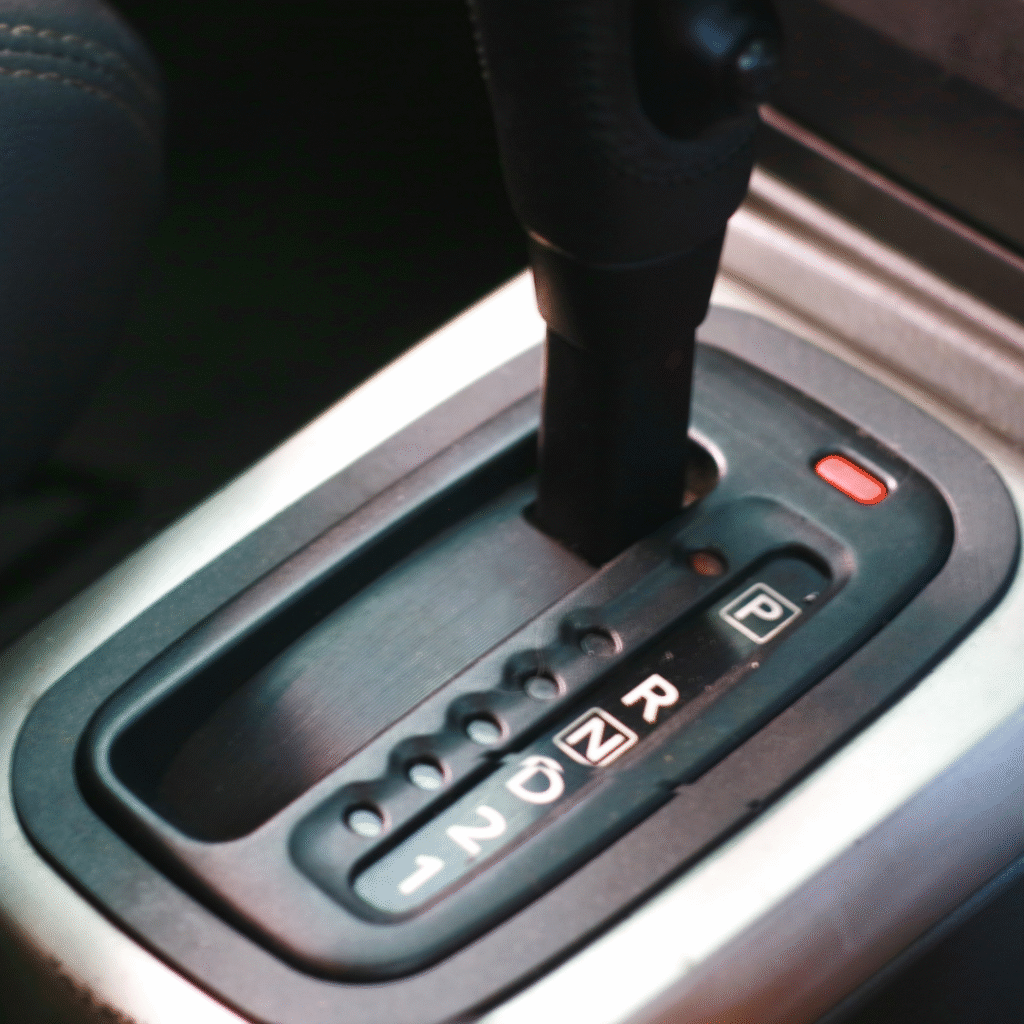
Credit: www.lindleysautocentres.co.uk

Credit: www.miltontoyota.com
Frequently Asked Questions
How Many Gears Does A Typical Car Have?
Most normal cars have between 5 to 6 gears in their manual transmissions. Automatic cars may have 6 to 10 gears, depending on the model. These gears help optimize engine performance and fuel efficiency at different speeds.
Why Do Cars Need Multiple Gears?
Multiple gears allow cars to adjust engine power to speed and terrain. Lower gears provide more torque for acceleration and hills. Higher gears enable better fuel economy on highways by reducing engine RPM.
What Is The Difference Between Manual And Automatic Gears?
Manual cars require the driver to change gears using a clutch pedal. Automatic cars shift gears on their own based on speed and load. Automatic transmissions are generally easier to drive but can be less fuel-efficient.
Can More Gears Improve Fuel Efficiency?
Yes, more gears can improve fuel efficiency by keeping the engine at optimal RPM. Modern cars use more gears to reduce fuel consumption and emissions. This results in smoother acceleration and better overall performance.
Conclusion
Most normal cars have between five and six gears. This range helps balance speed and fuel efficiency. Manual cars often have five gears, while automatics can have more. Knowing gear numbers helps you understand how your car works. It also aids in choosing the right car for your needs.
Gears play a key role in smooth driving. They help the engine run well at different speeds. Remember, the number of gears can vary by car type and model. This basic knowledge makes driving and car shopping easier.