
Have you ever wondered how many gears your manual car really has? Understanding the number of gears isn’t just about numbers—it can change how you drive, save fuel, and even extend your car’s life.
Whether you’re new to driving stick shift or just curious about your vehicle, knowing this can give you more control and confidence behind the wheel. Keep reading, and you’ll discover the secrets hidden in your car’s gearbox that every driver should know.
Manual Transmission Basics
Understanding the basics of manual transmission is key to grasping how many gears your car actually has and why. Manual cars rely on a system where you control the gear changes yourself, giving you a more connected and engaging driving experience. Let’s break down what gears really mean in this context and why multiple gears matter.
What Is A Gear In Manual Cars
A gear in a manual car is a mechanical component that controls the ratio between the engine’s speed and the wheels’ speed. When you shift gears, you’re essentially changing this ratio to optimize performance or fuel efficiency.
Think of gears as different settings on a bike. Just like you shift to an easier or harder gear to pedal uphill or speed up on flat ground, your car’s gears help it adapt to different driving conditions.
Purpose Of Multiple Gears
Why does your manual car have multiple gears? Each gear is designed to handle specific speed ranges and power needs.
- Low gearsgive you more power to start moving or climb steep hills.
- Higher gearsallow the car to cruise efficiently at higher speeds.
Without multiple gears, your engine would either struggle to start moving or waste fuel at higher speeds. Have you ever noticed how your car feels different when you shift from first to second gear? That’s your engine working smarter, not harder.

Credit: blog.beforward.jp
Common Gear Configurations
Manual cars come with different gear setups to match various driving needs. These gear configurations affect how smooth and efficient the ride feels. Understanding common gear setups helps drivers choose the right car and use gears properly.
Standard 5-speed Gearbox
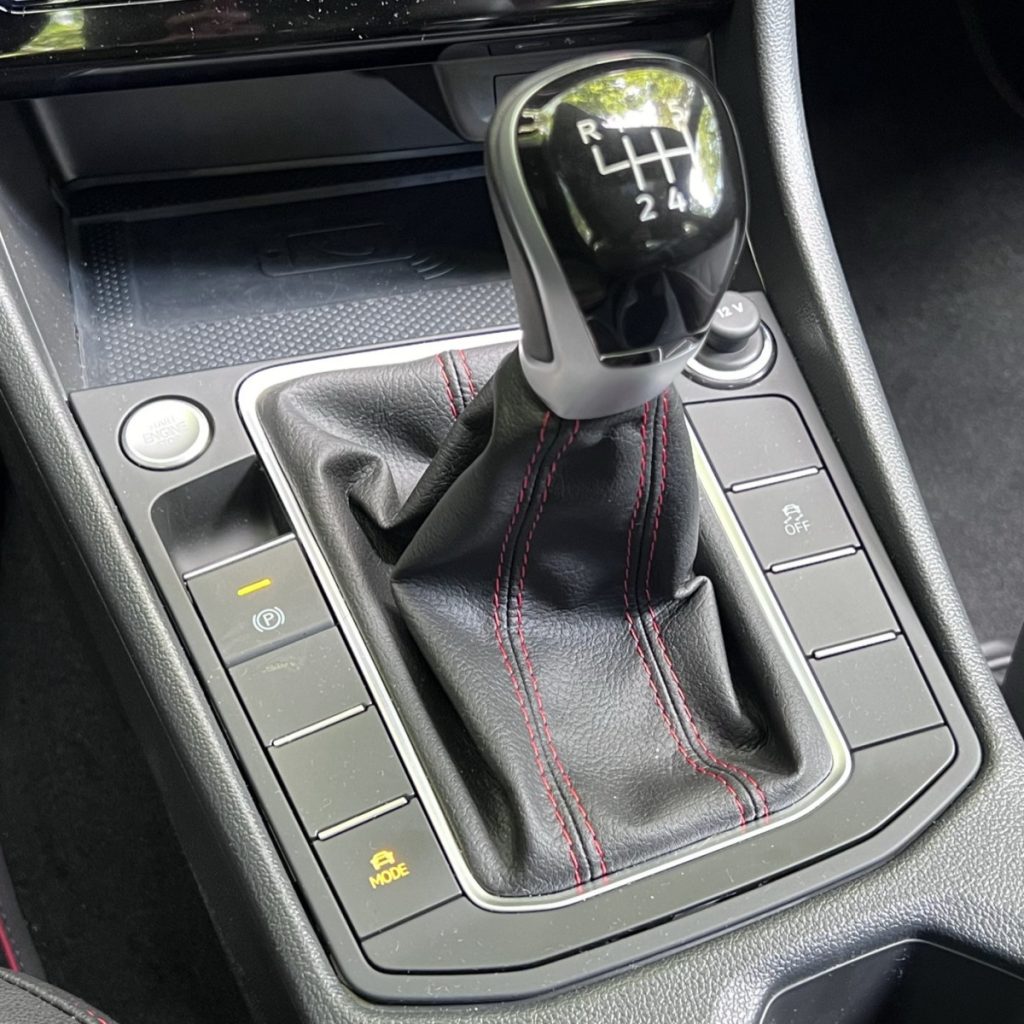
The 5-speed gearbox is the most common in manual cars. It includes five forward gears and one reverse gear. This setup offers a good balance between control and simplicity. It works well for city driving and moderate speeds.
Lower gears help start the car and climb hills. Higher gears improve fuel efficiency on highways. Many affordable cars use this gear configuration.
Popular 6-speed Gearbox
The 6-speed gearbox adds an extra gear for better performance. It gives smoother acceleration and more control at high speeds. This setup is common in sports cars and newer models.
The extra gear helps save fuel on highways. It also reduces engine strain. Drivers enjoy a wider range of speeds and better engine response.
Less Common Gear Setups
Some cars have unusual gear setups beyond 6 speeds. These include 4-speed or 7-speed manual gearboxes. Four-speed gearboxes are rare but found in some older cars.
Seven-speed manuals appear in high-performance vehicles. They offer precise control but need more skill to use. Other variations exist for specific needs, like heavy trucks or racing cars.
Reverse Gear Details
Understanding the reverse gear in a manual car is crucial for smooth driving and parking. While it seems simple, there’s a lot more to it than just shifting the lever. It’s fascinating how this single gear can make all the difference when maneuvering in tight spaces.
How Reverse Gear Works
The reverse gear in a manual car allows you to drive backward. It operates by engaging a gear train that spins the wheels in the opposite direction of forward gears. This is achieved through an idler gear that reverses the rotation of the main shaft, allowing your car to move backward seamlessly.
Ever wondered why reversing feels a bit different? It’s because the reverse gear doesn’t have synchronizers like the forward gears, which can make shifting into it feel a bit stiff or challenging at times. A little patience goes a long way in ensuring a smooth transition into reverse.
Position Of Reverse Gear
In most manual cars, the reverse gear is typically located at the farthest position on the gear shift. You might find it to the left and up or down, or to the right and down, depending on the car model. A common position is to the right and back, next to the fourth gear.
Interestingly, some cars require you to push down or lift the collar on the gear stick to engage reverse. This is a safety feature to prevent accidental shifting into reverse while driving. Familiarizing yourself with your car’s specific reverse gear position can save you from embarrassing parking lot moments.
Next time you hop into your car, pay attention to the reverse gear’s placement and mechanism. It might just give you a newfound appreciation for this essential but often overlooked component of your vehicle. What unique feature have you noticed in your car’s reverse gear? Share your experience in the comments below!
Choosing The Right Gear
Choosing the right gear in a manual car is essential for smooth driving and better control. It affects not only how comfortable your ride feels but also how efficiently your car performs. Understanding when to shift gears helps you respond better to road conditions and engine demands.
When To Shift Up Or Down
You should shift up when the engine RPM (revolutions per minute) reaches around 2,500 to 3,000. This keeps the engine from working too hard and prevents unnecessary noise. Shifting up too early can make the car struggle, while shifting too late can waste fuel and wear out the engine.
Downshifting is important when you need more power, like going uphill or overtaking another car. It also helps slow down the vehicle without relying only on brakes, which can wear out faster. Listen to the engine sound and feel the pedal resistance to know when a downshift is needed.
Impact On Fuel Efficiency
Using the right gear directly influences your fuel consumption. Staying in a lower gear for too long makes the engine burn more fuel than necessary. Conversely, cruising in a higher gear at low speeds can cause the engine to lug and consume extra fuel.
Try to keep your RPM in the optimal range for your car—usually between 1,500 and 2,500 RPM. This helps the engine run efficiently and saves you money at the pump. Have you noticed how some drivers seem to get better mileage just by shifting gears smoothly? That’s no coincidence; it’s about smart gear choices.
Advanced Gear Systems
Advanced gear systems in manual cars improve driving performance and efficiency. These systems offer more precise control over speed and power. They suit drivers who want better handling and fuel economy. Understanding these systems helps explain why some cars have more gears than others.
Close-ratio Gearboxes
Close-ratio gearboxes have gears spaced closely together. This design keeps the engine running near its best power range. It helps drivers accelerate smoothly and maintain speed without big drops in engine RPM.
Racing cars often use close-ratio gearboxes. They allow quick shifting and better control at high speeds. For everyday drivers, these gearboxes can feel sportier and more responsive.
Overdrive Gears Explained
Overdrive gears reduce engine speed while cruising on highways. This lowers fuel consumption and engine wear. Overdrive means the gear ratio is less than 1:1, spinning the output shaft faster than the engine.
Many manual cars include one or two overdrive gears. They make long drives quieter and more comfortable. Overdrive is especially useful for saving fuel on long trips.
Common Misconceptions
Many people have strong ideas about manual car gears that don’t always match reality. These common misconceptions can influence how you view a car’s performance and even your driving experience. Understanding the facts behind these myths can help you make better decisions when choosing or driving a manual transmission vehicle.
More Gears Means Faster Car?
It’s easy to assume that a car with more gears automatically goes faster. But speed depends more on the engine power and design than just the number of gears. More gears often mean better control over the engine’s power and fuel efficiency, not necessarily higher top speed.
Think about it this way: a 6-speed manual may offer smoother acceleration and better fuel economy than a 4-speed, but that doesn’t guarantee it will outrun every car with fewer gears. Your driving style and the car’s overall setup play a big role too.
Manual Vs Automatic Gear Counts
You might wonder why manual cars usually have fewer gears than automatics. It’s because automatic transmissions often have more gear ratios to optimize smooth shifting and efficiency without driver input. Manuals focus on giving you direct control, so the gear count is balanced between simplicity and performance.
Modern automatics can have 8 or even 10 gears, but manuals typically range from 4 to 6 gears. Does having fewer gears mean manuals are outdated? Not really—manuals offer a more engaging experience and can be just as effective with fewer gears.
Maintenance Tips
Maintaining the gears in your manual car is essential for a smooth driving experience and to extend the life of your transmission. Simple habits and timely attention can prevent costly repairs and keep your gear shifts seamless. Let’s dive into practical tips that will help you care for your car’s gears effectively.
Keeping Gears Smooth
Always use the clutch properly to avoid unnecessary wear on the gearbox. Avoid resting your hand on the gear stick while driving, as this can put pressure on the gear linkage and cause premature wear.
Regularly check and change your transmission fluid as recommended in your car’s manual. Clean, high-quality fluid reduces friction and helps the gears move smoothly.
Try to shift gears gently rather than forcing the stick. If you notice resistance or grinding, it’s a sign you might need to adjust your technique or have your clutch inspected.
Signs Of Gearbox Issues
Pay attention to unusual noises like grinding or whining when you shift gears. These sounds often indicate that your gearbox needs professional attention.
If you experience difficulty shifting or if gears slip unexpectedly, it’s a clear warning sign that something is wrong. Ignoring these symptoms can lead to more severe damage.
Watch out for vibrations or a burning smell while driving. These can signal overheating or internal wear in the transmission system.
Have you ever felt your gear stick becoming loose or harder to move? Don’t wait until it gets worse—early diagnosis saves money and hassle later on.

Credit: blog.beforward.jp

Credit: drivingschoolnearmelbourne.com.au
Frequently Asked Questions
How Many Gears Does A Standard Manual Car Have?
Most standard manual cars have 5 or 6 gears. These include 4 to 6 forward gears plus one reverse gear. The number varies by manufacturer and model, affecting speed and fuel efficiency. More gears provide better control and smoother driving experience.
Why Do Manual Cars Have Multiple Gears?
Multiple gears help match engine power with driving speed. Lower gears provide more torque for acceleration. Higher gears are for cruising efficiently at high speeds. This balance improves fuel economy and vehicle performance, making manual transmissions versatile for various driving conditions.
Can Manual Cars Have More Than Six Gears?
Yes, some manual cars feature 7 or even 8-speed gearboxes. These are often found in high-performance or luxury vehicles. Extra gears improve fuel efficiency and acceleration by offering finer control over engine power. However, most everyday manual cars stick to 5 or 6 gears.
What Is The Purpose Of The Reverse Gear In Manual Cars?
The reverse gear enables the car to move backward. It is essential for parking and maneuvering in tight spaces. Unlike forward gears, reverse gear usually has a different gear ratio for controlled low-speed movement.
Conclusion
Manual cars usually have 5 or 6 gears. Some models include a reverse gear too. Each gear helps control speed and power. Changing gears smoothly improves driving comfort. Knowing gear numbers helps you understand car basics. It also makes driving safer and more fun.
Keep practicing to shift gears with confidence. This knowledge makes manual cars easier to drive. Understanding gears is key for every driver.