
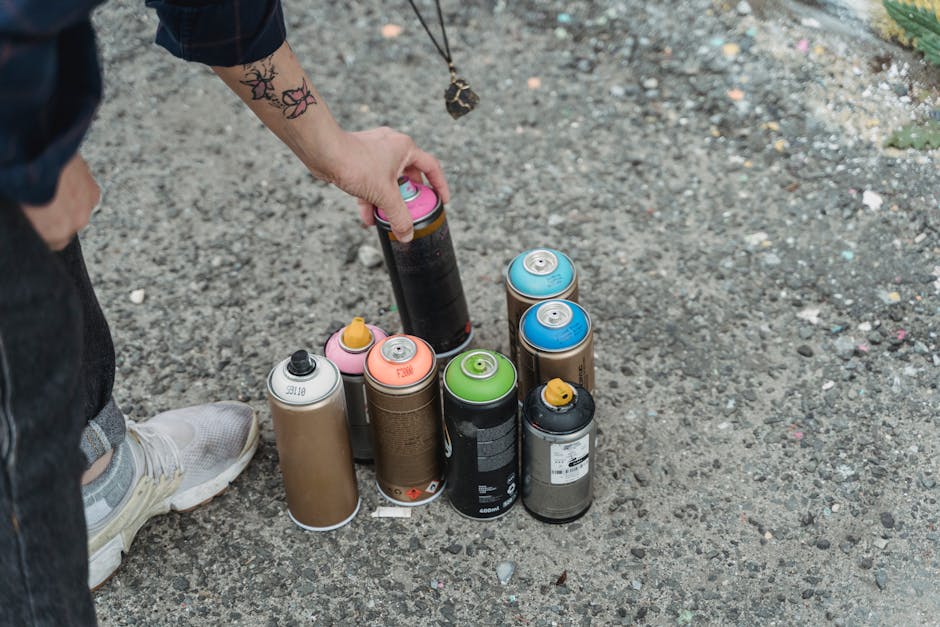
Thinking about giving your car a fresh new look with spray paint? You’re probably wondering, “How many cans of spray paint will I actually need to cover my entire car?” Getting this right is key—you don’t want to run out halfway or end up with leftover cans wasting space.
You’ll discover simple ways to estimate the exact amount of spray paint needed for your project. Keep reading, and you’ll gain the confidence to start painting your car like a pro without any costly surprises.
Factors Affecting Paint Quantity
Estimating the right amount of spray paint for a car depends on several key factors. These factors influence how many cans you will need for a smooth, even finish. Understanding them helps avoid running out of paint or wasting supplies.
Each car project is unique. Paint quantity varies based on the vehicle’s size, paint layers, and surface condition. Knowing these details helps plan the painting process better.
Car Size And Type
Large cars require more paint than small ones. SUVs and trucks have bigger surfaces, so they need extra paint. Compact cars need fewer cans.
Body style also matters. A car with many curves or details uses more paint to cover evenly. Flat surfaces need less paint compared to textured areas.
Number Of Coats
One coat rarely gives a perfect finish. Usually, multiple coats are needed for good coverage and color depth. Each coat adds to the total paint used.
Primer, base coat, and clear coat layers all require separate paint amounts. More coats mean more cans. A typical job might need two or three coats.
Surface Condition
Old paint or rust can affect how much paint you need. Rough or damaged surfaces absorb more paint than smooth ones.
Proper sanding and priming reduce paint absorption. This helps save paint and ensures a better finish. Neglecting surface prep can increase paint consumption.
Average Spray Paint Coverage
Understanding the average spray paint coverage helps plan your car painting project better. It tells you how much area one can of spray paint will cover. This knowledge avoids running out of paint mid-job. It also prevents buying too many cans and wasting money.
Coverage Per Can
Most spray paint cans cover about 15 to 20 square feet. This depends on the paint brand and type. Glossy and metallic paints may cover less area than matte finishes. The number of coats applied also affects coverage. Usually, two to three coats are needed for good results.
Spray paint cans usually list coverage on the label. Check this information before buying. Remember, rough or textured surfaces require more paint than smooth ones.
Calculating Total Paint Needed
First, measure your car’s total surface area. This includes doors, hood, roof, and trunk. Multiply the surface area by the number of coats. Then, divide the total square footage by the coverage per can.
Example:
- Car surface area: 150 square feet
- Number of coats: 3
- Coverage per can: 18 square feet
Total cans needed = (150 x 3) ÷ 18 = 25 cans
Buy a few extra cans to cover mistakes or touch-ups. This ensures you finish your project smoothly.
Preparing Your Car For Painting
Preparing your car for painting ensures a smooth and lasting finish. It removes dirt, rust, and old paint layers. Proper preparation helps the new paint stick better and look professional. Spend time on this step for great results.
Cleaning And Sanding
Start by washing the car with soap and water. Remove all grease, dust, and grime. Dry the surface completely before sanding.
Use fine-grit sandpaper to smooth the paint. Sanding removes shiny layers and rough spots. Focus on areas with scratches or rust.
- Smooth surfaces help paint stick better.
- Avoid sanding too deep to prevent damage.
- Wear a mask to avoid inhaling dust.
Priming The Surface
Apply a primer after cleaning and sanding. Primer fills small scratches and creates a base for paint. Use a spray primer for even coverage.
Let the primer dry fully before painting. Check the instructions on the can for drying time. A good primer improves paint adhesion and durability.
Choosing The Right Spray Paint
Choosing the right spray paint is a crucial step in your car painting project. It affects not only the final look but also the durability of the paint job. Picking the wrong type or shade can lead to frustration and extra costs.
Types Of Spray Paint
There are several types of spray paint designed specifically for cars. Each offers different levels of durability, finish, and ease of use.
- Acrylic Enamel:This type is budget-friendly and provides a hard, glossy finish. It’s great for beginners but may require a clear coat for added protection.
- Acrylic Urethane:Known for its excellent durability and shine, it’s a favorite among professionals. It resists chipping and fading well.
- Base Coat/Clear Coat:This two-step system allows for a deep, rich color followed by a protective clear layer. It offers the best finish but needs more skill to apply.
Choosing between these depends on your experience level and how long you want the paint to last. What kind of finish do you want your car to have?
Color Matching Tips
Getting the exact color match is often the biggest challenge. Your car’s original paint may have faded or changed over time, making it tricky to replicate.
- Check your car’s paint code, usually found inside the driver’s door or under the hood. This code is key to buying the closest match.
- Bring a small part of your car or a photo to the store to compare colors in natural light.
- Consider buying a small test can first to spray on a hidden spot. This helps confirm the match before committing to multiple cans.
Have you ever bought spray paint only to find it didn’t match your car? Taking these extra steps can save you time and money.
Step-by-step Painting Process
Calculating spray paint cans depends on the car’s size and paint thickness. Preparing the surface and applying multiple thin coats ensures even coverage. Proper drying time between layers improves the finish and durability.
Painting a car with spray cans can be a rewarding DIY project if you follow a structured process. Before diving into the painting, it’s crucial to understand each step to ensure a smooth and professional-looking finish. Let’s explore the essential stages of the step-by-step painting process that will transform your car’s appearance.Setting Up Your Workspace
Creating an ideal workspace is your first task. Choose a well-ventilated area, away from dust and debris, to avoid imperfections in the paint job. Lay down drop cloths or plastic sheeting to protect the floor and surrounding areas. Ensure you have adequate lighting to clearly see the surfaces you’re working on. This will help you avoid missing any spots and will enable you to assess the evenness of your paint application.Applying Base Coats
Shake the spray can vigorously to mix the paint thoroughly. This is crucial to achieve a consistent color. Hold the can about 10-12 inches away from the car’s surface and apply the base coat in light, even strokes. Begin with a light mist, gradually building up the layers to avoid drips and runs. Allow each coat to dry completely before applying the next one. Patience here ensures a smooth and even finish.Adding Clear Coats
Once the base coat has dried, it’s time to add a clear coat. This is the layer that will give your car that glossy, professional look. Again, hold the can 10-12 inches away and spray in even strokes. Aim for thin, even layers to prevent any bubbling or sagging in the clear coat. Apply multiple clear coats for durability and shine, letting each layer dry before applying the next. The number of layers can depend on the desired glossiness and protection level. Have you ever considered how satisfying it is to see your reflection on a freshly painted car? With the right technique and patience, you’ll achieve a finish that not only looks great but also stands up to daily wear and tear.Tips To Maximize Paint Usage
Maximizing your spray paint usage is key to getting the job done without running out of paint or wasting materials. Knowing how to apply the paint efficiently not only saves cans but also ensures a smooth, even finish on your car. Let’s dive into some practical tips that can help you make the most out of every can.
Proper Spray Technique
Holding the spray can at the right distance—usually about 6 to 8 inches from the surface—makes a big difference. Too close, and you risk drips; too far, and the paint may become patchy. Moving the can steadily in smooth, even strokes helps cover the surface uniformly.
Start spraying just before you reach the edge of the panel and stop just after passing it to avoid heavy spots. Overlapping each pass by about 50% ensures full coverage without applying too much paint in one area. Have you noticed how a consistent pace can change your final result?
Avoiding Paint Waste
Shaking the can well before use mixes the paint thoroughly, preventing clogs and uneven spraying. Store cans in a cool place and clean the nozzle after each use to keep the spray pattern sharp. If you find yourself with leftover paint, don’t toss it—seal the can tightly and store it for touch-ups.
Spray test on cardboard before starting on your car. This small step can save you from wasting paint on errors. Also, avoid spraying in windy or dusty conditions to keep the paint where it belongs—on your car, not blown away or filled with grit.
Common Mistakes To Avoid
Painting a car with spray paint can be rewarding, but it’s easy to slip into habits that waste paint or harm the finish. Knowing what mistakes to avoid helps you save money and get a smoother, longer-lasting coat. Here are some key errors to watch out for.
Overusing Paint
Applying too much paint at once might seem like a shortcut, but it usually backfires. Thick layers often drip, run, or create uneven textures that ruin the look.
I once tried to cover a rusty spot quickly by spraying heavily. Instead of a smooth finish, the paint pooled and bubbled, forcing me to sand it all down and start over. Would you rather spend extra time layering thin coats or dealing with the mess from overuse?
Try these tips to avoid overusing paint:
- Spray in light, even passes rather than one heavy coat.
- Keep the can moving steadily to prevent buildup.
- Allow each layer to dry before applying the next.
Ignoring Weather Conditions
Temperature and humidity affect how spray paint dries. Painting on a cold or humid day can cause the paint to dry unevenly or take much longer, leading to sticky or rough surfaces.
I painted my car on a foggy morning once, thinking it wouldn’t matter. The paint ended up blotchy and took days to fully cure, delaying my project significantly. Have you ever considered how the weather might influence your paint job’s outcome?
To get the best results, keep these in mind:
- Choose a dry day with temperatures between 50°F and 85°F (10°C to 29°C).
- Avoid painting in direct sunlight, which can dry the paint too fast.
- If indoor, ensure good ventilation and moderate temperature.
Estimating Costs And Budgeting
Estimating spray paint cans depends on your car’s size and paint type. A budget should cover enough cans for two or three coats. Planning helps avoid running out or overspending.
Estimating Costs and Budgeting When considering painting your car, understanding the financial side is crucial. You need to budget for not just the spray paint but also additional supplies and potential labor costs. Let’s dive into the details and help you create a realistic budget.Paint And Supplies Pricing
The price of spray paint can vary significantly based on brand and quality. On average, a single can of automotive spray paint can cost between $7 to $20. For a complete car paint job, you might need anywhere from 20 to 30 cans, depending on the size of your vehicle. That brings your paint cost to roughly $140 to $600. But paint isn’t your only expense. Supplies such as sandpaper, primer, and clear coat add to your budget. For these, you might spend an additional $50 to $150. It’s essential to factor these into your overall costs to avoid surprises.Diy Vs Professional Painting
Choosing between a DIY approach and hiring a professional can greatly influence your budget. Painting your car yourself can be much cheaper since you’re primarily paying for materials. However, DIY requires time, patience, and a certain level of skill. If you’re new to car painting, are you prepared for a learning curve? On the other hand, professional painting services offer expertise and quality but come at a higher cost. A professional paint job can range from $500 to several thousand dollars, depending on the type of paint and the complexity of the job. Are you willing to invest more for a potentially superior finish? Weighing these options carefully will help you make the best decision for your car and wallet.Frequently Asked Questions
How Many Spray Paint Cans To Paint A Whole Car?
Typically, you need 15 to 20 cans to cover an entire car. This depends on the car’s size and paint type. Smaller cars may require fewer cans, while larger vehicles need more. Always buy extra cans for touch-ups and even coverage.
What Factors Affect Spray Paint Quantity For Cars?
Car size, paint type, and coat thickness affect spray paint needs. Multiple coats require more cans, and primer or clear coat adds to the total. Surface texture and paint application technique also impact the amount used.
Can One Can Of Spray Paint Cover A Car Panel?
Yes, one can usually covers one small to medium panel. Larger panels may need two cans for full coverage. Always apply thin, even coats to avoid drips and achieve a smooth finish.
How To Estimate Spray Paint Cans For Custom Car Colors?
Calculate based on standard coverage per can, then add 10-20% extra. Custom colors may require additional coats for uniformity. Consult paint manufacturer guidelines for precise estimates.
Conclusion
Painting a car with spray paint takes careful planning. Knowing how many cans to buy helps avoid running out. Usually, a small car needs about 10 to 15 cans. Bigger vehicles will need more paint cans. Always buy a few extra cans for touch-ups.
Proper surface prep and even spraying give the best results. Take your time and work in good light. This way, your car will look smooth and fresh. Remember, patience and the right amount of paint make all the difference.