

You want to keep your baby safe, and using a car seat is a big part of that. But how long should your little one stay in their car seat?
It’s a question every parent asks because too much time might worry you, and too little time might risk safety. You’ll discover the right balance to protect your baby without causing discomfort. Keep reading to learn the simple, clear guidelines that can give you peace of mind every time you buckle up.
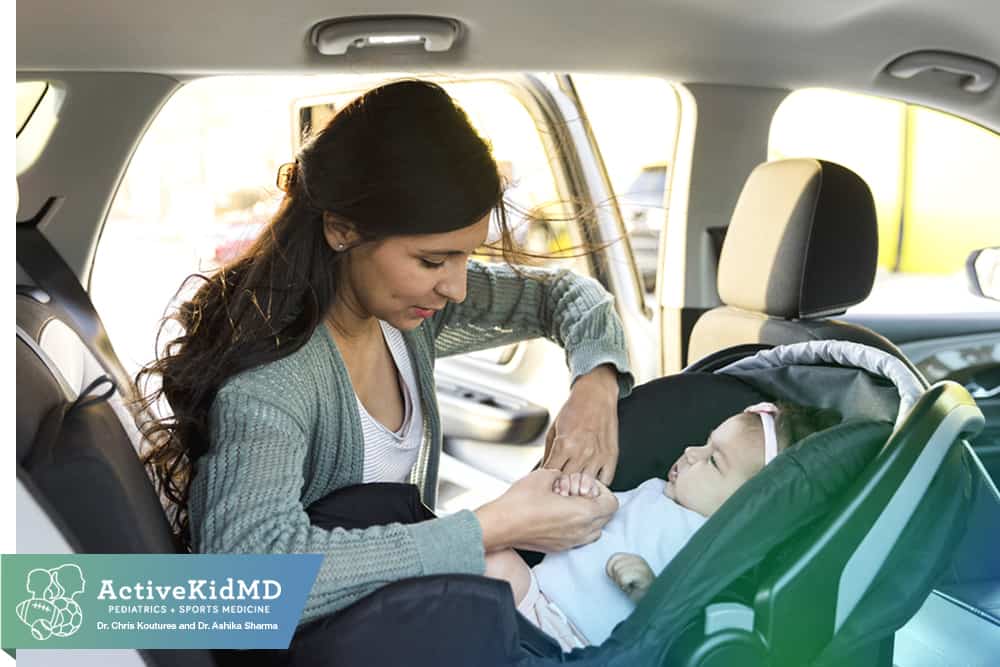
Credit: activekidmd.com
Recommended Car Seat Duration
Knowing the recommended time your baby should spend in a car seat is crucial for their safety and comfort. Too long in a car seat can cause discomfort or even health issues, while too short might mean missing out on vital protection during travel. Let’s look at the specific guidelines based on age and seat type to help you make the best decision for your child.
Age And Weight Guidelines
Your baby’s age and weight play a big role in determining how long they should stay in a car seat. Most experts suggest that infants remain in a rear-facing car seat until they are at least 2 years old or until they reach the highest weight or height allowed by the seat manufacturer.
Spending extended periods in a car seat is okay, but it’s important to take breaks during long trips. If your baby is under 1 year old or weighs less than 20 pounds, aim to limit car seat time to about 2 hours at a stretch. This helps prevent issues like restricted airflow or muscle strain.
Infant Vs. Convertible Seats
Infant car seats are designed specifically for newborns and smaller babies, usually up to 22-35 pounds. These seats are portable but often have stricter limits on how long your baby can stay safely strapped in.
Convertible seats, on the other hand, accommodate children from infancy through toddlerhood and sometimes beyond. They often have higher weight limits and more adjustable features, allowing your child to remain rear-facing longer, which is safer.
Have you noticed how quickly your little one outgrows their infant seat? Switching to a convertible seat at the right time can extend their safe travel period without compromising comfort. Always check the manufacturer’s guidelines to know exactly when to make the change.

Credit: www.thule.com
Signs To Limit Car Seat Time
Babies need to spend time in car seats for safety. Still, too much time can cause discomfort or stress. Watch for signs that show your baby needs a break. These signs help protect their health and mood.
Physical Discomfort Indicators
- Red marks or pressure spots on the skin
- Squirming or trying to change position often
- Arching back or stiffening body muscles
- Heavy sweating, especially around the neck and back
- Flushed or pale skin color
These signs show your baby might be uncomfortable. Taking breaks helps avoid soreness and skin issues. Adjust straps and padding for a better fit.
Behavioral Cues
- Frequent crying or fussiness while seated
- Refusing to settle or calm down
- Yawning or signs of tiredness but unable to sleep
- Sudden restlessness or irritability
- Looking for your attention or wanting to be held
Behavior changes often point to baby stress or discomfort. Respond by stopping the ride briefly or offering comfort. These moments help keep travel safe and pleasant for your child.
Safe Car Seat Practices
Keeping babies safe in car seats requires careful attention to details. Proper use of the car seat protects your child from injuries during travel. Every small step counts in ensuring maximum safety. Understanding safe car seat practices helps parents feel confident and secure.
Proper Installation Tips
Check the car seat manual and vehicle guide before installation. Place the car seat in the back seat, away from airbags. Use either the seat belt or LATCH system, never both together. Tighten the straps until the seat moves less than an inch. Make sure the car seat faces the correct direction for your baby’s age. Rear-facing is safest for infants and toddlers. Double-check the angle to keep your baby’s head from falling forward. Regularly inspect the car seat for wear or damage.
Harness Adjustment Advice
Adjust harness straps to fit snugly against your baby’s body. The harness should lie flat without twists or slack. Position the chest clip at armpit level for proper restraint. Tighten the harness until you cannot pinch any webbing. Check harness height as your baby grows; straps must be at or below shoulders for rear-facing. Always dress your baby in thin layers to avoid bulky clothing under straps. Regularly review harness fit before every trip for safety.

Credit: www.multicare.org
Alternatives For Extended Travel
Extended travel with babies requires special care to keep them safe and comfortable. Long periods in a car seat can cause discomfort and affect their posture. Parents need options beyond just sitting in the car seat for hours. These alternatives help reduce strain and keep babies happy during trips.
Frequent Breaks
Stopping every 1 to 2 hours allows babies to stretch and move freely. Take breaks to feed, change diapers, and let your baby relax outside the car seat. Fresh air and a short walk help improve circulation and reduce fussiness. Use breaks to check the car seat for proper fit and safety. This simple habit makes long trips easier for both babies and parents.
Using Car Seat Alternatives
Consider safe alternatives to traditional car seats during long journeys. Portable travel bassinets or approved travel cots offer a comfortable resting place. Some parents use stroller systems that attach to car seats for quick transfers. Always ensure any alternative is certified for travel and used correctly. Switching between options can reduce time spent strapped in one position.
Health Risks Of Prolonged Use
Car seats are essential for baby safety. Yet, prolonged use can have health risks. It’s crucial to know these risks for your baby’s well-being.
Breathing Concerns
Long periods in car seats might affect breathing. Babies can slump, restricting airflow. This slumping can lead to decreased oxygen levels. Always ensure your baby is in the correct position. Take frequent breaks during long journeys. This helps maintain good posture and breathing.
Developmental Impact
Extended car seat use might hinder physical development. Babies need space to move and stretch. Car seats limit these activities. Limited movement can slow muscle and bone development. Encourage time outside of the car seat for active play. This supports healthy growth and development.
Expert Recommendations
Understanding how long your baby should stay in a car seat is crucial for their safety and comfort. Experts have studied this topic extensively and offer clear advice to help you make the best choices. Their recommendations balance safety with your baby’s developmental needs.
Pediatrician Insights
Pediatricians emphasize keeping babies in rear-facing car seats as long as possible, usually until at least age 2. This position better protects your baby’s head, neck, and spine during sudden stops or crashes.
They also warn against leaving babies in car seats outside the car for too long, such as in strollers or swings. Prolonged sitting can affect breathing and cause discomfort.
Have you noticed your baby getting fussy after a long drive? Pediatricians suggest breaking up trips to give your little one a chance to stretch and move safely.
Safety Organization Guidelines
Organizations like the American Academy of Pediatrics (AAP) and the National Highway Traffic Safety Administration (NHTSA) recommend that infants remain in rear-facing seats until they reach the highest weight or height allowed by the car seat manufacturer.
- Many convertible car seats support rear-facing up to 40 pounds or more.
- Once your child outgrows the rear-facing limits, switch to a forward-facing seat with a harness.
- Always follow the specific instructions provided with your car seat model.
These guidelines are designed to maximize protection during travel. Ignoring them could increase the risk of injury in an accident. How confident are you in your current car seat setup?
Frequently Asked Questions
How Long Can Babies Safely Stay In Car Seats?
Babies should not stay in car seats for more than 2 hours continuously. Prolonged sitting may cause breathing issues and discomfort. Always take breaks during long trips. Use car seats only for travel, not as regular baby seats or cribs.
When Should Babies Transition From Rear-facing Car Seats?
Babies should remain rear-facing until at least 2 years old or until they reach the seat’s height and weight limits. Rear-facing seats provide better head and neck support in crashes. Check your car seat manual for specific guidelines.
Can Newborns Sleep Safely In Car Seats?
Newborns can sleep in car seats during travel but not for extended periods. Prolonged sleeping in car seats may cause breathing difficulties. Always monitor your baby and avoid using car seats as a regular sleep space.
How Often Should I Check Car Seat Fit For My Baby?
Check your baby’s car seat fit every 2 to 3 months. Babies grow quickly, so harness adjustments are necessary for safety. Ensure the straps are snug and the seat is properly installed each time you travel.
Conclusion
Babies need to stay in car seats as long as they fit safely. Check the car seat’s weight and height limits often. Keep your child rear-facing for as long as possible. This position protects their head and neck best. Once outgrown, switch to a forward-facing seat with a harness.
Always follow safety guidelines to keep your baby secure. Regularly inspect the seat for wear and proper installation. Safe travel helps protect your little one every trip. Car seats save lives, so use them correctly.