
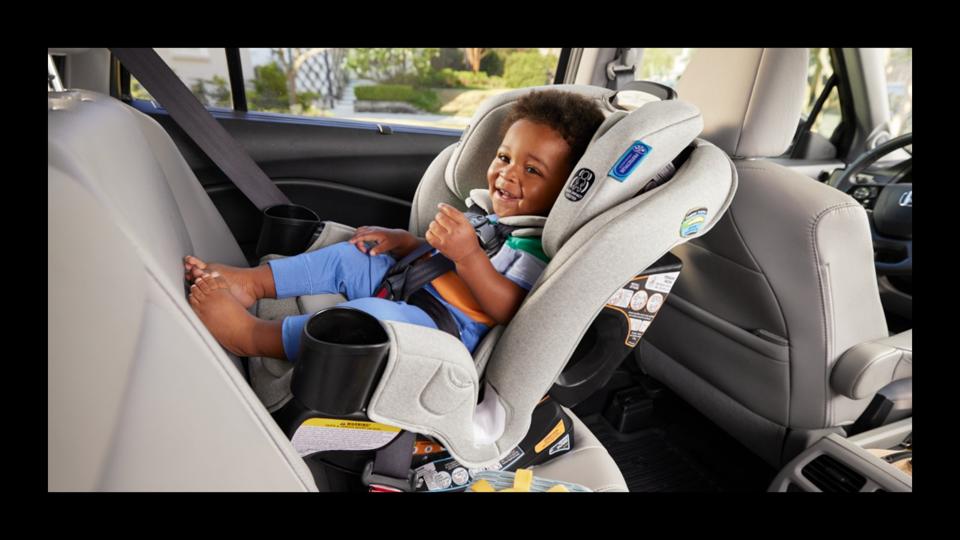
You want the best for your baby, especially when it comes to safety during car rides. But how long should your little one stay in a car seat?
Too long can be uncomfortable or even risky, while too short might not give you the protection you need. You’ll discover the right balance to keep your baby safe and comfortable every time you hit the road. Keep reading to learn simple, practical tips that every parent should know.
Credit: www.thebump.com
Car Seat Basics
Understanding car seat basics is essential for your baby’s safety during travel. Car seats protect babies in case of sudden stops or accidents. Knowing the right type and proper usage keeps your child secure and comfortable. Choosing the correct car seat depends on your baby’s age, weight, and height. This guide helps you learn the fundamental facts about car seats.
Types Of Car Seats
- Infant Car Seats:Designed for newborns and small babies. They face backward and have a handle for easy carrying.
- Convertible Car Seats:Can switch from rear-facing to forward-facing. Suitable for babies and toddlers as they grow.
- Forward-Facing Car Seats:Made for older toddlers. These seats use a harness and attach to the car’s seat belt system.
- Booster Seats:Used for children who outgrow forward-facing seats. They raise the child to fit the car’s seat belt properly.
Age And Weight Guidelines
| Car Seat Type | Age Range | Weight Range | Position |
|---|---|---|---|
| Infant Car Seat | Birth to 12 months | 4 to 35 lbs | Rear-facing |
| Convertible Car Seat (Rear-facing) | Birth to 2 years | 5 to 40 lbs | Rear-facing |
| Convertible Car Seat (Forward-facing) | 2 to 5 years | 20 to 65 lbs | Forward-facing |
| Booster Seat | 4 to 12 years | 40 to 100 lbs | Forward-facing |

Credit: www.thule.com
Recommended Time Limits
Knowing how long your baby should stay in a car seat is essential for their comfort and safety. Recommended time limits help prevent discomfort and reduce risks associated with prolonged sitting. Understanding these limits allows you to plan trips that protect your baby’s health without sacrificing convenience.
Maximum Duration Per Ride
Experts suggest that babies should not be in a car seat for more than 2 hours at a time. Sitting longer can cause breathing difficulties and put pressure on your baby’s developing spine. If your trip is longer, try to split it up with breaks to let your baby stretch and move.
I remember a road trip where I kept my baby in the car seat for nearly 3 hours straight. She became fussy and uncomfortable, which could have been avoided by stopping sooner. Have you noticed how your baby reacts after long rides?
Frequent Breaks Importance
Frequent breaks during travel are crucial. Stopping every 1.5 to 2 hours lets your baby get out of the seat, change position, and breathe fresh air. These breaks also give you a chance to feed, change diapers, and check if your baby is comfortable.
Even a short walk or some gentle movement can help reduce the risk of flat spots on the head and improve circulation. You might find that these pauses make the entire trip smoother for both you and your baby. Could taking regular breaks be the key to happier car rides?
Safety Risks Of Prolonged Use
Keeping a baby in a car seat for too long can cause safety risks. Parents must understand the dangers of extended use. Babies need proper support and comfort to stay safe. Prolonged time in a car seat may lead to physical and breathing problems. Recognizing these risks helps protect your baby during every ride.
Physical Discomfort
Babies have soft, delicate bodies that need gentle support. Sitting in the same position for too long can cause discomfort. Their muscles can become stiff, and their skin may develop pressure sores. The car seat’s hard shell does not allow much movement. This can cause fussiness and restlessness in infants. Regular breaks help avoid these issues and keep babies comfortable.
Breathing Concerns
Car seats are designed to protect during crashes, not for long sitting periods. When a baby stays in a reclined position too long, their airway can become blocked. Their head may fall forward, making it hard to breathe. This risk increases if the baby is very young or has breathing problems. It is important to limit time in the car seat to keep their airway clear and safe.

Credit: chicco.ca
Proper Positioning Tips
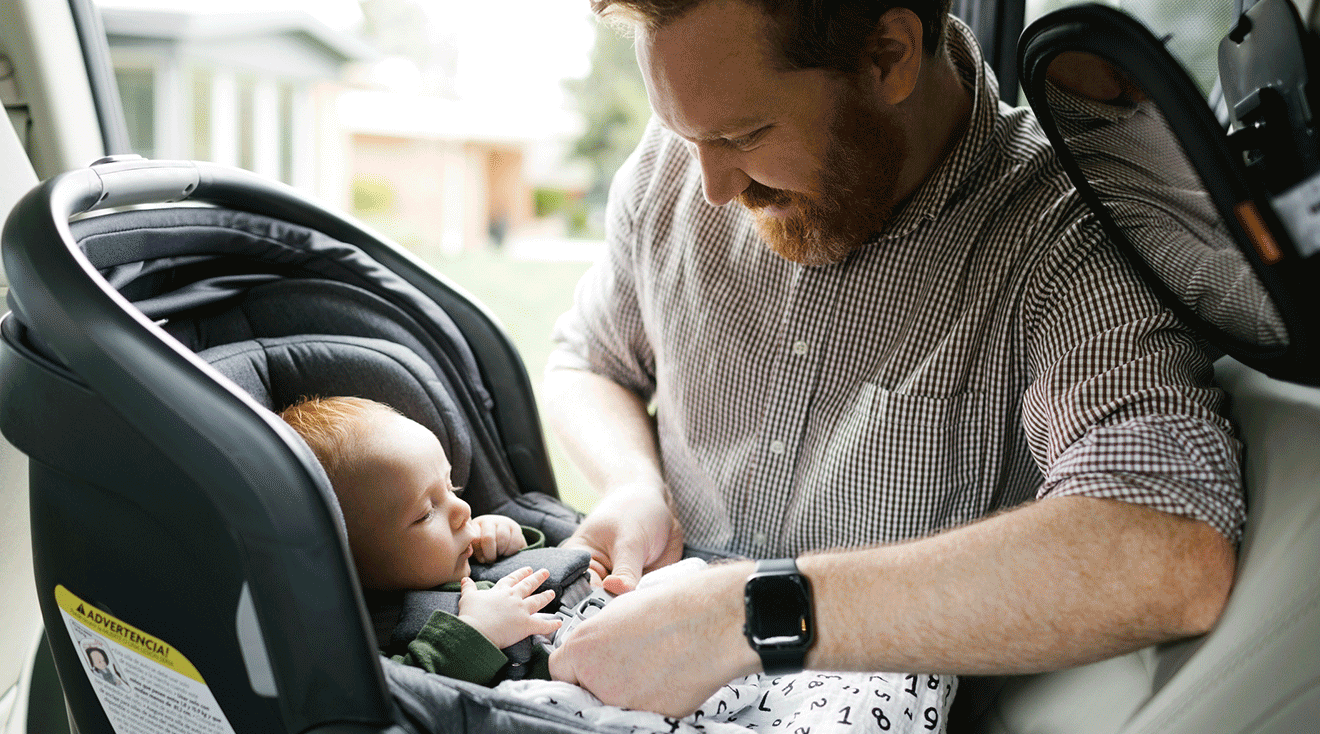
Proper positioning in a car seat is essential to keep your baby safe and comfortable during every ride. Even the best car seat won’t protect your child if it’s not used correctly. Paying attention to how you position your baby can make a big difference in preventing injury and ensuring a smooth journey.
Correct Harness Use
Make sure the harness straps lie flat without twists. Twisted straps can cause uneven pressure and reduce the effectiveness of the restraint.
The harness should be snug enough that you cannot pinch any slack at the shoulders. A loose harness allows too much movement and can be dangerous in a sudden stop.
Position the harness clip at armpit level to keep the straps properly aligned. Too high or too low can cause discomfort or even injury.
- Check that the harness is threaded through the correct slots for your baby’s height.
- Adjust the straps as your baby grows to maintain a secure fit.
- Regularly inspect the harness for wear and tear, replacing any damaged parts immediately.
Seat Angle And Support
Your baby’s head should never flop forward when in the car seat. This can block their airway and cause breathing problems.
Use the seat’s built-in recline indicators to find the right angle. Most infant seats should be reclined between 30 and 45 degrees to keep the head supported.
Additional support like rolled towels or specially designed inserts can help keep smaller babies properly positioned. But only use accessories approved by the car seat manufacturer to avoid safety hazards.
- Ensure the seat is installed tightly in the car with little to no movement side-to-side or front-to-back.
- Double-check the seat angle after every installation, especially if you switch the seat between vehicles.
- Observe your baby’s posture during rides and adjust as needed to keep their airway open and spine aligned.
Signs Your Baby Needs A Break
Prolonged time in a car seat can cause discomfort for babies. Signs like restlessness or crying indicate they need a break. Frequent breaks help ensure comfort and safety during long trips.
Recognizing when your baby needs a break from their car seat can make a huge difference in their comfort and your peace of mind during car journeys. Babies are not just miniature adults; their bodies and needs are different. They communicate discomfort in various ways, and being able to read these signs can prevent stress for both of you.Fussiness And Crying
Fussiness and crying are the most apparent indicators that your baby might need a break. If your usually calm baby starts to fuss, it might be time to pull over. Babies often cry when they are uncomfortable or need a change of scenery. Consider how long your baby has been in the car seat. A good rule of thumb is to give them a break every couple of hours. This can be especially important for longer trips where the monotony might increase their distress.Physical Movements
Pay attention to your baby’s physical movements. Are they squirming or arching their back? These actions can indicate discomfort or the need to stretch. Babies are naturally curious and enjoy moving about. When confined, they might exhibit physical signs of restlessness. Allow them some time out of the seat to move freely. Regular breaks not only help with comfort but also with circulation. A quick stretch can improve their mood and make the journey more enjoyable for everyone. Do you have any memorable experiences of your baby needing a break during a car trip? Share your stories or tips in the comments below!Traveling Tips For Parents
Traveling with a baby requires extra care and attention. Parents must balance safety and comfort on the road. Long car rides can be tough for little ones. Keeping your baby happy and secure is key. Smart planning helps avoid fussiness and stress for everyone.
Planning Breaks
Stop every one to two hours to give your baby a break. Take your child out of the car seat carefully. Let them stretch and move in a safe place. Use these breaks to feed, change diapers, and soothe your baby. Fresh air and a little playtime can calm a restless baby. Short stops help reduce discomfort and fussiness during long trips.
Alternative Baby Gear
Consider using gear other than a car seat during breaks. A baby carrier or stroller allows safe movement outside the car. These tools help keep your baby close and comfortable. They also make it easier to manage your baby in crowded or busy areas. Choose lightweight, easy-to-use gear for quick transitions. This approach adds comfort and keeps your baby happy during travel stops.
When To Transition Car Seats
Knowing when to transition your baby from one car seat to another is crucial for their safety and comfort. Each stage of your child’s growth demands a different type of seat designed to protect them effectively. Understanding these transition points helps you avoid rushing or delaying the change, ensuring your little one stays secure on every trip.
From Infant To Convertible Seats
Infant car seats are perfect for newborns because they provide extra support and a snug fit. However, your baby will outgrow this seat once they exceed the weight or height limit specified by the manufacturer, usually around 22 to 35 pounds.
Convertible seats are a great next step because they can be used rear-facing for toddlers and then converted to forward-facing as your child grows. Switching to a convertible seat allows your child to stay rear-facing longer, which experts say is safer for brain and neck development.
Remember, it’s not just about weight; check the seat’s height limits and your child’s comfort level. Have you noticed your baby’s head or legs pressing uncomfortably against the infant seat? That’s a clear sign it’s time to transition.
Forward-facing Guidelines
Many parents wonder when to turn their child forward-facing. The safest choice is to keep your child rear-facing until they reach the highest weight or height limit allowed by their convertible seat.
Once your child outgrows rear-facing limits, you can switch to forward-facing with a harness. Typically, this happens between 2 and 4 years old, but every child is different.
Always use the seat’s harness system properly—never switch to a booster seat too soon. Have you checked if your child fits securely in the forward-facing seat before making the change? A snug harness prevents unnecessary movement during a sudden stop.
Frequently Asked Questions
How Long Can Babies Safely Stay In A Car Seat?
Babies can stay in a car seat for up to 2 hours continuously. Prolonged sitting may affect breathing and posture. Always take breaks on long trips to ensure baby’s comfort and safety.
When Should Babies Transition From Infant To Convertible Car Seats?
Babies should transition when they exceed infant seat weight or height limits. Convertible seats accommodate older infants and toddlers safely, providing extended rear-facing travel.
What Is The Recommended Maximum Time For Newborns In Car Seats?
Newborns should not stay in car seats longer than 2 hours at a time. Excessive time may cause breathing difficulties and discomfort. Frequent breaks are essential during travel.
Can Extended Car Seat Use Affect A Baby’s Development?
Extended car seat use may impact a baby’s spine and muscle development. Limit sitting time and encourage supervised tummy time outside the seat for healthy growth.
Conclusion
Babies need to stay in car seats as long as safety rules say. Keep them rear-facing until they reach the right weight or height. This protects their head and neck in crashes. Check the car seat manual often for updates.
Never rush to move your baby too soon. Safety comes first on every trip. Small steps keep your child safe and comfortable. Remember, careful use of car seats saves lives every day. Trust the guidelines and enjoy worry-free travel with your little one.