
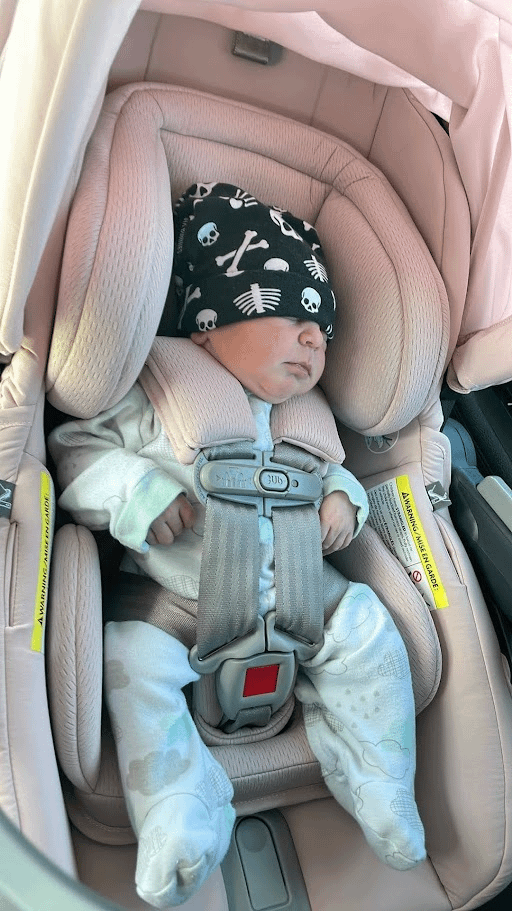
You want to keep your baby safe and comfortable during every car ride. But how long should your little one stay in a car seat at a time?
Too much time can be risky, and too little might make trips harder than they need to be. Understanding the right limits helps you protect your baby’s health and peace of mind. Keep reading to discover expert tips on car seat safety and learn exactly how long your baby should stay buckled in.
Your baby’s well-being depends on it.
Baby Car Seat Basics
Choosing the right car seat is crucial for a baby’s safety. Knowing the basics helps parents keep their little ones secure during every trip. Car seats come in different types designed for various ages and sizes. Each type supports babies in unique ways to protect them from harm. Understanding when to use each seat is key to safe travels.
Types Of Car Seats
Car seats fall into three main categories:
- Infant car seats:Made for newborns and small babies. They are rear-facing and portable.
- Convertible car seats:Can switch from rear-facing to forward-facing. Suitable for growing toddlers.
- Booster seats:Used for older children who outgrow forward-facing seats. They help position seat belts correctly.
Each seat has weight and height limits. Always check the labels to ensure proper fit.
When To Use Rear-facing Seats
Rear-facing seats offer the best protection for babies. They support the head, neck, and spine in a crash. Experts recommend keeping babies rear-facing as long as possible. Most infants should stay rear-facing until at least 2 years old or until they reach the seat’s maximum weight or height limit. Moving a baby to a forward-facing seat too soon can increase injury risk.
Recommended Duration In Car Seats
Knowing the recommended duration for babies in car seats helps keep them safe and comfortable. Babies have limits on how long they should stay in a car seat during rides. Following these guidelines reduces risks and protects their health.
Safe Time Limits Per Ride
Experts suggest babies should not stay in a car seat for more than two hours at a time. Short breaks are important during long trips to take the baby out and let them stretch. This practice helps prevent discomfort and reduces pressure on the baby’s developing spine.
For newborns and infants, frequent stops every 1.5 to 2 hours are best. Use these breaks to feed, change diapers, and hold the baby upright. This routine supports healthy breathing and proper posture.
Risks Of Prolonged Use
Long periods in a car seat can cause breathing problems for babies. Their neck muscles are weak and cannot support their heads well for too long. This may lead to airway restriction or poor oxygen flow.
Extended time in car seats also raises the risk of flat head syndrome. Constant pressure on one part of the head can change its shape. It can also cause muscle tightness or discomfort.
Keeping babies in car seats for too long can increase fussiness and stress. They need movement and interaction to stay calm and happy. Regular breaks help avoid these issues and promote well-being.
Signs Baby Needs A Break
Knowing when your baby needs a break from the car seat is crucial for their comfort and safety. Babies can’t tell you directly when they feel uneasy, so watching for subtle signs is your best tool. Paying attention to these signs helps prevent distress and keeps the journey smooth for everyone.
Recognizing Discomfort
Your baby may show discomfort in various ways while in the car seat. Look for fussiness, crying, or sudden restlessness that doesn’t stop with soothing. Sometimes, your baby might arch their back or try to squirm out of the seat, signaling they’ve had enough.
Facial expressions can also give clues—tightening lips, furrowed brows, or a red face indicate unease. Notice if your baby’s breathing changes or if they start sweating, which can mean they’re overheated. These signs suggest it’s time to pause and check on their comfort.
When To Stop For Breaks
Experts suggest not keeping a baby in a car seat for more than two hours at a stretch. However, each baby is different, and some may need breaks sooner. If you notice any discomfort signs, don’t wait; stop as soon as it’s safe.
Plan regular breaks during long trips—ideally every hour—to take your baby out of the seat. Use these pauses to feed, change diapers, and let your baby move freely. You might find your baby enjoys these moments and settles better when back in the seat.
Have you ever felt unsure about when to stop during a car ride? Trust your observations and your baby’s cues to decide. Your attentiveness can make all the difference in creating a comfortable travel experience.
Credit: www.thebump.com
Proper Car Seat Installation
Proper car seat installation is essential for your baby’s safety during every ride. A well-installed car seat reduces injury risks in case of sudden stops or accidents. It ensures the seat stays firmly in place and protects your child effectively.
Taking time to install the car seat correctly also helps your baby stay comfortable. A secure seat prevents unnecessary movement that can disturb your little one. Parents feel more confident knowing their child is safe and snug.
Securing The Seat Correctly
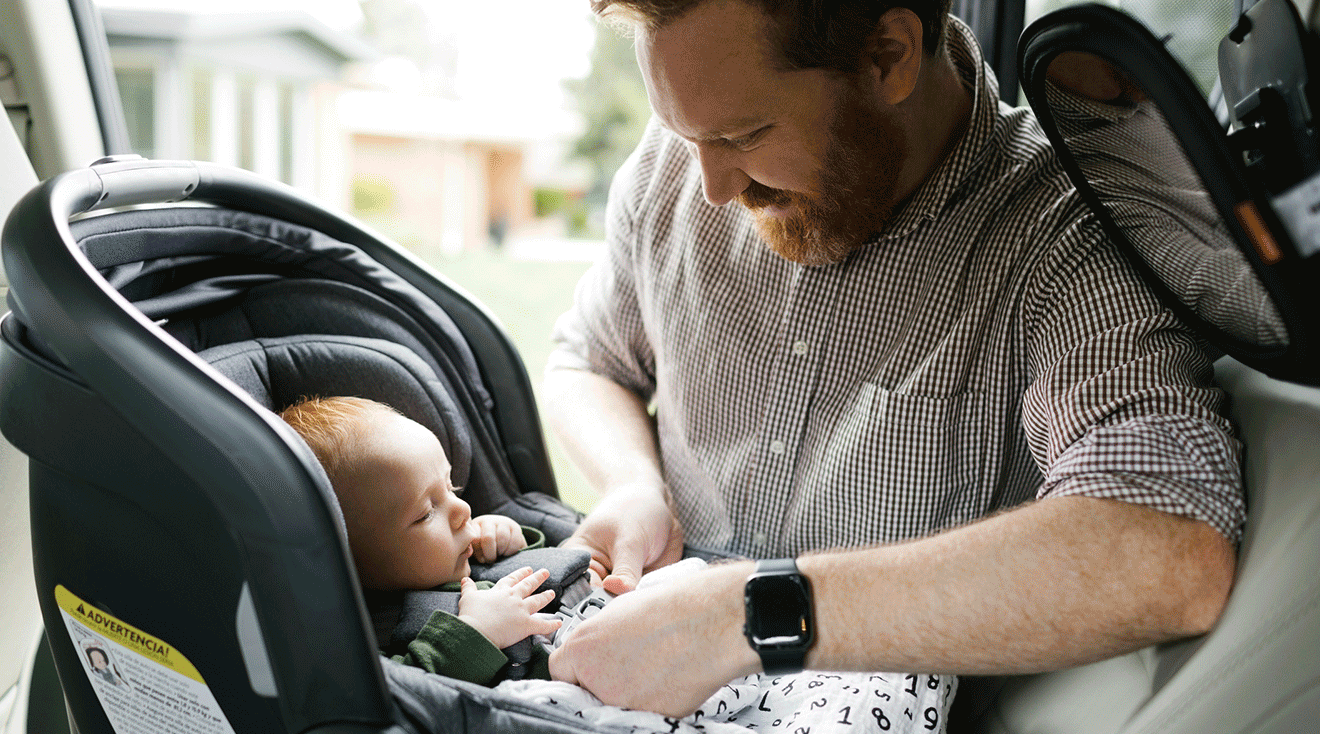
Place the car seat tightly against the vehicle seat. Use the seat belt or LATCH system to secure it. Check for any movement by pushing the seat side to side and front to back. The seat should not move more than one inch in any direction.
Follow the car seat manual carefully. Every model has specific instructions for installation. Ensure the seat angle matches the baby’s age and size to support their head and neck.
Harness Adjustments For Safety
The harness keeps your baby secure in the car seat. Adjust the straps so they lie flat without twists. The harness should fit snugly around your child’s shoulders and chest.
Place the chest clip at armpit level. This position keeps the harness straps in the correct place. Tighten the harness until you cannot pinch any excess webbing at the shoulder.
Traveling Tips For Infants
Babies should not stay in a car seat for more than two hours at a time. Long periods can cause discomfort and breathing problems. Take breaks to remove your baby from the seat and allow them to stretch and move.
Traveling with infants can be both a joyous adventure and a logistical challenge. As parents, ensuring your baby’s safety and comfort on the road is paramount. Proper planning can turn what might feel like a daunting task into an enjoyable experience for both you and your little one. With these practical tips, you’ll navigate your journey with confidence and ease.Planning Frequent Stops
Long drives can be tiring for adults, let alone for tiny passengers. To keep your baby safe and comfortable, plan for frequent stops along the way. Aim to stop every two hours to give your baby a break from the car seat. This not only reduces the risk of discomfort and restlessness but also provides you with a chance to stretch and recharge. Think about interesting spots where you can pause for a quick picnic or simply enjoy the scenery. A change of environment can be refreshing for everyone. Additionally, these breaks are a great opportunity to check on your baby’s needs, whether it’s a diaper change, feeding, or just some cuddles.Keeping Baby Comfortable
A comfortable baby is a happy traveler. To keep your little one cozy during the trip, dress them in light, breathable layers. This makes it easy to adjust to changing temperatures, especially if you’re traveling through different climates. Avoid bulky clothing that can interfere with the car seat straps. Incorporate familiar items from home to soothe your baby. A favorite toy or a soft blanket can provide comfort and a sense of security. You might be surprised at how much a familiar scent or texture can calm an anxious little traveler. Engage your baby with soft music or gentle conversation. Your voice is one of the most comforting sounds for your baby, and it can help keep them calm and entertained. Have you noticed how a simple lullaby can transform your baby’s mood? Remember, every journey with your baby is a new experience. What travel tips do you swear by when hitting the road with your little one?
Credit: medium.com
Alternatives To Car Seats During Long Trips
Long trips with a baby can be challenging, especially when you’re trying to balance safety and comfort. Sitting in a car seat for extended periods isn’t ideal for your little one, so finding alternatives during breaks or stops is crucial. Let’s look at some practical ways to keep your baby safe and comfortable outside the car seat during those long journeys.
Using Car Seat Bases
Car seat bases are a lifesaver for parents on the go. They allow you to securely snap the car seat in and out of the car quickly, which means you can easily transfer your baby without disturbing their sleep.
When you reach a rest stop or destination, unclicking the seat and moving your baby to a stroller or safe play area can give them a much-needed break. This setup reduces the time your baby spends strapped in and lets them stretch and move more freely.
Have you noticed how much easier it is to manage quick stops when the seat base is installed? It’s a simple addition that changes the travel game.
Safe Holding Practices When Not In Car
Sometimes, the best alternative to a car seat is simply holding your baby safely when the car is parked. Make sure you have a secure and comfortable position, supporting their head and neck properly.
Use a baby carrier or wrap if you plan to walk around during breaks. This keeps your hands free and your baby close, reducing the chance of sudden falls or accidents.
Remember, never hold your baby while the car is moving. But during stops, gentle rocking and close contact can soothe your baby and provide a welcome change from the car seat.

Credit: www.reddit.com
Frequently Asked Questions
How Long Can A Baby Safely Stay In A Car Seat?
Babies should not stay in a car seat for more than 2 hours at a time. Prolonged sitting can affect breathing and posture. Always remove your baby from the car seat for breaks during long trips to ensure safety and comfort.
When Should A Baby Transition From Car Seat To Stroller?
Transition from a car seat to a stroller once the baby is stable and awake. Avoid using the car seat as a stroller for long durations. This ensures proper support and reduces the risk of strain on the baby’s body.
Is It Safe For Newborns To Sleep In Car Seats?
Newborns can sleep in car seats during travel but not for extended periods. Prolonged sleep in car seats may cause breathing issues. Always monitor your baby and limit sleep time in the car seat to ensure safety.
How Often Should Parents Take Breaks During Car Seat Use?
Parents should take breaks every 1. 5 to 2 hours during car seat use. This helps prevent discomfort and health risks like restricted airflow. Use breaks to remove the baby from the seat, stretch, and check their well-being.
Conclusion
Babies need car seats for safety during every ride. They should stay in rear-facing seats as long as possible. This position protects their head and neck well. Moving too soon to forward-facing seats can be risky. Always check your car seat’s height and weight limits.
Follow the guidelines from safety experts and your pediatrician. Remember, safety comes first for your little one. Keep your baby secure and comfortable on every trip. Safe travels start with the right car seat use.