

You want to keep your baby safe and comfortable during every car ride. But how long should your baby actually stay in a car seat?
It’s a question many parents wonder about. Too little time, and you might worry about safety. Too long, and your baby could get uncomfortable or even face health risks. You’ll discover the right balance to protect your little one while making every trip smooth and stress-free.
Keep reading to find out what experts say and how you can make the best choice for your baby’s safety and comfort.
Credit: maxicosi.com
Car Seat Time Limits
Knowing how long your baby should stay in a car seat is crucial for their comfort and safety. While car seats are designed to protect, sitting for too long can cause discomfort or even health issues for your little one. Understanding car seat time limits helps you balance safety with your baby’s well-being during travel.
Recommended Duration For Infants
Experts suggest that infants should not remain in a car seat for more than 2 hours at a time. This limit helps prevent breathing difficulties and reduces the risk of positional asphyxia. If you’re on a long trip, plan for breaks every couple of hours to take your baby out and allow them to stretch and move.
Factors Affecting Time In Car Seat
Several things can influence how long your baby can comfortably stay in a car seat. Age and weight are important—newborns are more fragile and need more frequent breaks. The car seat’s angle also matters; a proper recline prevents slumping, which can affect breathing.
Temperature inside the vehicle plays a role too. A hot or stuffy car can make your baby restless faster. Think about how active or fussy your baby is during the ride; some tolerate longer periods better than others.
Signs Baby Needs A Break
Watch for clear signals your baby needs to get out of the car seat. If they start fussing, crying uncontrollably, or show signs of discomfort like arching their back, it’s time to pause. Restlessness or changes in breathing patterns are also red flags.
Regularly check your baby’s position. Slumping forward or to the side means they need repositioning or a break. Paying attention to these signs helps you prevent distress and keeps your baby safe and happy on the road.

Credit: incarsafetycentre.co.uk
Risks Of Prolonged Use
Leaving a baby in a car seat for too long can cause several health risks. Car seats are designed for travel safety, not for extended sitting or sleeping. Prolonged use may lead to discomfort and other serious problems.
Physical Health Concerns
Extended time in a car seat can cause pressure on a baby’s spine and hips. The seat’s shape may restrict natural movement. This can result in muscle stiffness and soreness. Babies need varied positions to keep muscles strong and flexible.
Developmental Impacts
Spending too much time in a car seat limits a baby’s ability to explore. Babies learn by moving and reaching around. Restricted movement can slow motor skill development. Tummy time and free play are essential for growth.
Breathing And Posture Issues
A baby’s head may fall forward while in a car seat, blocking airways. This position can cause breathing difficulties. Poor posture also puts strain on the neck and back. Always ensure the baby’s head is supported and aligned properly.
Safe Car Seat Practices
Keeping your baby safe in the car means mastering safe car seat practices. Every detail matters, from how the seat is installed to how the harness fits your growing child. These steps protect your baby and give you peace of mind during every trip.
Proper Installation Tips
Installing a car seat correctly can feel overwhelming, but it’s crucial for safety. Make sure the seat is tightly secured — it should not move more than an inch side to side or front to back.
Check your car manual and the car seat instructions carefully. Using the LATCH system or seat belt properly ensures a snug fit.
Have you ever thought about how a small mistake in installation could affect your baby’s safety? Double-checking can make all the difference.
Correct Harness Positioning
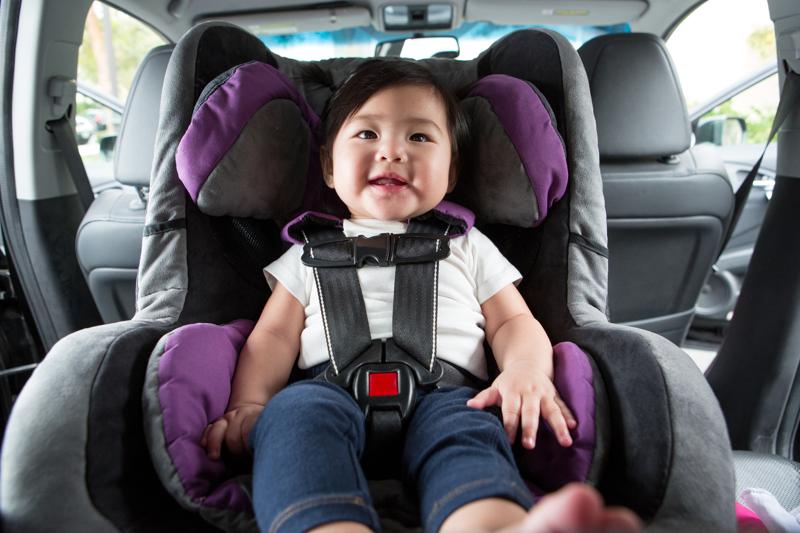
The harness keeps your baby secure, so its position matters. The straps should be at or just below your baby’s shoulders for rear-facing seats.
Make sure the harness is snug enough that you cannot pinch any slack between your fingers. A loose harness reduces effectiveness during sudden stops.
Sometimes parents think their baby is comfortable with a looser fit, but tight is safe. How tight is tight enough? Try the pinch test to be sure.
Adjusting For Baby’s Growth
Babies grow fast, and their car seat setup should keep up. Adjust the harness height and tighten the straps regularly to fit your baby’s changing size.
Also, watch the weight and height limits of your car seat. Moving to the next stage at the right time helps maintain safety without rushing.
Have you noticed your baby slipping out of the harness or getting squished? It’s time to adjust or upgrade the seat before it becomes a safety risk.
Credit: health.clevelandclinic.org
Alternatives For Baby Comfort
Keeping your baby comfortable during car rides is a top priority, especially when you wonder how long they should stay in their car seat. While car seats are essential for safety, long periods in them can cause discomfort. Luckily, there are smart alternatives to help your baby stay cozy without compromising safety.
Using Car Seat Base For Short Stops
Have you ever wished for a quicker way to get your baby out of the car without unbuckling the entire seat? A car seat base makes this easy. You can detach the seat quickly during short stops, giving your baby a chance to stretch and move around.
This small break can make a big difference in your baby’s comfort, especially during errands or quick visits. Just remember to always reinstall the seat correctly before driving again.
Portable Baby Carriers
Baby carriers offer a fantastic alternative when you want to keep your little one close but out of the car seat. They let your baby enjoy different positions and gentle movement, which can soothe and comfort them.
Carrying your baby also allows for bonding and gives you the freedom to move around easily. Have you tried switching to a carrier during long waits or breaks? You might notice your baby feels calmer and happier.
Scheduled Breaks During Long Trips
Long car trips can be tough on babies stuck in car seats for hours. Taking scheduled breaks every 1-2 hours lets your baby get out, stretch, and change positions. This helps prevent fussiness and keeps them comfortable.
During breaks, use the time for feeding, diaper changes, or just some playtime. Planning these stops ahead can make the journey smoother for both you and your baby.
Legal And Manufacturer Guidelines
Car seat time limits depend on legal rules and manufacturer instructions. Babies should stay in the seat only as long as it is safe and comfortable. Always follow official guidelines to protect your child during travel.
Understanding how long your baby should be in a car seat is essential for their safety and your peace of mind. Following legal and manufacturer guidelines ensures that your little one is protected during every car journey. Let’s explore the specifics to make sure you’re following the best practices.State Laws On Car Seat Use
State laws vary when it comes to car seat usage. In some states, the law requires children to be in a rear-facing car seat until age two, while others might have different age requirements. It’s crucial to check the laws in your state to ensure compliance. Ignoring these laws can not only put your child at risk but also result in fines. Always prioritize your child’s safety over convenience. Have you checked your state’s specific regulations recently?Manufacturer Time Recommendations
Manufacturers provide specific time recommendations for how long your baby should remain in their car seat. These guidelines are often based on your child’s weight and height rather than just age. Most infant car seats are designed for babies up to 20-35 pounds and about 30 inches in height. Exceeding these limits can compromise safety. Always refer to the car seat manual for the most accurate advice.When To Transition To Next Seat
Transitioning to the next seat involves more than just reaching a certain age. You should consider your child’s size and the seat’s specifications. Typically, when your baby’s head is within an inch of the top of the seat, it’s time to move to a convertible or forward-facing seat. Remember, transitioning too early can reduce protection in the event of a crash. Have you checked your car seat’s height and weight limits recently? It might be time to reassess and ensure your child is as safe as possible. Ensuring your child’s safety involves being proactive and informed. By following the legal and manufacturer guidelines, you give your child the best protection on the road.Frequently Asked Questions
How Long Can A Baby Safely Stay In A Car Seat?
Babies should not stay in car seats for more than 2 hours at a time. Prolonged sitting can cause breathing issues and discomfort. Always take breaks during long trips to remove your baby from the seat and allow movement.
When Should A Baby Transition From Rear-facing Car Seat?
Babies should remain rear-facing until at least 2 years old or until they reach the car seat’s height and weight limits. Rear-facing seats provide better protection for the head, neck, and spine during a crash.
Can Newborns Sleep Safely In Car Seats?
Newborns can sleep in car seats briefly during travel but should not sleep in them for extended periods. Prolonged use may cause breathing difficulties and positional asphyxia. Always supervise and limit car seat use outside the car.
What Are Signs Baby Outgrows A Car Seat?
Signs include the baby’s head touching the top of the seat, shoulders beyond harness slots, or weight limit exceeded. When these occur, it’s time to upgrade to the next appropriate car seat for safety.
Conclusion
Babies need to stay in car seats as long as safety rules say. Keep them rear-facing until they reach the right size. This helps protect their head and neck in crashes. Check the car seat’s manual for weight and height limits.
Avoid moving your baby too soon to the next seat. Always use the car seat properly every trip. Safety comes first for your little one’s travel. Remember, the right car seat time keeps your baby safe.