
You want your car to shine and stay protected, but how long does it really take to wax a car? If you’ve ever wondered whether waxing is a quick task or a time-consuming chore, you’re not alone.
Knowing the time involved helps you plan better and get the best results without feeling rushed. You’ll discover exactly how long waxing takes, what affects the timing, and tips to make the process smooth and efficient. Keep reading to find out how to give your car that brilliant finish without wasting your day.
Factors Affecting Waxing Time
Waxing a car does not take the same time for every vehicle. Several factors can change how long the process lasts. Understanding these factors helps plan the task better. It also improves the quality of the wax job.
Car Size And Shape
The size of the car greatly affects waxing time. Larger cars need more wax and more time to cover all areas. Small cars finish faster. The shape matters too. Curvy or detailed surfaces take longer to wax. Flat surfaces are quicker to handle.
Type Of Wax Used
Different wax types dry at different speeds. Liquid waxes usually dry faster than paste waxes. Some waxes spread more easily, reducing the time needed. Others require multiple layers, which adds to the total time. Choosing the right wax impacts how long the job takes.
Surface Condition
A clean and smooth surface takes less time to wax. Dirt, grime, or old wax must be removed first. Scratches or rough patches need special attention. This preparation can double the waxing time. Well-maintained surfaces speed up the process.
Weather And Environment
Temperature and humidity affect wax drying time. Hot, sunny days make wax dry faster but can be tricky to apply evenly. Cold or damp weather slows drying, increasing total time. Windy conditions can blow dust onto the wet wax. A calm, mild day is best for waxing.
Credit: 32autostore.com
Preparing Your Car For Waxing
Preparing your car before waxing is important. It ensures the wax sticks well and lasts longer. A clean, smooth surface helps the wax bring out the shine and protects the paint. Take time to prepare your car properly for the best results.
Washing And Drying
Start by washing your car thoroughly. Use a car shampoo designed for automotive paint. Avoid household detergents as they can strip away wax or damage paint. Rinse well to remove all dirt and soap. Dry the car completely with a soft microfiber towel. Water spots can affect the wax finish.
Removing Contaminants
After washing, check for stuck contaminants like tar, sap, or brake dust. These can ruin the wax job. Use a clay bar or a detailing spray to remove these particles. Work gently to avoid scratching the paint. The surface should feel smooth to touch before waxing.
Choosing The Right Tools
Select proper tools for waxing. Use a soft foam applicator pad to apply wax evenly. Have clean microfiber towels ready for buffing the wax off. Avoid rough or dirty cloths that can scratch the surface. Good tools make waxing easier and protect your car’s finish.
Wax Application Methods
Waxing your car involves choosing the right application method that fits your time, skill level, and desired finish. Each technique affects how long the process takes and the quality of the shine you achieve. Let’s look at three common ways to apply wax and what you can expect from each.
Hand Waxing
Applying wax by hand gives you full control over the process. It’s simple: you spread wax in small sections using a foam or microfiber applicator pad.
This method usually takes longer—expect anywhere from 30 minutes to over an hour, depending on your car’s size. The slower pace lets you work carefully, which can help prevent streaks and missed spots.
Have you noticed how hand waxing allows you to feel the surface texture? That tactile feedback can guide you to a more even coat.
Using A Dual-action Polisher
A dual-action polisher speeds up waxing by combining rotation and oscillation to spread wax evenly. It reduces physical effort and cuts the application time roughly in half.
With practice, you can wax a mid-sized car in about 20 to 30 minutes using this tool. The machine’s consistent motion also helps avoid swirl marks, giving a smooth, professional finish.
If you’ve ever struggled with uneven wax layers, this method might solve that problem for you.
Spray Wax Options
Spray wax is the quickest option, ideal for a fast touch-up or maintaining a shine between full waxes. You simply spray it on and wipe off with a microfiber cloth.
This can take as little as 10 to 15 minutes for most cars, making it perfect when time is tight. While it doesn’t offer the deep protection of paste or liquid wax, it still enhances gloss and repels water.
Do you often find yourself short on time but still want your car to look good? Spray wax might be your best friend.
Step-by-step Waxing Process
The art of waxing a car involves several meticulous steps. Each step ensures a gleaming finish that protects your vehicle’s paint. Understanding these steps can make the process efficient and satisfying.
Applying The Wax
Choose a high-quality car wax for optimal results. Begin with a clean, dry surface. Use a foam applicator pad to apply the wax. Work in small sections to prevent the wax from drying too quickly. Apply in a circular motion to cover evenly. Ensure a thin, uniform layer across each section.
Buffing And Polishing
Allow the wax to set for a few minutes. Check the instructions for the exact time. Use a clean microfiber cloth to buff the waxed area. Employ a gentle, circular motion for even polishing. This step enhances the shine and removes excess wax. Switch to a fresh cloth if the one in use becomes too saturated.
Final Inspection
Examine your car under natural light for best results. Check for any missed spots or streaks. Use a clean cloth to touch up as needed. Ensure all wax residue is polished off. A thorough inspection guarantees a flawless, glossy finish.
Time Estimates For Waxing
Knowing how long it takes to wax your car helps you plan your day better and set realistic expectations. The time needed depends on the vehicle size and whether you do it yourself or hire a professional. Let’s break down the estimates so you can decide what fits your schedule and needs.
Small Cars
Waxing a small car typically takes between 30 to 45 minutes. This includes washing, drying, applying the wax, and buffing it off. If you’re new to waxing, expect to spend a bit more time to get a smooth, even coat.
Small cars have less surface area, so you can move quickly once you get the hang of it. Have you ever noticed how just a little wax can make a big difference on a compact vehicle? That’s why spending the extra few minutes is worth it.
Medium And Large Vehicles
Medium-sized cars usually require about 45 to 60 minutes for a thorough waxing job. Large vehicles like SUVs or trucks can take up to 90 minutes or more. The bigger the surface, the more time you need to cover every inch properly.
Don’t rush through large vehicles; missed spots can dull the shine or leave streaks. Think about the last time you waxed your SUV—did it take longer than expected? That’s common and totally normal.
Professional Vs Diy Waxing
Professionals generally finish waxing in 30 to 60 minutes, thanks to experience and specialized tools. They also use high-quality products that can speed up the process and improve results. DIY waxing tends to take longer, especially if you’re learning or aiming for perfection.
If you value your weekend time, hiring a pro might be a smart choice. But if you enjoy hands-on care for your car, DIY waxing offers satisfaction and control over every step. Which approach fits your lifestyle better?
Credit: www.rightondetail.com
Tips For Faster Waxing
Waxing your car can take time, but some tips help speed up the process. These tips make waxing easier and quicker. They also help you get better results without extra effort.
Using Quick Detailers
Quick detailers help clean and shine your car fast. Spray a quick detailer on a small area before waxing. It removes dust and light dirt without washing. This step lets the wax stick better. You spend less time cleaning the whole car first. Quick detailers dry fast, so you can wax right away.
Working In Sections
Divide your car into small parts like doors, hood, and roof. Wax one section at a time. This keeps the wax from drying too fast or getting sticky. You control the process better and avoid missing spots. Working in sections keeps your pace steady. It also helps you finish faster without rushing.
Avoiding Common Mistakes
Skip waxing under direct sunlight to stop fast drying. Use soft, clean cloths to apply and buff wax. Avoid thick wax layers, which take longer to dry. Clean the car fully before waxing to save time fixing mistakes later. These small steps prevent errors that slow you down.
Maintaining Wax Protection
Maintaining wax protection keeps your car’s shine strong and lasting. Wax shields the paint from dirt, rain, and sun damage. Regular care helps the wax stay effective longer and protects your vehicle’s look.
Regular Cleaning
Clean your car often to protect the wax layer. Use gentle car soap and water. Avoid harsh chemicals or rough brushes that can damage wax. Dry the car with a soft cloth to prevent water spots.
Touch-up Applications
Apply small amounts of wax between full wax jobs. This fills in any worn spots and keeps the surface smooth. Use a clean applicator and work in small sections. Buff gently to blend the wax with the old layer.
When To Reapply Wax
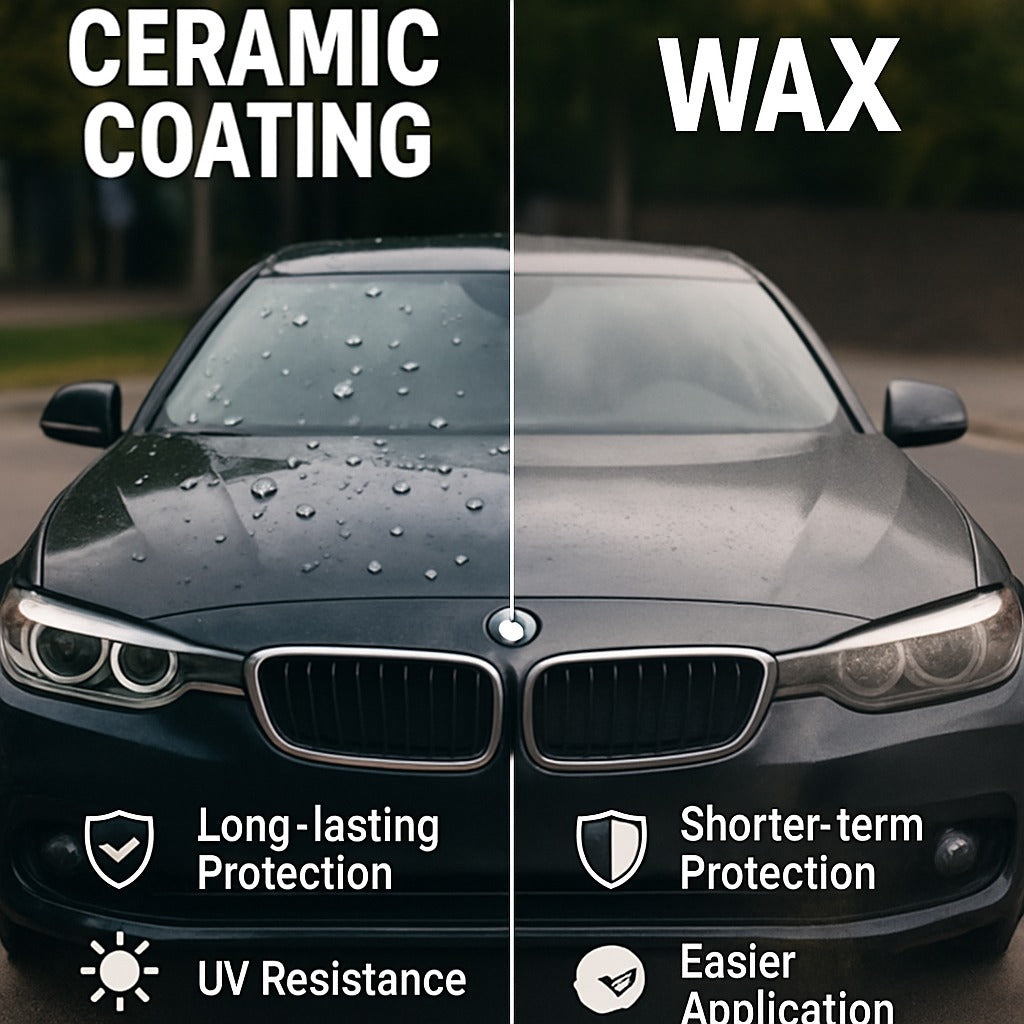
Check wax condition every few weeks. Signs to reapply include water not beading or dull surface. Weather and driving habits affect wax life. Typically, waxing every 2-3 months keeps good protection.
Credit: www.turtlewax.com
Frequently Asked Questions
How Long Does A Full Car Wax Take?
A full car wax typically takes 1 to 2 hours. This depends on car size and wax type. Proper preparation and drying also affect the time.
Can Waxing A Car Be Done Quickly?
Yes, quick waxing can take 30 to 45 minutes. However, fast waxing may reduce protection quality. For best results, take your time.
How Often Should I Wax My Car?
Wax your car every 3 to 4 months. This maintains paint protection and shine. Frequency depends on weather and driving conditions.
Does Professional Car Waxing Take Less Time?
Professional waxing usually takes about 1 hour. Experts use efficient tools and techniques. This ensures quality and saves your time.
Conclusion
Waxing a car usually takes between 30 minutes to an hour. The time depends on the car’s size and the wax type used. Taking your time ensures a smooth, shiny finish. Rushing may cause uneven coverage or streaks. Regular waxing protects your paint and keeps your car looking new.
A little effort brings long-lasting results. Try to wax your car every few months. It’s a simple way to maintain your vehicle’s shine and value.