
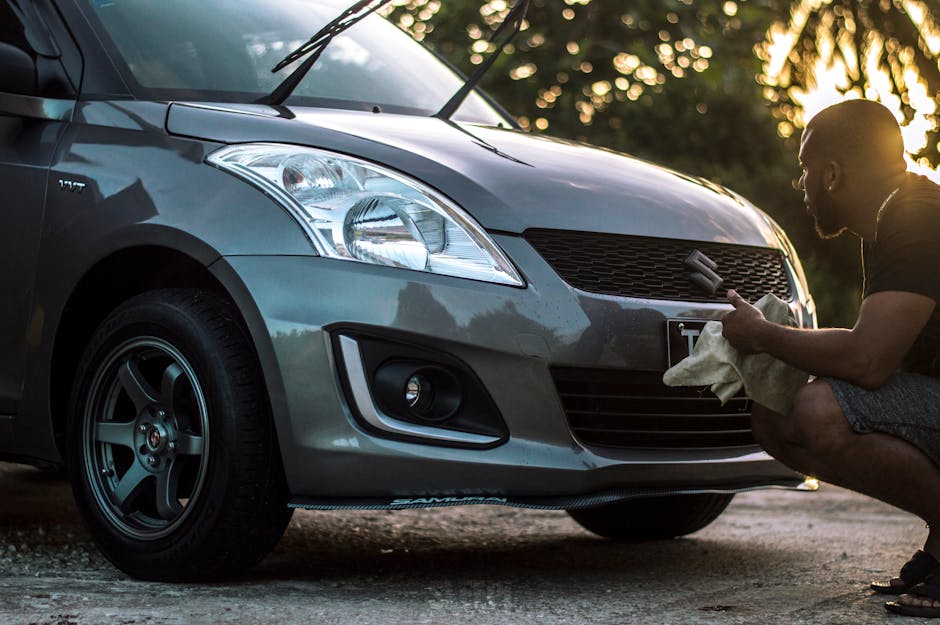
You’ve just given your car a fresh coat of wax, and it looks amazing. But you’re probably wondering—how long will that shine really last?
Knowing the answer can save you time, money, and frustration. You’ll discover what affects the lifespan of car wax, how to tell when it’s time to reapply, and simple tips to keep your car looking its best for longer. Keep reading to protect your investment and enjoy that showroom shine every day.
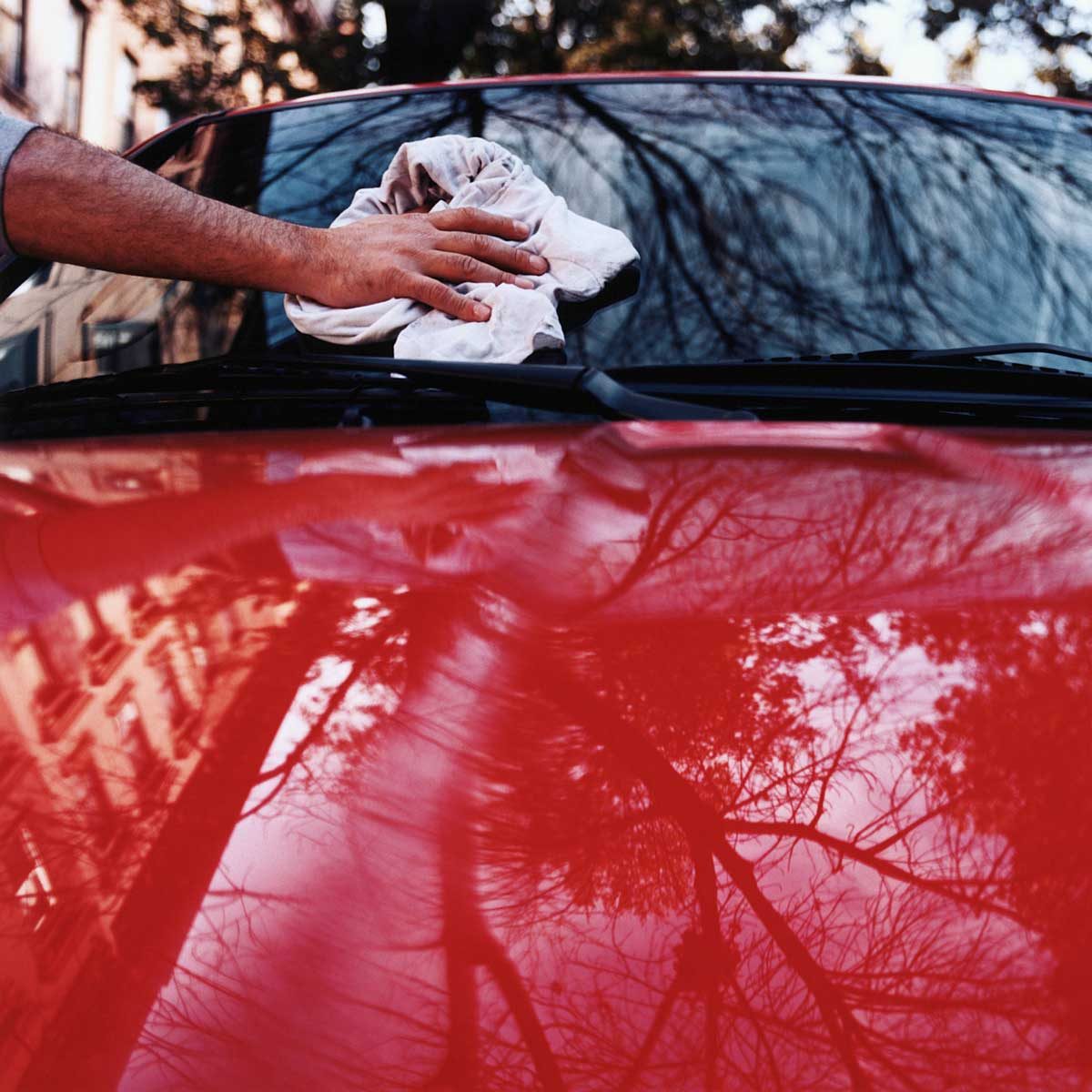
Credit: www.familyhandyman.com
Types Of Car Wax
Choosing the right type of car wax can greatly affect how long your car stays shiny and protected. Not all waxes are created equal, and understanding the differences helps you pick one that fits your needs and driving habits. Let’s look at the main types of car wax available and how they perform.
Natural Waxes
Natural waxes, often made from carnauba, come from the leaves of Brazilian palm trees. They provide a deep, warm shine that many car enthusiasts love. However, natural waxes tend to wear off quicker, usually lasting about 4 to 6 weeks.
If you enjoy regularly caring for your car and want that classic glossy finish, natural wax is a great choice. But if you prefer longer-lasting protection, you might find yourself reapplying it often.
Synthetic Waxes
Synthetic waxes are made from polymers and other man-made ingredients designed to bond tightly to your car’s paint. They typically last much longer than natural waxes, often up to 3 to 6 months. This means fewer applications and more time enjoying your ride.
They don’t always deliver the same depth of shine as natural wax, but their durability can be a major advantage. Are you looking for low maintenance with solid protection? Synthetic wax might be your answer.
Hybrid Waxes
Hybrid waxes blend natural and synthetic ingredients to offer a balance between shine and durability. They aim to give you the best of both worlds—a rich gloss and longer-lasting protection than pure natural wax.
This type is ideal if you want impressive shine but don’t want to wax your car every few weeks. Would you try a hybrid wax to save time without sacrificing appearance?
Factors Affecting Wax Longevity
Understanding the factors that affect how long your car wax lasts can save you time and money. Wax longevity isn’t just about the brand or type of wax you choose. It depends heavily on external and internal conditions that influence the wax’s durability on your car’s surface.
Weather Conditions
Weather plays a huge role in how long car wax can protect your paint. Harsh sunlight can break down wax faster, causing it to fade or peel. Rain and snow introduce moisture and chemicals like road salt that wear down the wax layer over time.
Have you noticed your car’s shine disappearing faster during hot summers or after heavy storms? That’s because UV rays and water exposure speed up wax deterioration. If you live in a region with extreme weather, expect to reapply wax more often to maintain that fresh look.
Car Usage
How often and where you drive your car also affects wax longevity. Daily city driving exposes your car to pollution, dirt, and frequent washing, all of which can strip the wax faster. On the other hand, a car parked in a garage and driven occasionally will keep its wax protection longer.
If you love road trips or drive on gravel roads, wax can chip or wear away from the increased debris impact. Ask yourself: Do you drive mostly in clean environments or rough terrain? This can help you decide how often to wax your car for optimal protection.
Application Method
The way you apply wax makes a surprising difference in how long it lasts. Applying wax on a clean, dry surface ensures better bonding and longer protection. Skipping prep steps like washing and drying can cause the wax to flake off prematurely.
Using the right tools—like soft applicator pads—and applying wax evenly in thin layers helps it cure properly. Have you ever rushed through waxing and noticed streaks or patches wearing off quickly? Taking your time with careful application pays off with longer-lasting results.
Typical Duration Of Car Wax
Understanding how long your car wax will last helps you plan your car care routine effectively. The duration varies depending on the type of wax and additional products used. Let’s break down the typical lifespan of different waxes and how sealants and coatings can extend their protection.
Natural Wax Lifespan
Natural waxes, often made from carnauba, offer a deep, glossy shine that many car enthusiasts love. However, this type of wax usually lasts about 4 to 6 weeks under normal driving conditions.
If you drive frequently in harsh weather or wash your car often, expect the wax to wear off faster. I noticed my car’s shine faded within a month after applying natural wax during a rainy season.
Natural waxes require more frequent reapplication but deliver a warm, rich finish that synthetic options often lack.
Synthetic Wax Lifespan
Synthetic waxes, made from polymers, provide longer-lasting protection compared to natural wax. Typically, synthetic wax can last anywhere from 2 to 4 months depending on the product and environment.
These waxes resist water and dirt better, making them ideal if you want less maintenance. After switching to synthetic wax, I reduced my waxing schedule to every three months, which saved time and kept my car looking fresh.
Think about how often you’re willing to wax your car and whether longer protection matters more than a natural glow.
Effect Of Sealants And Coatings
Sealants and ceramic coatings can dramatically increase the lifespan of your wax layer. Sealants typically last 4 to 6 months, while ceramic coatings can protect your paint for years.
These products form a stronger barrier, which means less frequent waxing is needed. If you’ve ever tried a ceramic coating, you know it can keep your car cleaner and shinier for much longer.
Consider combining wax with sealants or coatings if you want maximum durability with minimal effort.
Signs Wax Needs Reapplication
Car wax adds a protective layer to your vehicle, enhancing its shine. Over time, this layer can wear off, reducing its effectiveness. Knowing the signs of wax degradation helps maintain your car’s appearance. Below, explore the clear indicators that it’s time for a wax reapplication.
Loss Of Shine
A freshly waxed car gleams under the sunlight. This shine diminishes as the wax wears off. If your car looks dull or faded, it might need re-waxing. Regular inspection under direct light can help spot this early.
Water Beading Reduction
Waxed surfaces repel water, creating beads that roll off easily. With time, this effect lessens. If raindrops spread out instead of forming beads, your wax layer is thinning. Check after a rain or car wash for clear signs.
Surface Texture Changes
Run your hand gently over the car’s surface. A smooth, slick feel indicates good wax coverage. If it feels rough or sticky, the wax might be gone. This change often coincides with visible dirt accumulation.
Tips For Longer Lasting Wax
Keeping your car wax fresh for a longer time takes some care and attention. A few simple steps can extend the shine and protection your wax provides. Focus on cleaning, applying, and caring for your wax properly to enjoy a lasting finish.
Proper Surface Preparation
Start with a clean car surface. Dirt and grime reduce wax adhesion. Wash your car thoroughly and dry it well before waxing. Use a clay bar to remove stubborn contaminants. This creates a smooth base for the wax to stick better.
Optimal Application Techniques
Apply wax in thin, even layers. Thick layers take longer to dry and may peel. Use a soft applicator pad in small circular motions. Work in the shade to avoid quick drying. Let the wax haze before buffing it off with a clean microfiber cloth.
Regular Maintenance
Keep your car clean between waxings. Rinse off dirt and bird droppings quickly. Use a quick detailer spray to refresh the wax layer. Avoid harsh car washes with strong chemicals. Regular touch-ups help maintain the wax’s protective barrier longer.
Common Waxing Mistakes To Avoid
Waxing your car protects its paint and keeps it shiny. Many people make simple mistakes that reduce how long the wax lasts. Avoiding these errors helps you get the best results and longer protection.
Applying On Dirty Surface
Wax must go on a clean car. Dirt and dust stop wax from sticking. Wash and dry your car before waxing. This step removes grime and old wax. Wax on a dirty surface looks uneven and peels off fast.
Overusing Wax
More wax does not mean better protection. Too much wax creates thick layers that peel easily. Apply a thin, even coat. Let it dry properly before buffing. Overusing wax wastes product and shortens its life.
Ignoring Environmental Factors
Heat, rain, and sun affect wax durability. Waxing under direct sunlight can cause streaks. Rain soon after waxing washes the product away. Choose a cool, dry day for waxing. Protect your car from harsh weather to keep wax lasting longer.
Comparing Wax With Other Paint Protection
Choosing the right paint protection for your car is more than just about shine. It’s about how long the protection lasts, how it handles daily wear, and what fits your lifestyle and budget. Comparing wax with other options like sealants and ceramic coatings can help you decide which suits your needs best.
Wax Vs Sealants
Wax is natural or synthetic and gives your car a warm, deep shine with a pleasant scent. However, it typically lasts only a few weeks to two months before needing reapplication.
Sealants, on the other hand, are synthetic products designed to create a stronger, longer-lasting barrier. They usually last 4 to 6 months and resist contaminants better than wax.
If you want easy application and a natural finish, wax is appealing. But if you prefer more durable protection with less frequent upkeep, sealants might be the better choice.
Wax Vs Ceramic Coatings
Ceramic coatings offer a high level of protection by bonding chemically to your car’s paint. They provide a glossy, hydrophobic surface that repels dirt, water, and even minor scratches.
While wax gives a shine for a few weeks, ceramic coatings last for years, sometimes up to 5 years, with proper maintenance.
Applying ceramic coatings requires more preparation and skill, often needing professional installation. Wax is easier and less costly to apply but demands regular maintenance to keep your car protected.
Cost And Durability Differences
| Protection Type | Average Cost | Durability | Maintenance Frequency |
|---|---|---|---|
| Wax | $10 – $30 (DIY) | 2 weeks to 2 months | Every 2 months |
| Sealants | $20 – $60 (DIY) | 4 to 6 months | Twice a year |
| Ceramic Coatings | $300 – $1,000+ (Professional) | 2 to 5 years | Annual maintenance recommended |
Are you willing to spend more upfront for years of protection, or do you prefer regular, budget-friendly upkeep? This decision shapes how often you’ll work on your car’s paint and how protected it stays.

Credit: carfromjapan.com

Credit: carfromjapan.com
Frequently Asked Questions
How Long Does Car Wax Protect Your Vehicle?
Car wax typically lasts between 4 to 8 weeks. Factors like weather, washing frequency, and wax type affect durability. Regular maintenance can extend protection. Proper application also enhances wax longevity.
Does Wax Type Affect How Long It Lasts?
Yes, synthetic waxes usually last longer than natural waxes. Synthetic options can protect for up to 6 months. Natural waxes, like carnauba, offer a deeper shine but wear off faster.
How Often Should I Reapply Car Wax?
Reapply car wax every 6 to 8 weeks for optimal protection. Frequent washing or exposure to harsh elements may require earlier application. Regular waxing maintains shine and safeguards paintwork.
Can Environmental Conditions Shorten Car Wax Life?
Yes, exposure to sun, rain, and pollution reduces wax effectiveness. UV rays degrade wax layers quickly. Frequent driving in harsh conditions means waxing more often is necessary.
Conclusion
Car wax usually lasts between a few weeks to several months. The exact time depends on the wax type and weather conditions. Regular washing and parking in shade can help it last longer. Reapplying wax keeps your car’s paint protected and shiny.
Remember, a clean car holds wax better. Check your car often and apply wax as needed. Protect your vehicle with simple care steps. A well-waxed car looks great and stays safe from damage. Waxing is a small effort with big benefits.