

Are you sure your child is staying in their car seat for the right amount of time? Knowing exactly how long kids should stay in car seats isn’t just about following rules—it’s about keeping your little one safe every time you hit the road.
You might think you have it all figured out, but there are important details that many parents miss. You’ll discover the key guidelines and tips that will help you protect your child better than ever before. Keep reading to learn what every parent needs to know about car seat safety.

Credit: medium.com
Car Seat Types
Choosing the right car seat for your child is key to their safety and comfort during every ride. Each type of car seat serves a specific purpose and fits different age groups and sizes. Understanding these options helps you decide when to switch seats as your child grows.
Rear-facing Seats
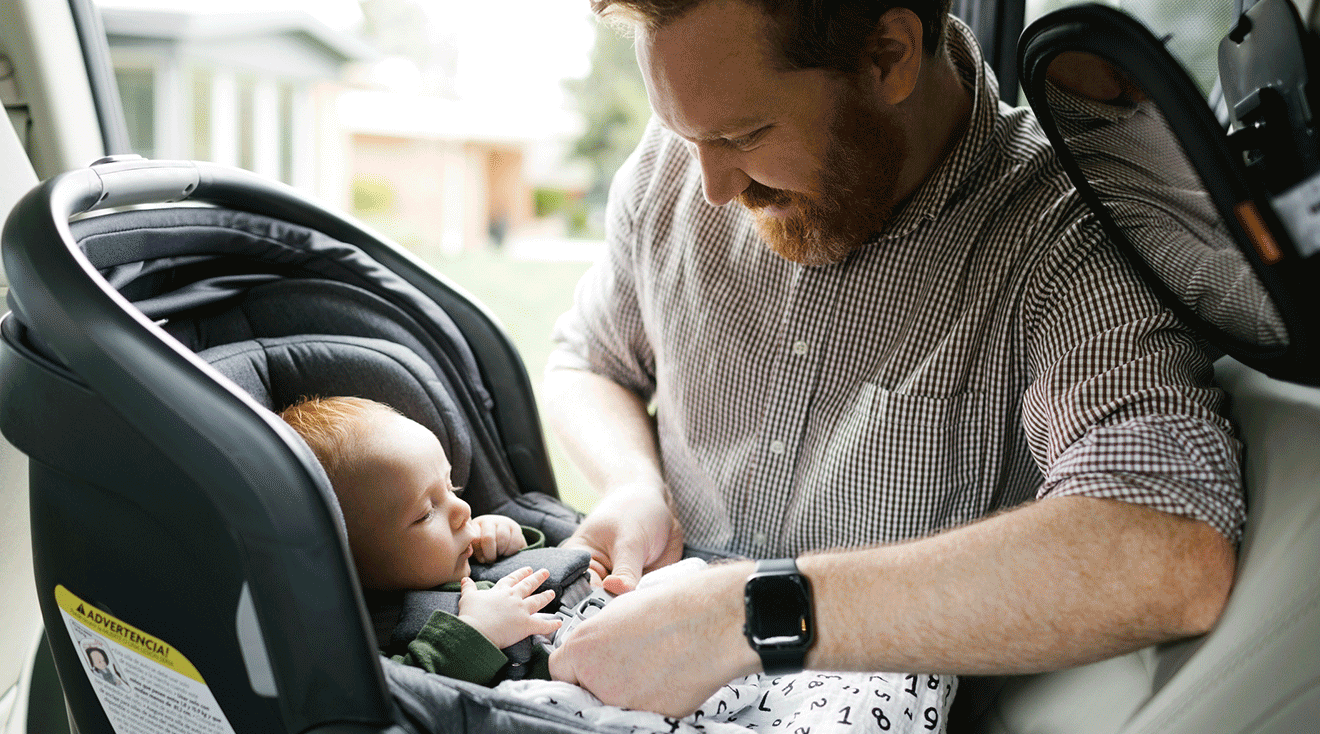
Rear-facing seats are designed for infants and toddlers, typically from birth up to at least 2 years old, or until they reach the maximum height and weight allowed by the seat manufacturer.
These seats provide the best protection for a child’s head, neck, and spine in a crash. Have you checked if your child’s current seat supports extended rear-facing? Many newer models allow kids to stay rear-facing longer than older seats.
Forward-facing Seats
Once your child outgrows the rear-facing seat, usually around age 2 to 4, it’s time to move to a forward-facing seat with a harness. These seats offer a secure fit and keep your child restrained safely during travel.
Keep your child in this seat until they reach the weight or height limit set by the manufacturer. Are you aware of the specific limits on your child’s seat? It’s crucial to follow them for maximum safety.
Booster Seats
Booster seats come into play when your child is too big for a forward-facing seat but not yet tall enough for the car’s seat belt to fit properly. Usually, kids start using boosters around age 4 to 8.
Booster seats help position the seat belt correctly across the chest and hips, reducing injury risk. Have you noticed how many kids skip this step and go straight to seat belts? That often leads to poor belt fit and higher injury risk.
Credit: www.thebump.com
Age And Weight Limits
Understanding the age and weight limits for car seats is crucial for child safety. Car seats protect children by keeping them secure during travel. Each type of seat has specific guidelines based on a child’s growth. Knowing these limits helps parents choose the right seat at the right time. This ensures maximum protection on every ride.
Rear-facing Duration
Children should stay in rear-facing seats as long as possible. Experts recommend a minimum of two years. Some seats support children up to 40 pounds or more. Rear-facing seats protect a child’s head, neck, and spine better in crashes. Always follow the seat’s weight and height limits before switching.
Forward-facing Duration
Once children outgrow rear-facing seats, they move to forward-facing seats. These seats usually fit children from 20 to 65 pounds. The age range is about two to seven years old. Forward-facing seats have harnesses to keep kids secure. Stop using this seat when the child exceeds weight or height limits.
Booster Seat Duration
Booster seats help children use the car’s seat belt correctly. Kids usually start using boosters around 4 to 7 years old. Weight limits often range from 40 to 100 pounds. Children stay in boosters until seat belts fit properly without help. This usually happens when they reach 4 feet 9 inches tall.
Safety Regulations
Safety regulations guide how long children must stay in car seats. These rules help keep kids secure during every ride. Regulations come from different sources and vary by location. Understanding these rules helps parents choose the right car seat and use it correctly.
Federal Guidelines
The government sets basic rules for child car seats. These guidelines focus on age, weight, and height limits. They recommend rear-facing seats for infants until at least age 2. Forward-facing seats with a harness follow. Booster seats come next, for older kids who outgrow harnesses.
Federal rules ensure car seats meet safety tests. Look for labels showing compliance with these standards. Following federal guidelines reduces injury risks in crashes.
State Laws
Each state has its own car seat laws. These laws can be stricter than federal rules. They specify how long children must use rear-facing, forward-facing, or booster seats. Penalties apply for breaking these laws.
Check your state’s regulations before traveling. This helps avoid fines and keeps kids safe. States update laws based on new safety research.
Manufacturer Instructions
Car seat makers give detailed use instructions. These include weight and height limits for each stage. Follow these instructions closely to ensure proper installation.
Manufacturers also advise on seat expiration dates. Using a seat past its expiry can reduce protection. Always read the manual before buying or installing a car seat.
Signs To Transition
Children should stay in car seats until they reach the height or weight limit set by the manufacturer. Signs to transition include outgrowing the seat or the harness no longer fitting properly. Safety and comfort guide the right time to move on.
Transitioning your child to a new car seat is crucial for safety. Knowing the right time helps ensure your child remains secure during travel. Several indicators can guide you through this process.Physical Growth Indicators
Children grow quickly. Check the car seat’s height and weight limits. If your child exceeds these, it is time to transition. Also, observe if their head reaches above the seat’s top edge. This indicates they need a bigger seat.Behavioral Signs
Watch your child’s behavior during car rides. If they seem restless or frequently complain, this might be a sign. They could be uncomfortable or feel restrained. A new seat could improve their comfort and mood.Comfort And Fit
Proper fit is essential for safety. Ensure the harness fits snugly without being too tight. If you notice the straps are difficult to adjust, it may indicate the need for a new seat. Also, check if your child’s legs seem cramped. A bigger seat will offer them more room.Common Mistakes
Parents want their children safe in car seats. Many common mistakes can reduce safety. Knowing these errors helps keep kids protected during every ride.
Premature Transitions
Switching to the next car seat type too soon is risky. Toddlers may not be ready to face forward. Staying rear-facing longer offers better head and neck support. Waiting until children reach the right height and weight keeps them safer.
Incorrect Installation
Car seats must be tightly and properly installed. Loose seats can cause serious injury in a crash. Many parents do not read the instructions fully. Using the seat belt or LATCH system incorrectly weakens the seat’s effectiveness. Double-checking installation ensures maximum protection.
Ignoring Weight Limits
Every car seat has weight limits. Exceeding these limits reduces safety. Children grow fast and may outgrow a seat without parents realizing. Using a seat beyond its weight capacity can cause failure in a crash. Always check the seat’s label and change seats at the right time.

Credit: agirlsguidetocars.com
Tips For Proper Use
Proper use of car seats is key to keeping kids safe during every ride. Parents must know how to install and adjust car seats correctly. Regular checks help ensure the seat protects the child as intended. Follow these tips to use car seats safely and confidently.
Installation Checks
Ensure the car seat fits tightly in the vehicle. Use the seat belt or LATCH system to secure it firmly. The seat should not move more than one inch side to side or front to back. Check the angle of the car seat to match the child’s age and size. Read the car seat manual and vehicle guide for proper installation steps.
Harness Adjustments
Adjust the harness straps to fit snugly around the child’s body. The straps should lie flat without twists. Position the harness at or below the shoulders for rear-facing seats. For forward-facing seats, the harness should be at or above the shoulders. Use the chest clip at armpit level to keep straps in place.
Regular Inspections
Inspect the car seat often for wear and tear. Check for cracks, broken parts, or frayed straps. Make sure the harness tightens and loosens easily. Clean the seat fabric according to the manufacturer’s instructions. Replace the car seat after a crash or if it expires according to its label.
Frequently Asked Questions
How Long Should Kids Use Rear-facing Car Seats?
Kids should stay rear-facing until at least age 2 or until reaching the seat’s height and weight limit. Rear-facing seats provide better head and neck protection during crashes. Keeping children rear-facing longer significantly improves their safety in vehicles.
When Can Kids Switch To Forward-facing Car Seats?
Children can switch to forward-facing seats once they outgrow rear-facing limits, usually after age 2. Forward-facing seats have harnesses that secure kids up to about age 5 or when they reach weight and height limits. Always follow manufacturer guidelines for safe transitions.
At What Age Can Kids Stop Using Car Seats?
Kids generally stop using car seats when they reach 4 feet 9 inches tall, typically between ages 8 to 12. At this height, seat belts fit properly without booster seats. However, always check local laws and use booster seats until belts fit correctly.
Why Are Car Seat Height And Weight Limits Important?
Height and weight limits ensure the car seat fits your child properly for maximum safety. Using a seat beyond its limits can reduce protection and increase injury risk. Always follow these limits rather than just age recommendations.
Conclusion
Kids need car seats until they grow big and strong enough. Rules vary by age, weight, and height. Always follow safety guidelines to protect your child. Check your local laws for exact requirements. Changing seats too soon can be risky.
Keep your child rear-facing as long as possible. Booster seats come next before regular seat belts. Safety is the top priority on every trip. Stay informed and keep your little ones safe. Car seats save lives—never rush the process.