
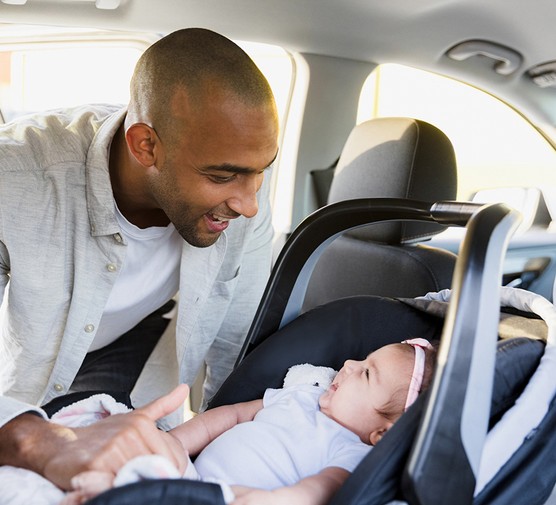
You’ve probably asked yourself, “How long can I safely leave my baby in a car seat?” Whether it’s during a quick errand or a longer trip, keeping your little one secure and comfortable is your top priority. But did you know that leaving your baby in a car seat for too long can be risky?
Understanding the right time limits can protect your child and give you peace of mind. Keep reading to learn exactly how long your baby should stay in a car seat and what signs to watch for to keep them safe and happy.
Risks Of Prolonged Car Seat Use
Leaving a baby in a car seat for too long can cause serious health risks. Car seats are designed for travel safety, not extended rest. Prolonged use can affect breathing, cause discomfort, and lead to overheating. Understanding these risks helps keep your baby safe.
Breathing And Oxygen Concerns
Babies’ airways are small and delicate. Sitting in a semi-reclined position for hours can restrict airflow. This limits oxygen and can cause breathing problems. The car seat’s angle may cause the baby’s head to slump forward. This position blocks the airway and reduces oxygen supply. Short periods are safe, but long use increases risk.
Physical Discomfort And Pressure Points
Car seats do not offer full support for long sitting. Pressure builds up on certain body parts, causing pain. Soft muscles and bones can become sore or stiff. Babies cannot adjust their position by themselves. This leads to discomfort and fussiness. Extended use may also affect spine and hip development.
Temperature And Ventilation Issues
Car seats can trap heat and reduce airflow. Babies overheat quickly because they cannot cool down well. Poor ventilation raises the risk of heat stress and dehydration. Warm environments inside cars make this worse. Always check the baby’s temperature and remove extra layers. Avoid leaving babies in car seats for long periods.
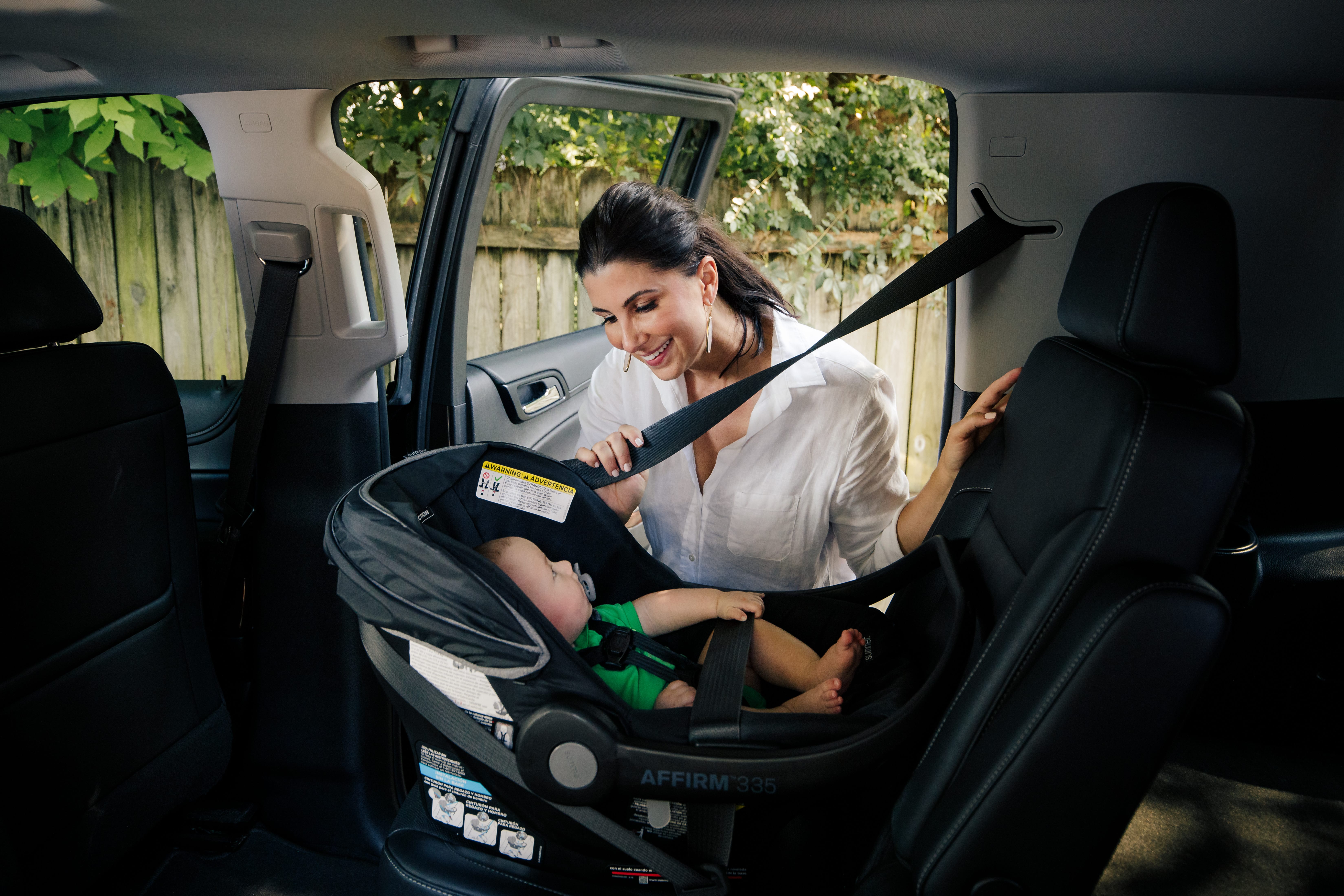
Credit: www.safeintheseat.com
Recommended Time Limits
Understanding how long your baby can safely stay in a car seat is crucial for their health and comfort. Babies should not be left in car seats for extended periods outside of travel. Knowing the recommended time limits helps you prevent discomfort, breathing issues, and other risks associated with prolonged sitting in a car seat.
Guidelines From Pediatric Experts
Pediatricians generally advise limiting car seat time to about 2 hoursat a stretch. This is because sitting in a semi-reclined position for too long can cause breathing difficulties and put pressure on your baby’s developing spine.
After two hours, it’s important to take your baby out and let them stretch or lie flat. Even during long trips, plan frequent stops every couple of hours for breaks. This practice helps avoid potential health issues and keeps your baby comfortable.
Age And Weight Considerations
Newborns and smaller infants are more vulnerable to the effects of staying too long in car seats. Their neck muscles are weaker, and prolonged time in a reclined position can affect their airway.
As your baby grows and gains weight, they may tolerate longer periods in the car seat, but the 2-hour limit is still a good rule to follow. If your baby falls asleep in the car, resist the urge to keep them there beyond the recommended time.
Have you noticed your baby becoming restless or fussy after sitting in the car seat for a while? That might be a sign it’s time for a break.
Signs Your Baby Needs A Break
Babies can only stay safely in a car seat for a limited time. Watching for signs your baby needs a break helps keep them safe and comfortable. Babies cannot tell you when they need to move or stretch. It is important to notice their signals early. Recognizing these signs helps prevent discomfort and potential health risks.
Fussiness And Crying
Fussiness is often the first sign your baby needs a break. Continuous crying can mean discomfort or distress. Babies may become restless or irritable in the car seat. They might arch their backs or try to turn their heads. These behaviors show they want to change position or be held.
Changes In Skin Color Or Breathing
Watch your baby’s skin color closely. Pale, bluish, or flushed skin can signal trouble. Breathing may become rapid, shallow, or irregular. These signs suggest your baby is struggling to breathe well. Immediate attention is necessary to ensure their safety.
Movement And Position Shifts
Your baby may try to move or shift position often. Frequent squirming or pushing against the car seat straps is common. This means they feel uncomfortable or need relief. Babies need to stretch their legs and arms regularly. Position changes help prevent stiffness and pressure points.

Credit: karacarrero.com
Safe Practices For Using Car Seats
Using a car seat correctly is essential for your baby’s safety and comfort. It’s not just about strapping them in; how you install and use the car seat can make a big difference. Paying attention to safe practices helps protect your little one during every ride, no matter how short or long.
Proper Installation And Positioning
The car seat must be installed tightly without any movement. A loose car seat can put your baby at risk in case of sudden stops or accidents. Position your baby so their back is straight and supported, and ensure the harness fits snugly without pinching the skin.
Have you checked the angle of the car seat? Too upright or too reclined can cause breathing difficulties or discomfort. Adjust the seat according to the manufacturer’s instructions, especially for newborns who need extra head and neck support.
Frequent Breaks During Long Trips
Babies should not stay in a car seat for extended periods. Sitting too long can restrict their movement and affect blood flow. Plan to stop every 1 to 2 hours to take your baby out of the seat for some stretching and fresh air.
During these breaks, hold your baby upright and gently move their arms and legs to promote circulation. This also gives you a chance to check if the harness fits properly before continuing the journey. Have you noticed your baby becoming fussy or restless? It might be time for a break.
Monitoring Temperature Inside The Car
Temperature inside a car can change quickly, especially on hot or cold days. Your baby’s comfort depends on maintaining a safe and steady temperature. Always park in shaded areas when possible and use sunshades on windows to reduce heat buildup.
Dress your baby in layers that can be easily added or removed. Never leave your baby unattended in the car seat, even for a few minutes. Have you felt how hot a car interior can get within minutes? It’s a risk not worth taking.
Alternatives To Prolonged Car Seat Time
Babies should not stay in car seats for long periods to avoid discomfort and health risks. Frequent breaks and using alternatives like baby carriers or play mats help keep them safe and comfortable.
When you’re on the go with your little one, it can be tempting to leave them in the car seat for extended periods. However, prolonged time in a car seat can be uncomfortable and even harmful for your baby. So, what are some alternatives to keep your baby safe and comfortable while maintaining your peace of mind? Let’s explore some practical options that you can incorporate into your daily routine.Using Strollers Or Carriers
A stroller or carrier can be a game-changer for parents. They provide a safe and comfortable way for your baby to explore the world while keeping them out of the car seat. Strollers are perfect for longer outings, allowing your baby to lie flat or sit up as they grow. They offer the freedom to move around easily, whether you’re in a park or a busy mall. Carriers, on the other hand, offer the added benefit of keeping your baby close to you. This can be particularly comforting for both you and your baby. Plus, they free up your hands, making it easier to tackle daily tasks.Taking Walks And Stretch Breaks
Incorporating regular walks or stretch breaks into your day can make a big difference. These breaks not only allow your baby to stretch out and move but also offer you a chance to recharge. Have you ever noticed how a short walk can clear your mind and lift your spirits? The same goes for your baby. Fresh air and a change of scenery can be refreshing and stimulating. During longer trips, plan to stop every couple of hours. Use these breaks to let your baby move around. This practice can help prevent discomfort and promote better sleep patterns. By considering these alternatives, you can ensure that your baby stays comfortable and happy, while you enjoy the flexibility and convenience of being on the move. How will you integrate these simple changes into your daily routine?Emergency Situations And Quick Actions
Emergency situations with a baby in a car seat need fast attention. Babies cannot tell us what is wrong. Their safety depends on quick and calm actions. Knowing what to do helps protect your baby’s health and comfort.
What To Do If Baby Shows Distress
Watch closely for signs like crying, difficulty breathing, or unusual stillness. These signs show the baby needs help immediately. Stop the car safely and check the baby right away.
- Unbuckle the baby carefully from the car seat.
- Check the baby’s airway and breathing.
- Comfort and soothe the baby to calm them down.
- Call emergency services if the baby has trouble breathing or is unresponsive.
- Do not wait or ignore the signs of distress.
Importance Of Never Leaving Baby Unattended
Leaving a baby alone in a car seat is very risky. Temperatures inside cars can rise or drop quickly. This can harm or even be fatal to babies.
- Always stay with your baby while in the car seat.
- Never leave the baby alone, even for a short time.
- Check the baby often during travel or stops.
- Keep the baby out of direct sunlight to avoid overheating.
- Secure the car and lock doors if you leave the vehicle with the baby.
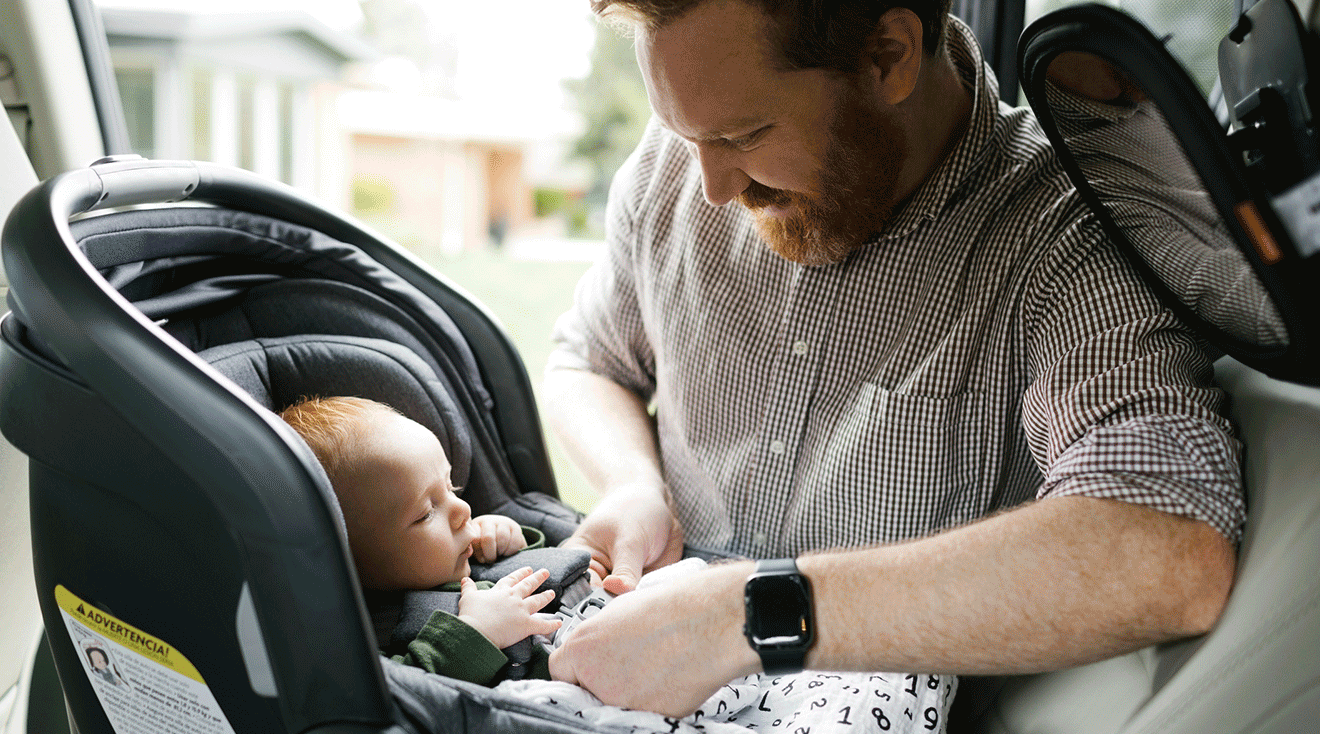
Credit: www.thebump.com
Frequently Asked Questions
How Long Is Safe To Leave Baby In Car Seat?
Experts recommend limiting car seat time to 2 hours maximum. Extended periods can cause breathing and posture issues for babies. Always remove your baby promptly after trips to ensure safety and comfort.
Can Babies Sleep Safely In Car Seats?
Babies can sleep in car seats during travel only. Prolonged sleep outside the car is unsafe due to restricted airway and poor posture. Use a flat, firm surface for baby sleep outside the car seat.
What Are Risks Of Leaving Baby In Car Seat Too Long?
Leaving babies in car seats too long risks breathing difficulties and flat head syndrome. It may also cause muscle strain and discomfort. Always monitor and limit time spent in the car seat to protect your baby’s health.
Is It Okay To Use Car Seat For Baby Naps?
Car seats are designed for travel, not prolonged naps. Using them for naps can cause positional asphyxia. For naps, transfer your baby to a safe sleep environment like a crib or bassinet.
Conclusion
Babies should not stay in car seats for too long. Sitting too long can cause discomfort and health risks. Take breaks often during long trips. Always watch your baby closely while in the seat. Use the car seat only for travel, not as a place to rest for hours.
Keeping your baby safe and comfortable matters most. Remember, short rides are better than long, unattended stays. Follow these tips to protect your little one every time you travel.