

If you’re a parent or caregiver, you’ve probably asked yourself, “How long can my baby be in a car seat?” It’s a question that matters because your baby’s safety and comfort come first. Sitting in a car seat for too long can be risky, but sometimes long trips or daily outings make it hard to avoid.
You’ll discover the best guidelines to keep your little one safe and comfortable. You’ll learn practical tips that help you make smart decisions every time you buckle up. Keep reading to protect your baby and ease your worries on the road.
Baby Car Seat Time Limits
Knowing how long your baby can safely stay in a car seat is crucial for every parent. Car seats protect babies during travel but should not be used for long periods. Understanding time limits helps keep your baby safe and comfortable.
Recommended Duration By Experts
Experts suggest limiting car seat time to 1-2 hours per ride. Babies should have breaks every hour to stretch and move. Extended sitting can cause discomfort and affect breathing. Short trips are safer and more comfortable for infants.
Risks Of Prolonged Sitting
Long periods in a car seat can cause several risks:
- Restricted blood flow, leading to numbness or swelling
- Increased risk of breathing problems due to poor posture
- Pressure on the spine and hips, affecting development
- Discomfort causing fussiness and stress
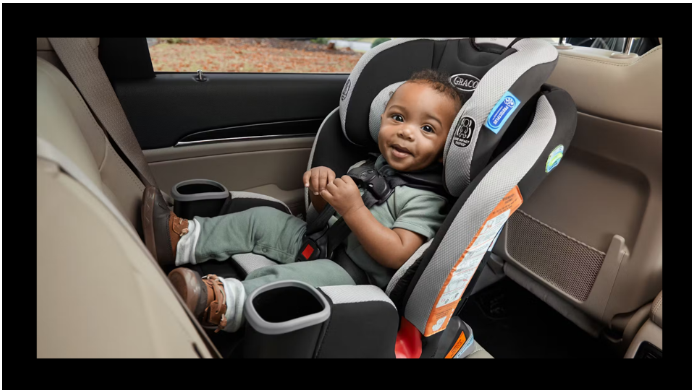
Parents should plan for regular stops and carry a lightweight carrier for breaks. Monitoring your baby’s behavior helps notice signs of distress early.
Credit: v2v-logistics.com
Signs Your Baby Needs A Break
Babies cannot stay in car seats for long periods without discomfort or risk. Parents must recognize when their baby needs a break. Early signs help keep the baby safe and happy during trips.
Physical Discomfort Indicators
- Squirming or constant shifting in the seat
- Red marks or pressure spots on the skin
- Arching the back or stiffening the body
- Heavy sweating even in cool weather
- Fidgeting hands and feet repeatedly
- Visible signs of tiredness or yawning
Behavioral Signs To Watch
- Sudden crying or fussiness without clear cause
- Refusal to settle or calm down
- Becoming unusually quiet or withdrawn
- Repeated attempts to turn the head or body
- Restlessness that worsens over time
- Difficulty sleeping or frequent waking
Safe Car Seat Practices
Ensuring your baby’s safety in a car seat goes beyond simply placing them inside. Safe car seat practices involve precise installation and proper harness adjustments that keep your little one secure without discomfort. Paying attention to these details can make every trip worry-free.
Proper Seat Installation
Is your car seat firmly attached to your vehicle? A loosely installed seat can be dangerous in a sudden stop or crash. Always check that the seat doesn’t move more than an inch side-to-side or front-to-back at the belt path.
Make sure to follow the manufacturer’s instructions exactly. Use either the seat belt or the LATCH system—never both at the same time unless the manual says it’s okay. Tightening the straps until the seat feels solid is key.
Think about the angle, too. Rear-facing seats should be reclined enough to keep your baby’s airway open. Many seats have built-in angle indicators to help you get this right.
Correct Harness Adjustments
Are the harness straps snug enough on your baby? Straps that are too loose can increase injury risk, but overly tight harnesses can cause discomfort. Your baby’s safety depends on finding that perfect balance.
- Place the harness straps at or below your baby’s shoulders when rear-facing.
- Straps should lie flat without twists.
- The chest clip must be at armpit level to keep straps properly positioned.
Try the “pinch test”: if you can pinch any harness webbing at the shoulder, it’s too loose. Adjust until you can’t pinch any excess strap. Making these adjustments every trip might seem tedious but could save your baby’s life.

Credit: www.madeformums.com
Alternatives For Long Trips
Long trips can be challenging for babies in car seats. Sitting too long may cause discomfort or fussiness. Parents need good alternatives to keep their baby safe and comfortable during travel. Simple strategies help reduce stress for both baby and adults. These options also support healthy posture and circulation for little ones.
Scheduled Breaks
Taking regular breaks is essential on long car rides. Stop every 1 to 2 hours to let your baby stretch and move. Use these moments to take your baby out of the car seat. Walk around or hold your baby to relieve pressure from sitting. Fresh air and a change of scenery help calm restless babies. Scheduled breaks also give parents a chance to rest and recharge.
Using Portable Carriers
Portable carriers offer flexibility during stops. Soft carriers or slings let you carry your baby close and upright. They provide comfort while allowing gentle movement. Switching between a car seat and a carrier helps vary your baby’s position. This change supports healthy muscle development and reduces fussiness. Portable carriers are easy to pack and ideal for quick breaks or short walks.
Age And Weight Considerations
Understanding how long a baby can stay in a car seat involves age and weight. Both factors play a crucial role in ensuring safety and comfort.
When To Switch Seat Types
Babies grow at their own pace. Knowing when to change car seats is key. Rear-facing seats are ideal for infants. They offer the best protection for young necks and spines. Once your baby exceeds the seat’s weight or height limit, consider moving to a convertible seat. These seats adjust as your child grows. Forward-facing seats become suitable once they outgrow rear-facing ones. Always prioritize safety over convenience.
Manufacturer Guidelines
Every car seat comes with specific guidelines. These include weight and height limits. Check your car seat manual often. It provides vital information for safe use. Manufacturers test their products under strict conditions. Following their recommendations ensures optimal protection. Adhering to these guidelines helps extend the seat’s usability. It also ensures your baby’s safety on every journey.
Common Mistakes To Avoid
Using a car seat safely is crucial for your baby’s well-being. Some common mistakes can put your child at risk. Knowing what to avoid helps keep your baby secure and comfortable during car rides.
Leaving Baby Unattended
Never leave your baby alone in the car seat. Even short times can be dangerous. Cars can heat up quickly, causing harm. Babies need constant supervision to stay safe. Always take your baby out when you leave the car.
Incorrect Seat Positioning
Proper seat positioning is vital for safety. The car seat should be at the right angle. Too upright or too reclined can cause problems. Make sure the harness fits snugly around your baby. Check the seat manual for correct installation steps.

Credit: www.reddit.com
Frequently Asked Questions
How Long Can My Baby Stay In A Car Seat Safely?
Babies should not stay in a car seat for more than two hours continuously. Prolonged sitting can cause breathing issues and discomfort. Always take breaks during long trips to remove your baby from the seat and allow movement.
When Should I Stop Using An Infant Car Seat?
Stop using an infant car seat when your baby outgrows the height or weight limits set by the manufacturer. Usually, this happens around 12 months or 22-35 pounds. Transition to a convertible car seat that suits your child’s size and safety needs.
Can Prolonged Car Seat Use Affect My Baby’s Development?
Yes, extended time in a car seat may affect muscle development and cause flat head syndrome. Limit car seat use to necessary travel only and provide supervised tummy time when off the seat to encourage healthy growth.
Is It Safe To Use A Car Seat Outside The Car?
Car seats are designed for vehicle use, not prolonged sitting outside. Using the seat for naps or playtime may cause improper posture and reduced airflow. Always use a car seat as intended to ensure your baby’s safety.
Conclusion
Babies should stay in car seats as long as the seat allows. Check the car seat’s weight and height limits often. Always follow safety rules to keep your baby safe. Never rush to move your baby out too soon. Remember, comfort matters, but safety is the top priority.
Use the right seat for your child’s age and size. Keep your baby secure on every trip. Safe travel means happy parents and happy babies.