
Are you wondering how long your baby can safely stay in the Nuna Pipa car seat? As a parent, keeping your little one comfortable and secure is your top priority.
But it’s also important to know the right amount of time your baby should spend in their car seat to avoid discomfort or health risks. You’ll discover the key facts about Nuna Pipa car seat usage, so you can protect your baby and give yourself peace of mind every time you hit the road.
Keep reading to find out what experts recommend and how to make the most of this popular car seat.
Nuna Pipa Car Seat Features
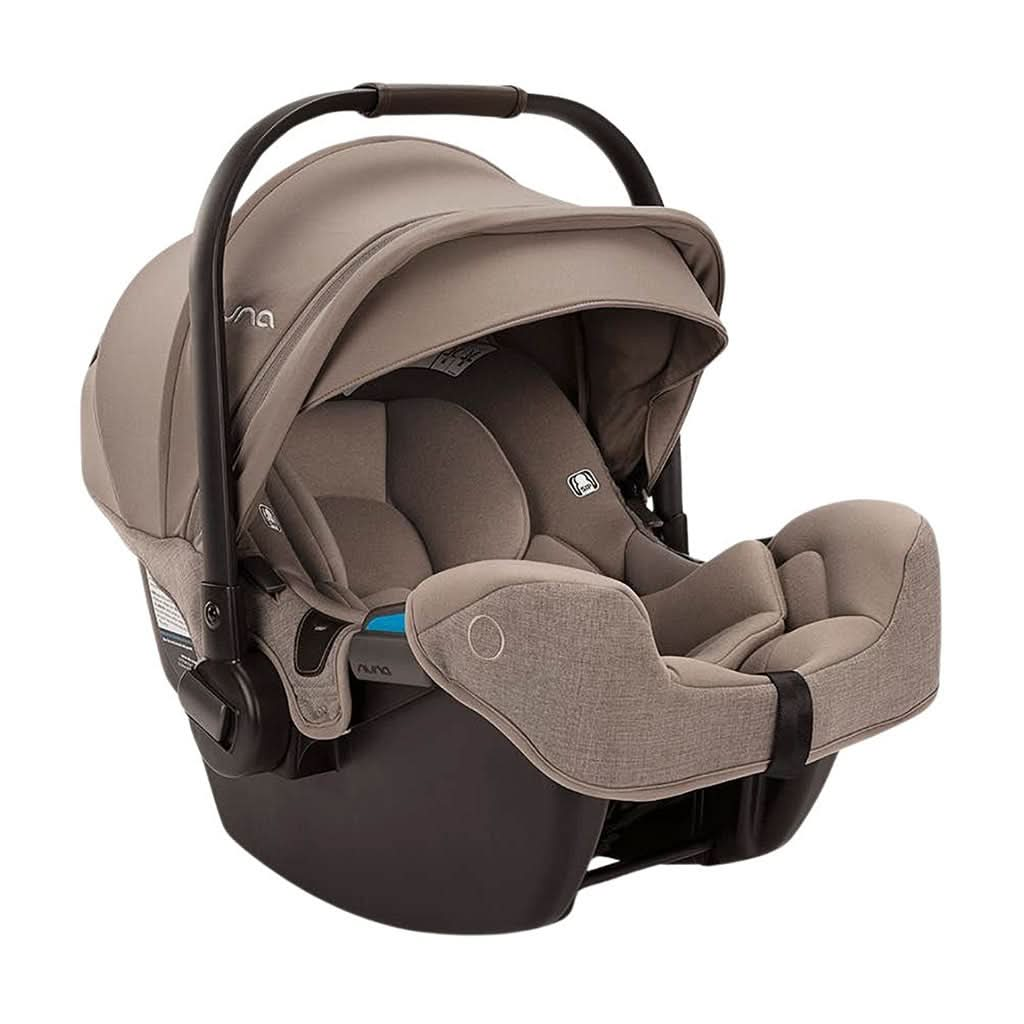
The Nuna Pipa car seat stands out because of its thoughtful features that blend safety, comfort, and design. Knowing these features helps you decide how long your baby can safely and comfortably stay in the seat. Let’s dive into what makes this car seat a trusted choice for many parents.
Design And Comfort
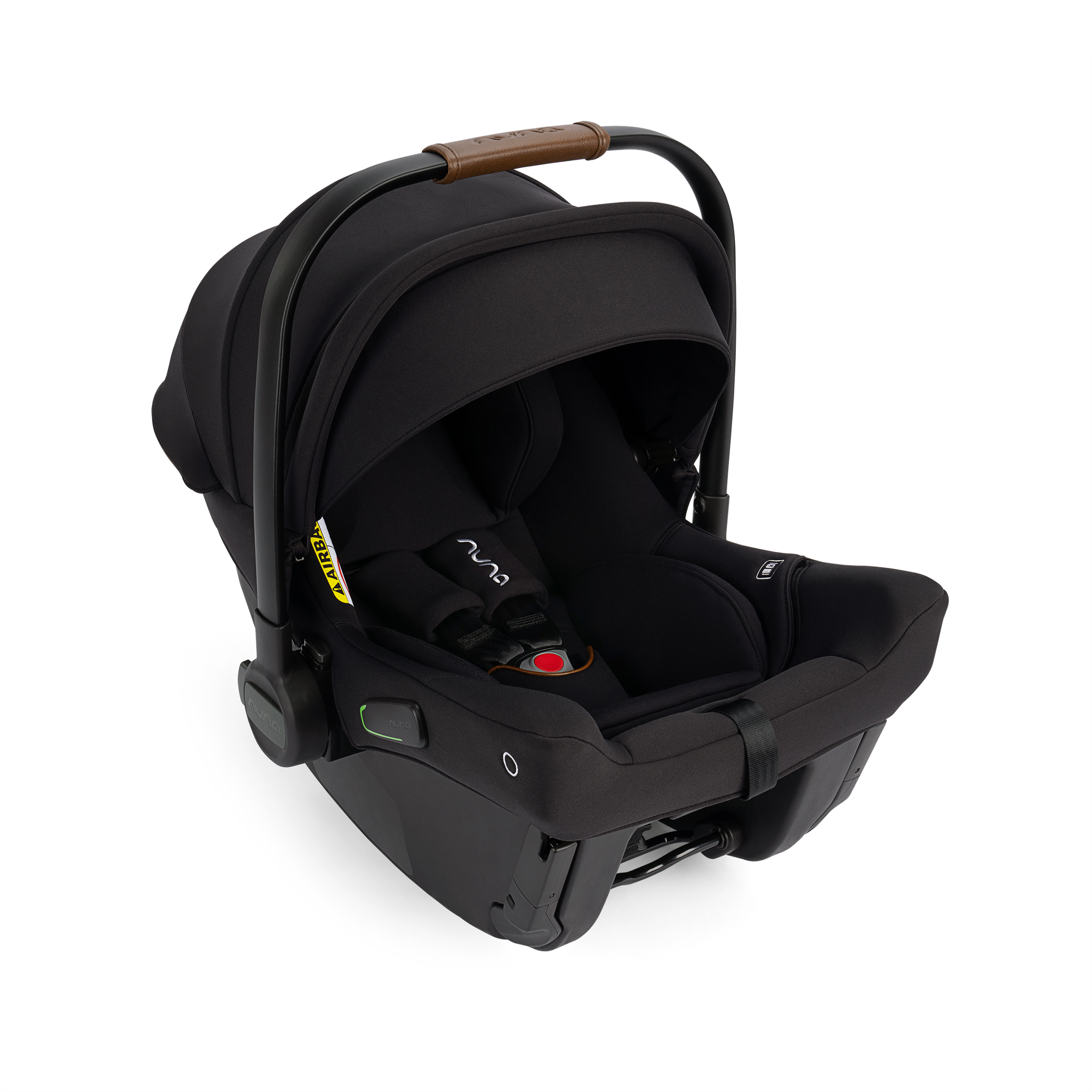
The Nuna Pipa is designed with lightweight materials, making it easy to carry around. Its ergonomic handle feels natural in your hand, which I found a relief during long outings with my baby.
Inside, the seat has plush padding and a removable infant insert, so your baby stays snug and supported. Ventilation panels allow airflow, reducing sweating and fussiness on hot days. Would your baby appreciate a seat that feels more like a cozy nest than a hard shell?
Safety Certifications
The Nuna Pipa meets and often exceeds key safety standards like FMVSS 213 and i-Size regulations. It includes a steel-reinforced base and a load leg for extra stability, which can mean less wobbling during sudden stops.
Side-impact protection is enhanced by energy-absorbing foam, providing your baby with an extra cushion of security. Have you checked if your current car seat offers similar protections?
Weight And Height Limits
The car seat accommodates babies from 4 to 32 pounds and up to 32 inches tall. This range usually covers infants from birth up to about one year, depending on their growth speed.
It’s important to monitor your baby’s weight and height regularly to know when it’s time to switch seats. Have you noticed how quickly your little one might outgrow their gear?
Credit: kidobebe.com
Recommended Usage Duration
Understanding how long your baby can stay in the Nuna Pipa car seat is crucial for their comfort and safety. The recommended usage duration helps you balance travel needs with your baby’s well-being. Let’s look at practical guidelines and signs that indicate when it’s time for a break.
Manufacturer Guidelines
The Nuna Pipa car seat manufacturer suggests limiting continuous use to under two hours. This recommendation aims to reduce the risk of discomfort or breathing difficulties for your baby. Always check the user manual as updates or specific model advice may vary slightly.
Following these guidelines ensures you don’t unintentionally expose your baby to prolonged periods in a semi-reclined position. Remember, the seat is designed primarily for travel, not extended lounging or sleeping sessions.
Typical Time Limits For Babies
Babies generally should not spend more than 1 to 2 hours continuously in a car seat. Newborns and smaller infants might need breaks even sooner due to their developing muscles and need for movement.
If you have a long trip planned, consider scheduling stops every hour to allow your baby to stretch and change positions. This practice can prevent fussiness and reduce the risk of flat head syndrome caused by prolonged pressure.
Signs Baby Needs A Break
Watch for cues like fussiness, squirming, or changes in breathing patterns that suggest your baby is uncomfortable. A baby who suddenly becomes quiet and motionless might also need attention—this could signal restricted airflow or distress.
Has your baby started reaching out or trying to move more? That’s a clear sign they need a break from the seat. Don’t wait for crying; proactive breaks can keep your baby calm and safe.
Risks Of Prolonged Use
Using the Nuna Pipa car seat for long stretches can pose risks to a baby’s health and comfort. Babies need breaks from the seat to move freely and stretch. Extended time in the car seat may lead to problems that affect their well-being. Understanding these risks helps parents keep their baby safe.
Physical Discomfort
Babies can become uncomfortable after sitting in the car seat too long. The seat’s position limits movement, causing stiffness. Pressure points may develop on the baby’s back and legs. This discomfort can make the baby fussy and restless.
Breathing And Posture Concerns
The Nuna Pipa is designed to support a baby’s head and neck. Still, prolonged use can affect breathing. The semi-reclined position may cause the baby’s chin to fall toward the chest. This position can partially block airways. Poor posture can also strain the baby’s spine and neck muscles.
Developmental Impact
Long periods in a car seat can limit a baby’s movement and muscle use. Babies need time on firm surfaces to develop strength and coordination. Staying in the car seat too long may slow physical development. It is important to balance car seat time with supervised play and tummy time.

Credit: kids-n-cribs.com
Safe Practices For Car Seat Use
Ensuring your baby’s safety in the Nuna Pipa car seat is essential for every trip. Safe practices help protect your little one from injury and provide peace of mind. Proper use of the car seat supports healthy growth and comfort during rides. Following key guidelines keeps your baby secure and happy in the car.
Proper Installation Tips
Start by reading the Nuna Pipa manual carefully. Attach the car seat firmly using the vehicle’s seat belt or LATCH system. Check for tightness; the seat should not move more than an inch side to side or front to back. Always place the car seat in the back seat, away from airbags. Use the recline indicator to set the correct angle for your baby’s age and size.
Adjusting Harness And Recline
Adjust the harness straps to fit snugly against your baby’s body. The straps should lie flat without twists. Position the chest clip at armpit level to hold the harness securely. Change the recline angle as your baby grows to maintain proper head and neck support. Keep your baby’s head from falling forward by adjusting the seat angle carefully.
Monitoring Baby During Rides
Check on your baby regularly during car trips. Use a mirror to see your baby without turning around. Watch for signs of discomfort or overheating. Stop frequently on long drives to give your baby a break outside the seat. Avoid leaving your baby unattended in the car seat, especially in hot weather.
Alternatives For Long Trips
Babies should not stay in the Nuna Pipa car seat for more than two hours at a time. For long trips, plan regular breaks to let your baby stretch and move safely. Consider using a stroller or carrier to give your child a change of position.
Traveling long distances with a baby in a car seat can be challenging. While the Nuna Pipa car seat offers excellent safety and comfort, extended periods in any car seat aren’t recommended for infants. It’s essential to consider alternatives for those long trips to ensure your baby remains safe and comfortable throughout the journey. Here are some practical strategies to consider.Scheduled Breaks And Stops
Regular breaks are key. Plan your journey with scheduled stops every two hours. This not only gives your baby a chance to stretch and move but also provides you with an opportunity to refresh. During these breaks, take your baby out of the car seat and engage them in light activities. A short walk or gentle play can do wonders for their mood and yours. Think about places you can stop. Parks, rest areas, or even a safe spot by the roadside can be excellent break points.Using Travel Systems
A travel system can be a lifesaver. These systems allow you to transfer your baby from car to stroller without waking them. Consider investing in a compatible stroller for your Nuna Pipa car seat. This way, when you make stops, your baby can continue to nap peacefully. Travel systems provide flexibility. They allow you to navigate airports, rest stops, and other travel hubs with ease.Portable Baby Carriers
A portable baby carrier is another great option. These carriers let you carry your baby close while freeing up your hands. Choose a carrier that offers good support for your baby’s head and neck. This is crucial for their safety and comfort. Using a carrier during breaks not only offers variety but also promotes bonding. Imagine exploring a new place with your little one snugly attached to you. By incorporating these alternatives, you can make long trips more manageable and enjoyable for both you and your baby. Are there other strategies you use to keep your little one comfortable on the road?Signs To Transition From Nuna Pipa
Knowing when to transition your baby from the Nuna Pipa car seat is crucial for their safety and comfort. Babies grow fast, and their needs change just as quickly. Paying close attention to specific signs can help you decide the right time to switch without rushing or delaying the move.
Reaching Weight Or Height Limits
The Nuna Pipa car seat has clear limits on weight and height, usually listed in the manual or on the seat itself. Once your baby approaches or exceeds these limits, it’s time to consider the next seat. Ignoring this can compromise safety and might even break local laws.
Check the labels regularly, and don’t just rely on your memory. For example, if your baby weighs more than 32 pounds or is taller than the recommended height, it’s a clear sign to transition.
Baby’s Comfort And Movement
Watch how your baby behaves in the car seat during rides. Are they squirming more, trying to stretch out, or showing signs of discomfort? These are subtle hints that the seat might be getting too small or restrictive.
During one trip, I noticed my baby’s legs were curling uncomfortably, and she fussed more than usual. That was my sign to upgrade. Comfort isn’t just about happiness—it’s about safety too, since a restless baby might try to shift positions, risking proper harness fit.
Switching To Convertible Seats
Convertible car seats offer extended use, accommodating your growing child longer than infant-only seats like Nuna Pipa. Moving to a convertible seat means you can transition smoothly without buying new seats frequently.
Ask yourself if you want a seat that grows with your child from infancy to toddlerhood. Many parents find convertible seats a practical choice after outgrowing the Nuna Pipa because they support higher weight and height limits while keeping your child secure.

Credit: baby.zola.com
Frequently Asked Questions
How Long Is Nuna Pipa Car Seat Suitable For Babies?
The Nuna Pipa car seat supports babies from birth up to 32 pounds. This typically covers infants up to about 12 months old, depending on growth. Always check your baby’s weight and height against the seat’s limits to ensure safety.
When Should I Stop Using Nuna Pipa Car Seat?
Stop using the Nuna Pipa car seat when your baby exceeds 32 pounds or 32 inches. Also, discontinue use if the baby’s head is two inches above the headrest. Transition to a convertible car seat after these limits for safety.
Can Newborns Stay In Nuna Pipa All Day?
Newborns should not stay in the Nuna Pipa car seat all day. Prolonged use can affect breathing and spinal development. Limit car seat time to travel or supervised naps, ensuring frequent breaks for movement and comfort.
How To Know If Nuna Pipa Car Seat Fits My Baby?
Check if the baby’s head is at or below the headrest top and the harness fits snugly. The baby should not exceed 32 pounds or 32 inches. Follow the manufacturer’s guidelines for correct installation and fit.
Conclusion
Babies can stay in the Nuna Pipa car seat until they reach the weight or height limit. This seat supports infants up to 32 pounds or 32 inches tall. Always check the car seat manual for exact guidelines. Make sure your baby is comfortable and secure during every ride.
Stop using the seat if your baby outgrows these limits. Safety should be your top priority at all times. This ensures your little one travels safely and comfortably. Keep these tips in mind for worry-free trips.