
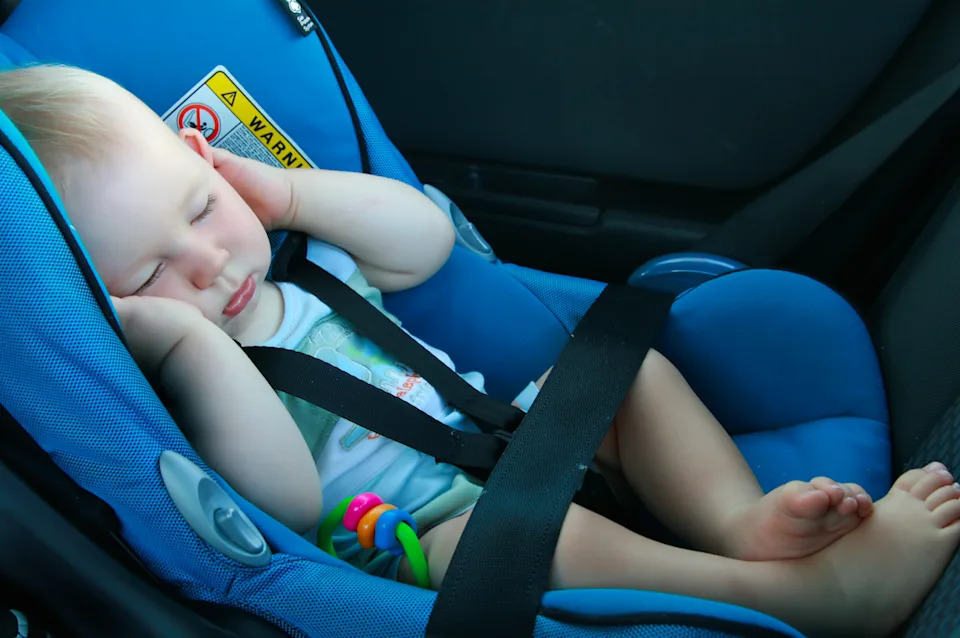
Have you ever wondered how long your baby can safely sleep in a car seat? It’s a question every parent or caregiver asks, especially during long drives or quick errands.
You want your little one to be comfortable and secure, but you also worry about their safety and well-being. You’ll discover the important facts about baby sleep in car seats, what experts recommend, and tips to keep your baby safe while on the move.
Keep reading to find out what you need to know to protect your baby every time they snooze in the car.
Risks Of Prolonged Car Seat Use
Using a car seat for too long can create health risks for babies. Parents often wonder about the safe time limit for baby sleep in car seats. Prolonged use can affect breathing, spine health, and body temperature. It is important to understand these risks to keep babies safe and comfortable.
Breathing And Airway Concerns
Car seats are designed for travel, not long sleep sessions. Babies can slump forward, which narrows airways. This position may reduce oxygen flow and cause breathing problems. Infants have weak neck muscles, making it hard to keep the airway open. Parents should avoid letting babies sleep for hours in a car seat.
Impact On Spine And Neck
Car seats support babies but are not ideal for long periods. Continuous sitting may strain the delicate spine and neck. Babies’ bones and muscles are still developing. Poor posture in car seats can lead to discomfort and potential spinal issues. Frequent breaks and supervised repositioning help protect the baby’s body.
Overheating Hazards
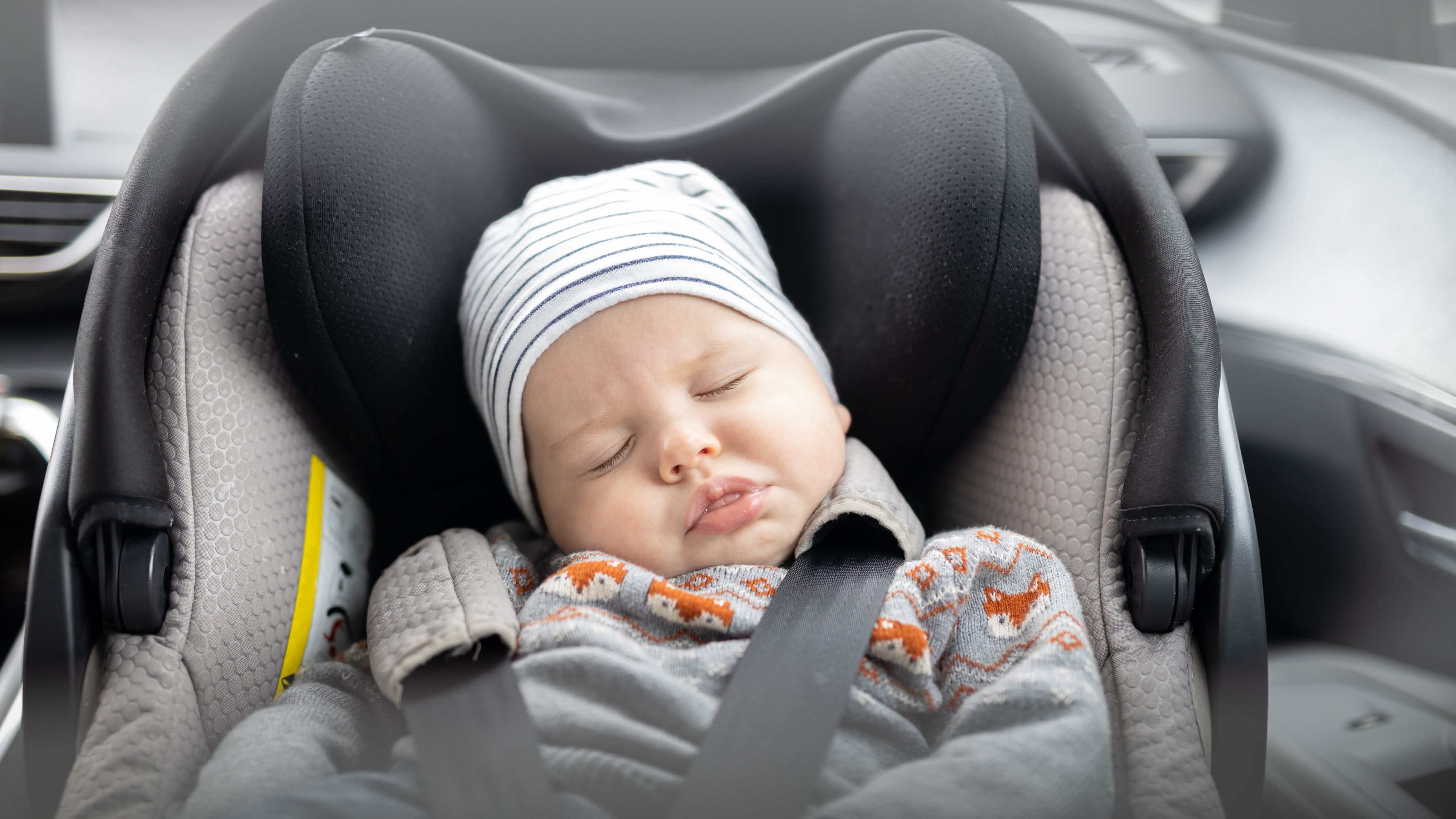
Car seats can trap heat around the baby’s body. Fabrics and straps limit air circulation. Babies cannot regulate body temperature well. Overheating increases the risk of heat rash and sudden infant death syndrome (SIDS). Monitoring the baby’s temperature and removing extra layers is crucial during travel.
Credit: www.todaysparent.com
Recommended Sleep Duration In Car Seats
Knowing the recommended sleep duration for babies in car seats is crucial for their safety and comfort. While car seats offer convenience during travel, they are not designed for prolonged sleep. Understanding expert guidelines helps you protect your baby from potential risks linked to extended periods in a car seat.
Guidelines From Pediatric Experts
Pediatricians agree that car seats are made for travel, not for long naps or overnight sleep. The American Academy of Pediatrics advises limiting a baby’s time in a car seat to avoid breathing issues or positional asphyxia. They emphasize supervising your baby closely if they fall asleep in a car seat.
Experts suggest you never use a car seat as a regular sleeping space outside of the car, such as for naps at home. Instead, transfer your baby to a flat, firm sleep surface as soon as possible. This reduces the risk of restricted airflow and supports healthy development.
Safe Time Limits For Different Ages
| Baby’s Age | Recommended Maximum Sleep Duration in Car Seat | Additional Notes |
|---|---|---|
| Newborn to 3 months | Up to 30 minutes | Highest risk of breathing problems; frequent checks needed |
| 3 to 6 months | Up to 1 hour | Still requires close supervision; avoid long stretches |
| 6 months and older | Up to 2 hours | Better muscle control but breaks recommended |
Have you noticed your baby getting fussy after a long car ride? It might be a sign they need a break from the car seat. Always plan stops during travel to let your baby stretch and breathe freely.
Keeping these limits in mind safeguards your baby from discomfort and health risks. What strategies do you use to ensure your baby isn’t spending too much time in their car seat?
Signs Baby Needs A Break
Babies cannot tell us when they need a break from the car seat. Parents must watch for signs that show discomfort or distress. Recognizing these signs early helps keep your baby safe and happy during travel. A baby should not stay in a car seat for too long without breaks.
Recognizing Discomfort And Distress
Look for changes in your baby’s behavior. Some signs include:
- Fussing or crying more than usual
- Restlessness or squirming in the seat
- Flushed or pale face
- Rapid breathing or gasping for air
- Unusual stillness or limpness
Physical signs may also appear. Check if the baby’s neck or head looks strained. Watch for red marks or pressure spots on their skin. These signs mean the baby may feel uncomfortable or unsafe.
When To Stop The Car And Take Out Baby
Stop the car immediately if your baby shows clear distress. Remove the baby from the car seat and hold them upright. Let them stretch and move freely for a few minutes. This helps relieve pressure and improves breathing.
Breaks should happen every 1 to 2 hours during long trips. Use these stops to feed, change diapers, and comfort your baby. Regular breaks prevent discomfort and reduce risks linked to staying too long in the car seat.
Alternatives For Safe Baby Sleep
Babies need a safe place to sleep, especially during travel or naps outside their usual crib. Car seats are not designed for long sleep periods. Finding safer alternatives helps protect babies from risks like poor breathing positions or overheating.
Choosing the right sleeping option supports healthy sleep habits and peace of mind for parents. Several portable and secure choices exist for safe baby sleep beyond car seats.
Using Portable Bassinets
Portable bassinets offer a cozy, flat surface for baby sleep. They are easy to carry and set up anywhere. These bassinets provide proper neck and back support, unlike car seats.
Many models come with breathable mesh sides, improving air circulation. Some also have soft padding to keep babies comfortable during naps or overnight sleep. Parents can use portable bassinets in cars, homes, or while visiting friends.
This option reduces the risk of suffocation or overheating. It also helps babies maintain a healthy sleep posture during travel or short rests.
Car Seat Alternatives For Long Trips
Long trips require better sleep options than car seats. Convertible travel cribs or baby travel beds are excellent choices. These alternatives give babies more room to move and lie flat.
Some travel cribs are lightweight and fold easily for storage. They provide a safe sleep space wherever the family goes. Baby travel beds often include soft mattresses and protective bumpers.
These options help prevent discomfort and allow babies to sleep soundly. They also make breaks during trips more restful for parents and kids alike.
Tips For Comfort And Safety
Babies should not sleep in a car seat for more than two hours at a time. Frequent breaks help keep them safe and comfortable. Always watch for signs of discomfort or difficulty breathing.
Ensuring your baby’s comfort and safety in a car seat is crucial. Long car rides require special attention to their position and environment. Here are some tips to keep your little one safe and cozy.Proper Car Seat Positioning
Ensure the car seat is installed correctly. The seat should be at the right angle. Babies’ heads must not flop forward. Always follow the manufacturer’s instructions. Check the harness is snug, not too tight or loose. A properly positioned seat supports better sleep and safety.Monitoring Temperature And Clothing
Keep the car at a comfortable temperature. Overheating can be dangerous for babies. Dress your baby in layers. Use breathable fabrics to prevent overheating. Avoid bulky coats while in the car seat. They can interfere with the harness fit. Instead, use blankets over the harness if needed.Frequent Stops And Movement
Plan for regular breaks during long drives. Stop every couple of hours for a stretch. This helps prevent stiffness and keeps your baby comfortable. Gently move their limbs during these breaks. It promotes circulation and reduces the risk of discomfort. Frequent stops ensure a more pleasant journey for everyone.
Credit: www.madeformums.com
Emergency Situations And Car Seat Safety
Emergency situations can arise unexpectedly during car rides, making it essential to understand how to keep your baby safe in their car seat. While car seats are designed for travel, they are not meant for extended sleep periods due to safety concerns. Knowing what to do when your baby falls asleep and how to handle unusual sleep durations can prevent risks and ensure your baby’s well-being.
What To Do If Baby Falls Asleep In Car Seat
If your baby falls asleep in their car seat, don’t rush to take them out immediately if you’re still on the road. The car seat is designed to keep them secure during travel, so it’s safer to let them sleep until you reach your destination.
Once you stop, carefully move your baby to a flat, firm surface like their crib or bassinet. This helps reduce the risk of breathing difficulties that can occur if they stay in a reclined position too long.
Keep a close eye on your baby’s breathing and comfort. If you notice any unusual signs, such as difficulty breathing or excessive sweating, seek medical help right away.
Handling Unexpected Sleep Duration
Sometimes, your baby might sleep longer than expected in the car seat during a long trip or emergency stop. It’s important to limit this duration to no more than 1-2 hours to prevent potential harm.
If you find yourself in a situation where your baby must sleep longer in the seat, stop the car as soon as it is safe and transfer your baby to a safer sleeping environment.
Consider these tips to handle longer sleep times:
- Plan frequent breaks during long drives to check on your baby’s position and comfort.
- Ensure the car seat is properly installed and reclined at the correct angle.
- Avoid bulky clothing or blankets that can interfere with your baby’s positioning.
Have you ever had to manage your baby sleeping unexpectedly long in a car seat? How did you ensure their safety? Share your experience and tips to help other parents stay prepared.

Credit: info.ancsleep.com
Frequently Asked Questions
How Long Is Safe For Baby To Sleep In Car Seat?
Babies should not sleep in car seats for more than 2 hours. Prolonged sitting can restrict breathing and cause discomfort. Always transfer your baby to a flat, firm sleep surface after car travel. Monitor your baby closely during car rides for safety.
Why Is Prolonged Car Seat Sleep Risky For Babies?
Extended sleep in car seats may cause breathing difficulties and poor posture. This can increase the risk of positional asphyxia and developmental issues. Babies need proper head and neck support, which car seats don’t provide for long sleep periods. Limit sleep time in car seats accordingly.
Can I Let My Baby Nap In A Car Seat At Home?
It’s not recommended to let babies nap in car seats at home. Car seats are designed for travel safety, not prolonged sleep. Use a crib or bassinet for naps to ensure a safe, flat sleeping position. Always supervise if your baby sleeps in a car seat briefly.
What Are Alternatives For Safe Baby Sleep After Car Travel?
After car travel, place your baby in a crib, bassinet, or portable play yard. These provide flat, firm surfaces that support healthy sleep posture. Avoid letting your baby sleep in car seats outside of the vehicle for long periods. Always prioritize safe sleep environments.
Conclusion
Babies should not sleep in car seats for long periods. Their bodies need proper support and air circulation. Experts say no more than two hours is safe. Always take breaks during long trips to check on your baby. Use a flat, firm surface for regular sleep times.
Safety comes first for your little one’s comfort and health. Keep these tips in mind for safer travels. Your baby’s well-being depends on careful car seat use. Small steps protect your child every day.