

You want to keep your baby safe and comfortable, especially when using a car seat. But how long can your baby actually sit in that car seat without risking their health?
This question worries many parents and caregivers. Understanding the right limits is crucial to avoid discomfort, breathing issues, and other risks for your little one. You’ll discover exactly how long your baby can stay in a car seat safely, what signs to watch for, and tips to make every trip as safe and pleasant as possible.
Keep reading—your baby’s safety depends on it.

Credit: www.anbbaby.com
Car Seat Safety Basics
Understanding car seat safety basics is essential for every parent or caregiver. The car seat is not just a convenience but a critical tool to protect your baby during travel. Knowing how long your baby should sit in the car seat helps prevent discomfort and health risks.
Importance Of Time Limits
Babies should not sit in car seats for extended periods. Experts recommend limiting the time to about 1 to 2 hours without a break. This helps avoid pressure on their delicate bodies and reduces the risk of breathing difficulties.
Have you noticed your baby becoming fussy or restless after a long car ride? This could be a sign they need a break from the car seat. Regular stops allow your baby to stretch and change positions, which is vital for their comfort and safety.
Risks Of Prolonged Sitting
Sitting too long in a car seat can cause several health issues for your baby. It can lead to poor blood circulation, flattened head syndrome, and even breathing problems. The car seat’s angle can sometimes restrict airflow, making it harder for your baby to breathe comfortably.
Imagine your baby’s tiny legs and back staying in the same position for hours. This can cause stiffness and discomfort. To avoid this, try to plan trips with breaks or switch your baby to a stroller or carrier when possible.
Recommended Duration For Babies
Keeping babies safe and comfortable in car seats is a top priority. Knowing how long a baby can sit in a car seat helps avoid discomfort and health risks. Experts suggest limits on time spent in a car seat to protect a baby’s delicate body and ensure proper breathing.
Age-specific Guidelines
Newborns and infants under 2 months should not sit in a car seat for more than 30 minutes at a time. Their neck muscles are weak, and long periods can cause strain.
Babies between 2 to 12 months can usually tolerate up to 1 hour in a car seat. Breaks should be taken regularly to allow movement.
Older babies, from 12 months to 2 years, can sit for 2 hours but still need breaks to stretch and move.
| Age | Maximum Time in Car Seat |
|---|---|
| 0-2 months | 30 minutes |
| 2-12 months | Up to 1 hour |
| 12-24 months | Up to 2 hours |
Signs Baby Needs A Break
- Fussiness or crying more than usual
- Red marks on the face or body
- Arching back or stiffening muscles
- Difficulty breathing or noisy breathing
- Excessive sweating or flushed skin
Stop the car safely and take the baby out if these signs appear. Let the baby move freely and change position for a few minutes. This helps prevent discomfort and keeps the baby safe during travel.
Factors Affecting Safe Time
Understanding the factors that affect how long a baby can safely sit in a car seat is crucial for every parent and caregiver. It’s not just about the clock ticking, but about the baby’s comfort, safety, and well-being. Several key elements play into this, and knowing them helps you make better decisions during travel or everyday use.
Baby’s Age And Size
Your baby’s age and size directly impact how long they should remain in a car seat. Newborns and smaller infants have delicate bodies that are more prone to slumping, which can restrict breathing if they stay in one position too long. As babies grow and gain head and neck control, they can tolerate longer periods, but you should still avoid extended use.
Watch for signs of discomfort or distress, such as fussiness or changes in breathing. If your baby is under two months or weighs less than 10 pounds, limit car seat time to 30 minutes or less when possible. You know your baby best—have you noticed how they react after a long car ride?
Type Of Car Seat
Not all car seats are created equal. Rear-facing seats offer better support for young infants, especially for the head and neck, reducing the risk of injury and discomfort. Convertible seats and forward-facing seats provide different levels of support and cushioning.
Some models come with extra padding or ergonomic designs that help distribute pressure more evenly. If your seat feels rigid or poorly cushioned, your baby might get uncomfortable quicker, signaling it’s time to take breaks. Have you tested how your car seat fits your baby during longer trips?
Environment And Temperature
The temperature inside the car affects your baby’s tolerance for time spent in the car seat. Hot or cold conditions can quickly make your baby uncomfortable or even unsafe. A hot car can cause overheating, while cold can cause distress and muscle stiffness.
Use sunshades, dress your baby in breathable layers, and never leave them unattended in a parked car. If the environment feels extreme, consider reducing the time your baby spends in the car seat or taking more frequent breaks. How do you adjust your travel plans when the weather isn’t ideal for your little one?

Credit: www.thule.com
Health Concerns From Extended Use
Extended use of a car seat can cause several health issues for babies. These concerns arise because a car seat restricts movement and affects natural body positions. Parents need to know the risks linked to keeping a baby in a car seat for too long.
Breathing And Oxygen Flow
Car seats put babies in a semi-reclined position. This can cause the head to fall forward, narrowing the airway. When the airway narrows, breathing becomes harder. Reduced oxygen flow may lead to serious problems. Babies with weaker muscles are at higher risk. Always monitor your baby’s breathing if they stay in a car seat.
Spinal And Posture Issues
Babies’ spines are soft and still developing. Sitting too long in a car seat can cause poor posture. The curved position can strain the neck and back muscles. This may slow healthy spine growth. Prolonged pressure on one part of the body can cause discomfort. It is important to give babies time out of the seat to stretch and move.
Risk Of Overheating
Car seats can limit air circulation around the baby. This can raise the baby’s body temperature. Overheating increases the risk of heat stress. Babies cannot cool down as easily as adults. Dress your baby in light clothes and check for sweating. Avoid long periods in a car seat, especially in warm weather.
Tips For Safe Car Seat Use
Ensuring your baby’s safety in a car seat is crucial. Adhering to safe car seat practices keeps your child protected during travel. Here are some essential tips for safe car seat use.
Frequent Breaks On Long Trips
On long trips, take frequent breaks to stretch and move. Babies need time out of the car seat to avoid discomfort. Plan stops every two hours for a short break. This helps maintain blood flow and prevents stiffness.
Proper Installation And Fit
Ensure the car seat is installed correctly for maximum safety. Follow the manufacturer’s instructions closely. The seat should not move more than an inch side to side or front to back. Adjust the harness to fit snugly against your baby. No extra slack should be present.
Monitoring Baby’s Comfort
Keep an eye on your baby’s comfort during the ride. Check for any signs of discomfort or distress. Make sure the straps are not too tight or too loose. Adjust the seat’s angle to keep your baby’s head from slumping forward. This helps maintain a clear airway.
Alternatives To Prolonged Car Seat Use
Keeping your baby safe and comfortable is a top priority, especially during long trips. However, sitting in a car seat for extended periods can be uncomfortable and even risky. Finding alternatives to prolonged car seat use can help keep your baby happy and healthy while on the move.
Baby Carriers And Strollers
Baby carriers offer a great way to keep your little one close while giving them a break from the car seat. They allow your baby to be upright, which can help with digestion and reduce fussiness. Plus, carriers free up your hands, making it easier to manage errands or walks.
Strollers are another excellent option for giving your baby a rest outside the car. They provide a comfortable and secure space to relax while you move around. Choosing a stroller with good support and cushioning can make a big difference in your baby’s comfort level.
- Use carriers for short breaks during long drives to stretch and soothe your baby.
- Consider strollers with adjustable recline positions to suit your baby’s needs.
- Always ensure carriers and strollers meet safety standards and fit your baby properly.
Safe Places For Rest Outside Car Seat
Finding safe spots for your baby to rest outside the car seat is essential, especially when travel pauses. A portable bassinet or play yard can provide a cozy, secure environment for your baby to nap. These options help prevent the risks associated with prolonged sitting in a car seat.
At rest stops or during visits, look for flat, firm surfaces that are free from hazards. Your baby’s safety comes first, so avoid soft bedding or elevated surfaces that could cause falls. Have you prepared a travel kit with blankets and a portable sleeping space? It can make these breaks much easier.
- Use a portable bassinet for naps during travel breaks.
- Choose firm, flat surfaces away from crowds or traffic for resting.
- Always supervise your baby closely when outside the car seat.
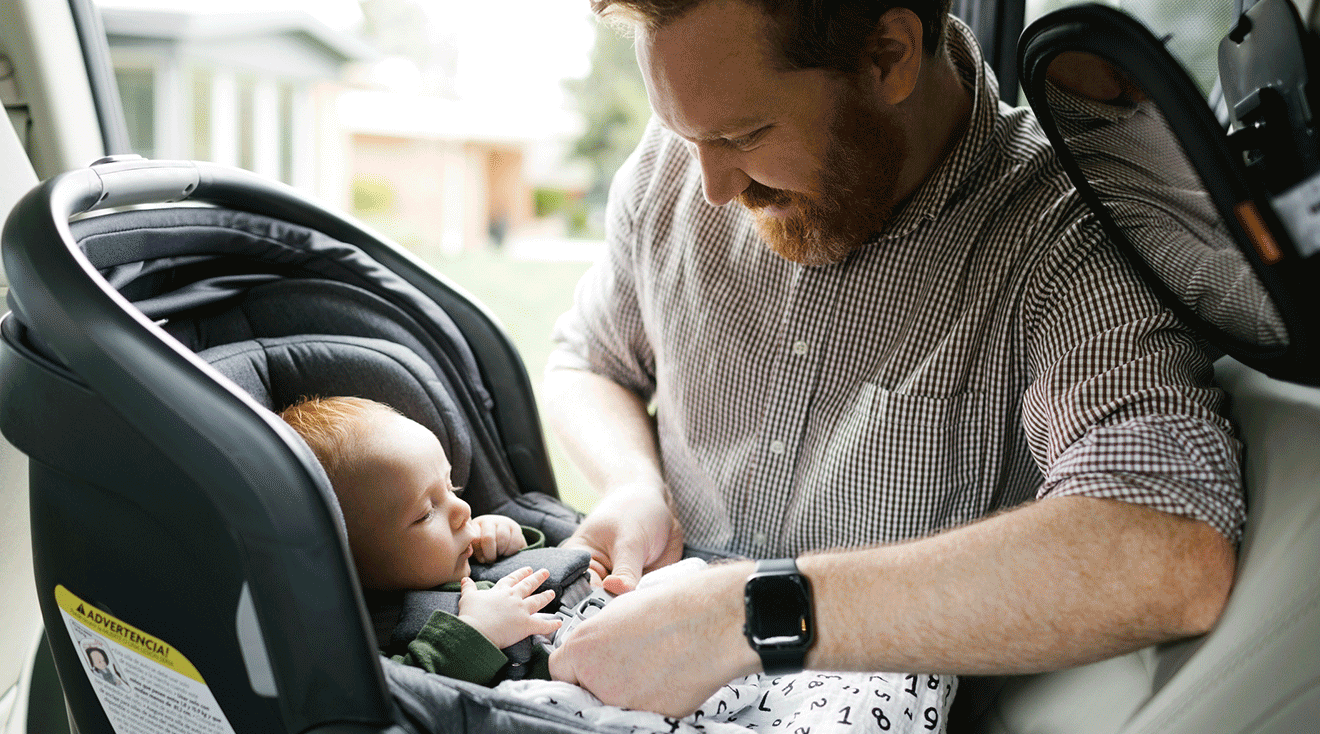
Credit: www.thebump.com
Frequently Asked Questions
How Long Can A Baby Safely Sit In A Car Seat?
Babies should not sit in a car seat for more than 2 hours continuously. Prolonged sitting can cause breathing issues and discomfort. Take breaks during long trips to remove the baby from the seat and allow movement.
Why Is Limiting Car Seat Time Important For Babies?
Limiting car seat time prevents poor circulation, muscle strain, and respiratory problems. Babies’ bodies need regular movement to develop properly. Extended sitting increases risks of positional asphyxia and flat head syndrome.
What Are Signs Baby Is Uncomfortable In Car Seat?
Crying, fussiness, and red marks on skin show discomfort. Baby may have trouble breathing or appear drowsy. These signs mean it’s time to remove the baby from the seat and provide a break.
Can Newborns Stay Longer In Car Seats On Flights?
No, newborns still should not exceed 2 hours in car seats even on flights. Use additional breaks and avoid continuous sitting. Carry the baby out of the seat during layovers or when safe.
Conclusion
Babies should not sit in a car seat for too long. Experts recommend breaks every hour to keep your baby safe and comfortable. Long periods in a car seat can cause discomfort and affect breathing. Always watch your baby closely during trips.
Use the car seat properly and follow the manufacturer’s instructions. Safety and comfort matter most for your little one. Remember, short trips are better than long, nonstop rides. Keep your baby happy and healthy on every journey.