
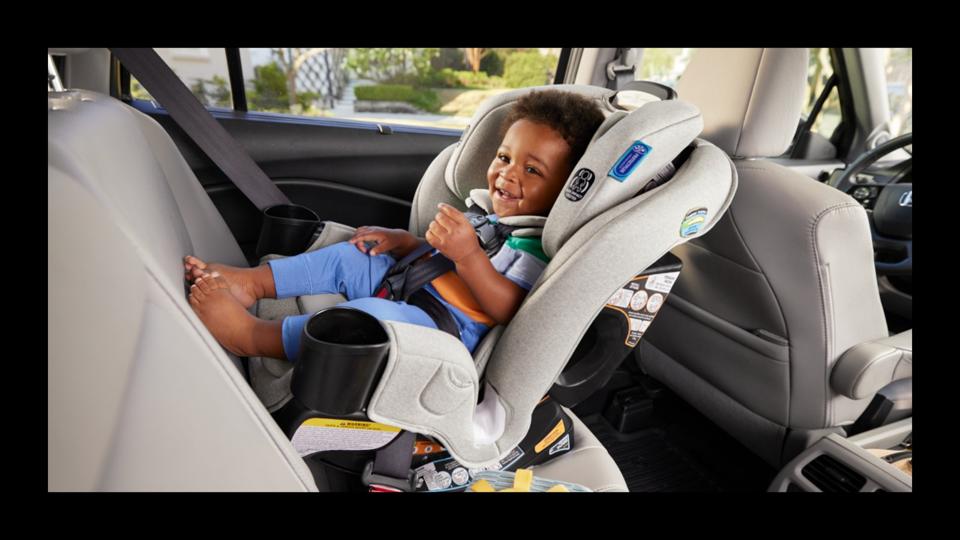
You want to keep your baby safe and comfortable, especially when traveling by car. But have you ever wondered how long your little one can stay in a car seat without it becoming risky?
Knowing the right amount of time your baby can spend in a car seat is important for their health and well-being. You’ll discover clear, easy-to-follow advice that helps you protect your baby during every trip. Keep reading to find out what experts say about safe car seat use and how you can make every ride a safe one for your child.
Baby Car Seat Duration Limits
Understanding the limits on how long your baby can stay in a car seat is crucial for their safety and comfort. Babies spend a lot of time in car seats, whether during short errands or long trips. However, keeping them in the seat for too long can lead to health risks and discomfort.
Recommended Time Frames
Experts generally suggest limiting a baby’s continuous time in a car seat to about 2 hours. After this, it’s important to take a break to let your baby stretch and change positions. If you’re on a long journey, plan stops every couple of hours for feeding, diaper changes, and some movement.
Short trips under 30 minutes are usually fine without breaks. But if you notice your baby getting restless or fussy, that’s a sign it’s time to pause. Always watch your baby’s cues and comfort level during travel.
Risks Of Extended Use
Leaving your baby in a car seat for too long can cause several problems. One major concern is restricted airflow, which can make breathing harder, especially for newborns who can slump forward. This position can reduce oxygen intake and increase the risk of suffocation.
Extended sitting also puts pressure on your baby’s developing spine and head. It may lead to flat spots on the back of the head or muscle strain. Have you ever noticed how a long nap in a car seat sometimes leaves your baby’s neck stiff? That’s a warning sign.
Additionally, prolonged sitting can contribute to poor circulation and discomfort. If your baby becomes very fussy or red in the face, it might be time to remove them from the seat. Always prioritize breaks and never use a car seat as a substitute for a crib or play space.
Signs Baby Needs A Break
Knowing when your baby needs a break from the car seat is crucial for their comfort and safety. Babies can’t tell you directly when they feel uncomfortable, so you have to watch for clear signs. Recognizing these signals early can help you avoid fussiness and potential health issues.
Physical Discomfort Indicators
Look for signs like redness or pressure marks on your baby’s skin, especially around the shoulders, neck, and legs. If you notice your baby arching their back or twisting to find a more comfortable position, it’s a strong hint they need a pause.
Another key indicator is excessive sweating, especially on the back and head. Babies can get overheated or cramped, which makes the car seat less safe over time. If you spot these signs, it’s time to stop and let your baby stretch out.
Behavioral Cues
Babies often show their need for a break through fussiness or crying that won’t stop. If your little one suddenly becomes irritable or restless after a period of calm, consider that the car seat might be the cause.
Watch for repeated attempts to move their head or limbs, or even yawning and rubbing their eyes. These behaviors tell you that your baby needs a change of scenery and some freedom from the seat’s restraints.
Have you ever noticed your baby’s mood shift during a long drive? Paying close attention to these cues can make travel smoother for both of you.
Safe Car Seat Practices
Babies should not stay in car seats for more than two hours at a time. Short breaks are necessary. Ensure safety and comfort by checking their position often. Properly adjusted straps prevent discomfort and potential risks.
Ensuring your baby’s safety in the car is not just about buckling them in. It’s about understanding and implementing safe car seat practices. By focusing on proper installation and harness positioning, you can significantly reduce risks during travel.Proper Seat Installation
Proper installation of the car seat is crucial. A well-installed seat ensures that your baby remains secure in the event of sudden stops or accidents. Always follow the manufacturer’s instructions specific to your model. Most car seats can be installed using either the seatbelt or the LATCH system. Choose the method that provides the tightest fit. A correctly installed seat should not move more than an inch side-to-side or front-to-back when pulled at the base.Correct Harness Positioning
Harness positioning is just as important as the seat installation itself. The harness should be snug against your baby’s body. You should not be able to pinch any slack at the shoulders. Make sure the chest clip is at armpit level. This ensures the harness stays in the correct position during a trip. Consider how your baby is dressed. Bulky clothing can interfere with the harness fitting correctly. Opt for thinner layers and use a blanket over the harness if needed. Have you ever double-checked the installation of your baby’s car seat? It’s worth the peace of mind to ensure every ride is a safe ride.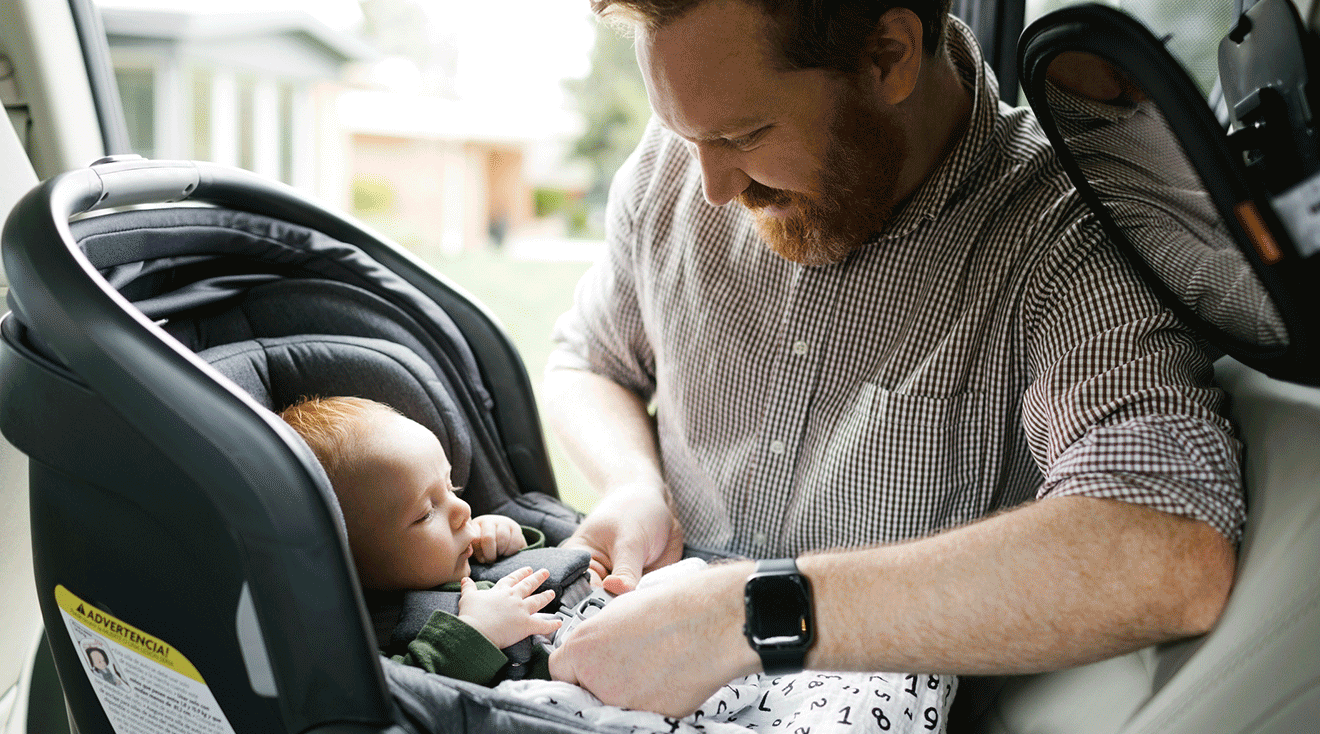
Credit: www.thebump.com
Choosing The Right Car Seat
Choosing the right car seat is crucial for your baby’s safety and comfort. The right seat fits your child’s size and age perfectly. It also supports proper posture during travel. Parents must understand the different types of car seats available. This helps in making an informed decision that suits the child’s needs.
Types Based On Age And Weight
Car seats come in various types to match your baby’s growth stages. Infant seats are rear-facing and designed for newborns up to 22-35 pounds. These seats offer extra head and neck support. Next are convertible seats, which can switch from rear-facing to forward-facing. Forward-facing seats suit toddlers from about 20 to 65 pounds. Booster seats help older children transition to regular seat belts. Weight and height limits guide the seat selection. Always check the manufacturer’s guidelines before use.
Convertible Seats Benefits
Convertible seats provide flexibility by adjusting as your child grows. They save money because one seat serves multiple stages. Rear-facing mode is safest for infants and young toddlers. Forward-facing mode suits older toddlers and preschoolers. Convertible seats often have better padding for comfort. They fit well in most vehicles. Installing one seat instead of many reduces hassle. Many models offer easy harness adjustments. These seats balance safety, comfort, and convenience effectively.
Alternatives For Long Trips
Long car trips with a baby require careful planning to ensure safety and comfort. Babies should not stay in car seats for too long without breaks. There are smart alternatives to help manage long journeys. These options help reduce stress for both the baby and parents. Keeping the baby happy and safe is the top priority.
Scheduled Breaks
Taking regular breaks is essential during long trips. Stop every one to two hours to let the baby stretch and move. Carry the baby out of the car seat during these breaks. Use this time to feed, change diapers, and calm the baby. Fresh air and movement help prevent discomfort and fussiness. Plan stops at safe, clean rest areas or parks. Keep breaks short but frequent to avoid long sitting times.
Portable Travel Solutions
Portable travel gear can ease long trips with a baby. Lightweight travel bassinets offer a cozy place for naps outside the car. Foldable baby carriers allow parents to carry the baby comfortably during breaks. Inflatable travel pillows support the baby’s head if they nap in the car seat. Portable sunshades protect the baby from harsh sunlight. These tools improve comfort and reduce the time the baby spends strapped in. Packing smart gear makes travel smoother for everyone.

Credit: www.madeformums.com
Health Impacts Of Prolonged Sitting
Spending too much time in a car seat can impact your baby’s health in ways you might not expect. It’s not just about comfort—prolonged sitting affects how their body functions and grows. Understanding these health impacts helps you make safer choices for your little one.
Breathing And Circulation Concerns
When babies sit too long in a car seat, their position can restrict their breathing. The slight forward curve of the seat may cause their chin to drop toward the chest, narrowing airways. This can reduce oxygen intake, especially for newborns with less developed neck muscles.
Circulation also suffers because sitting too long compresses blood vessels. You might notice your baby’s hands or feet getting cooler or looking pale. These signs mean blood flow isn’t optimal, and that’s a red flag for extended car seat use.
Have you ever seen your baby get fussy or restless after a long car ride? It could be their body telling you it’s time for a break. Regular pauses to take your baby out and let them stretch can improve breathing and circulation.
Spinal And Muscle Development
Your baby’s spine and muscles are growing rapidly in the first months. Sitting in a car seat for long periods can create pressure on the spine, leading to poor posture. This position doesn’t support natural spinal curves, which are crucial for healthy development.
Muscles also need movement to strengthen. When a baby stays still too long, muscles don’t get the exercise they need to grow. This can delay motor skills like rolling over or sitting up independently.
Think about how your baby moves when they’re awake—stretching arms, kicking legs, turning their head. These movements build strong muscles and bones. Limiting time in a car seat encourages your baby to move more freely and grow stronger.
Expert Recommendations And Guidelines
Experts provide clear advice on how long babies should stay in car seats. This guidance helps parents keep their little ones safe and comfortable during travel. Understanding these recommendations reduces risks linked to prolonged car seat use. The following sections explain what pediatricians and safety organizations suggest.
Pediatrician Advice
Pediatricians warn against leaving babies in car seats for too long. They recommend breaks every 1 to 2 hours during long trips. Sitting in a car seat for extended times can affect breathing and posture.
Doctors suggest removing babies from the seat for a few minutes. This helps improve circulation and reduces pressure on the spine. Parents should watch for signs of discomfort or fussiness.
Safety Organization Standards
Safety groups set clear rules about car seat use. The American Academy of Pediatrics advises limiting car seat time to under 2 hours at once. The National Highway Traffic Safety Administration supports similar limits.
These organizations stress the importance of proper seat installation and correct harness use. They also recommend using car seats only for travel, not as a replacement for cribs or swings. Following these standards helps protect babies from injury and discomfort.

Credit: www.reddit.com
Frequently Asked Questions
How Long Can A Baby Safely Stay In A Car Seat?
Babies should not stay in a car seat for more than 2 hours continuously. Prolonged sitting can affect breathing and posture. Always take breaks on long trips to remove the baby from the seat and allow movement.
Why Is It Unsafe For Babies To Stay Long In Car Seats?
Extended time in car seats can cause breathing difficulties and poor circulation. It may also lead to flat head syndrome. Babies need regular time outside the seat for healthy development and comfort.
How Often Should I Take My Baby Out Of The Car Seat?
Remove your baby from the car seat every 1. 5 to 2 hours. This helps prevent discomfort and health risks. Use breaks during travel to hold and reposition your baby safely.
Can Newborns Nap Safely In Car Seats?
Short naps in car seats are generally safe under supervision. However, avoid long naps as they can increase the risk of breathing issues. Always monitor your baby closely when sleeping in a car seat.
Conclusion
Babies should not stay in car seats for too long. Long periods can cause discomfort and health issues. Take breaks often during car trips. Always follow safety guidelines for your baby’s age and size. A comfortable and safe ride matters most.
Remember, short trips are better than long, continuous rides. Keep your baby happy and secure every time.