
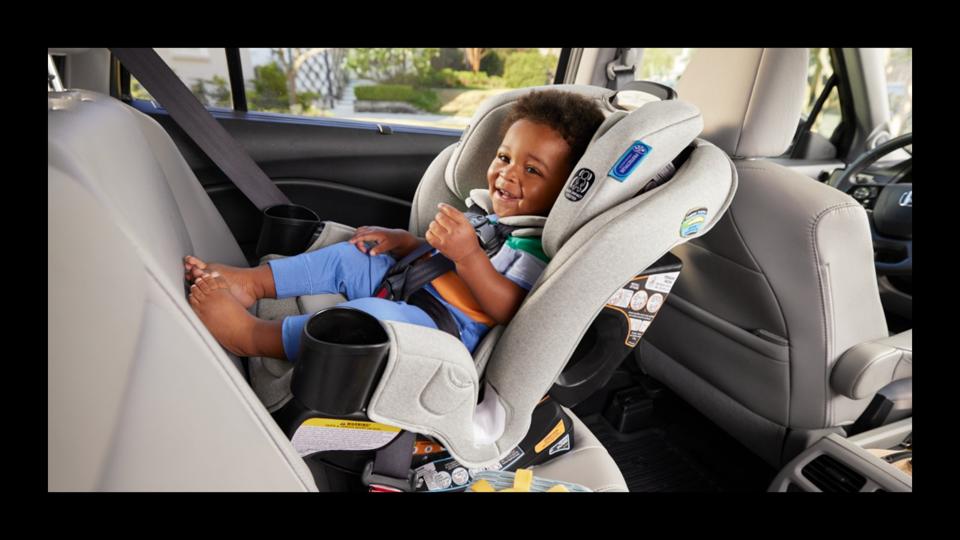
You want to keep your baby safe and comfortable during every car ride. But have you ever wondered how long your little one can stay in a car seat without risking their health?
It’s a question every parent asks, yet the answer isn’t always clear. Spending too much time in a car seat can affect your baby’s breathing and comfort. You’ll discover exactly how long your baby should be in a car seat, signs to watch for, and tips to make travel safer and more enjoyable.
Keep reading to make every trip a worry-free experience for you and your baby.
Safe Duration Limits
Knowing how long your baby can safely stay in a car seat is crucial for their well-being. Car seats are designed for safety during travel, not for extended periods of sitting. Understanding safe duration limits helps you protect your baby from discomfort and potential health risks.
Recommended Time Frames
Experts suggest that babies should not remain in a car seat for more than 2 hours at a time. This limit applies whether you’re on a road trip or just running errands around town. After 2 hours, give your baby a break by taking them out of the seat to stretch and move.
During long trips, plan for regular stops every 1.5 to 2 hours. This helps avoid prolonged pressure on your baby’s developing spine and allows them to breathe more easily. It’s also a chance to check on their comfort and adjust the seat if needed.
Risks Of Prolonged Use
Keeping your baby in a car seat for too long can lead to several health concerns. One major risk is restricted airflow, which can increase the chance of breathing difficulties. Babies have delicate airways that can become compressed if they sit too long in a semi-reclined position.
Another problem is poor circulation and muscle stiffness. Extended time in one position may cause discomfort and even contribute to flat head syndrome. Your baby’s body needs movement to develop properly, so lengthy periods in the seat can be harmful.
Have you noticed your baby getting fussy or uncomfortable after a long car ride? This is often a sign they need a break from the car seat. Paying attention to these cues can help you avoid health issues and keep your baby happy during travel.

Credit: www.thule.com
Signs Of Discomfort
Noticing when your baby is uncomfortable in their car seat is crucial for their safety and well-being. Babies cannot tell you directly, so you have to watch for subtle signs. Recognizing these signals early helps prevent distress and potential harm during car rides.
Physical Indicators
Look closely at your baby’s body language. Tight fists, arching back, or stiff legs often mean discomfort. If your baby’s face turns red or they start sweating, it’s a clear sign they might be too hot or cramped.
Sometimes, a baby’s head might slump forward or to the side, which can block their airway. This is a serious red flag that the car seat position needs adjusting immediately. Check the straps too; if they leave marks or seem too tight, it’s time to loosen them.
Behavioral Changes
Your baby’s mood can shift quickly when they’re unhappy in their seat. Watch for sudden fussiness or crying that doesn’t stop after calming attempts. If your usually calm baby becomes restless or agitated during the ride, they might be signaling discomfort.
Some babies start to yawn excessively or rub their eyes, showing tiredness worsened by the seat’s position. Others might refuse to settle or keep trying to shift their position. Have you noticed your baby doing these? It’s a good cue to check on their comfort and safety immediately.
Breaks And Movement
Babies should not stay in car seats for too long without breaks. Sitting for extended periods can affect their comfort and safety. Movement helps keep their muscles relaxed and supports healthy development.
Importance Of Regular Breaks
Taking breaks every hour is important for babies in car seats. It helps improve their blood flow and reduces pressure on their bodies. Babies can become restless and uncomfortable if left seated too long.
During breaks, babies get a chance to stretch and change position. This lowers the risk of breathing difficulties and keeps them calm. Regular pauses also give parents time to check the baby’s well-being.
How To Safely Remove Baby
Always stop the car in a safe place before removing your baby. Unbuckle the harness slowly and support the baby’s head and neck. Avoid sudden movements to prevent discomfort or injury.
Gently lift the baby out of the car seat. Place the baby on a flat, secure surface for movement and play. Keep an eye on the baby’s reactions and comfort during the break.
Car Seat Types And Limits
Understanding the different types of car seats and their limits is crucial for keeping your baby safe during every ride. Each seat type has specific weight and height restrictions that determine how long your baby can safely stay in it. Knowing these limits helps you avoid risks and ensures your child’s comfort on the road.
Infant Seats
Infant seats are designed specifically for newborns and smaller babies. They usually support weights from 4 to 35 pounds and heights up to around 30 inches. These seats are rear-facing only, which is the safest position for young babies.
Many parents find infant seats convenient because they often come with a detachable carrier. This makes it easy to move your baby without waking them. However, once your baby reaches the weight or height limit, it’s time to switch to a different seat.
Convertible Seats
Convertible seats grow with your child and can be used in both rear-facing and forward-facing positions. They typically accommodate babies starting at 5 pounds and can support children up to 65 pounds or more, depending on the model.
These seats allow your baby to stay rear-facing longer, which many experts recommend for enhanced safety. When your child outgrows the infant seat, a convertible seat offers flexibility and extended use, saving you from buying multiple seats.
Have you checked your current car seat’s limits lately? Staying aware of these details ensures your baby’s protection and comfort every time you hit the road.
Travel Tips For Parents
Babies should not stay in car seats for more than two hours at a time to avoid discomfort and breathing problems. Frequent breaks during long trips help keep them safe and comfortable. Always watch for signs that your baby needs a break from the seat.
Traveling with a baby requires a lot more planning and attention to detail, especially when considering how long they can be in a car seat. As a parent, you’re likely always thinking about the balance between safety and comfort for your little one. Whether it’s a quick trip to the grocery store or a longer drive to visit family, there are several tips to ensure your journey is smooth for both you and your baby.Planning Trips With Babies
Planning is key to a successful trip with a baby. Before you head out, make a checklist of essentials: diapers, wipes, feeding supplies, and a change of clothes. Consider the duration of your trip and plan regular stops to give your baby a break from the car seat. Research your route for baby-friendly stops like parks or rest areas where you can safely take your child out of the car seat. Have you thought about the timing of your trip? Traveling during your baby’s nap time might make the journey more peaceful.Ensuring Comfort And Safety
Your baby’s safety in a car seat is non-negotiable, but comfort is equally important. Check the car seat’s fit every time you travel. Adjust straps to ensure they’re snug but not too tight. Use soft, breathable fabrics for your baby’s clothing to avoid overheating, and bring a small blanket if the car gets chilly. Are you aware that car seat covers can provide extra comfort while ensuring safety? They can be a worthwhile investment for long drives. Remember, your baby’s comfort and safety go hand in hand. By addressing both, you make travel a more pleasant experience for the whole family.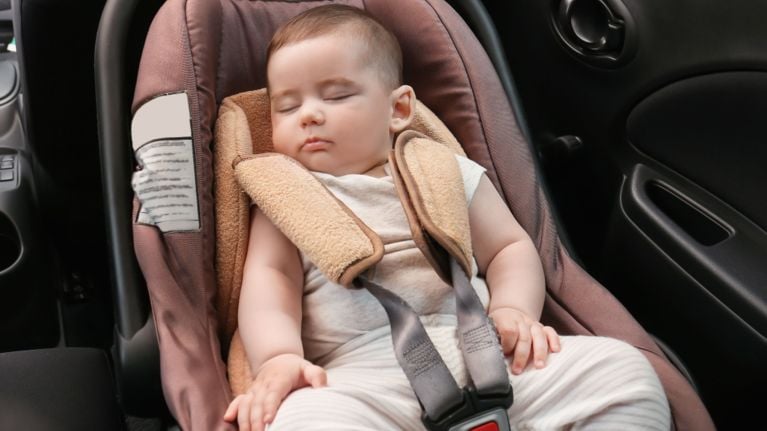
Credit: www.todaysparent.com
Medical Perspectives
Medical experts offer important advice on how long babies should stay in car seats. Their views focus on safety and health risks linked to long periods in these seats. Understanding these perspectives helps parents keep their babies safe during travel and rest.
Pediatrician Recommendations
Doctors suggest limiting the time babies spend in car seats outside the car. They recommend no more than two hours at a stretch. Long use can affect breathing and posture. Pediatricians advise frequent breaks during travel. Taking babies out of the seat helps them stretch and move. Always place the car seat in the back seat for safety. Follow the car seat manual and update to newer models as your baby grows.
Potential Health Concerns
Prolonged car seat use can cause health issues. Babies may develop flat spots on their head from pressure. Restricted movement can lead to poor muscle development. Some babies risk breathing difficulties if slumped for long times. Car seats are designed for travel, not sleep or play. Experts warn about the risk of low oxygen levels. Parents should watch for signs of discomfort or distress. Using car seats appropriately protects babies’ health and comfort.

Credit: www.madeformums.com
Frequently Asked Questions
How Long Can Babies Safely Stay In Car Seats?
Babies should not stay in car seats for more than 2 hours at a time. Prolonged sitting can cause breathing difficulties and discomfort. Always take breaks on long trips to remove your baby and allow movement.
Why Is It Unsafe For Babies To Sit Too Long In Car Seats?
Extended time in car seats can restrict a baby’s airway and cause poor circulation. It may lead to positional asphyxia. Car seats are designed for travel, not for prolonged sleep or sitting.
When Should Babies Transition Out Of Rear-facing Car Seats?
Babies should remain rear-facing until at least 2 years old or until they reach the car seat’s height and weight limits. Rear-facing seats provide better head and neck protection during crashes.
Can Car Seats Be Used As Baby Carriers Or Cribs?
Car seats are not designed for use as carriers or cribs outside the car. Using them improperly increases the risk of injury and positional asphyxia. Always transfer babies to appropriate sleeping surfaces.
Conclusion
Babies should not stay in car seats for too long at once. Experts say no more than two hours is safe. Long periods can harm their breathing and comfort. Always take breaks on long trips to let babies move. Use car seats correctly and follow weight and height limits.
Safety is the top priority when traveling with little ones. Remember, short rides and frequent stops keep babies safe and happy. Keep these tips in mind for every car journey with your baby.