
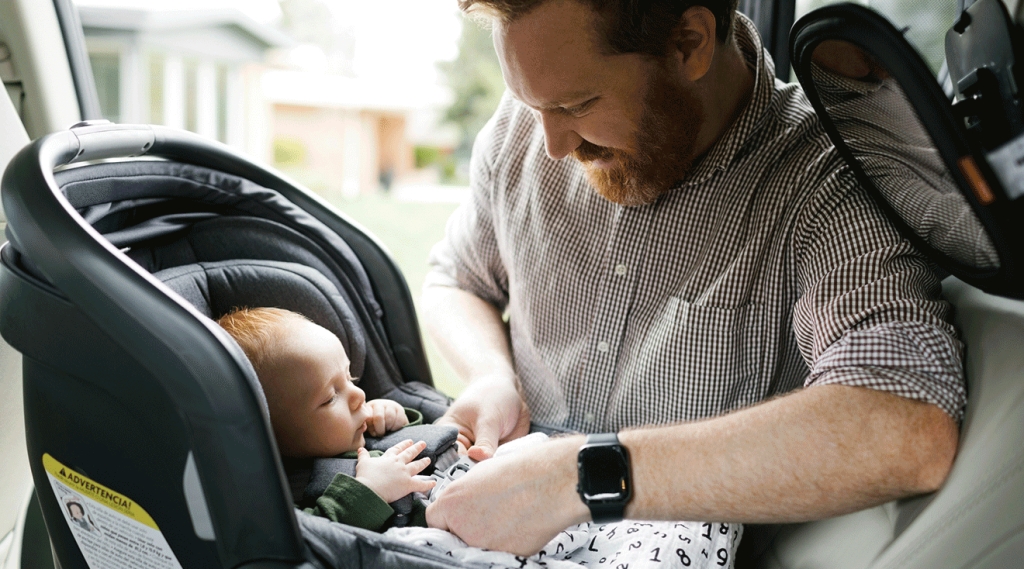
If you’re a parent or caregiver, you’ve probably wondered: how long can babies safely stay in a car seat? You want to keep your little one comfortable and secure, but sitting too long could cause problems.
Knowing the right amount of time can protect your baby’s health and give you peace of mind every time you travel. Keep reading to discover essential tips that will help you make safe choices for your baby’s car rides.
Recommended Time Limits
Babies spend many hours in their car seats during travel. It is important to know the recommended time limits to ensure their safety and comfort. Staying too long in a car seat can cause discomfort and health issues. Parents should follow guidelines based on age and weight to protect their little ones.
Guidelines For Newborns
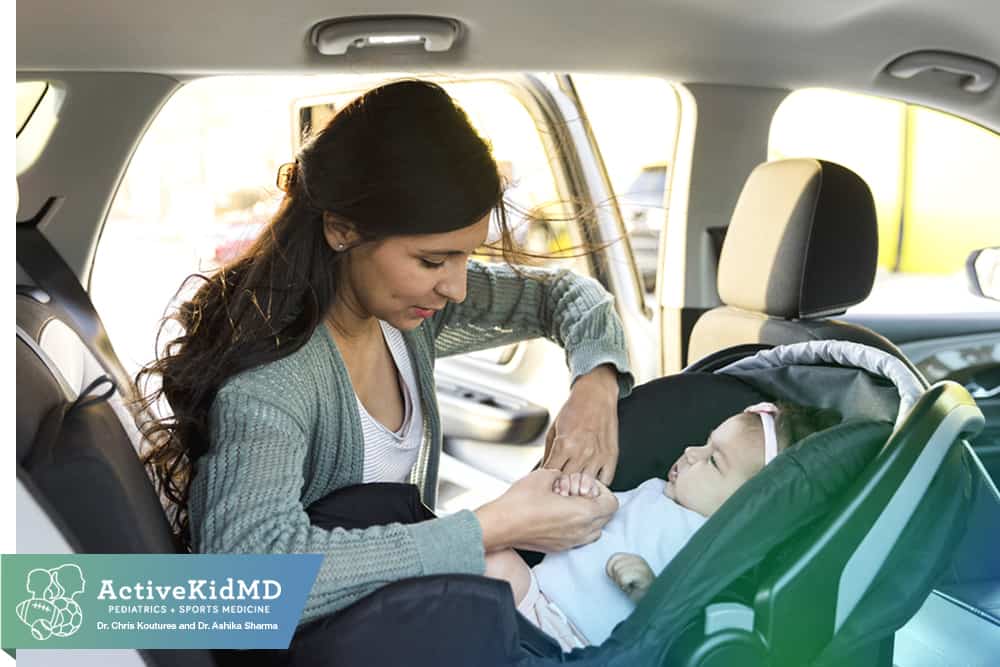
Newborns need special care in car seats. Experts advise limiting continuous time to about 1 to 2 hours. After this, take breaks to let the baby stretch and move freely. Newborns have soft bones and delicate airways. Sitting too long can affect breathing and blood flow.
Use frequent stops during long trips. Remove the baby from the seat for a few minutes. Hold and cuddle them to help with muscle movement. Avoid leaving a newborn in a car seat outside of travel time. This helps prevent pressure on their spine and head.
Age And Weight Considerations
As babies grow, time limits adjust. Infants under 20 pounds should not stay in the seat longer than 2 hours at once. Toddlers may handle longer rides but still need breaks every 2 to 3 hours. Watch the baby’s behavior for signs of discomfort or distress.
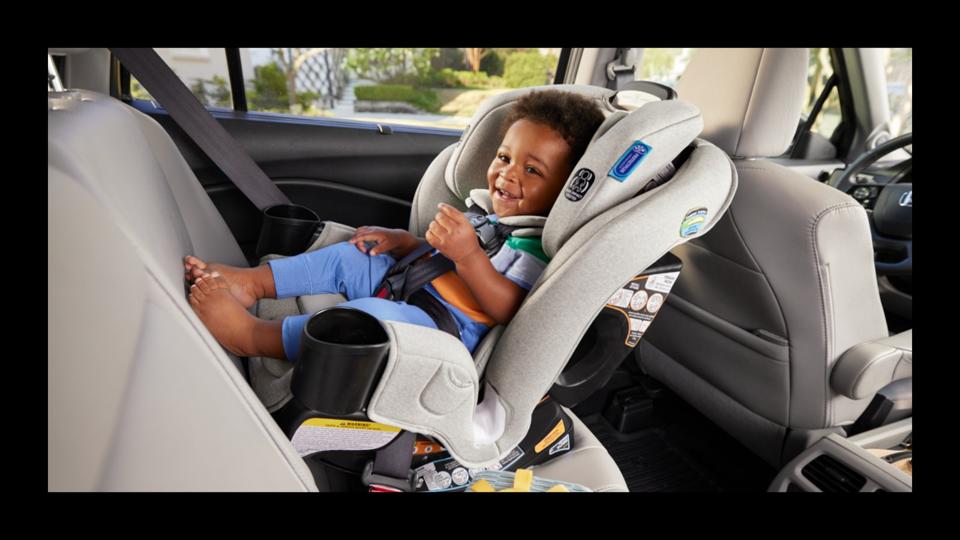
Always follow the car seat manufacturer’s weight and height limits. Do not rush to move a baby to the next seat type. Rear-facing seats provide the best protection for young children. Keep your child rear-facing as long as possible within the seat limits.
Credit: activekidmd.com
Risks Of Prolonged Use
Leaving babies in car seats for too long carries some risks. These risks affect their health and comfort. Parents must understand these dangers to keep babies safe and happy.
Physical Health Concerns
Prolonged use of car seats can harm a baby’s physical health. Sitting in a curved position for hours may affect breathing. Babies have weak neck muscles, and long periods in the seat can strain them. Blood flow might reduce if the position is too tight. This may cause discomfort or even swelling in arms and legs.
There is also a risk of developing flat head syndrome. This happens when babies rest their heads on hard surfaces for too long. Car seats do not provide enough head movement, which can lead to this condition.
Comfort And Positioning Issues
Car seats are designed for short trips, not long stays. Babies can become uncomfortable after a while. The seat’s angle may not support their natural spine curve. This causes poor posture and fussiness.
Limited movement in car seats may make babies restless. They cannot stretch or change position freely. This can lead to crying and trouble sleeping. Babies need time out of the seat to move and relax.
Safe Practices For Car Seat Use
Using a car seat correctly is key to keeping your baby safe on every trip. Many parents wonder how long their baby can safely stay in the car seat without risking discomfort or injury. Understanding safe practices helps you protect your child while making travel smoother for the whole family.
Proper Installation Tips
Make sure the car seat is tightly secured to your vehicle’s seat. The seat should not move more than one inch side to side or front to back. If you find it wobbly, try adjusting the seat belt or latch system until it’s firm.
Always check the angle of the car seat. Newborns need a reclined position to keep their airways open. Many seats have built-in indicators—use these to get the right tilt.
Think about your car’s specific model too. Some seats fit better in certain cars, so test the seat before buying. Have you tested different positions to find the safest and most comfortable spot?
Correct Harnessing Techniques
The harness should be snug but not too tight—use the “pinch test” to check. If you can pinch extra webbing at the shoulder, it’s too loose. Your baby should be secure without feeling squeezed.
Position the harness straps at or just below your baby’s shoulders for rear-facing seats. This keeps them safely in place during sudden stops. Remember to tuck away any excess strap to avoid tangling or choking hazards.
Don’t forget to fasten the chest clip at armpit level. This keeps the harness straps properly aligned over the child’s chest. Have you noticed how a misplaced clip can reduce the harness’s effectiveness?
Credit: www.forbes.com
Signs To Take Breaks
Knowing when to take breaks from the car seat is crucial for your baby’s comfort and safety. Babies can’t tell you directly when they’re uncomfortable, so you need to watch for signs that it’s time to pause. These moments help prevent fussiness and ensure your baby stays happy during the ride.
Recognizing Baby’s Discomfort
Your baby might show discomfort in subtle ways. Look for crying that doesn’t stop with soothing, or if your baby’s body seems stiff or tense. Squirming or trying to arch their back could mean they need a break.
Also, check for changes in skin color, such as redness or paleness, especially around the neck or face. These signs can indicate that the baby is struggling in the seat. You know your baby best—if something feels off, it probably is.
When To Stop And Remove Baby
It’s important to stop and take your baby out of the car seat every 1 to 2 hours during long trips. Use these breaks to stretch their legs, change diapers, and give them a chance to move freely.
If your baby is crying nonstop or seems overly restless, don’t wait for scheduled breaks—stop sooner. Remember, safety comes first, but comfort keeps your baby calm and reduces stress for everyone.
Alternatives For Long Trips
Babies should not stay in car seats for more than two hours at a time to avoid discomfort or health risks. Plan regular breaks during long trips to let your baby stretch and move safely. Consider alternatives like using a stroller or carrier for rest stops.
When planning a long road trip with your little one, you might wonder about alternatives to keeping them in a car seat for extended periods. Long hours in a car seat can be uncomfortable and even harmful for babies. Fortunately, with a bit of creativity and preparation, you can ensure a safer and more enjoyable journey for your child.Planning Frequent Stops
Breaking up the trip can make a world of difference. Aim for stops every couple of hours to give your baby a break from the car seat. During these breaks, allow them to stretch and move freely. This not only helps with their comfort but also prevents them from getting too restless. Consider incorporating scenic spots or parks into your route. These can be great for both a baby break and a little family fun. You’ll find that the fresh air and change of scenery can do wonders for everyone’s mood.Using Portable Baby Seats
Portable baby seats offer flexibility and comfort. They’re perfect for when you’re taking a break and want your baby to relax outside the car. These seats are lightweight and easy to carry, making them a convenient option for pit stops. Look for seats with good support and safety features. Some even come with added toys to keep your baby entertained. It’s a small investment that can greatly enhance your travel experience. Are there any specific spots you love to stop at during long trips? Consider incorporating them into your plan to make the journey as enjoyable as the destination.
Credit: www.madeformums.com
Expert Recommendations
Experts give clear advice on how long babies should stay in car seats. Their guidance helps parents keep babies safe and comfortable. Understanding these expert recommendations is key to proper car seat use.
Pediatrician Advice
Pediatricians suggest limiting car seat time to under two hours at once. Sitting too long can affect a baby’s breathing and cause discomfort. They recommend taking breaks during long trips for feeding and movement. Always watch for signs of fussiness or distress in your baby.
Safety Organization Guidelines
Safety groups like the American Academy of Pediatrics set clear rules. They advise using rear-facing car seats until at least age two or until weight limits are reached. Continuous use of the seat in one stretch should not exceed two hours. These organizations stress frequent breaks and never leaving a baby unattended in the seat.
Frequently Asked Questions
How Long Can Babies Safely Stay In A Car Seat?
Babies should not stay in a car seat for more than two hours at a time. Prolonged sitting can cause breathing issues and discomfort. Always take breaks during long trips to remove the baby from the car seat and allow movement.
What Are Risks Of Extended Car Seat Use For Babies?
Extended car seat use can lead to poor posture, restricted airflow, and decreased oxygen levels. It may also increase the risk of flat head syndrome and physical discomfort. Limit car seat time to ensure your baby’s safety and well-being.
When Should I Remove My Baby From The Car Seat?
Remove your baby from the car seat after each trip or no longer than two hours. Always transfer your baby to a safe, flat surface for rest or play. Frequent breaks help prevent physical strain and support healthy development.
Can Babies Sleep Safely In Car Seats During Travel?
Babies can sleep in car seats during travel but only for short periods under two hours. Ensure the seat is properly installed and the baby is securely fastened. Avoid using car seats as regular sleep devices outside the car.
Conclusion
Babies should not stay in car seats for too long at once. Their comfort and safety matter most. Take breaks during long trips to let them move. Always follow the car seat’s weight and height limits. Check your baby often for any signs of discomfort.
Using the car seat correctly keeps your baby safe. Keep these tips in mind for every ride. Safe travels and happy journeys with your little one!