

If you’re a parent or caregiver, you’ve probably wondered, “How long can my baby safely stay in a car seat?” It’s a question that matters because your baby’s comfort and safety come first. Spending too much time in a car seat can cause discomfort or even health risks for your little one.
But how do you know when it’s too long? You’ll find clear answers and practical tips to keep your baby safe and happy during every car ride. Keep reading—you’ll want to know these important facts before your next trip.
Recommended Time Limits
Babies need to be safe and comfortable in their car seats. Knowing the recommended time limits helps protect their health. Too long in a car seat can cause discomfort and other issues. Parents should balance safety with their baby’s well-being during trips.
Maximum Duration Per Ride
Experts suggest babies should not stay in a car seat for more than two hours at a time. This limit helps reduce risks like breathing problems and poor circulation. Long rides require careful planning to avoid keeping babies strapped for too long. Shorter trips or breaks make the journey safer and more pleasant.
Frequent Breaks Importance
Stopping every one to two hours is important for babies in car seats. Breaks let babies stretch and change positions outside the seat. Parents can check for signs of discomfort or overheating during stops. These pauses help maintain good blood flow and reduce stress on the baby’s body.
Risks Of Prolonged Sitting
Babies should not sit in car seats for long periods. Prolonged sitting can lead to several health risks. Parents must understand these risks to keep their babies safe and comfortable during travel.
Breathing And Oxygen Flow
Car seats position babies in a semi-reclined posture. This position can cause the baby’s head to fall forward. It may block the airway partially, reducing oxygen flow. Babies have weaker neck muscles and less control of their head. This increases the risk of breathing difficulties. Prolonged time in this position can lead to lower oxygen levels. It may also increase the risk of sudden infant death syndrome (SIDS).
Physical Discomfort And Pressure
Long sitting periods cause physical discomfort for babies. Their soft bodies are not designed to stay in one position for hours. Pressure builds up on certain body parts, especially the spine and hips. This can lead to soreness or even skin irritation. Babies may become fussy or restless due to discomfort. Poor circulation may occur from limited movement, affecting limb health. Frequent breaks help reduce these risks and keep babies comfortable.
Signs Baby Needs A Break
Babies cannot stay in a car seat for too long without breaks. Watching for signs that your baby needs a break is very important. Babies cannot tell you when they feel uncomfortable. Parents must notice subtle changes in behavior and breathing. These signs help prevent distress and keep babies safe during travel.
Fussiness And Crying
Fussiness is one of the first signs your baby needs a break. When a baby becomes restless, it shows discomfort. Crying often means the baby wants out of the seat. The tight straps and limited movement might cause frustration. Babies need freedom to stretch and move their limbs. If fussiness and crying increase, it is time to stop and comfort your baby.
Changes In Breathing Patterns
Watch your baby’s breathing closely while in the car seat. Slow or shallow breathing can be a warning sign. Rapid or irregular breaths may also show discomfort or distress. Proper breathing is crucial for baby’s safety. If breathing changes, take your baby out immediately. Allow your baby to relax and breathe normally before continuing the trip.
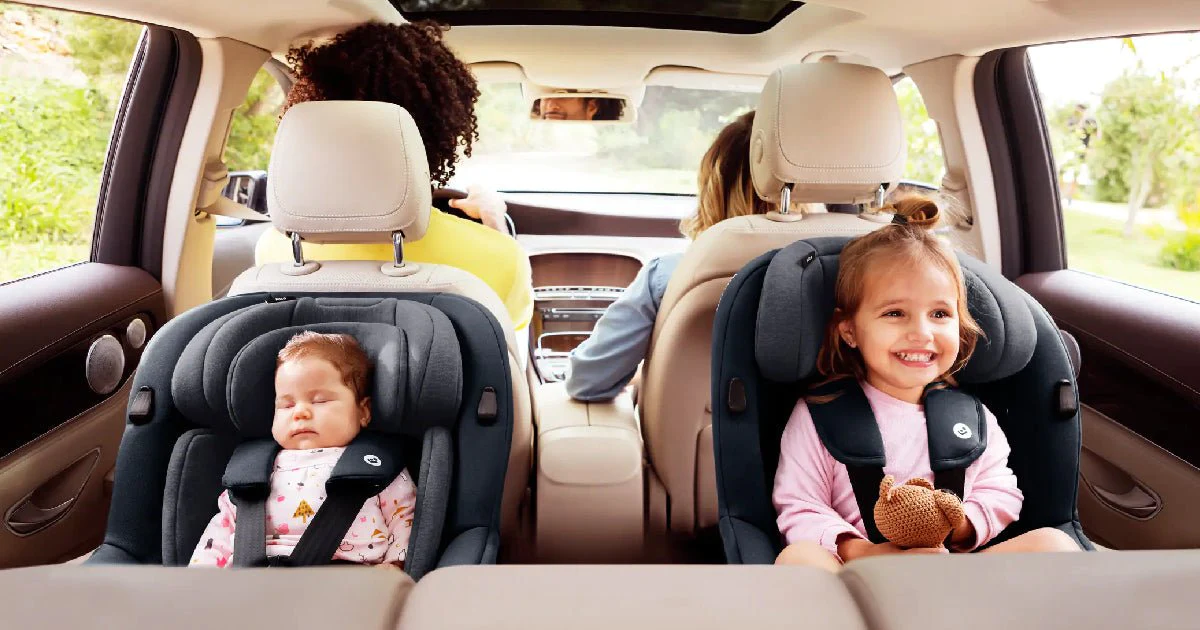
Credit: www.greensafaris.com
Safe Car Seat Practices
Ensuring your baby’s safety in a car seat goes beyond just strapping them in. Safe car seat practices are essential to protect your child during every journey. Paying attention to details like installation and harness positioning can make a huge difference in comfort and security.
Proper Seat Installation
Is your car seat installed correctly? This question is vital because even a small mistake can compromise safety. Use the vehicle’s seat belt or LATCH system to secure the car seat firmly; it should not move more than an inch side to side or front to back.
Check the angle of the seat—too reclined or too upright can affect your baby’s breathing and comfort. Many car seats have built-in angle indicators or adjustable bases to help you get it just right. Don’t hesitate to visit a local car seat inspection station or ask a certified technician for help if you feel unsure.
Correct Harness Positioning
Think about how the harness fits your baby. The straps should lie flat and snug against their body without any twists. Harness clips should be positioned at armpit level to keep your baby secure without causing discomfort.
Have you ever tried tightening the straps and then tested if you can pinch any slack at the shoulders? If you can, the harness is too loose. Tighten until you can’t pinch any excess strap—this ensures your baby is safely restrained without restricting movement.
Alternatives To Long Car Seat Use
Understanding car seat time limits can help keep babies safe. Frequent breaks during long trips are essential. Consider alternatives like baby carriers or strollers for short distances. These options provide comfort and reduce time spent in car seats.
Alternatives to Long Car Seat Use Long car rides can be challenging for both babies and parents. While car seats are essential for safety, extended use may not be comfortable for your baby. Thankfully, there are alternatives that can make car travel more pleasant for everyone.Portable Baby Carriers
Portable baby carriers are a great option for giving your baby a break from the car seat. They allow you to carry your baby close, providing comfort and a sense of security. Imagine stopping at a rest area and using a baby carrier to explore a nearby park. This not only breaks the monotony of the journey but also gives you and your baby some much-needed fresh air. Carriers are versatile and can be easily packed in the car, ready for use at any time. Do you have a favorite park or landmark you pass on long drives? Consider planning a quick stop to stretch your legs while keeping your baby snug and close.Frequent Stops For Movement
Frequent stops are vital for breaking up long journeys and preventing your baby from staying in the car seat too long. Plan your route to include rest stops every couple of hours. During these breaks, let your baby move around safely, whether it’s crawling on a blanket or having tummy time. This not only helps with physical development but also keeps your baby entertained. Think about it—would you enjoy sitting in the same spot for hours without a chance to move? Your baby likely feels the same way. By planning regular breaks, you can turn a long car ride into an exciting adventure with new experiences along the way. Taking these small steps can make a significant difference in your travel experience. What creative ways can you think of to make travel more enjoyable for your little one?Special Considerations For Newborns
Newborns require extra care when placed in car seats. Their tiny bodies and developing muscles need special attention to keep them safe and comfortable. Understanding the unique needs of your newborn can help you avoid common risks and make travel smoother for both of you.
Fragile Neck Support
Your newborn’s neck muscles are very weak and cannot support their head fully. This makes proper positioning in the car seat crucial. Using a properly designed infant car seat with adequate head and neck support is essential to prevent their head from flopping forward, which can block airways.
Many parents don’t realize how dangerous it can be if the baby’s chin rests on their chest for too long. This position can restrict breathing without obvious signs. You might want to add small, safe rolled towels or inserts approved by the car seat manufacturer to help keep your baby’s head aligned.
Monitoring Baby Closely
Always keep an eye on your newborn while they’re in the car seat, especially during long trips. It’s easy to get distracted, but frequent visual checks can prevent potential breathing issues. If you notice any unusual color changes or difficulty breathing, stop immediately and adjust the seat or position.
Ask yourself: How often are you able to safely pause for a check during your drive? Planning regular breaks every 30 to 45 minutes allows your baby to stretch and reduces the risk of discomfort or breathing problems. Remember, your attentiveness can make all the difference in keeping your newborn safe.
Expert Recommendations
Experts stress the importance of limiting time babies spend in car seats. Extended periods can cause discomfort and health risks. Parents should follow trusted guidelines to keep babies safe and comfortable during travel.
Pediatrician Guidelines
Pediatricians advise keeping babies in car seats for no more than 2 hours at a time. Prolonged sitting can affect breathing and cause muscle strain. They recommend frequent breaks during long trips to allow babies to stretch and move.
Newborns especially need careful monitoring. Their fragile bodies require frequent repositioning outside the seat. Pediatricians also suggest avoiding naps in car seats outside the car to prevent breathing issues.
Safety Organization Advice
Safety organizations like the American Academy of Pediatrics set clear limits on car seat usage. They warn against leaving babies in car seats for long periods, especially when not traveling. These groups recommend car seats be used only for travel, not as regular seating.
Regular checks during trips ensure babies remain properly secured and comfortable. Safety experts encourage parents to plan stops every 1 to 2 hours. This practice reduces risks linked to prolonged sitting in car seats.

Credit: www.reddit.com
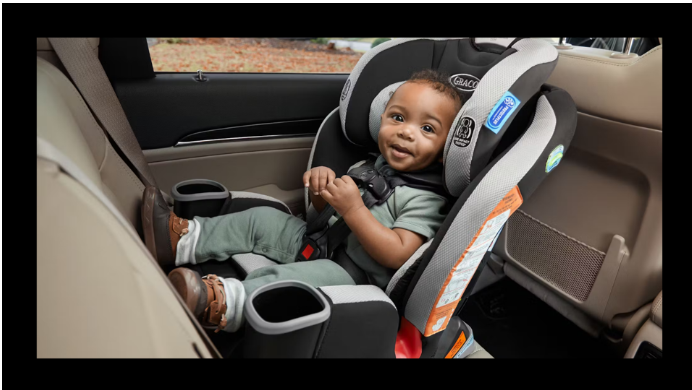
Credit: v2v-logistics.com
Frequently Asked Questions
How Long Should Babies Stay In A Car Seat?
Babies should stay in a car seat only during travel, ideally no more than 2 hours at a time. Extended use can cause discomfort and pose health risks. Always take breaks to remove your baby and allow movement.
When Is It Unsafe For Babies To Remain In Car Seats?
It becomes unsafe when babies stay in car seats for over 2 hours without breaks. Prolonged sitting can restrict breathing and cause poor circulation. Always monitor your baby and limit car seat time to protect their health.
Can Newborns Sleep Safely In Car Seats?
Newborns can sleep briefly in car seats during travel, but prolonged sleep increases risks. Car seats are not designed for extended sleep outside the car. Always supervise and limit the time your newborn spends in the seat.
What Are The Risks Of Long Car Seat Use For Babies?
Long car seat use can cause breathing difficulties, hip problems, and poor circulation. It may also increase the risk of positional asphyxia. Limit usage to travel time and ensure regular breaks to keep your baby safe.
Conclusion
Babies should not stay in a car seat too long at once. Experts say limit rides to about two hours. Long time in a car seat can cause discomfort or health risks. Always check your baby often during trips. Take breaks to let your baby stretch and move.
Use the car seat only for travel, not as a daily resting spot. Keep your baby safe and comfortable on every journey. Safe travel habits help your little one grow healthy and happy.