
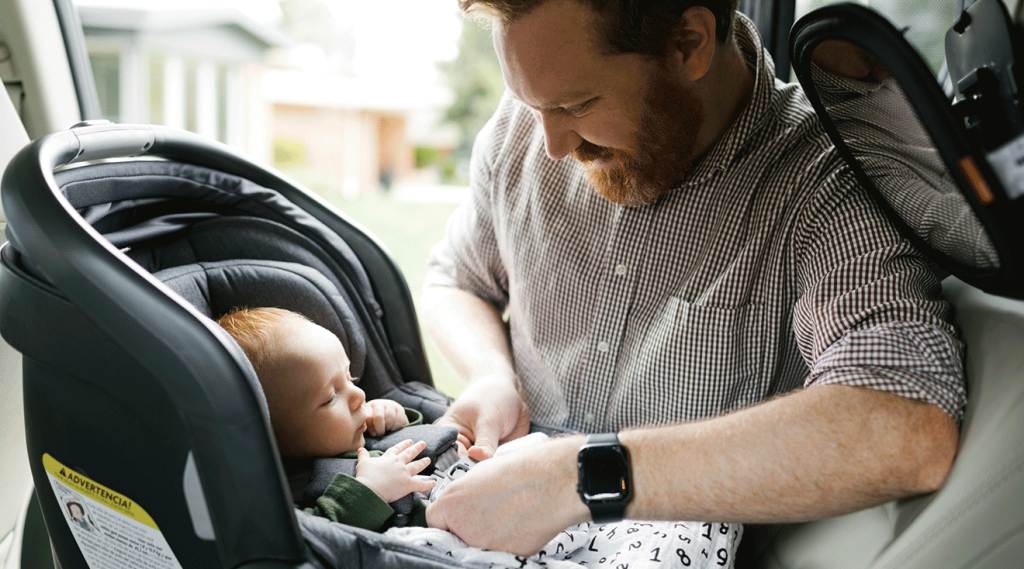
Have you ever wondered how long your baby can safely stay in a car seat? It’s a question every parent or caregiver should know the answer to.
Keeping your little one secure is your top priority, but too much time in a car seat can cause discomfort or even health risks. You’ll discover the safe limits, important signs to watch for, and practical tips to keep your baby happy and healthy during every ride.
Keep reading to make every trip safer and more comfortable for your baby.

Credit: www.reddit.com
Risks Of Prolonged Car Seat Use
Babies need extra care when placed in car seats for long periods. Prolonged use of car seats can lead to several health risks. Parents should understand these risks to keep their infants safe and comfortable during travel.
Physical Strain On Infants
Babies have delicate muscles and bones. Sitting in a car seat for too long can cause stiffness and discomfort. Their neck muscles may strain because their heads are heavy. Limited movement restricts blood flow and can make muscles sore.
Breathing Difficulties
Infants’ airways are small and sensitive. Slouching or leaning forward in a car seat can block airflow. This position may cause shallow breathing or difficulty breathing. Babies need a proper, upright position to breathe easily and safely.
Potential For Flat Head Syndrome
Flat head syndrome happens when babies lie in one position too long. Car seats can put pressure on the back of the head. This pressure may change the shape of the skull over time. Changing positions often helps prevent this condition.

Credit: www.reddit.com
Recommended Time Limits
Knowing how long your baby can safely stay in a car seat is crucial for their comfort and well-being. Overuse can lead to discomfort, breathing difficulties, and even developmental concerns. Let’s look at the recommended time limits to keep your little one safe during every ride.
Guidelines From Pediatric Experts
Pediatricians generally advise limiting continuous time in a car seat to about 2 hours. Staying longer than this can cause your baby to adopt a curled position that restricts airflow and blood flow. This is especially important for newborns, who have less muscle control and more fragile airways.
If you’re on a long trip, plan frequent breaks to take your baby out of the seat. Use these pauses for feeding, changing, and letting your baby stretch. Have you ever noticed how quickly a baby’s mood improves after a short break? That’s not just relief—it’s safer for their body too.
Safe Duration For Different Ages
| Age Group | Recommended Continuous Time | Notes |
|---|---|---|
| Newborn to 6 months | Up to 1.5 – 2 hours | More frequent breaks needed; high risk of airway issues |
| 6 months to 1 year | Up to 2 hours | Still need breaks; watch for signs of discomfort |
| 1 year and older | 2 to 3 hours | Can tolerate longer periods but breaks recommended |
As your baby grows, their ability to sit longer improves, but you should always watch for signs of fussiness or discomfort. Are you paying attention to how your baby behaves in the car? Early signs of distress can guide you to adjust travel plans.
Remember, the goal isn’t just to follow time limits but to keep your baby comfortable and safe. Regular stops aren’t just breaks for you—they’re essential for your baby’s health too.
Signs Baby Needs A Break
Babies cannot stay in car seats for long periods without breaks. Their tiny bodies need movement and comfort. Watching for signs that your baby needs a break helps keep them safe and happy. These signs show when it is time to stop and let your baby stretch and change position.
Crying And Fussiness
Crying is the most common sign your baby needs a break. Fussiness often means discomfort or tiredness. Babies cannot tell us with words. They use crying to show they want out of the seat. Pay attention if the crying grows louder or does not stop.
Body Position Changes
Your baby may try to move or shift often. This shows they feel stiff or uncomfortable. Watch for slumping, leaning, or twisting in the seat. Babies might arch their back or pull their legs up. These movements mean the car seat is no longer comfortable.
Breathing And Color Changes
Check your baby’s breathing regularly. It should be steady and calm. Fast or labored breathing signals distress. Look at your baby’s skin color too. Pale, bluish, or flushed skin means your baby needs a break immediately. These signs point to poor air flow or pressure on their body.
Safe Practices For Car Seat Use
Babies should not stay in a car seat for more than two hours at a time. Long periods can cause discomfort and breathing problems. Always take breaks to remove your baby safely from the seat.
Ensuring your baby’s safety while traveling in a car is a top priority for every parent. Car seats are designed to protect your little one, but it’s essential to use them correctly to maximize their safety benefits. Understanding safe practices for car seat use can make all the difference in keeping your child secure and comfortable during your journeys.Proper Installation And Positioning
The first step to ensure your baby’s safety is the proper installation and positioning of the car seat. Always refer to the car seat manual and your vehicle’s manual to ensure compatibility. Secure the car seat using either the seat belt or LATCH system, but not both. The car seat should not move more than an inch side-to-side or front-to-back. Make sure the harness fits snugly over your baby’s shoulders, with the chest clip at armpit level. The seat should be reclined at the correct angle to prevent your baby’s head from falling forward, which can obstruct their airway.Regular Breaks During Travel
Long car rides can be tiring for babies, making regular breaks essential. Aim to take a break every two hours to allow your baby to stretch and get some fresh air. These breaks not only prevent discomfort but also reduce the risk of positional asphyxiation, a rare but serious concern. Use this time to check the fit of the car seat harness and adjust if necessary. How often do you pause to ensure your baby’s comfort?Alternative Carrying Options
Sometimes, a car seat might not be the best option for moving your baby around. Consider using a stroller or baby carrier for short distances to provide more mobility and comfort. Many travel systems allow you to transfer the car seat directly to a stroller without disturbing your baby. This can be particularly helpful when running errands or making quick stops. Could these alternatives make your outings more manageable? Prioritizing your baby’s safety with these practices not only brings peace of mind but also makes every journey more enjoyable. What adjustments could you make to improve your current travel routine?When To Transition Out Of Car Seats
Knowing when to transition your baby out of a car seat is crucial for their safety and comfort. It’s not just about age but also about weight, height, and your child’s developmental needs. Moving too early or too late can affect how well your little one stays secure during travel.
Age And Weight Considerations
Most car seats have specific limits based on age and weight. Rear-facing seats are generally safest until your baby reaches at least 2 years old or the maximum weight allowed by the seat’s manufacturer. Many parents don’t realize that switching to a forward-facing seat too soon can increase the risk of injury.
Check the labels on your car seat carefully. If your baby is still under the recommended weight or height, it’s best to keep them in the current seat. Have you measured your child recently? Keeping track ensures you don’t rush the transition.
Switching To Strollers Or Carriers
Once your baby grows beyond the car seat’s limits, you may wonder if it’s time to move to a stroller or baby carrier for short trips. Strollers offer more freedom and comfort for walking, but they aren’t designed to protect your child in a vehicle.
Carriers can be great for quick errands or calming your baby, but they should never replace a car seat during travel. Always use the right equipment for the situation to keep your baby safe. What’s your go-to gear for outings once your baby outgrows the car seat?
Emergency Situations And Car Seats
Emergency situations can happen anytime during travel with a baby. Car seats provide essential safety, but they have limits on how long a baby should stay inside. Parents must be ready to act quickly if the baby shows signs of discomfort or distress.
Keeping a baby safe and comfortable during unexpected delays requires attention and care. Knowing what to do in these moments helps protect the baby’s health and well-being.
What To Do If Baby Becomes Uncomfortable
Watch for signs of discomfort like fussiness, sweating, or difficulty breathing. Stop the car safely as soon as possible. Remove the baby from the car seat gently and check their position. Offer a break to stretch and breathe freely. Use a soft blanket or pacifier to soothe the baby. Never leave the baby unattended in the car seat.
Handling Unexpected Delays
Unexpected delays can extend the time a baby spends in the car seat. Plan short stops during long trips to give the baby a break. Carry water, snacks, and toys to keep the baby calm. Keep the car well-ventilated and at a comfortable temperature. Stay calm and patient to help the baby feel secure. Always prioritize the baby’s comfort over the travel schedule.

Credit: www.madeformums.com
Frequently Asked Questions
How Long Is Safe For A Baby In A Car Seat?
Babies should not stay in a car seat for more than 2 hours at a time. Prolonged sitting can affect breathing and spinal development. Always remove your baby promptly after travel to ensure safety and comfort.
What Risks Come From Extended Car Seat Use?
Extended use can cause breathing difficulties, flat head syndrome, and poor circulation. It may also limit movement and cause discomfort. Limiting time in the car seat helps prevent these health issues.
When Should A Baby Be Removed From The Car Seat?
Remove your baby as soon as the car stops and it’s safe to do so. Avoid prolonged use outside of travel to reduce health risks and promote proper development.
Can Babies Sleep Safely In Car Seats?
Car seats are designed for travel, not prolonged sleep. Babies should sleep in flat, firm surfaces to support healthy breathing and posture. Limit sleep time in the car seat to travel periods only.
Conclusion
Babies should not stay in car seats for too long. Sitting too long can cause discomfort and health risks. Always follow the car seat manual and safety guidelines. Take breaks during long trips to let your baby stretch and move.
Watch for signs your baby needs a break, like fussiness or red marks. Car seats keep babies safe but are not for long naps outside the car. Keep your baby’s comfort and safety as top priorities. Simple steps help protect your little one every trip.