
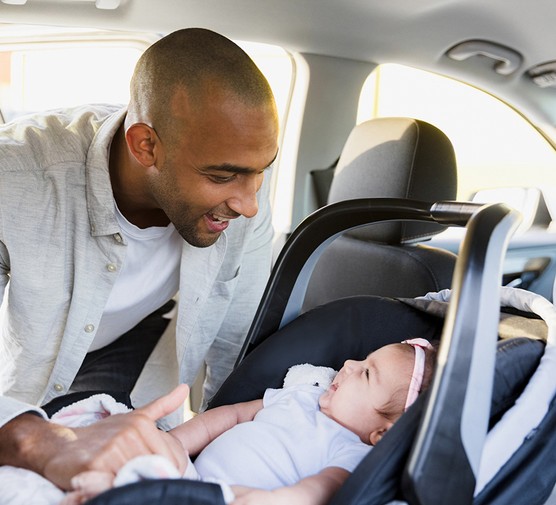
Have you ever wondered how long your baby can safely stay in a car seat? It’s a question every parent or caregiver asks, especially when juggling errands, road trips, or daily routines.
Keeping your little one secure is a top priority, but too much time in a car seat might cause discomfort or even health risks. You’ll discover the expert advice you need to protect your baby while making every ride safe and comfortable.
Keep reading to find out the surprising facts and practical tips that can make a big difference for your child’s well-being.
Safe Duration Limits
Knowing how long a baby can safely stay in a car seat is important for every parent. Car seats protect infants during travel but have limits on safe usage time. Staying too long in a car seat can cause discomfort and health risks. Parents should follow expert guidelines to keep babies safe and comfortable.
Recommended Time For Infants
Experts suggest limiting a baby’s time in a car seat to about two hours at once. This limit helps prevent strain on the baby’s developing body. For newborns, shorter periods are better because their muscles and bones are still fragile. If a trip lasts longer than two hours, take breaks. Remove the baby from the car seat and hold them upright. This change helps improve circulation and reduces pressure on their spine.
Risks Of Prolonged Use
Keeping a baby in a car seat too long can cause several risks. It can lead to breathing problems because the baby’s head may slump forward. This position can block airways and reduce oxygen flow. Sitting for long periods also affects blood flow and can cause discomfort or soreness. Babies may develop flat spots on their heads from constant pressure. Prolonged use can increase the chance of overheating. Parents should watch for signs of distress and remove the baby from the seat often.

Credit: www.reddit.com
Signs Baby Needs A Break
Babies can only stay in a car seat for a limited time. Knowing when they need a break is important. Signs that your baby needs to be taken out help keep them safe and comfortable.
Physical Discomfort Indicators
- Red marks or pressure spots on the skin
- Squirming or twisting to find a better position
- Arching the back or stiffening the body
- Warm or sweaty skin, showing overheating
- Slumped posture or head falling forward
Behavioral Changes
- Increased fussiness or crying
- Restlessness or constant movement
- Difficulty settling down or sleeping
- Appearing uncomfortable or agitated
- Sudden changes in mood or irritability
Proper Car Seat Positioning
Proper car seat positioning is crucial for your baby’s safety and comfort during every ride. It ensures that the car seat provides the best protection in case of sudden stops or accidents. Getting the positioning right might seem tricky at first, but it’s easier once you understand the key points.
Correct Harness Placement
The harness should always lie flat against your baby’s body without any twists. For infants, the straps need to be at or just below the shoulders when rear-facing. If the harness is too high or too low, it won’t hold your baby securely during a crash.
Make sure the chest clip is positioned at armpit level. This keeps the straps in the right place and prevents your baby from slipping out. I once overlooked this and noticed my baby’s chest clip was way too low—adjusting it made a huge difference in keeping her snug and safe.
Seat Angle Guidelines
Maintaining the correct seat angle is essential to prevent your baby’s head from falling forward, which can block their airway. Most infant car seats have built-in angle indicators or adjusters to help you find the right tilt.
For newborns, aim for about a 45-degree recline angle. This keeps their airway open and supports their head properly. If your baby’s head lolls forward, adjust the seat angle immediately—your baby’s breathing depends on it.
Have you checked the angle on your car seat today? Small adjustments can make a big difference in your baby’s safety and comfort during the ride.
Alternatives For Long Trips
Parents often wonder how long their baby can safely stay in a car seat during long trips. Experts recommend limiting car seat time to 2 hours to ensure the baby’s comfort and safety. Taking regular breaks allows babies to stretch, change position, and avoid discomfort.
For parents planning long road trips, keeping a baby comfortable is key. Extended time in a car seat isn’t recommended. Babies need movement and varied environments. Exploring alternatives ensures safety and comfort during travel.Frequent Stops And Breaks
Plan frequent stops to give your baby a break. Aim for every two hours. Let them stretch and move during these breaks. Fresh air can help refresh them. This keeps them comfortable and happy.Using Car Seat Alternatives
Consider using a travel bassinet for short breaks. It’s a safe space for naps outside the car. A baby carrier can also be useful. It allows for easy carrying during stops. Both options provide comfort beyond the car seat.Health Risks To Watch
Babies are delicate and need special care when placed in car seats. Prolonged time in a car seat may cause health problems. Parents should watch for signs that the baby is uncomfortable or struggling. Understanding the health risks helps keep the baby safe and healthy during travel.
Breathing Difficulties
Babies have small airways that can easily become blocked. Sitting in a reclined position too long can cause the head to slump forward. This may reduce the airflow and make breathing hard. Signs of breathing problems include noisy breathing and blue lips. Avoid leaving a baby in a car seat for hours without breaks.
Circulation Issues
Car seats can put pressure on a baby’s legs and arms. This pressure may slow blood flow and cause numbness or swelling. Poor circulation can be painful and harmful over time. Watch for pale or cold hands and feet. Move the baby often and limit the time spent in the seat to protect circulation.
Expert Recommendations
Knowing how long your baby can safely stay in a car seat is crucial for every parent. Experts have clear recommendations to prevent discomfort and reduce health risks. Let’s look at what pediatricians and safety organizations advise to keep your little one safe and comfortable during car rides.
Guidelines From Pediatricians
Pediatricians generally agree that babies should not remain in a car seat for more than two hours at a time. Prolonged sitting in a car seat can cause restricted blood flow and affect breathing, especially in newborns.
If you have a long trip, plan frequent breaks to take your baby out, stretch, and feed. One parent shared how stopping every 90 minutes helped their baby stay calm and avoided fussiness. These breaks also reduce the risk of developing flat spots on the head from extended pressure.
Always place your baby in the car seat only when the vehicle is moving. Avoid using the car seat as a regular sleeping spot outside the car, as it doesn’t provide the same support needed for safe sleep.
Safety Organization Tips
Organizations like the American Academy of Pediatrics (AAP) and the National Highway Traffic Safety Administration (NHTSA) emphasize proper usage over duration. They recommend:
- Limiting car seat time to under two hours without a break.
- Ensuring the car seat is installed correctly and fits your baby’s size and weight.
- Keeping your baby rear-facing as long as possible, which offers better protection.
Have you ever wondered why some car seats feel uncomfortable after a short time? Safety experts say that a poorly adjusted harness or incorrect recline angle can cause discomfort quickly. Checking these details before each ride makes a big difference.
Next time you’re on the road, consider how long your baby has been in the seat and whether it’s time for a break. Your attention to these expert tips can help your baby stay safe and happy during every journey.
Choosing The Right Car Seat
Choosing the right car seat is crucial for your baby’s safety and comfort during travel. The right seat supports your baby’s growing body and keeps them secure. It also helps prevent strain or discomfort during long rides. Understanding the basics of car seat selection makes every trip safer and more pleasant.
Age And Weight Considerations
Car seats come in different types based on your baby’s age and weight. Newborns need rear-facing seats that support their fragile necks. Toddlers usually transition to convertible seats that switch from rear to forward-facing. Always check the car seat label for weight and height limits. These guidelines ensure the seat fits your baby properly. Using a seat designed for your baby’s size reduces injury risk in accidents.
Features For Comfort And Safety
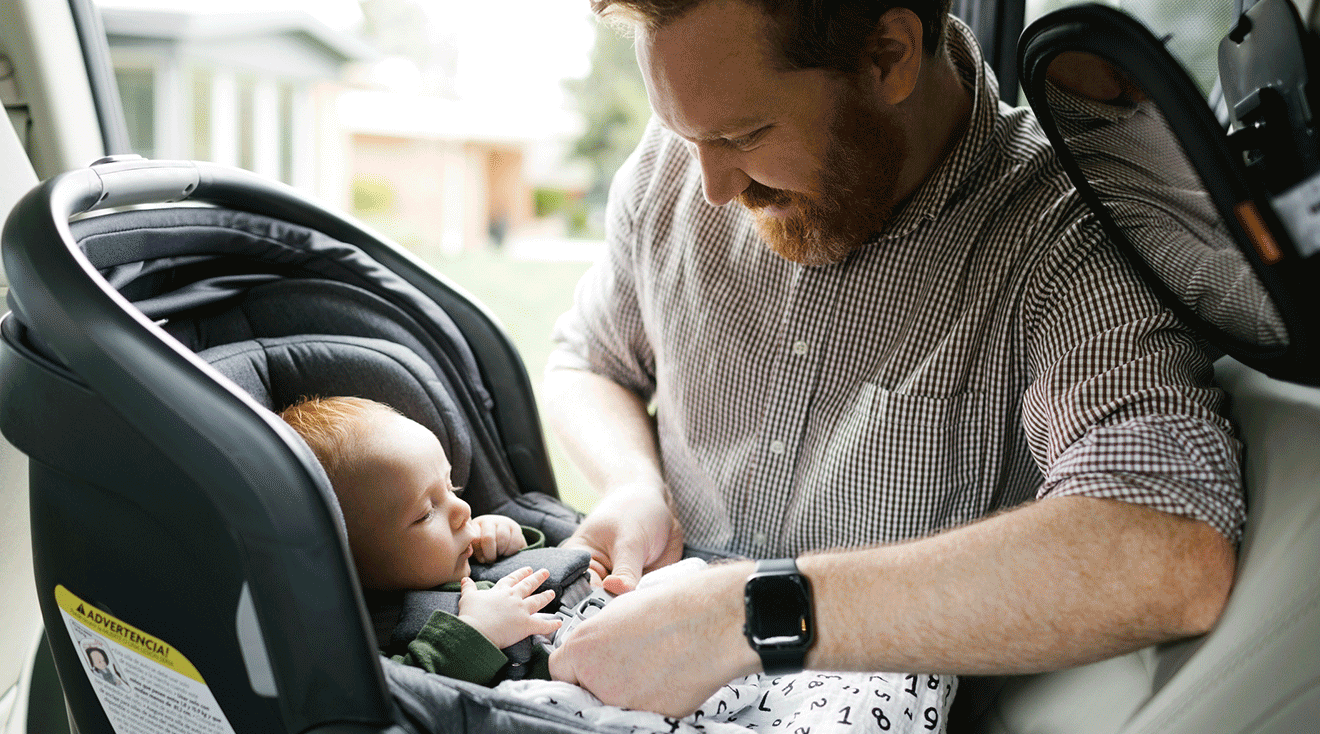
Look for features that keep your baby comfortable and safe. Padding and soft fabrics help prevent skin irritation. Adjustable straps and headrests grow with your baby and provide a snug fit. Side-impact protection cushions the baby in case of a crash. Easy installation features reduce the chance of errors. A seat with multiple recline positions helps your baby rest during rides. These features make the car seat both safe and cozy for your little one.

Credit: www.reddit.com
Credit: www.thebump.com
Frequently Asked Questions
How Long Can A Baby Safely Stay In A Car Seat?
Babies should not stay in a car seat for more than two hours at a time. Prolonged sitting can affect breathing and posture.
Why Is Extended Car Seat Use Unsafe For Babies?
Extended use can cause breathing difficulties and restrict movement. It may also increase the risk of flat head syndrome.
How Often Should You Take Breaks From The Car Seat?
It’s best to take breaks every one to two hours. Remove the baby from the seat to stretch and move around.
Can Newborns Sleep Long Hours In Car Seats?
Newborns can sleep briefly, but long periods are unsafe. Always supervise and limit car seat sleep time to avoid risks.
Conclusion
Babies should not stay in car seats for too long. Experts suggest limiting time to about two hours. Long periods can cause discomfort and affect breathing. Always take breaks during long trips to keep your baby safe. Use car seats only for travel, not as a place to rest.
Watch your baby closely and act if they seem uneasy. Keeping these tips in mind helps protect your little one. Safety and comfort matter most during every car ride.