

If you’re a parent or caregiver, you’ve probably wondered: how long can a baby safely sit in a car seat? You want to keep your little one secure during every ride, but staying in one position too long can cause discomfort or even health risks.
Knowing the right limits can help you protect your baby and make every trip safer and more comfortable. Keep reading to find out exactly how long your baby should stay in a car seat and what signs to watch for to keep them happy and healthy on the road.
Risks Of Prolonged Car Seat Use
Keeping your baby in a car seat for too long might seem harmless, but it can lead to several risks you need to be aware of. Babies are delicate, and prolonged sitting in a confined position can cause physical and health issues. Understanding these risks helps you make safer choices for your little one’s comfort and well-being.
Physical Strain On Babies
Babies’ muscles and bones are still developing, and sitting in a car seat for extended periods can put unnecessary strain on their tiny bodies. Their neck and back muscles may become fatigued because they cannot move freely. This can lead to discomfort and even pain, which your baby might express through fussiness or crying.
Have you noticed your baby getting restless after a long car ride? That’s often a sign that their body needs a break from the car seat’s restricted position. Try to plan breaks during long trips to let your baby stretch and move around safely.
Breathing And Circulation Concerns
Car seats are designed to keep babies secure, but sitting in a semi-reclined position for too long can affect their breathing. Their airways may become partially restricted, especially if they slump forward. This can cause shallow or irregular breathing, which is risky for young infants.
Circulation can also be impacted when babies remain in the same position for hours. Poor blood flow to their legs and feet might cause numbness or discoloration. If you see your baby’s limbs looking pale or swollen, it’s a clear signal to remove them from the car seat and let them move.
Impact On Development
Extended time in a car seat can interfere with your baby’s natural development. Movement is crucial during the first months of life for muscle growth and motor skills. When confined for too long, babies may miss out on opportunities to practice lifting their heads or rolling over.
Have you thought about how these limitations might affect your baby’s milestones? Even short, frequent breaks from the car seat promote better development and comfort. Using a car seat only as needed, rather than as a resting spot at home, can make a big difference.
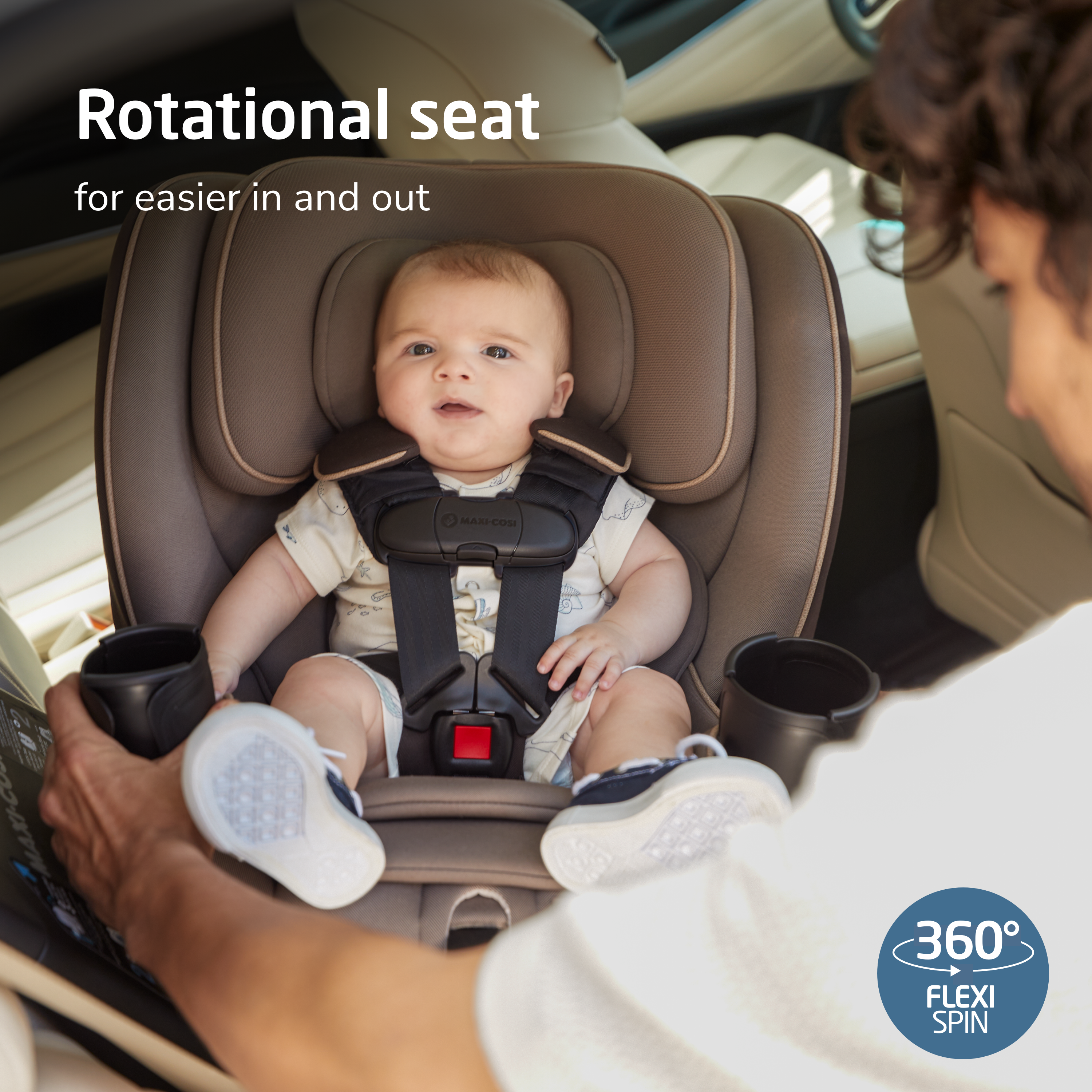
Credit: maxicosi.com
Recommended Time Limits
Knowing the recommended time limits for a baby in a car seat is important. Babies need to stay safe and comfortable during travel. Sitting too long in a car seat can cause discomfort and health risks. Parents and caregivers should follow expert advice on safe durations. This helps protect the baby’s well-being on every trip.
Guidelines From Safety Experts
Experts like the American Academy of Pediatrics advise limiting car seat time. Babies should not sit in a car seat for long periods without breaks. This reduces the risk of breathing problems and poor circulation. Safety experts recommend regular stops to let babies stretch and move.
Maximum Safe Duration Per Session
The maximum safe time a baby should spend in a car seat is about two hours. After two hours, take the baby out for a break. Use this time to hold and comfort the baby. Short breaks improve the baby’s comfort and reduce stress on their body. Repeat breaks during longer trips for safety.
Factors Influencing Time Limits
Several factors affect how long a baby can stay in a car seat. These include the baby’s age, health, and activity level. Newborns may need more frequent breaks than older babies. The car seat’s design and padding also matter. Always watch the baby for signs of discomfort or distress. Adjust the time based on the baby’s needs and conditions.
Signs Your Baby Needs A Break
Understanding when your baby needs a break from the car seat is crucial. Babies can become uncomfortable or distressed in extended car rides. It’s essential to recognize the signs indicating they need a pause. This ensures their comfort and safety during travel.
Behavioral Indicators
Babies might show restlessness or fussiness during long rides. They could cry more than usual or seem agitated. These are clear signs they need a break. Pay attention to changes in their mood or behavior.
Physical Discomfort Signs
Physical signs can include red marks on the skin or sweating. Babies may shift constantly to find a comfortable position. If your baby starts rubbing their eyes frequently, it could indicate discomfort.
Monitoring Baby’s Responses
Observe your baby’s reactions to their surroundings. Are they uninterested in toys or their usual distractions? Monitor their breathing and ensure it’s steady. Listen to the sounds they make; unusual noises might signal discomfort.
Safe Practices For Car Seat Use
Keeping a baby safe in a car seat requires careful attention to several important practices. Proper use ensures protection during every trip. It also helps prevent discomfort or injury caused by long sitting periods. Follow these safe practices for car seat use to keep your baby secure and comfortable.
Proper Seat Installation
Install the car seat firmly in the vehicle. Check that it does not move more than one inch side-to-side. Use either the seat belt or LATCH system, but never both. The car seat should be at the correct angle to support the baby’s head and neck. Always read the manual for specific installation steps.
Correct Harness Positioning
Adjust the harness straps to fit snugly around the baby. The straps should lie flat without twists. Position the harness at or below the baby’s shoulders for rear-facing seats. The chest clip must be at armpit level. This setup stops the baby from slipping out or moving too much.
Frequent Breaks During Long Trips
Babies should not stay in a car seat for hours without breaks. Stop every one to two hours to let your baby stretch and move. Take the baby out of the seat and hold them upright. This prevents muscle stiffness and reduces the risk of breathing problems. Use these breaks to check the harness fit and comfort.
Alternatives To Prolonged Seating
Spending too much time in a car seat isn’t ideal for your baby’s comfort or development. Finding alternatives to keep your little one safe yet active can make a big difference. Let’s look at some practical ways to reduce prolonged seating while still ensuring your baby’s needs are met.
Use Of Carriers And Strollers
Carriers and strollers offer a great alternative to car seats during outings or short breaks. Baby carriers keep your hands free and allow your baby to stay close, which can be soothing. Strollers provide a comfortable place for your baby to sit or lie down while giving you mobility.
Choosing a carrier that supports your baby’s hips and spine is crucial. Have you noticed how your baby responds differently when carried versus sitting in a car seat? This simple switch can encourage natural movement and engagement with their surroundings.
Encouraging Movement And Tummy Time
Movement is vital for your baby’s muscle development and overall health. Taking breaks from the car seat to practice tummy time helps strengthen neck and shoulder muscles. Even a few minutes every hour can make a noticeable difference.
Try placing toys just out of reach during tummy time to encourage reaching and crawling motions. How often do you take time during the day to move your baby out of stationary positions? Small changes like these support healthy growth and prevent stiffness.
Balancing Safety With Comfort
Your baby’s safety always comes first, but comfort matters just as much. Avoid using car seats as a regular place for naps outside the car. Instead, create cozy, safe spaces at home where your baby can relax without restriction.
Monitor the time spent in any one position and adjust accordingly. Remember, comfort can improve sleep quality and mood, making your baby happier and healthier. What steps can you take today to create a better balance between safety and comfort for your baby?

Credit: www.thule.com
Emergency Situations And Car Seat Use
Emergency situations demand quick thinking and careful actions, especially when a baby is in a car seat. Babies should not stay in car seats for long periods, but emergencies can cause unexpected delays. Knowing how to handle these moments keeps your baby safe and comfortable.
When To Remove Baby From Car Seat
Remove the baby from the car seat if the situation is safe. For example, during long stops or if the baby shows signs of discomfort. Signs include fussiness, sweating, or difficulty breathing. Always ensure the baby is in a secure, flat place after removal.
Handling Unexpected Delays
Unexpected delays happen. Avoid leaving the baby in the car seat for more than two hours. If stuck in traffic or waiting, check on the baby often. Try to find a safe spot to take breaks and let the baby out. Keep the baby hydrated and calm.
Staying Calm And Safe
Stay calm during emergencies. Your calmness helps the baby stay calm too. Focus on safety first. Keep the car seat secure and never leave the baby alone inside the vehicle. Call for help if needed and follow safety rules strictly.

Credit: www.anbbaby.com
Frequently Asked Questions
How Long Is Safe For A Baby To Sit In A Car Seat?
Babies should not sit in a car seat for more than 2 hours continuously. Prolonged sitting can cause breathing difficulties and discomfort. Always take breaks during long trips to remove the baby from the car seat and allow movement and stretching.
Can Prolonged Car Seat Use Affect A Baby’s Health?
Yes, extended car seat use can lead to poor posture and breathing issues. It may increase the risk of flat head syndrome and reduce blood flow. Limit continuous time in the seat and ensure proper positioning to protect your baby’s health.
What Is The Recommended Car Seat Time For Newborns?
Newborns should not exceed 1 to 2 hours in a car seat at a time. Their neck muscles are weak, and prolonged sitting may cause stress. Frequent breaks help keep your newborn safe, comfortable, and healthy during travel.
How Often Should I Take Breaks During Long Car Rides?
Take breaks every 1 to 2 hours on long journeys. Remove your baby from the car seat to stretch and move. This prevents discomfort, reduces health risks, and promotes better circulation and muscle development for your baby.
Conclusion
Babies should not stay too long in car seats. Their comfort and safety matter most. Experts suggest breaks every hour during travel. Watch your baby for signs of discomfort. Proper car seat use helps protect your child. Follow manufacturer guidelines and pediatric advice.
Keep trips short or plan regular stops. Your baby’s health depends on careful attention. Simple steps make car rides safer and happier. Always prioritize your baby’s well-being on the road.