
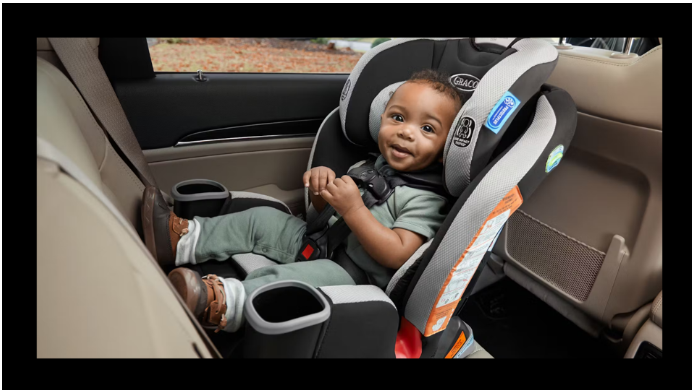
You want to keep your baby safe and comfortable during car rides, but how long is too long for them to stay in a car seat? It’s a question every parent or caregiver wonders about.
Sitting in a car seat for too long can cause discomfort or even pose risks to your little one’s health. You’ll discover the best guidelines to follow and practical tips to make car travel safer and more enjoyable for your baby.
Keep reading to learn exactly how long your baby can ride in a car seat and what signs to watch for to protect your child on every trip.

Credit: www.madeformums.com
Car Seat Time Limits
Understanding the time limits for how long your baby can safely ride in a car seat is crucial for their well-being. While car seats are designed to protect, prolonged periods in one can cause discomfort or even health risks. Knowing these limits helps you plan trips and breaks effectively, keeping your baby safe and happy.
Recommended Duration For Newborns
Newborns should generally not be in a car seat for more than 1 to 2 hours at a time. Their tiny bodies are still developing, and extended sitting can affect breathing or cause pressure on their delicate spine. If you’re on a longer trip, plan to stop every hour or so to take your baby out of the seat.
Factors Affecting Safe Ride Time
Several factors influence how long your baby can safely stay in a car seat. These include your baby’s age, size, and overall health, as well as the car seat’s design and how well it fits your child. The temperature inside the car and the baby’s clothing layers also matter; overheating can be dangerous during longer rides.
Signs Baby Needs A Break
How do you know when your baby needs a break from the car seat? Watch for fussiness, crying, or changes in breathing patterns. If your baby’s skin looks pale or sweaty, or they seem unusually sleepy, it’s time to stop and give them some time out of the seat.
Choosing The Right Car Seat
Choosing the right car seat is more than just picking a cute design or brand name. It’s about ensuring your baby’s safety and comfort during every ride. Your decision can affect how long your baby can safely stay in the seat and how well they are protected in case of an accident.
Types Of Infant Car Seats
There are several types of car seats designed for infants, each with specific features and uses. Rear-facing infant car seats are the most common and recommended for newborns up to about 2 years old. Convertible car seats offer the flexibility to switch from rear-facing to forward-facing as your child grows, which can extend the time they use one seat.
Think about your lifestyle and how often you travel by car. Would a lightweight infant seat that easily clicks in and out be better? Or do you need a sturdier option that transitions with your child’s growth?
Weight And Height Guidelines
Every car seat comes with weight and height limits that determine how long your baby can safely use it. Manufacturers set these limits based on safety tests and crash protection standards. Staying within these limits is critical; a seat that’s too small or too large can compromise safety.
Keep in mind that some babies grow faster than others. Regularly check your baby’s measurements against the seat’s guidelines to know when it’s time to switch. Have you measured your baby’s height and weight lately? It’s a simple step that can make a big difference.
Expiration Dates And Safety Standards
Car seats don’t last forever. They come with expiration dates, usually between 6 to 10 years after manufacturing. Over time, materials can degrade, and safety technology evolves, making older seats less reliable.
Always check the label for the expiration date before buying a used car seat or reusing one for a new baby. Also, look for seats that meet or exceed current safety standards set by organizations like the National Highway Traffic Safety Administration (NHTSA). Your baby’s safety depends on it.
Safe Car Seat Practices
Keeping a baby safe in a car seat requires careful attention to several key practices. Correct use of the car seat can prevent injuries and save lives. Parents and caregivers must focus on proper installation, harness positioning, and avoiding common errors. These actions create a secure environment for the child during every trip.
Proper Installation Tips
- Read the car seat manual before installation.
- Use the vehicle’s seat belt or LATCH system.
- Ensure the car seat does not move more than one inch side to side.
- Position the car seat at the correct angle to support the baby’s head.
- Secure the base tightly if it has one.
- Check for any recalls or safety notices on the car seat.
Correct Harness Positioning
- Place the harness straps at or below the baby’s shoulders for rear-facing seats.
- Ensure the straps lie flat without twists.
- Tighten the harness so you cannot pinch any excess webbing.
- Position the chest clip at armpit level.
- Dress the baby in thin clothing to avoid loose fabric under the straps.
Avoiding Common Mistakes
- Do not use second-hand car seats without knowing their history.
- Never place a rear-facing seat in front of an active airbag.
- Avoid adding aftermarket products not approved by the manufacturer.
- Don’t leave the baby unattended in the car seat.
- Replace the car seat after any moderate or severe crash.
- Check expiration dates printed on the car seat label.

Credit: www.miamiherald.com
Health Risks Of Prolonged Seating
Prolonged seating in car seats can pose health risks for babies. Parents should be aware of these risks to ensure their child’s safety. Understanding these potential issues can help in taking preventive measures.
Breathing Issues
Babies have delicate respiratory systems. Sitting too long in a car seat can cause breathing problems. The semi-reclined position might compress the chest. This can make it harder for babies to breathe. Monitoring your baby during travel is essential to avoid such issues.
Physical Discomfort
Car seats can become uncomfortable over long periods. Babies may experience physical discomfort due to restricted movement. This can lead to fussiness and crying. Ensuring the car seat fits well can help reduce discomfort. Checking the harness and padding is important for comfort.
Preventing Positional Asphyxia
Positional asphyxia is a serious risk in car seats. It happens when a baby’s airway is blocked. The chin-to-chest position is particularly dangerous. Ensure the car seat is at the correct angle. Regularly check your baby’s position during travel. Frequent breaks are also advised to reposition and stretch the baby.
Traveling With Babies
Traveling with babies can be a rewarding experience, but it also requires careful attention to their needs and safety. Babies spend a lot of time in their car seats during trips, so knowing how to manage their comfort and well-being is crucial. You want to keep your little one happy and safe without feeling overwhelmed during the journey.
Planning Frequent Breaks
Babies shouldn’t stay in their car seats for too long without a break. Experts suggest a break every 1 to 2 hours to let your baby stretch and move freely.
Use these stops to feed, change diapers, and give your baby some fresh air. You’ll notice they become less fussy and more comfortable when they get these regular pauses.
Keeping Baby Comfortable
Temperature control is key. Make sure your baby is dressed in layers that you can add or remove easily depending on the car’s climate.
Bring familiar toys or a soft blanket to provide a sense of security. This small comfort can make a big difference in keeping your baby calm during the ride.
Emergency Preparedness
Always keep a well-stocked diaper bag within reach. Include essentials like diapers, wipes, a change of clothes, and any medications your baby might need.
Have a plan for unexpected situations. Knowing where the nearest rest stops or medical facilities are can save time and reduce stress if something urgent happens.

Credit: hidot.hawaii.gov
Frequently Asked Questions
How Long Can A Newborn Safely Stay In A Car Seat?
Newborns should not stay in a car seat for more than 2 hours at a time. Prolonged sitting can cause breathing issues and discomfort. Always limit car seat time and take breaks during long trips to ensure baby’s safety and comfort.
When Should A Baby Transition From Rear-facing Car Seat?
Babies should remain rear-facing until at least age 2 or until they reach the car seat’s height and weight limits. Rear-facing seats provide better head, neck, and spine protection in crashes. Follow manufacturer guidelines for safe transitions.
Can Babies Sleep Safely In Car Seats During Travel?
Short naps in a properly installed car seat are generally safe. However, avoid prolonged sleep as it can cause poor airflow and airway issues. Always supervise your baby and limit car seat time to reduce risks during sleep.
What Is The Maximum Weight For Infant Car Seats?
Infant car seats typically support babies up to 22 to 35 pounds. Check your specific car seat model for exact weight limits. Exceeding these limits requires switching to a convertible or toddler car seat for safety.
Conclusion
A baby should ride in a car seat as long as possible. Check the seat’s weight and height limits often. Keep your child rear-facing until they reach the seat’s limit. This position offers the best protection in crashes. Always follow safety rules and install the seat correctly.
Remember, comfort matters too—take breaks on long trips. Staying informed helps keep your baby safe on every ride. Safety first, always.