
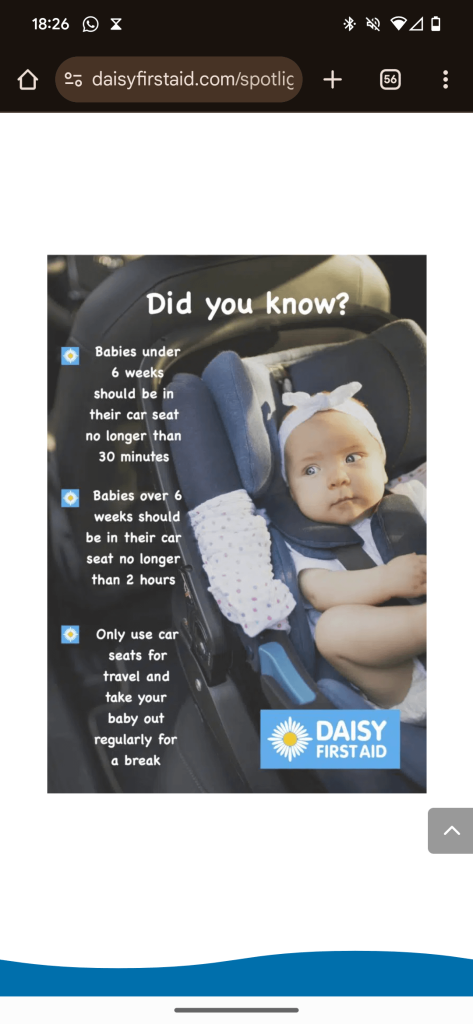
If you’re a parent or caregiver, you’ve probably asked yourself, “How long can my baby safely stay in a car seat?” It’s a simple question, but the answer can make a big difference for your baby’s comfort and safety. Spending too much time strapped in can cause discomfort or even health issues.
You want to keep your little one safe, but also happy and comfortable during every trip. You’ll discover exactly how long your baby should stay in a car seat and learn tips to keep your baby safe and content on the road.
Keep reading—your baby’s well-being depends on it.
Recommended Car Seat Duration
Understanding the recommended time a baby can safely stay in a car seat is vital. Prolonged periods in a car seat can affect a baby’s comfort and health. Parents and caregivers must know the limits and practices to keep babies safe and happy during travel.
Guidelines For Newborns
Newborns have delicate bodies and need extra care in car seats. Experts suggest that newborns should not stay in a car seat for more than 1 hour at a time. Their neck muscles are weak and long periods can cause strain. Always ensure the baby is properly secured and the seat is at the correct angle. Frequent monitoring is essential to avoid discomfort or breathing issues.
Maximum Time Limits
For babies older than newborns, the maximum recommended time in a car seat is about 2 hours. This applies to continuous sitting without breaks. Staying longer can lead to poor circulation and pressure on the spine. If travel takes longer, plan stops to remove the baby from the seat. This helps reduce risks and keeps the baby comfortable.
Frequent Breaks Importance
Stopping every 1 to 2 hours is important during long trips. Use breaks to take the baby out, stretch, and change positions. This helps improve blood flow and prevents stiffness. It also gives the baby a chance to move freely and relax. Parents should watch for signs of distress and adjust the schedule accordingly.

Credit: thebradleylawfirm.com
Health Risks Of Prolonged Sitting
Keeping your baby in a car seat for extended periods might seem harmless, but it can lead to several health risks. Babies need freedom to move and stretch, and long stretches in a confined position can affect their breathing, posture, and circulation. Recognizing these risks helps you make safer choices for your little one’s comfort and well-being.
Breathing Concerns
Babies have smaller airways, and sitting in a semi-reclined car seat for too long can restrict their breathing. The position can cause the chin to fall toward the chest, narrowing the airway and making it harder for them to breathe efficiently.
Have you noticed your baby’s breathing change during long car rides? It’s a sign to pause and let them stretch out. Frequent breaks to take your baby out of the seat can help maintain healthy breathing patterns.
Posture Issues
Prolonged sitting in a car seat can affect your baby’s posture. Their spine is still developing, and being confined in one position may cause muscle stiffness or misalignment.
It’s important to avoid keeping your baby in the car seat beyond recommended time limits. Regularly changing their position supports healthy muscle and bone growth.
Circulation Problems
When a baby sits too long in a car seat, blood flow can be restricted, especially in the legs and feet. This may cause swelling or discomfort and reduce oxygen delivery to tissues.
To support good circulation, take your baby out of the seat every hour or so. Gentle leg movements or cuddling can improve blood flow and keep your baby comfortable.
Signs Your Baby Needs A Break
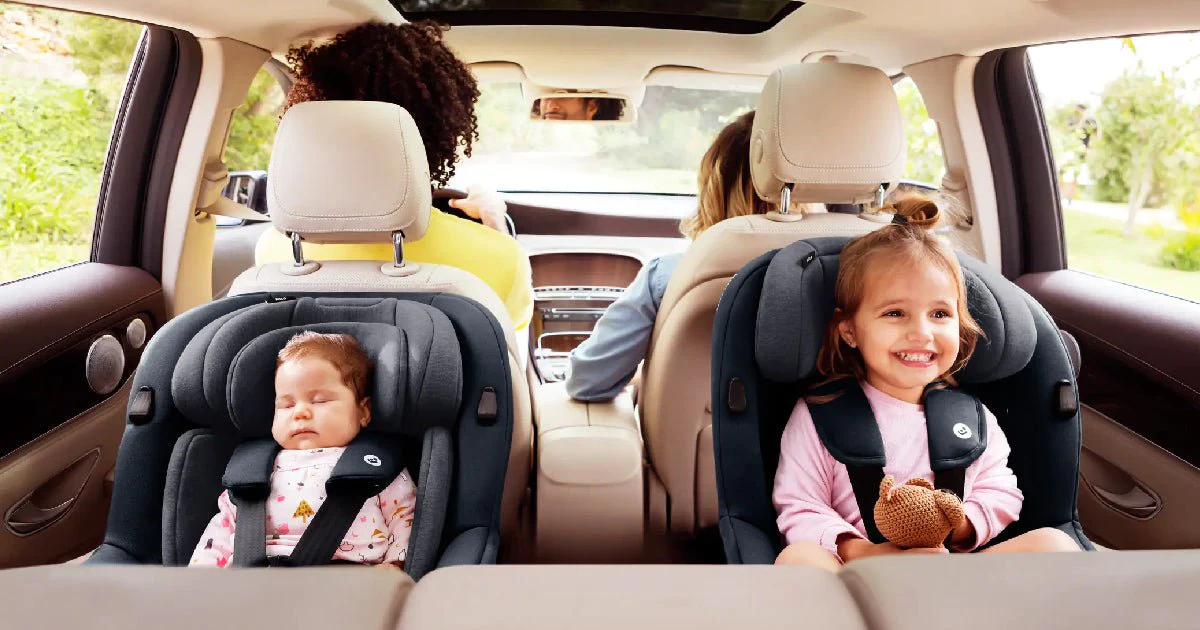
Babies can only stay in car seats for limited periods. Recognizing signs your baby needs a break is crucial. These signals help keep your child safe and comfortable during travel.
Crying And Fussiness
Crying is a clear sign your baby wants attention. Fussiness often means discomfort or boredom. These sounds tell you it’s time to stop and check on them.
Physical Discomfort
Look for squirming or arching back in the seat. Tight straps or pressure points cause pain quickly. A stiff neck or red marks on the skin show stress from the seat.
Behavioral Changes
Babies may become unusually quiet or restless. Changes in breathing or facial expressions also show distress. Watch for these signs to know when to give a break.
Credit: greensafaris.com
Safe Car Seat Practices
Safe car seat practices protect babies during every trip. Correct use lowers injury risks and keeps babies comfortable. Parents must know proper installation, harness positioning, and limits based on age and weight. These rules help ensure the car seat performs as designed.
Proper Installation Tips
Install the car seat firmly using the vehicle’s seat belt or LATCH system. Check that the seat does not move more than one inch side to side or front to back. Always follow the manufacturer’s instructions for your specific car seat model. Make sure the seat is at the right angle to support the baby’s head and neck.
Correct Harness Positioning
Position the harness straps at or below the baby’s shoulders for rear-facing seats. The straps should lie flat without twists. Tighten the harness until you cannot pinch any slack at the shoulder. Use the chest clip at armpit level to keep straps in place. Proper harness fit keeps the baby secure in a crash.
Age And Weight Limits
Follow the car seat’s age and weight guidelines carefully. Rear-facing seats are safest for infants and toddlers up to at least 2 years old or until they reach the highest weight allowed. Forward-facing seats should be used only after the child outgrows the rear-facing limits. Always check the seat label for exact weight and height limits.
Alternatives During Long Trips
Babies should not stay in a car seat for more than two hours at a time. Taking breaks to remove them helps prevent discomfort and health risks. Using alternatives like baby carriers or frequent stops keeps your little one safe and happy during long trips.
Long trips with a baby require careful planning. Babies shouldn’t stay in car seats for extended periods. It’s essential to find alternatives to keep them comfortable and safe. Here are some options to consider during long drives:Scheduled Stops
Plan regular breaks every two hours. This helps your baby get fresh air and change positions. It also provides time for feeding and diaper changes. During stops, let the baby lie flat on a blanket. This allows for proper stretching and relaxation. Frequent stops keep the journey enjoyable for both baby and parents.Using Baby Carriers
Baby carriers offer a comfortable alternative. You can carry your baby outside the car during breaks. This allows for closeness and bonding time. Carriers also provide a change from the car seat position. Ensure the carrier supports the baby’s head and neck. Choose a carrier that fits comfortably for both of you.Stretching And Movement
Stretching is vital for a baby’s well-being. Use breaks to gently stretch your baby’s arms and legs. This promotes circulation and prevents stiffness. Encourage gentle movements when out of the car seat. This can be a fun time to play simple games. Regular movement helps maintain your baby’s mood and comfort.
Credit: www.reddit.com
When To Transition Out Of Car Seats
Knowing when to move your baby out of a car seat is important for their safety and comfort. Babies grow fast, and their needs change as they develop. Transitioning at the right time helps protect them during travel and supports their physical growth.
Signs Of Readiness
- Your baby’s weight or height reaches the car seat’s limit.
- Your child can sit up well without support.
- The harness straps no longer fit properly over the shoulders.
- Your child’s head is too close to the top of the seat.
- Your baby shows discomfort or fussiness during trips.
Next Safety Steps
After leaving the infant car seat, switch to a convertible seat. Use a rear-facing position as long as possible. This position offers the best protection for the head and neck.
Check that the seat fits your child’s size and follows safety rules. Secure the harness snugly, and place the chest clip at armpit level.
Consulting Pediatricians
Talk to your pediatrician about your child’s development. They can advise if your baby is ready to change seats. Pediatricians also offer tips on keeping your child safe during car rides.
Getting expert advice helps you make the best choice for your baby’s safety.
Frequently Asked Questions
How Long Can A Baby Safely Stay In A Car Seat?
A baby can stay in a car seat for up to two hours at a time. Longer periods can cause discomfort and breathing issues. It’s best to take breaks during long trips to ensure the baby’s safety and comfort.
When Should I Stop Using An Infant Car Seat?
Stop using an infant car seat when your baby reaches the maximum weight or height limit. Usually, this is around 22 to 35 pounds or when the baby’s head is near the top of the seat. Always check the car seat manual for specific limits.
Can Babies Sleep Too Long In Car Seats?
Yes, prolonged sleeping in car seats can affect a baby’s breathing. Car seats are designed for travel, not for extended sleep. Limit use to travel times and place babies on a flat surface for longer sleep.
How Often Should I Take My Baby Out Of The Car Seat?
Take your baby out of the car seat every two hours during long trips. This helps prevent discomfort and supports healthy movement. Use breaks for feeding, changing, and tummy time to keep your baby happy and safe.
Conclusion
Babies should not stay in car seats too long. Their bodies need movement and comfort. Experts suggest breaks every hour during long trips. Always follow car seat guidelines for safety. Watch your baby for signs of discomfort. Proper use of car seats protects your child.
Keep your baby safe and comfortable on the road. Small changes can make a big difference. Remember, safety comes first for your little one.