

Are you sure your child is staying in their car seat for the right amount of time? Knowing how long kids should be in car seats isn’t just about following rules—it’s about keeping your little one safe every time you hit the road.
If you’ve ever wondered when to switch from one seat to another or how to tell if your child is ready to move on, this guide is made for you. Keep reading, and you’ll discover simple, clear answers that help protect your child and give you peace of mind on every drive.

Credit: www.injurylawyers.com
Car Seat Types And Age Groups
Choosing the right car seat for your child depends largely on their age, weight, and height. Different types of car seats cater to specific stages of your child’s growth, ensuring safety and comfort. Understanding these categories helps you know exactly how long your child should stay in each seat type.
Infant Car Seats
Infant car seats are designed for newborns and babies up to about 1 year old or until they reach the seat’s weight limit, usually around 22 to 35 pounds. They are rear-facing only, which is the safest position for young babies. You might notice how snug and secure your little one feels in these seats, which is crucial during those early months.
If your baby starts to outgrow the infant seat before their first birthday, it’s time to consider the next step. Staying rear-facing as long as possible is key—experts recommend keeping your child rear-facing until at least 2 years old.
Convertible Car Seats
Convertible car seats grow with your child. They can be used rear-facing for toddlers and then flipped to forward-facing when your child is older and meets the seat’s size requirements. Many parents appreciate this flexibility because it means one seat can last for several years.
You might wonder when to switch your child from rear-facing to forward-facing. The safest choice is to keep them rear-facing until they reach the maximum height or weight allowed by the seat’s manufacturer. This often means your child stays rear-facing well past their second birthday.
Booster Seats
Booster seats come into play once your child outgrows their forward-facing car seat with a harness. Usually, this happens around 4 to 7 years old, depending on their size. Boosters help position the seat belt correctly over your child’s shoulder and lap, reducing the risk of injury.
Many parents ask how long their child should stay in a booster. The answer depends on when the vehicle’s seat belt fits properly without the booster, generally when your child reaches about 4 feet 9 inches tall and is between 8 and 12 years old. Until then, the booster remains essential for safety.

Credit: thebradleylawfirm.com
Weight And Height Limits
Understanding the weight and height limits for car seats is essential to keep your child safe and comfortable during every ride. These limits determine how long your child should stay in each type of car seat before moving to the next stage. Ignoring these guidelines can put your child at risk or make the seat less effective in a crash.
Rear-facing Limits
Rear-facing car seats support babies and toddlers best because they protect the head, neck, and spine. Most seats have a weight limit between 30 to 40 pounds and a height limit around 40 inches.
Many parents try to switch their child to forward-facing too soon. But holding off until your child reaches the top rear-facing limit can reduce injury risks significantly. Have you checked the label on your car seat lately to see your child’s exact limits?
Forward-facing Limits
Forward-facing seats usually allow children to weigh up to 65 pounds, with height limits near 49 inches. These seats come with a harness system that keeps your child secure during travel.
It’s tempting to move your child to a booster seat as soon as they outgrow the rear-facing seat, but staying within the forward-facing limits is crucial. Make sure your child’s shoulders are at or below the harness slots and that the harness fits snugly.
Booster Seat Requirements
Booster seats are designed for kids who outgrow forward-facing seats but aren’t tall enough to use the car’s seat belt alone. Generally, kids should weigh at least 40 pounds and be under 57 inches tall to use a booster.
The goal is to position the seat belt correctly across the chest and lap. If the belt rides up to the neck or stomach, your child isn’t ready to go without a booster. Have you tested the seat belt fit for your child yet?
State Laws And Regulations
Understanding state laws and regulations about car seat use is essential for every parent or caregiver. These rules are designed to keep your child safe, but they can vary widely depending on where you live. Knowing the specifics can help you avoid fines and, more importantly, protect your child on the road.
Variations By State
Each state sets its own rules about how long kids must stay in car seats. Some states require children to use rear-facing seats until age 2, while others allow forward-facing seats earlier. Weight and height limits also differ, affecting when you can switch your child out of a particular type of seat.
For instance, in California, kids must remain in a rear-facing seat until at least 2 years old, then transition to a forward-facing seat with a harness until they reach certain height and weight limits. Meanwhile, Texas allows forward-facing seats at 1 year old but still requires booster seats until kids are around 8 years old or 4 feet 9 inches tall.
Have you checked what your state specifically requires? It’s worth a quick search or a call to your local DMV. Staying informed ensures your child is in the right seat, at the right time, for the safest ride possible.
Penalties For Non-compliance
Ignoring car seat laws can come with serious consequences. Most states issue fines for non-compliance, which can range from $50 to several hundred dollars. Some states may also add points to your driving record or require attendance at safety courses.
Beyond legal penalties, consider the risk to your child’s safety. A seat that doesn’t meet legal standards might not protect your child properly in an accident. One parent I know faced a hefty fine after switching to a booster seat too early, and it was a costly lesson in following the rules.
Are you willing to risk fines or, worse, your child’s safety? Keeping up with car seat laws is a simple step that makes a big difference. Always double-check before making changes to your child’s car seat setup.
Signs To Transition Out Of Car Seats
Knowing when to move your child out of their car seat is crucial for their safety and comfort. It’s not just about age or size—there are clear signs to watch for that show your child is ready for the next stage. Paying attention to these signs helps you make the right decision at the right time.
Physical Readiness
Your child’s height and weight play a big role in determining if they’re ready to transition out of a car seat. Most car seats have specific limits, so check the manufacturer’s guidelines carefully.
Look for signs like your child’s head being above the top of the seat or their shoulders outgrowing the harness slots. If your child’s legs start dangling uncomfortably or they seem cramped, it might be time to switch.
Have you noticed your child can sit upright without slumping or leaning? That’s a good indication their body can handle the next restraint system, like a booster seat.
Behavioral Factors
Sometimes, how your child behaves in the car can tell you they are ready to move on. If they constantly try to unbuckle or squirm out of their seat, it might be a sign they’ve outgrown it mentally and physically.
Children who understand the importance of staying buckled and can sit still during the trip are better candidates for a booster seat. Your child’s ability to follow safety instructions is just as important as their size.
Think about your own experiences: Have you noticed your child asking questions about the seatbelt or showing frustration with the car seat? These clues show they’re starting to understand safety and might be ready for a change.
Common Mistakes To Avoid
Leaving kids in car seats too long can cause discomfort and safety risks. Changing seats too early may also lead to improper protection. Always follow height and weight guidelines carefully.
Ensuring your child’s safety in the car is a top priority for any parent. However, even with the best intentions, there are common mistakes that can compromise the effectiveness of car seats. Understanding these pitfalls can make all the difference in keeping your little ones safe.Incorrect Installation
Many parents unknowingly install car seats incorrectly, which can significantly reduce their effectiveness. It’s crucial to follow the manufacturer’s instructions meticulously. A slight tilt or loose strap can make a big difference in an accident. You can often get assistance from certified car seat technicians who offer free installation checks. They can point out any mistakes and provide peace of mind. Take the time to double-check your installation for your child’s safety.Using Car Seats Beyond Limits
Car seats come with weight and height limits for a reason. Using them beyond these limits can compromise your child’s safety. Manufacturers design each seat for specific age and size ranges, ensuring optimal protection. Check your car seat’s manual or label for the maximum weight and height specifications. Regularly measure and weigh your child to ensure they are still within these limits. Isn’t your child’s safety worth this simple step? Making these adjustments and being aware of these common mistakes can ensure your child’s safety on every journey.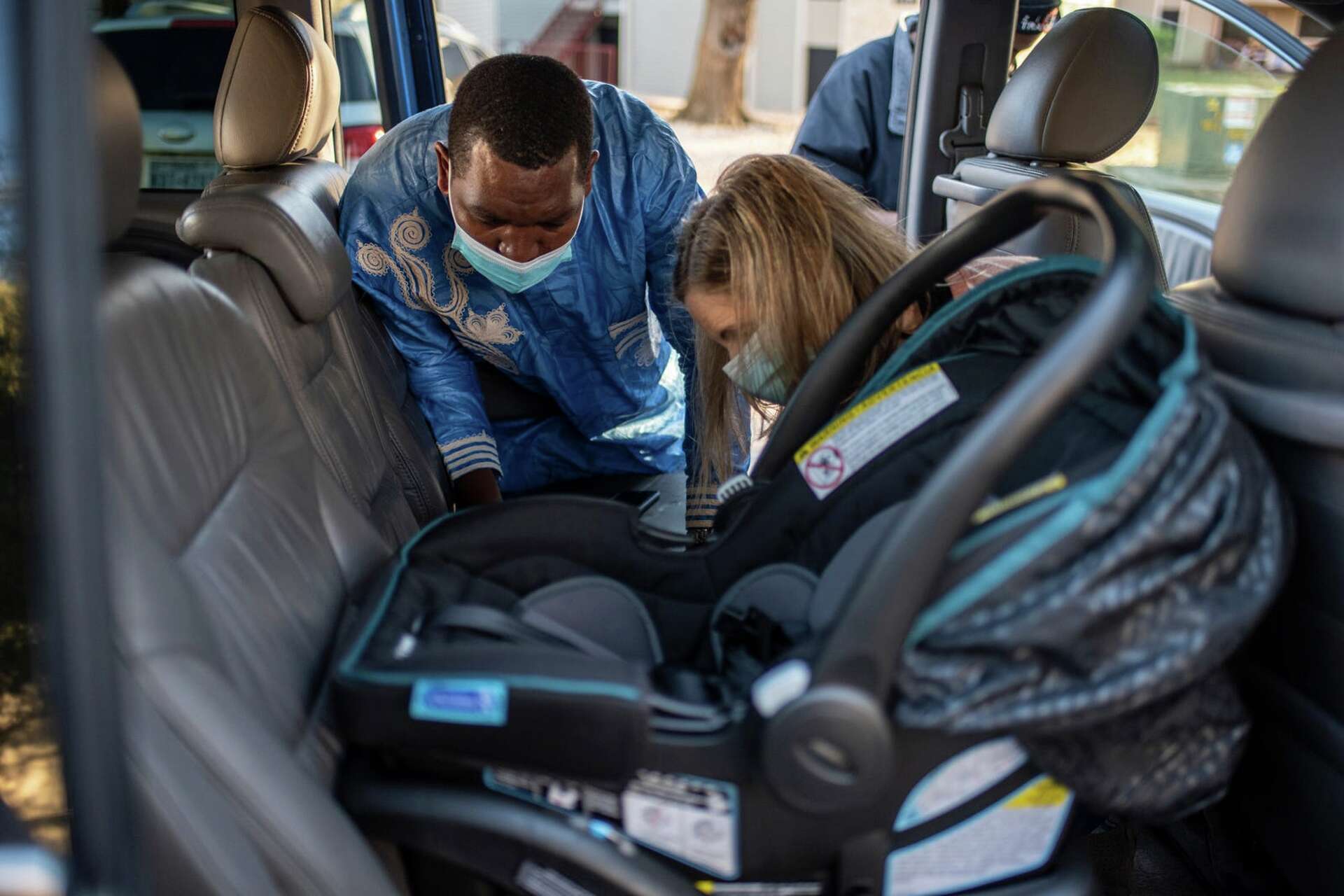
Credit: www.statesman.com
Tips For Proper Car Seat Use
Using a car seat correctly keeps children safe during every ride. Proper use means careful attention to how you install and adjust the seat. Regular checks help catch problems before they become risks. These simple steps protect kids and give parents peace of mind.
Installation Guidance
Always follow the car seat manual for installation. Use the vehicle’s seat belt or LATCH system to secure the seat tightly. The seat should not move more than an inch side to side or front to back. Place the car seat in the back seat, away from airbags. Rear-facing seats are safest for infants and toddlers.
Harness Adjustment
Adjust the harness straps to fit snugly against the child’s body. The straps should lie flat without twists. The chest clip must be at armpit level to keep the harness in place. Check the fit every time the child rides. Replace the harness if it becomes worn or damaged.
Regular Safety Checks
Inspect the car seat regularly for cracks or broken parts. Clean the seat according to the manufacturer’s instructions. Verify the seat’s expiration date to ensure it is still safe to use. Make sure the car seat matches your child’s height and weight. Update to the next car seat stage when your child outgrows the current one.
Frequently Asked Questions
How Long Should Kids Stay In Rear-facing Car Seats?
Children should remain rear-facing until at least age 2 or until they reach the car seat’s height and weight limit. This position offers the best protection for their head and neck during a crash.
When Can Kids Switch To Forward-facing Car Seats?
Kids can switch to forward-facing seats after outgrowing rear-facing limits. Usually, this is around age 2 to 4, depending on the car seat’s specifications and local safety laws.
How Long Is It Safe To Use Booster Seats?
Booster seats are recommended for kids who outgrow forward-facing seats but are under 4 feet 9 inches tall and weigh between 40-100 pounds. This ensures proper seat belt fit.
At What Age Can Kids Stop Using Car Seats?
Most kids can stop using car seats when they are 8 to 12 years old or reach 4 feet 9 inches tall. Proper seat belt fit is essential for safety.
Conclusion
Kids need car seats for safety during every trip. They stay in seats until they reach the right height and weight. Laws help parents know when to switch seats. Always follow the car seat manual and local rules. Checking the fit often keeps kids secure and comfortable.
Keeping kids in car seats longer protects them best. Safety matters most on every drive, short or long. Remember, car seats save lives and prevent injuries. Stay informed and keep your child safe every ride.