

Have you ever wondered what happens on the track when danger suddenly appears, but the race doesn’t come to a full stop? That’s where the Virtual Safety Car, or VSC, steps in.
It’s a clever system designed to keep drivers like you safe without bringing the excitement to a complete halt. Understanding how the Virtual Safety Car works can change the way you watch races—and even deepen your appreciation for the strategy behind every lap.
Ready to find out how this invisible guardian keeps the race fair and safe? Let’s dive in.
Role Of The Virtual Safety Car
The Virtual Safety Car (VSC) plays a vital role in Formula 1 racing. It ensures the safety of drivers and track workers during incidents on the circuit. Unlike a full safety car, the VSC slows down all cars uniformly without bunching them up. This helps maintain race fairness while managing risks effectively.
The VSC controls car speeds electronically, making the race safer and smoother. Drivers must reduce speed to a set delta time, monitored by race control. This system helps prevent accidents in dangerous sections without stopping the race entirely.
Purpose In Race Safety
The main purpose of the Virtual Safety Car is to protect everyone on the track. It reduces speed across the circuit quickly after an incident. This helps avoid further crashes or injuries during clean-up or vehicle recovery.
The VSC also keeps the race fair. Every driver slows down by the same amount, so no one gains an advantage. This balances safety with competition, allowing the race to continue smoothly.
When It’s Deployed
The Virtual Safety Car is deployed after minor accidents or hazards. Examples include debris on track or a stranded car in a dangerous position. It activates faster than a physical safety car, improving response time.
Race control decides to deploy the VSC based on track conditions. Drivers receive signals on their steering wheel and dashboard to reduce speed. The VSC stays active until the hazard is cleared and the track is safe again.
Credit: f1.fandom.com
Activation Process
The activation process of the Virtual Safety Car (VSC) is a critical part of maintaining safety during a race without deploying the physical safety car. It requires quick decisions, precise communication, and immediate action from everyone involved. Understanding how this process unfolds helps you appreciate the seamless coordination behind the scenes.
Race Control Decisions
Race control monitors the track constantly through cameras and sensor data. When an incident occurs that requires slowing down but not a full safety car, they decide to activate the VSC. This decision is based on factors such as the severity of the incident, track position, and safety risks for marshals and drivers.
Race control then sends a command to activate the VSC system. This command immediately triggers timing adjustments and alerts for teams and drivers. Have you ever wondered how they balance safety without stopping the race flow? This decision-making is key to that balance.
Communication To Drivers
Once the VSC is activated, drivers receive clear instructions through their steering wheel displays and radio messages from their teams. They see a specific signal indicating they must reduce speed to a controlled delta time on each sector of the track.
Teams play a vital role in reinforcing this message, ensuring drivers comply without confusion. This instant communication helps prevent accidents and maintains fair competition. How would you react if your car suddenly required precise speed control while racing at high speed?
Driver Responsibilities
Drivers play a key role during the Virtual Safety Car (VSC) period. They must follow clear rules to keep the race safe and fair. The VSC helps control the speed of cars without stopping the race. Drivers must adjust their driving carefully to obey these rules.
Speed Limit Enforcement
Each driver must reduce speed to a set limit during the VSC. This limit is lower than the usual race speed. Drivers use a special dashboard display to see the allowed speed. Staying within this limit prevents accidents in dangerous areas. Penalties are given if drivers go too fast.
Maintaining Race Gaps
Drivers must keep the same distance from the car ahead. No overtaking is allowed under the VSC. This rule keeps the race order fair and safe. Drivers adjust their pace to avoid closing gaps. Staying steady helps the race restart smoothly after the VSC ends.
Credit: f1.fandom.com
Technical Systems Behind It
The Virtual Safety Car (VSC) relies on advanced technology to manage race safety efficiently. Behind its smooth operation lie complex technical systems. These systems work together to monitor and control the speed of each car during critical moments on the track. Understanding these technologies helps appreciate how safety is maintained without stopping the race.
Gps And Telemetry Integration
GPS plays a key role in tracking every car’s exact position on the circuit. High-precision GPS units send real-time data to race control. Telemetry systems collect and transmit this information continuously.
This data helps officials monitor car locations and speeds instantly. It also allows them to detect any violations of the VSC speed limits. Telemetry offers a direct link between the car’s sensors and the control center. This connection ensures fast communication and precise monitoring during the safety car period.
Speed Monitoring Tools
Speed monitoring tools are essential to enforce the VSC rules. These tools use data from GPS and onboard sensors to measure each car’s speed accurately. Race control uses this information to confirm that drivers reduce speed as required.
Automated systems alert officials if any driver exceeds the allowed speed. This helps maintain fairness and safety during the VSC phase. The combination of software and hardware creates a reliable system to control speed limits without human error.
Differences From Traditional Safety Car
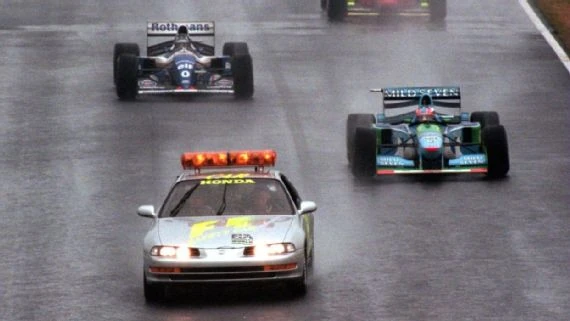
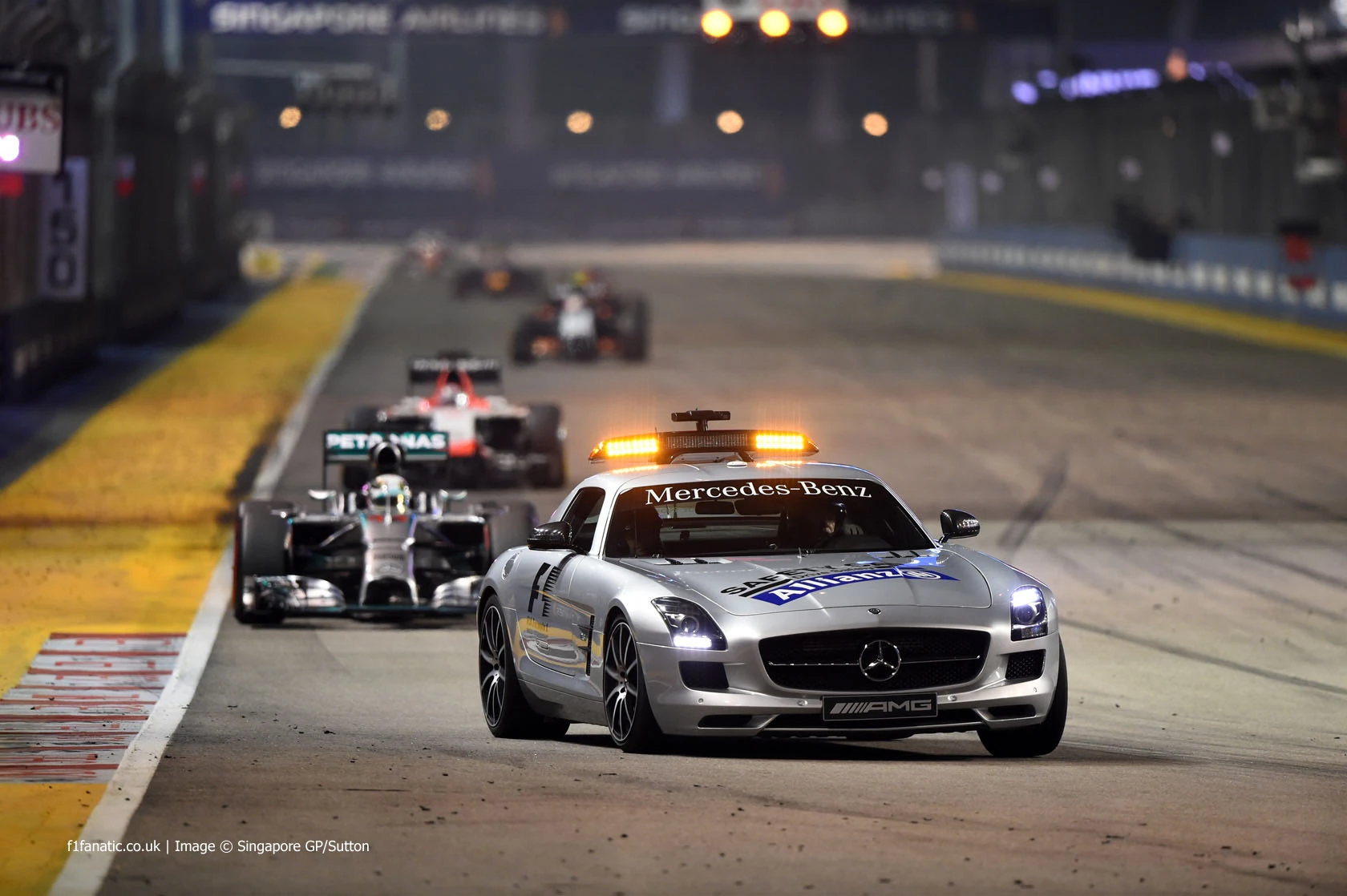
Differences from Traditional Safety Car Virtual Safety Cars regulate speed without a physical car on track. Drivers follow speed limits shown on their dashboard. This maintains gaps between cars, ensuring safety without bunching up.
The Virtual Safety Car (VSC) system has revolutionized how safety measures are implemented in motorsport, offering a dynamic alternative to the traditional Safety Car. Unlike the physical presence of a Safety Car on the track, the VSC employs technology to slow down cars remotely, maintaining a uniform speed across the field. This approach minimizes disruptions and allows the race to resume more quickly, changing the dynamics of race strategy and excitement for both drivers and fans.Impact On Race Strategy
Implementing a VSC can dramatically alter race strategy, demanding quick thinking and adaptability. Drivers must immediately adjust to a reduced speed limit while strategists reassess pit stops and tire choices. The VSC’s ability to maintain gaps between cars means your pit crew’s timing can make or break your race position. Could this digital intervention be the key to a winning strategy?Advantages And Limitations
The VSC offers several advantages, such as reducing lap time loss compared to a traditional Safety Car and allowing for quicker resumption of normal racing speeds. It ensures that the race remains fair, as gaps between cars are preserved. However, it does have limitations. The absence of a physical car means drivers rely solely on dashboard signals, which can be challenging in high-pressure situations. Are you ready to trust technology with such precision in split-second decisions? By understanding the differences between the VSC and traditional Safety Car, you gain insights into how these systems shape the excitement and unpredictability of racing. What do you think—does the Virtual Safety Car add to the thrill, or does it take away from the traditional spectacle?Notable Incidents Involving Vsc
The Virtual Safety Car (VSC) has played a crucial role in maintaining safety during Formula 1 races, but its deployment hasn’t been without drama. Certain incidents highlight how the VSC can influence race outcomes and reveal areas where the system can be improved. Understanding these moments helps you appreciate how the VSC affects strategy, driver behavior, and race control decisions.
Famous Deployments
One memorable VSC deployment happened during the 2015 Belgian Grand Prix when Sebastian Vettel’s crash led to a VSC period that shook up the race order. Teams scrambled to adjust their pit strategies, and some drivers gained unexpected advantages by pitting under the VSC. This incident showed how timing is everything—did you know that pitting just seconds earlier or later under a VSC can cost or gain several positions?
Another notable case was the 2017 Monaco Grand Prix, where the VSC was activated due to a stalled car. The narrow streets made safety paramount, and the VSC helped keep drivers at controlled speeds without neutralizing the race fully. This moment illustrated how the VSC can maintain race rhythm while ensuring safety, a balance often tricky to achieve.
Lessons Learned
These incidents teach us that the VSC demands quick thinking from teams and drivers. You must be ready to adjust your strategy instantly because the VSC’s impact on lap times and pit windows is significant. Staying alert to race control messages can mean the difference between gaining ground or falling behind.
Another lesson is about fairness and consistency. Some VSC deployments have sparked debates when drivers seemed to gain unfair advantages. This raises the question: how can the system be fine-tuned to ensure equal conditions for all competitors? Understanding these challenges helps you see why race officials constantly review and refine VSC protocols.
Finally, the way drivers respond under VSC shows the importance of discipline. Maintaining the exact reduced speed is harder than it looks, and mistakes can lead to penalties. So, your ability to control pace precisely during a VSC can directly affect your race outcome.
Future Of Virtual Safety Measures
The future of virtual safety measures in motorsport promises smarter and safer racing. Advances in technology and rule adjustments aim to improve driver protection. The goal is to reduce risks without stopping the race flow. Virtual Safety Car (VSC) systems will evolve with new tools and clearer guidelines.
Technological Innovations
New sensors and communication tools will enhance VSC accuracy. Cars may use real-time data to adjust speed instantly. Advanced algorithms could predict hazards faster than before. Virtual signals might become clearer to drivers through improved displays. Integration with autonomous systems could help maintain safe distances. These innovations will allow quicker responses to incidents on track.
Potential Rule Changes
Rules may be updated to support faster VSC deployment. Penalties for ignoring VSC limits could become stricter. Guidelines might require all teams to use standardized technology. Race control could gain more control over speed adjustments. Introducing new zones for VSC use could improve safety. Clearer rules will help drivers and teams react correctly and safely.
Credit: f1.fandom.com
Frequently Asked Questions
What Is The Purpose Of The Virtual Safety Car?
The Virtual Safety Car (VSC) slows down all cars on track without a physical safety car. It ensures safety during hazards. It maintains race order and limits speed uniformly. VSC helps avoid accidents and allows quick track clearance.
How Does The Virtual Safety Car Affect Race Speed?
Under VSC, drivers must reduce speed to a set delta time. They must keep a consistent pace below normal racing speed. This prevents overtaking and maintains safe gaps. It controls race speed while hazards are addressed on the track.
When Is The Virtual Safety Car Deployed?
The VSC is deployed during minor incidents or debris on track. It activates when conditions are unsafe but don’t require a full safety car. Race control uses it to manage risks quickly and safely without stopping the race.
Can Drivers Overtake During The Virtual Safety Car Period?
No, overtaking is prohibited during the VSC period. Drivers must maintain their positions and follow the set speed limits. Overtaking under VSC leads to penalties. This rule ensures fairness and safety while hazards are cleared.
Conclusion
The Virtual Safety Car helps keep drivers safe during races. It slows cars down without stopping the race completely. Drivers follow a set speed limit to avoid accidents. This system gives marshals time to clear the track. It keeps the race fair and smooth for everyone.
Understanding this helps fans enjoy races better. Safety stays a top priority in motorsport. The Virtual Safety Car plays a key role in that goal.