

Are your car carpets looking dull, stained, or just plain dirty? You might think cleaning them is a tough job, but it doesn’t have to be.
Knowing how to shampoo car carpets the right way can bring back that fresh, clean feeling every time you step inside your vehicle. In this guide, you’ll discover simple steps and smart tips that save you time and effort while making your car feel like new again.
Ready to give your car carpets the deep clean they deserve? Let’s dive in!

Credit: www.cnn.com
Choosing The Right Shampoo
Choosing the right shampoo for your car carpets is key to a clean, fresh interior. The wrong shampoo can leave residues or damage the fabric. A good shampoo removes dirt while protecting the carpet fibers. It should also be safe for your car’s materials and easy to rinse.
Consider the type of carpet and the level of dirt before selecting a shampoo. Some shampoos work better on tough stains, while others suit light cleaning. The scent, foaming power, and drying time matter too. Picking a shampoo that fits your needs ensures a better cleaning result and longer carpet life.
Types Of Carpet Shampoos
- Foam shampoos: Light, easy to use, and quick drying.
- Liquid shampoos: Deep cleaning, good for heavy stains.
- Powder shampoos: Absorb moisture and odors, best for dry cleaning.
- Spray shampoos: Convenient for spot cleaning and small areas.
Eco-friendly Options
- Biodegradable shampoos break down naturally without harming the environment.
- Plant-based shampoos use natural ingredients like citrus and tea tree oil.
- Low VOC shampoos release fewer harmful chemicals into the air.
- Choose products free from harsh synthetic fragrances and dyes.
Shampoo Ingredients To Avoid
- Bleach can cause discoloration and fiber damage.
- Strong acids or alkalis may weaken carpet fibers.
- Phosphates harm the environment and water systems.
- Artificial dyes might stain or leave residues behind.

Credit: www.youtube.com
Preparing Your Car Carpet
Preparing your car carpet properly sets the stage for effective shampooing. Skipping this step can trap dirt deeper into the fibers or cause uneven cleaning. Taking a little extra time now will save you from frustration and ensure your carpet looks fresh and clean.
Removing Loose Dirt And Debris
Start by clearing out any loose dirt, leaves, or crumbs from your carpet. Use a stiff brush or your hands to sweep away large debris before vacuuming. This prevents the dirt from spreading when you shampoo later.
I once ignored this step and ended up scrubbing dirt deeper into the carpet, making the stain worse. Don’t make the same mistake—clear the surface first.
Vacuuming Techniques
Vacuum your carpet thoroughly to pull out dust and small particles embedded deep in the fibers. Use a vacuum with strong suction and a brush attachment to agitate the carpet fibers gently.
Work in overlapping strokes and focus on high-traffic areas where dirt tends to accumulate. Don’t rush—vacuuming well can reduce the amount of shampoo you need and improve the overall clean.
Spot Testing The Shampoo
Before applying shampoo across the whole carpet, test it on a small, hidden patch. This helps you check for any discoloration or damage caused by the cleaning product.
Apply a small amount, wait a few minutes, then blot dry to see the effect. If the spot looks good, proceed confidently. If not, try a milder shampoo or a different cleaning method.
Step-by-step Shampooing Process
Cleaning car carpets with shampoo brings back their fresh look. The process is simple and effective. Follow these clear steps to get the best results.
Applying The Shampoo
Start by vacuuming the carpet to remove loose dirt. Spray the shampoo evenly over the carpet surface. Use a product made for car carpets to avoid damage. Cover all areas, especially spots with stains or dirt buildup. Let the shampoo sit for a few minutes to loosen grime.
Scrubbing Methods
Gently scrub the carpet to lift dirt and stains. Use circular motions to work the shampoo deep into the fibers. Focus on one section at a time for thorough cleaning. Avoid soaking the carpet to prevent mold growth. Keep the carpet damp but not dripping wet.
Using A Brush Or Cloth
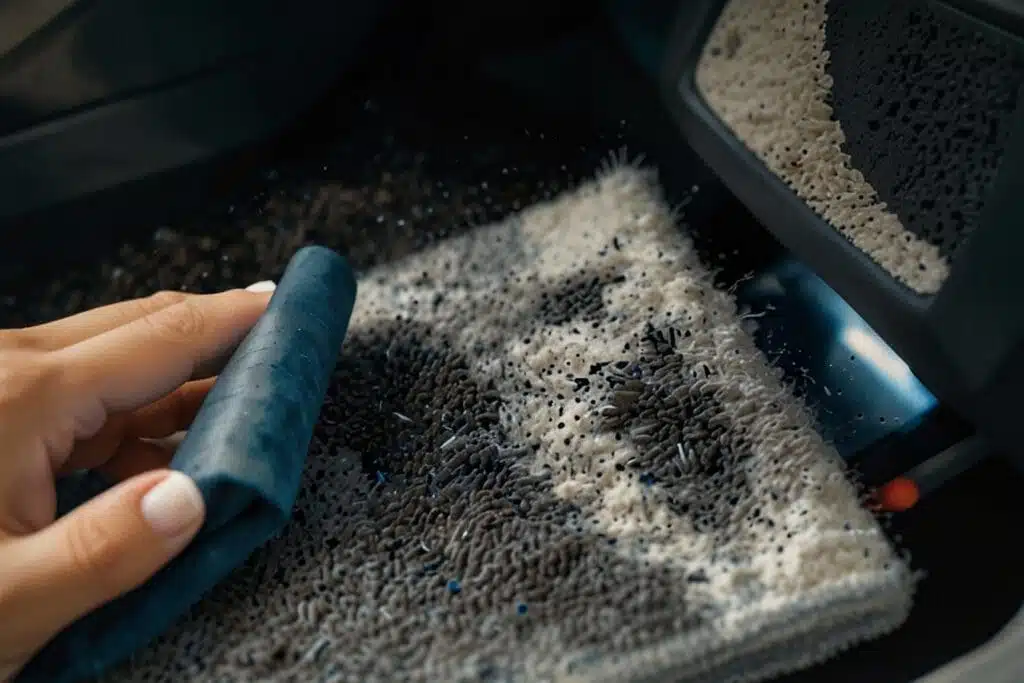
Choose a soft brush or clean cloth for scrubbing. A brush helps reach deep into the carpet pile. Use a cloth for delicate areas or small spots. Change or rinse the cloth often to avoid spreading dirt. After scrubbing, wipe the carpet with a damp cloth to remove excess shampoo.
Rinsing And Drying
Rinse the carpet thoroughly with clean water to remove soap and dirt. Use a towel or cloth to soak up excess water, then let the carpet air dry completely. Proper drying prevents mold and keeps the carpet fresh.
Rinsing and drying are crucial steps in maintaining the cleanliness and longevity of your car carpets. Once you’ve shampooed your carpets thoroughly, the next challenge is to rinse out any remaining soap and ensure the carpets dry properly. Failing to rinse and dry effectively can lead to unpleasant odors, mold growth, or damage to your car’s interior. Here’s how you can master these steps with confidence.Effective Rinsing Tips
Rinsing is all about removing every last bit of soap and dirt. Use a bucket of clean water and a sponge to scrub away the soap. This might take a few passes, but it’s essential for a spotless finish. Consider using a wet/dry vacuum to suck up excess moisture during rinsing. This tool can help extract water efficiently, ensuring no soap residue is left behind. Always check your carpets for any remaining suds by pressing a white cloth against them; if it’s still foamy, more rinsing is needed.Drying Techniques To Prevent Mold
Proper drying is non-negotiable if you want to avoid mold and mildew. Start by opening all your car doors or windows to improve airflow. This simple act can significantly speed up the drying process. If the weather permits, park your car in a sunny spot. Sunlight not only accelerates drying but also helps kill any lingering bacteria. Remember, the goal is to have completely dry carpets within 24 hours to prevent mold growth.Using Towels And Fans
Towels can be your best friend in the drying process. After rinsing, lay down absorbent towels on the carpets and press firmly to soak up excess water. Switch them out when they become damp to ensure maximum absorption. For an added boost, use portable fans to circulate air around the carpets. Position the fans strategically to cover all areas of the carpet. This method can drastically reduce drying time, leaving your carpets fresh and ready for use. Have you ever thought about how small changes in your rinsing and drying routine could prevent major headaches down the line? By focusing on these steps, you can ensure your car’s interior remains pristine and inviting.Dealing With Stubborn Stains
Stubborn stains on car carpets can ruin the clean look. They need special care and attention. Removing these stains takes patience and the right tools. Understanding the type of stain helps choose the best cleaning method. Sometimes, DIY methods work well, but some stains need expert care.
Common Stain Types
Carpet stains come from many sources. Some of the most common include:
- Food and drink spills like coffee or soda
- Oil or grease from car parts or hands
- Mud and dirt tracked inside
- Ink or marker stains from pens
- Pet accidents or fur marks
Each stain type reacts differently to cleaning products. Knowing the stain helps prevent damage to the carpet.
Specialized Stain Removers
Using the right cleaner makes a big difference. Some stain removers target specific messes:
- Enzyme cleaners break down organic stains like food or pet messes
- Solvent-based removers work well on ink and grease
- Foam cleaners lift dirt and mud without soaking the carpet
- Oxygen-based cleaners brighten and refresh faded spots
Test any cleaner on a small hidden area first. This avoids discoloration or damage.
When To Seek Professional Help
Some stains resist home cleaning efforts. Deep oil, paint, or chemical spills may need pros. Also, if stains cover large areas or have set for a long time, experts have better tools. Professionals can restore the carpet without harm. Calling a specialist saves time and prevents costly mistakes.
Maintaining Clean Car Carpets
Keeping your car carpets clean is more than just a quick fix; it’s about creating a routine that protects your investment and enhances your driving experience. Dirt, spills, and everyday wear can quickly turn your car’s interior from fresh to frustrating. By focusing on how you maintain your car carpets, you can avoid stubborn stains and unpleasant odors that detract from your vehicle’s value and comfort.
Regular Cleaning Schedule
Set a consistent cleaning routine for your car carpets. Vacuuming once a week removes loose dirt and prevents it from embedding into the fibers. Consider a deeper shampooing every few months to tackle ground-in grime and refresh the fabric.
Think about your own schedule—how often do you really notice dirt building up? A simple calendar reminder can help you stay on track without feeling overwhelmed.
Protective Measures
Use floor mats to shield your car carpets from dirt and moisture. Rubber mats are especially good at catching mud and spills. You can also apply fabric protectors or stain repellents designed for automotive carpets to make cleaning easier.
These small steps save you from bigger headaches later. Have you tried any protective sprays before? They can significantly reduce the effort needed to keep your carpets spotless.
Avoiding Future Stains
Be mindful of what you bring inside your car. Avoid eating messy foods or carrying open drinks that could spill. If you must transport items like plants or sports gear, use a removable liner or cover to catch dirt and debris.
It’s easier to prevent stains than to remove them. What habits can you change today to keep your car carpets looking new longer?
Credit: autosparkzone.com
Frequently Asked Questions
How Do You Shampoo Car Carpets Effectively?
To shampoo car carpets, vacuum thoroughly first. Use a carpet cleaner or mild detergent mixed with water. Scrub gently with a soft brush, then rinse and blot excess moisture. Allow carpets to dry completely to prevent mold and odors.
What Are The Best Products For Shampooing Car Carpets?
Choose a carpet shampoo designed for automotive use. Look for biodegradable, non-toxic formulas with stain removal features. Avoid harsh chemicals that can damage carpet fibers or car interiors. Always test the product on a small area before full application.
How Often Should You Shampoo Car Carpets?
Shampoo car carpets every 3 to 6 months, depending on usage. Frequent cleaning helps remove dirt, stains, and odors. For heavy use or spills, clean more often to maintain freshness and appearance.
Can I Shampoo Car Carpets Without Professional Equipment?
Yes, you can shampoo car carpets using household items. Use a soft brush, mild detergent, and a spray bottle. Blot with clean towels and air dry. Professional equipment can speed up the process but is not necessary.
Conclusion
Shampooing car carpets keeps your vehicle fresh and clean. It removes dirt, stains, and bad smells effectively. Regular cleaning helps protect the carpet fibers and extends their life. Use gentle movements and the right shampoo for best results. Dry the carpets well to avoid mold or mildew.
Clean carpets make driving more comfortable and enjoyable. Simple steps can make a big difference in your car’s appearance. Try these tips and see how much cleaner your car feels.