

Are you ready to make your Pinewood Derby car race faster and smoother? One of the most important steps is putting the wheels on correctly.
It might seem simple, but getting it right can make a big difference in how your car performs on race day. In this guide, you’ll learn exactly how to attach your wheels so they spin freely and stay firmly in place.
Keep reading, and you’ll have the skills to build a winning Pinewood Derby car that stands out on the track.

Credit: www.turboderby.com
Choosing The Right Wheels
Choosing the right wheels for your Pinewood Derby car can make a huge difference in performance. The wheels affect speed, stability, and how smoothly your car runs down the track. Picking the right ones means understanding the options and what fits your car’s design and race conditions best.
Types Of Pinewood Derby Wheels
There are several types of wheels you can use, each with its own advantages. Standard wheels come with most kits and are easy to use but might not be the fastest option. Racing wheels are lighter and smoother, designed to reduce friction and improve speed.
- Standard Wheels:These are plastic and usually come with your kit. They’re durable but heavier and less precise.
- Racing Wheels:Made from harder plastic, these wheels are lighter and have a smoother surface, which helps reduce friction.
- Aftermarket Wheels:Sold separately, these often have a narrower tread and can be customized for better performance.
- Polished Wheels:These wheels have been sanded or polished to remove imperfections, allowing your car to roll more smoothly.
Factors To Consider For Selection
Think about the weight of your car when choosing wheels. Heavier wheels can slow you down, so lighter ones usually help increase speed. Also, check the wheel’s bore size; it needs to fit your axles perfectly to avoid wobbling.
Surface smoothness matters too. Rough wheels create more friction and slow your car. Many racers polish their wheels to get that smooth finish. Have you tested how a polished wheel feels compared to an unpolished one?
| Factor | Why It Matters | What to Check |
|---|---|---|
| Weight | Lighter wheels reduce resistance and increase speed | Use a precision scale to measure wheel weight |
| Bore Size | Proper fit prevents wobbling and improves stability | Ensure the bore matches your axles snugly |
| Surface Smoothness | Smoother wheels roll faster with less friction | Sand or polish wheels for optimal smoothness |
| Tread Width | Narrower treads reduce contact with the track | Choose wheels with a slim tread for less drag |
Have you ever noticed how even a small wobble in the wheels can ruin your race? Paying attention to these details can give your car a noticeable edge. What adjustments will you make to your wheels for the next race?
Preparing The Car Body
Preparing the car body is a key part of building a Pinewood Derby car. This stage sets the foundation for smooth wheel attachment and fast racing. Careful work here improves how the car looks and performs. Focus on shaping the wood and planning wheel placement before moving on.
Sanding And Shaping The Wood
Start by sanding the block of wood to remove rough edges. Use medium-grit sandpaper first, then switch to fine-grit for a smooth finish. Shape the wood to your desired design. Keep the car’s weight balanced for better speed. Smooth surfaces reduce air resistance and help the car glide.
Marking Wheel Placement
Mark where the wheels will go using a pencil and ruler. Measure carefully to ensure all wheels are aligned properly. Proper wheel placement avoids wobbling during the race. Mark the axle slots or holes clearly. This step guides you when attaching the wheels later.
Installing The Axles
Installing the axles is a crucial part of assembling your Pinewood Derby car. Proper axle placement affects the car’s speed and stability on the track. Pay close attention to how you select, insert, and align the axles to give your car the best chance of winning.
Selecting The Best Axles
Not all axles are created equal. Look for axles that are smooth, straight, and free from burrs or imperfections. A bent or rough axle can slow your car down and cause it to wobble.
Some racers polish their axles to reduce friction. You can use fine-grit sandpaper or a metal polishing kit to make the axles as smooth as possible. Have you tested different axles to see which roll best on your test track?
Inserting And Aligning Axles
Careful insertion of the axles into the car body is vital. Insert each axle gently into its hole to avoid bending it. Make sure the axle sits straight and snugly without forcing it in.
Alignment impacts how the wheels roll and how straight your car runs. A slight misalignment can cause the car to veer off course. Use a small ruler or alignment tool to check that axles are parallel and the wheels spin freely without rubbing.
Remember, a perfectly aligned axle can shave seconds off your time. Have you tried spinning the wheels by hand to feel for any resistance? That simple check often reveals hidden issues before race day.
Attaching The Wheels
Attach the wheels carefully to the Pinewood Derby car axles, ensuring they spin freely. Align wheels straight to improve speed and stability on the track. Tighten securely but avoid over-tightening to prevent wheel binding.
Attaching the wheels to your Pinewood Derby car is a crucial step that can significantly impact its performance. Properly installed wheels can make the difference between a smooth ride and a bumpy race, and ensure your car speeds down the track with precision. In this section, we’ll break down the process of attaching wheels to the axles, and ensure they fit perfectly for optimal performance.
Pressing Wheels Onto Axles
The first step in attaching wheels is pressing them onto the axles. It’s not just about sliding them on; you need the right technique to avoid damaging the wheels or axles. Start by ensuring the axles are clean and free of any debris. A small amount of graphite powder can help reduce friction as you press the wheels on. Hold the wheel carefully and press it onto the axle using gentle, even pressure. Avoid using tools that might bend the axle or crack the wheel. A simple thumb press is often enough, but if you find it difficult, consider using a small clamp to gently push the wheel in place.
Ensuring Proper Wheel Fit
Once the wheels are on, checking their fit is essential. They should spin freely without wobbling. A snug fit ensures stability and balance, crucial for maintaining speed and direction on the track. Lift the car and spin each wheel individually. Watch how it moves—does it spin smoothly or does it hesitate? A perfectly fitted wheel should rotate several times before stopping. If it wobbles, consider adjusting the axle or re-pressing the wheel for better alignment. Ask yourself, are your wheels balanced and free from friction? A simple adjustment can make all the difference in your race day success.
Fine-tuning Wheel Performance
Fine-tuning the wheels of a Pinewood Derby car improves its speed and smoothness. Small adjustments make a big difference on the track. Focus on reducing friction and ensuring the wheels spin straight. These tweaks help the car glide faster and more stable down the slope.
Lubricating Wheels And Axles
Lubrication reduces friction between the wheels and axles. Use a dry graphite powder for best results. Avoid oily lubricants; they attract dust and slow down the wheels.
- Apply a small amount of graphite inside each wheel hole.
- Spin the wheel several times to spread the lubricant evenly.
- Repeat this process for all four wheels.
Proper lubrication helps wheels turn smoothly and quickly. It also prevents heat buildup that can slow the car.
Adjusting Wheel Alignment
Wheel alignment controls how straight the car runs. Misaligned wheels cause drag and reduce speed. Check that all wheels touch the track evenly.
- Place the car on a flat surface.
- Gently press and roll the car forward to see if it veers.
- Bend the axles slightly to correct any drifting.
- Ensure wheels spin freely without wobbling.
Well-aligned wheels keep the car on track and reduce friction. This adjustment improves balance and speed.
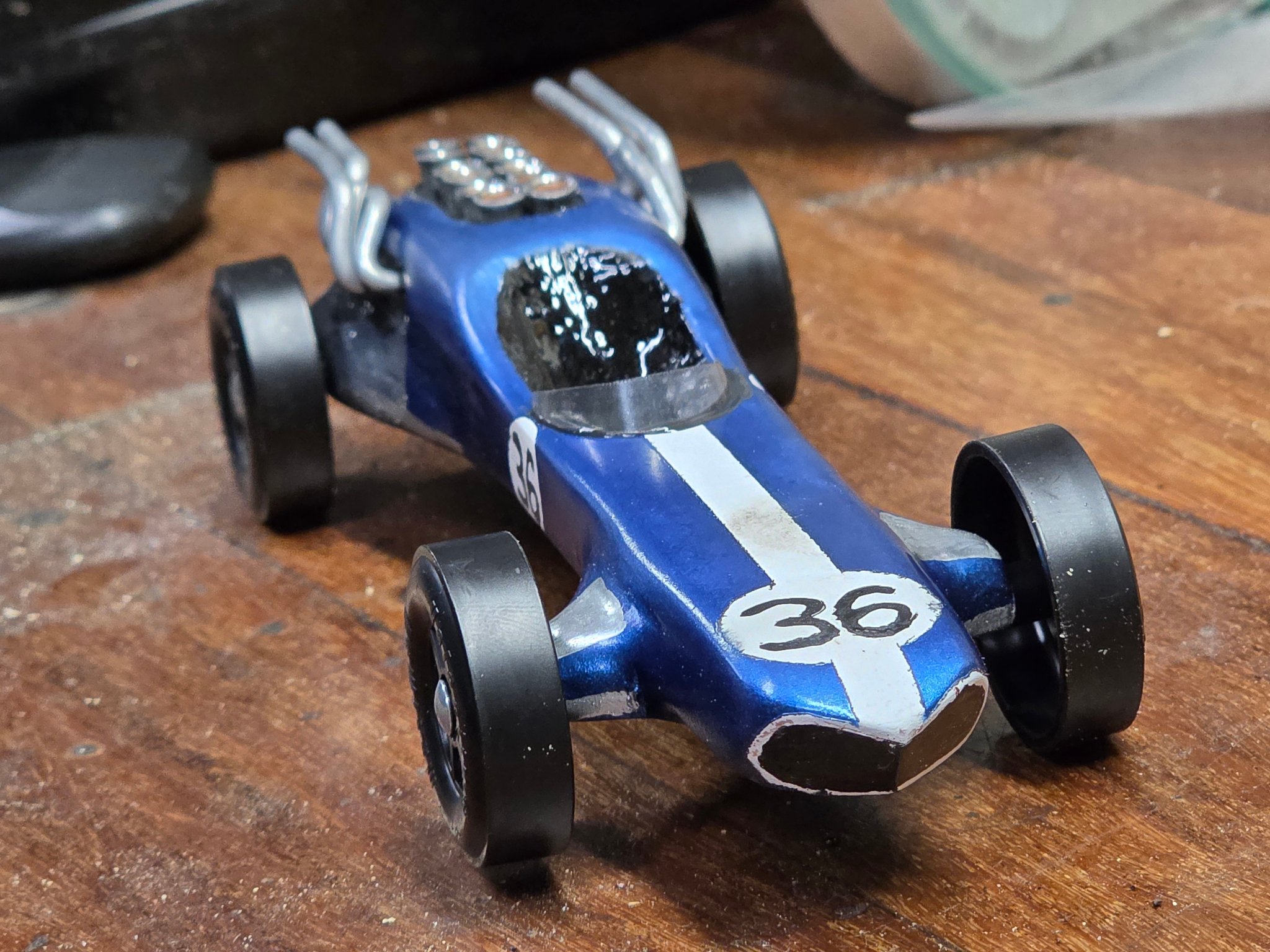
Credit: www.facebook.com
Testing And Troubleshooting
Testing and troubleshooting are crucial steps after you put wheels on your Pinewood Derby car. These steps help you ensure your car runs smoothly and fast down the track. Skipping this phase can leave unnoticed problems that slow your car or cause it to wobble off course.
Rolling Tests On A Flat Surface
Start by rolling your car on a smooth, flat surface like a hardwood floor or a tiled hallway. This simple test shows how well your wheels spin and if the car tracks straight.
Watch closely: does your car veer to one side or stop suddenly? Try different pushes with light and firm force to see how the wheels respond. This can reveal problems like misaligned axles or uneven wheel rotations.
Sometimes, a slight adjustment to the wheel alignment can make a big difference. I once found my car kept drifting to the left until I gently bent one axle outward by a tiny fraction. After that, it rolled perfectly straight.
Common Issues And Fixes
- Car veers to one side:Check if the axles are perfectly parallel and the wheels are aligned. Slightly bending the axles or sanding the wheels can help straighten the path.
- Wheels don’t spin freely:Dirt, paint, or excess lubricant may be blocking them. Clean the wheels and axles thoroughly and apply a dry graphite lubricant for smoother spins.
- Car slows down quickly:Make sure the wheels are not rubbing against the body or the axle slots. Slightly widen the slots if needed and ensure the wheels have enough clearance.
- Uneven wheel rotation:Inspect the wheels for flat spots or damage. Replacing or lightly sanding the wheels can fix this issue.
Have you noticed your car behaving oddly during a test run? Don’t ignore small issues—they can multiply on race day. Testing and troubleshooting give you the chance to fix problems early, so your car performs at its best.

Credit: www.tiktok.com
Frequently Asked Questions
How Do You Attach Wheels To A Pinewood Derby Car?
To attach wheels, align them with the car’s axles. Slide each wheel onto the axle securely. Ensure wheels spin freely without wobbling for smooth racing.
What Tools Are Needed To Install Pinewood Derby Wheels?
Common tools include a small hammer, axles, and a wheel alignment tool. A drill can help create precise axle slots. These tools ensure accurate wheel placement and stability.
Can You Use Different Wheels On A Pinewood Derby Car?
Yes, you can use various wheels, but they must meet race rules. Choose lightweight, smooth wheels for better speed. Make sure all wheels are identical for fairness.
How Do You Ensure Pinewood Derby Wheels Spin Properly?
Lubricate the axles with graphite or special lubricant. Avoid oil-based lubricants as they attract dirt. Test wheel rotation before racing to confirm smooth spinning.
Conclusion
Putting wheels on a Pinewood Derby car takes care and patience. Choose the right wheels and axles to ensure smooth movement. Align wheels carefully to reduce friction and improve speed. Test the car on a track to check its performance.
Small adjustments can make a big difference. Enjoy the process and learn from each try. Making your car roll well feels rewarding. Keep practicing and have fun building your Pinewood Derby car.