

How Do You Install a Safety First Car Seat. When it comes to your child’s safety in the car, every detail matters. Installing your Safety First car seat correctly is one of the most important steps you can take to protect your little one.
But if you’re unsure where to start or worried about getting it wrong, you’re not alone. This guide will walk you through simple, clear steps to install your car seat the right way. By the end, you’ll feel confident that your child is secure and ready for any trip.
Keep reading to learn how easy it can be to keep your child safe on the road.
Credit: www.bank-street.co.uk
Choosing The Right Seat
Choosing the right car seat is crucial for your child’s safety. It ensures proper protection and comfort during every ride. The right seat fits your child’s size and age and meets safety standards. Understanding different types and guidelines helps make a smart choice.
Types Of Car Seats
Car seats come in several types designed for different ages and sizes. Infant seats face backward and suit newborns. Convertible seats switch from rear to forward-facing as your child grows. Booster seats raise your child to fit the car’s seat belt properly.
Age And Weight Guidelines
Each car seat type has age and weight limits. Infant seats work for babies up to 22-35 pounds. Convertible seats handle children from 5 to 65 pounds, depending on the model. Booster seats fit kids who weigh at least 40 pounds and are usually 4 years or older.
Safety Ratings To Consider
Safety ratings show how well a car seat protects in crashes. Look for seats that pass federal safety tests. Check ratings from trusted organizations for crash performance and ease of use. Choose seats with clear instructions and easy installation features.
Credit: safety1st.com
Preparing Your Vehicle
Preparing your vehicle is an essential first step before installing a Safety First car seat. This process ensures the car seat fits securely and protects your child effectively. Taking time to prepare the space helps avoid common installation mistakes and keeps your child safe during every ride.
Locating The Latch System
The LATCH system is a set of anchors built into your vehicle. These anchors hold the car seat tightly without using the seat belt. Look between the seat cushions for small metal bars or loops. Check your vehicle’s manual to find the exact location of these anchors. Using the LATCH system makes installation easier and more secure.
Using The Seat Belt Properly
If your vehicle does not have a LATCH system, use the seat belt to secure the car seat. Thread the seat belt through the correct path on the car seat. Lock the seat belt by pulling it all the way out and then letting it retract. Make sure the seat belt is tight and does not move. This keeps the car seat steady and safe.
Clearing The Installation Area
Clear the area where the car seat will go before installing. Remove any loose items, toys, or bags that may block the seat. Check that the vehicle seat is flat and firm. A clean and clear space helps the car seat sit properly. It also makes it easier to check the car seat’s tightness and angle.
Installing The Car Seat
Installing your Safety First car seat correctly is crucial for your child’s safety on every trip. It’s not just about clicking it in place; precise positioning and secure fastening make all the difference. Let’s break down the key steps to ensure your car seat is installed safely and firmly.
Positioning The Car Seat
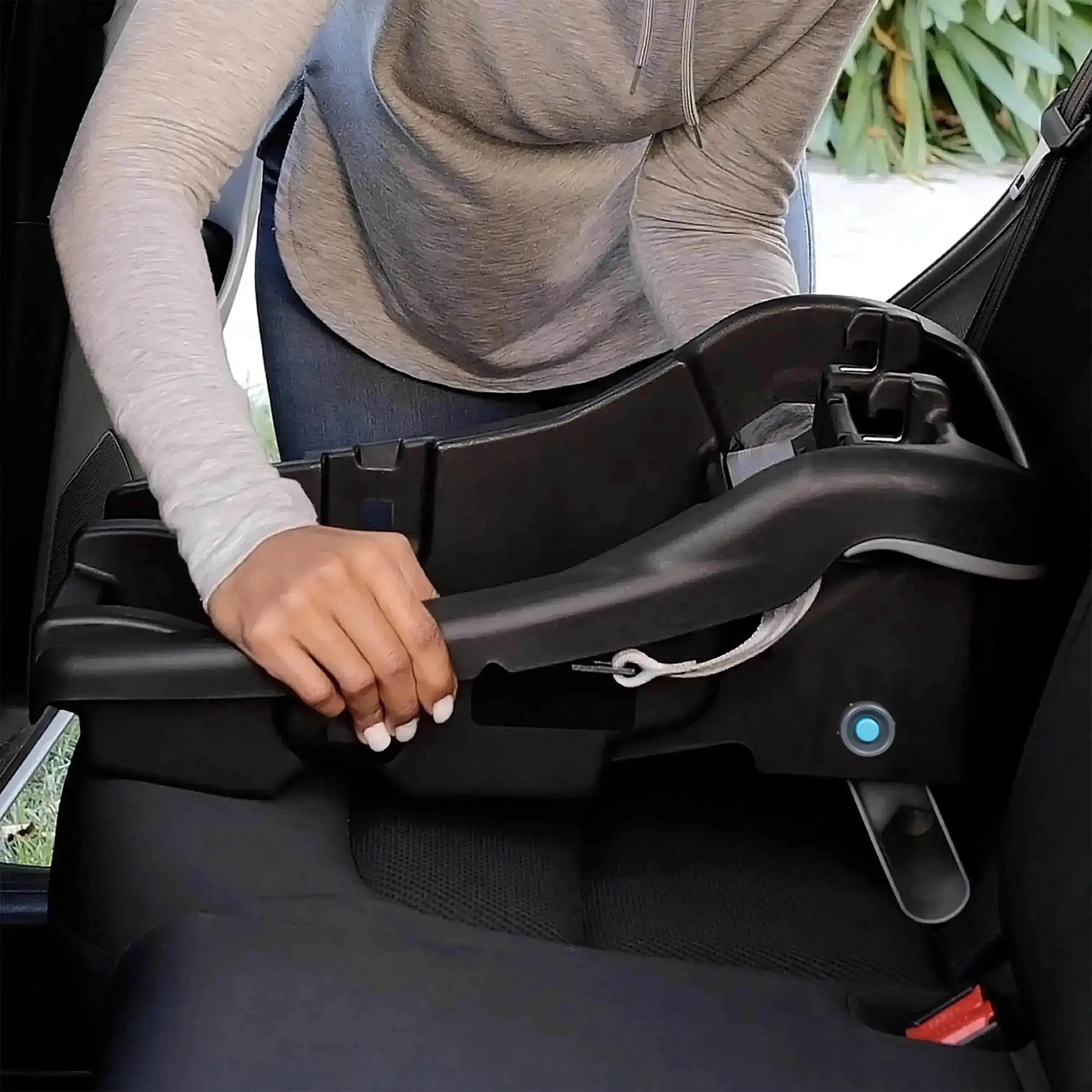
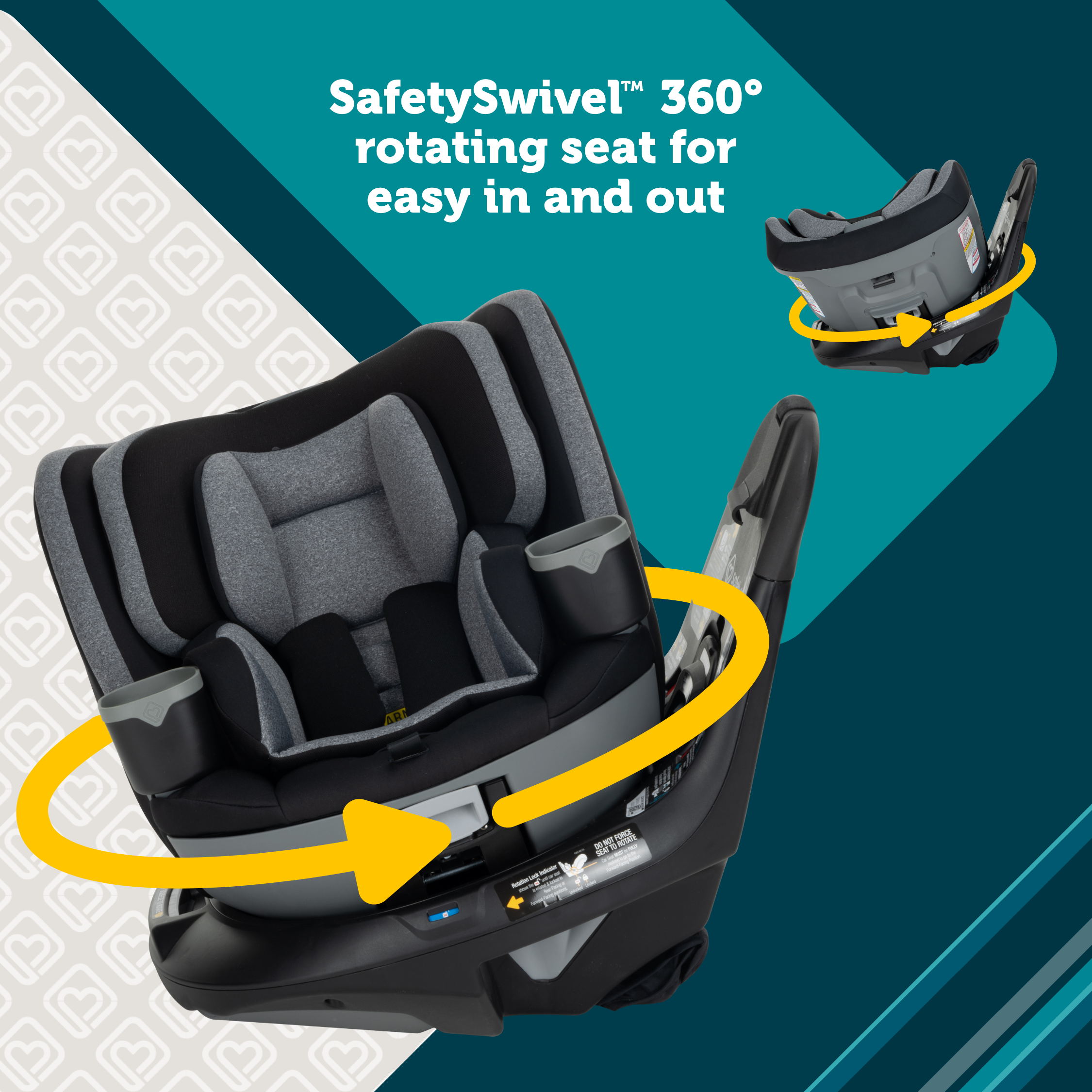
Start by choosing the right spot in your vehicle, usually the back seat, as it offers the most protection. Place the car seat facing the correct direction—rear-facing for infants and toddlers, forward-facing for older children, as recommended by the manufacturer.
Make sure the base of the car seat sits flat against the vehicle seat without any gaps. Sometimes adjusting the recline angle is necessary to keep your child comfortable and secure. Have you checked your car’s manual for specific seat recommendations?
Securing With Latch Or Seat Belt
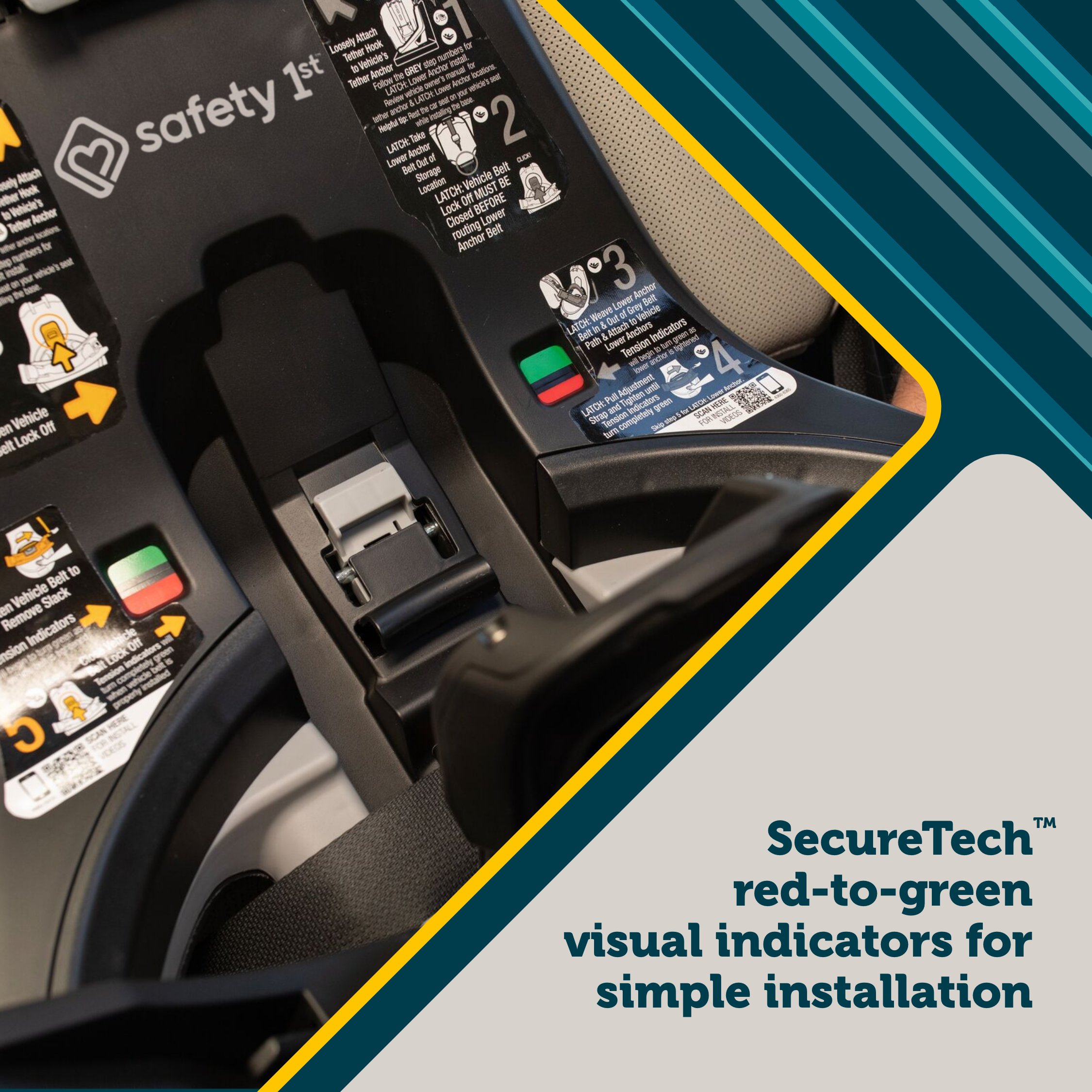
You can secure your car seat using either the LATCH system or the vehicle’s seat belt, depending on what your car supports. If using LATCH, attach the lower anchors to the designated points in your car seat and tighten firmly.
If you choose the seat belt method, thread the belt through the car seat’s belt path and buckle it. Lock the seat belt by pulling it all the way out and letting it retract to prevent slack. Do you know which system works best for your vehicle and car seat combination?
Checking For Tightness
After securing the car seat, test its tightness by giving it a firm shake at the base. It should not move more than an inch side-to-side or front-to-back. Loose installations can compromise safety, so take the time to double-check.
Also, verify that the car seat does not tilt or shift when your child is placed inside. A properly tightened seat provides peace of mind every time you hit the road. How confident are you in your current car seat installation?
Credit: safety1st.com
Adjusting The Harness
Adjusting the harness is a key step in installing a Safety First car seat. It keeps your child safe and comfortable during every ride. A correctly adjusted harness prevents movement and secures your little one firmly in place. Focus on three main points: harness height, snugness, and chest clip placement.
Proper Harness Height
The harness height must match your child’s shoulder level. For rear-facing seats, the straps should sit just below the shoulders. For forward-facing seats, position them just above the shoulders. Adjust the harness slots to fit this height. This ensures the harness holds your child securely without slipping.
Ensuring A Snug Fit
The harness should be tight enough to prevent slack but not cause discomfort. Pull the straps until you cannot pinch any excess webbing at the shoulders. Your child should feel snug and secure without any loose fabric. A loose harness can increase injury risk in an accident.
Chest Clip Placement
Place the chest clip at armpit level. This position keeps the harness straps aligned over the child’s shoulders. A chest clip too low or too high can reduce the harness’s effectiveness. Check the clip each time you buckle your child in for safety.
Final Safety Checks
Final safety checks ensure the car seat is secure. Test the seat’s stability by gently rocking it. Confirm the harness fits snugly around your child.
When installing a Safety First car seat, performing final safety checks is crucial to ensure your child’s safety during every trip. These checks might seem like extra steps, but they are essential to guarantee that your car seat is installed correctly. Taking the time to review these aspects could make a significant difference in an emergency.
Testing For Movement
After securing the car seat, it’s vital to test for movement. Grasp the car seat at the base and try to move it side-to-side and forward. It should not move more than an inch in any direction. If it does, tighten the seat belt or latch system until the seat is snug. Think of it like this—would you feel comfortable if you could wiggle the seat easily? Ensuring minimal movement provides a firm foundation for safety.
Confirming Recline Angle
The recline angle is crucial for your child’s comfort and safety. Most car seats come with an indicator to help you find the correct angle. Check the manual for specific guidelines, as an incorrect angle could affect the car seat’s effectiveness in a crash. Have you ever sat at an awkward angle and felt uncomfortable? Imagine how a baby would feel. Adjust the seat to the recommended angle, ensuring that your child can breathe comfortably and has a clear airway.
Reviewing Manufacturer Instructions
Even if you’ve installed a car seat before, always review the manufacturer’s instructions for your specific model. Each car seat can have unique features that require attention. Double-checking the manual might reveal small details that you could overlook. Are you the kind of person who puts together furniture without looking at the instructions? While that might work for a bookshelf, a car seat is a different matter. Taking a few minutes to read the manual could ensure your child’s safety. By focusing on these final safety checks, you ensure a more secure installation. This attention to detail can provide peace of mind, knowing your child is as safe as possible on the road.
Common Mistakes To Avoid
Installing your Safety First car seat correctly is crucial for your child’s safety. However, many parents unknowingly make mistakes that reduce the seat’s effectiveness. Knowing what to avoid can save you time, stress, and most importantly, keep your little one secure.
Loose Installation
A common problem is installing the car seat too loosely. If the seat moves more than an inch side-to-side or front-to-back at the belt path, it’s not secure enough.
Try tightening the seatbelt or LATCH system firmly. You should feel the seat locked in place without excessive wiggle.
Think about the last time you drove with a loose object sliding around—would you trust that to protect a child during a sudden stop?
Incorrect Harness Use
Many parents struggle with adjusting the harness properly. The straps must lie flat and be snug, not twisted or loose.
Make sure the harness clips are positioned at or just below your child’s shoulders for rear-facing seats, and at or above for forward-facing. A loose harness can let your child move too much, increasing injury risk.
Ask yourself: Have you checked the harness tightness every time you strap your child in?
Ignoring Expiration Dates
Car seats come with expiration dates for a reason. Materials degrade over time and crash protection standards improve.
Using an expired car seat could mean your child isn’t getting the best protection possible. Always check the label or manufacturer’s website for the expiration date before installing.
Would you use an expired helmet for biking? Treat your car seat with the same caution.
Getting Expert Help
Installing a Safety First car seat correctly is crucial for your child’s safety. Expert help can make the process easier and ensure the seat is secure. Professionals have the knowledge and experience to guide you step-by-step. They can spot common mistakes and offer practical tips for proper installation.
Seeking expert advice builds confidence in how you install the seat. It also helps you understand the safety features better. Here are some ways to get expert help for installing your Safety First car seat.
Certified Technicians
Certified technicians specialize in car seat installation. They complete training to learn the latest safety standards. These experts check if the car seat fits your vehicle properly. They teach you how to use straps and locks correctly. A session with a technician usually takes less than an hour. You leave with peace of mind knowing the seat is safe.
Local Inspection Stations
Many communities offer car seat inspection stations. These are places where experts review your car seat setup for free or a small fee. Inspection stations are often found at fire stations or hospitals. You can schedule an appointment or visit during open hours. They provide hands-on help and answer your questions. Inspection stations ensure the seat meets all safety requirements.
Online Resources And Videos
Online resources provide easy access to car seat installation guides. Many websites offer step-by-step videos and instructions. These videos show exactly how to install the Safety First car seat. Watching videos helps you understand the process visually. You can pause and replay parts for better clarity. Use trusted sources to find accurate and clear information.
Frequently Asked Questions
How Do You Start Installing A Safety First Car Seat?
Begin by reading the car seat manual and your vehicle’s manual. Locate the LATCH anchors or seat belt path. Ensure the car seat is rear-facing for infants and positioned securely.
Can I Install A Safety First Car Seat Using Seat Belts?
Yes, you can use seat belts if your car lacks LATCH anchors. Thread the seat belt through the correct path and lock it. Tighten the belt to secure the car seat firmly.
How Tight Should A Safety First Car Seat Be Installed?
The car seat should not move more than one inch side to side or front to back. Tighten the straps firmly to ensure a snug and safe fit for your child.
When Should I Switch From Rear-facing To Forward-facing?
Switch to forward-facing when your child meets the car seat’s height or weight limit. It’s safest to keep your child rear-facing as long as possible, up to age two or more.
Conclusion
Installing a Safety First car seat is simple and important. Follow the steps carefully for a secure fit. Check that the seat does not move more than an inch side to side. Tighten all straps firmly but comfortably for your child.
Always read the instruction manual for your specific model. Safety means peace of mind on every trip. Keep your child protected with the right installation. Practice makes perfect—double-check your work each time. Safe travels start with a properly installed car seat.