
Have you ever wondered what makes your car move smoothly when you shift gears? Understanding how car gears work can give you a new appreciation for your vehicle and even improve your driving skills.
You’ll discover the simple mechanics behind gears and why they are essential for your car’s performance. By the time you finish reading, you’ll see your car in a whole new light—and you might even impress others with your new knowledge.
Ready to unlock the secrets of your car’s gears? Let’s dive in!

Credit: en.wikipedia.org
Basics Of Car Gears
Car gears are essential for controlling speed and power. They help the engine work efficiently at different speeds. Understanding the basics of car gears makes driving easier and safer. Gears adjust the engine’s power to the wheels, allowing smooth acceleration and better fuel use.
Types Of Gears In Cars
Cars have several types of gears, each with a specific role. The main types include:
- Manual Gears:Shifted by the driver using a clutch and gear stick.
- Automatic Gears:Shift automatically based on speed and load.
- Planetary Gears:Found in automatic transmissions, allowing different gear ratios.
- Helical Gears:Used for smooth and quiet operation.
- Spur Gears:Simple design, often used in older or basic gearboxes.
Role Of The Gearbox
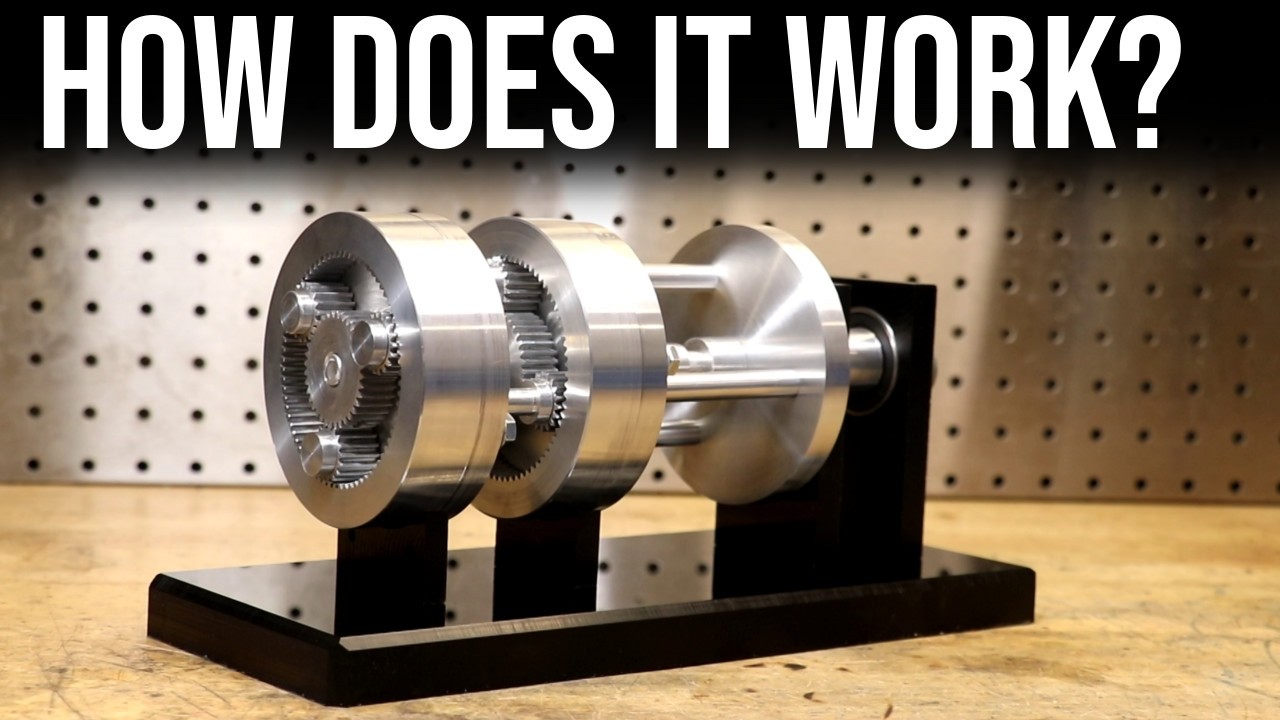
The gearbox connects the engine to the wheels. It changes gear ratios to control torque and speed. Lower gears provide more power for starting and climbing hills. Higher gears allow faster speeds with less engine effort.
The gearbox also helps save fuel by keeping the engine at an efficient speed. It protects the engine from damage by preventing over-revving. Without the gearbox, driving would be jerky and difficult.
Credit: www.youtube.com
Manual Vs Automatic Gears
Choosing between manual and automatic gears affects your driving experience. Each system controls how power moves from the engine to the wheels. Understanding their differences helps you pick the right type for your needs.
How Manual Gears Operate
Manual gears require the driver to change gears by hand. A clutch pedal disconnects the engine from the wheels. The driver presses the clutch, moves the gear stick, and releases the clutch. This action changes the gear ratio and controls the car’s speed and power.
Drivers must learn when to shift gears smoothly. The process gives more control over the vehicle’s performance. Manual gearboxes often have fewer parts and can be cheaper to repair.
How Automatic Gears Function
Automatic gears shift by themselves without driver input. A system of sensors and hydraulics chooses the right gear. The driver only needs to select drive, reverse, or park modes. The transmission manages gear changes based on speed and engine load.
This system simplifies driving, especially in heavy traffic or on hills. Automatic gearboxes use a torque converter instead of a clutch pedal. They tend to be more complex and can cost more to fix.
Pros And Cons Of Each System
| Feature | Manual Gears | Automatic Gears |
|---|---|---|
| Driver Control | High control over gear changes | Limited control, mostly automatic |
| Ease of Use | Requires skill and practice | Very easy for beginners |
| Fuel Efficiency | Often more fuel-efficient | Can be less efficient |
| Maintenance | Generally simpler and cheaper | More complex, higher cost |
| Driving Comfort | Can be tiring in traffic | More comfortable, less fatigue |
Gear Ratios And Their Impact
Gears play a vital role in controlling a car’s movement. The way gears work depends on gear ratios. These ratios determine how power moves from the engine to the wheels. Understanding gear ratios helps explain how cars change speed and force.
What Gear Ratios Mean
Gear ratio shows the relationship between two gears. It is the number of teeth on the driven gear divided by the teeth on the driving gear. This ratio affects how fast or slow the wheels turn compared to the engine.
For example, a gear ratio of 3:1 means the driving gear turns three times for one turn of the driven gear. Lower ratios mean higher speed but less force. Higher ratios mean more force but lower speed.
Effect On Speed And Torque
Speed and torque have an inverse relationship controlled by gear ratios. Torque is the turning force that helps the car move. Higher gear ratios increase torque but reduce speed. Lower gear ratios increase speed but reduce torque.
In lower gears, cars get more power to climb hills or start moving. In higher gears, cars can drive faster with less engine effort. This balance helps cars run efficiently in different conditions.
Shifting Gears Smoothly
Shifting gears smoothly is key to a comfortable and efficient drive. Whether you’re behind the wheel of a manual or automatic car, mastering the gear transition affects how your vehicle performs and feels. Smooth shifts reduce wear on your transmission and enhance your control over the car.
Techniques For Manual Shifting
Manual shifting requires coordination between your hands and feet. Start by pressing the clutch fully before moving the gear stick to avoid grinding gears.
Listen to the engine’s sound and watch the tachometer to know when to shift. Shifting too early or too late can cause jerks or engine strain.
- Press the clutch completely before shifting
- Move the gear stick firmly but smoothly
- Release the clutch gradually while applying gas
- Avoid riding the clutch to prevent damage
Have you noticed how some drivers seem to change gears effortlessly? That’s because they time their clutch release and accelerator input perfectly. Practicing this rhythm will make your shifts feel natural and smooth.
How Automatics Shift Gears
Automatic transmissions use a complex system of hydraulics and electronics to change gears without driver input. You don’t have to worry about clutch control or timing shifts.
Modern automatics often include sensors that monitor your speed and engine load. These sensors tell the transmission when to shift, optimizing for fuel economy and performance.
- Automatic shifts are usually seamless and quick
- Some automatics offer manual mode for greater control
- Adaptive systems learn your driving style over time
Ever wondered why some automatic cars feel more responsive than others? It often comes down to how advanced the transmission system is. Understanding this can help you choose a car that matches your driving preferences.
Common Gear Problems
Understanding how car gears work is crucial. Gear problems can cause significant issues. Identifying and solving these problems early is important for smooth driving. Below, we’ll explore common gear problems and how to tackle them.
Signs Of Gearbox Issues
Watch for unusual noises when shifting gears. Grinding or whining sounds suggest problems. Delays when changing gears can also indicate issues. Gear slippage during acceleration is another sign. Pay attention to a burning smell. This could point to overheating gears.
Basic Troubleshooting Tips
Check the transmission fluid level first. Low fluid can cause many issues. Ensure the fluid is clean and free of debris. Listen for any abnormal noises when driving. This can help identify the source of the problem. Consider seeking a professional mechanic if issues persist.
Advancements In Gear Technology
Gears have come a long way from the basic manual transmissions of the past. Today’s gear technology focuses on improving efficiency, enhancing driving experience, and reducing wear and tear. Understanding these advancements can help you appreciate how modern vehicles deliver smoother rides and better fuel economy.
Dual-clutch Transmissions
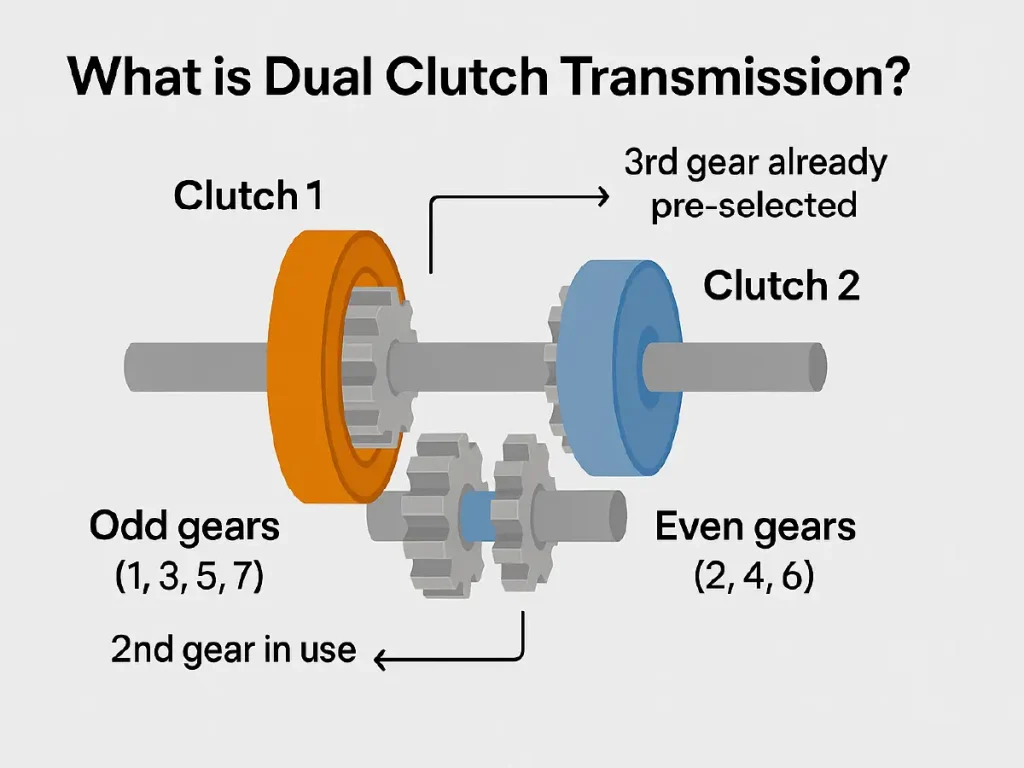
Dual-clutch transmissions (DCT) use two separate clutches for odd and even gear sets. This allows for lightning-fast gear changes without interrupting power delivery.
You might notice a smoother acceleration and quicker response while driving a car with DCT. It’s like having the precision of a manual gearbox combined with the ease of an automatic. Many sports cars and high-performance vehicles use this technology to maximize speed and control.
Continuously Variable Transmissions (cvt)
CVTs don’t have fixed gears like traditional transmissions. Instead, they use a system of pulleys and belts that continuously adjust to provide the perfect gear ratio.
This means your engine runs at its most efficient speed more often, which can save fuel. If you’ve ever driven a car with a CVT, you might have noticed the engine sound staying steady while the car speeds up smoothly. It’s a different feel, but one designed to optimize performance and economy.
Credit: www.mauergmc.com
Frequently Asked Questions
How Do Car Gears Affect Driving Performance?
Car gears control the engine’s power and speed. Lower gears provide more torque for acceleration. Higher gears improve fuel efficiency and speed. Proper gear use ensures smooth driving and engine longevity.
What Is The Difference Between Manual And Automatic Gears?
Manual gears require the driver to shift gears manually using a clutch. Automatic gears shift automatically based on speed and load. Both systems transmit power from the engine to the wheels but differ in control and convenience.
Why Do Cars Have Multiple Gears?
Multiple gears help balance power and speed. Lower gears offer more torque for uphill or heavy loads. Higher gears reduce engine strain at high speeds, improving fuel efficiency and comfort.
How Does A Car’s Gearbox Work?
A car’s gearbox changes gear ratios to control speed and torque. It connects the engine to the wheels. Shifting gears adjusts power output for various driving conditions, making driving efficient and smooth.
Conclusion
Understanding car gears helps you drive more smoothly and safely. Gears control the power from the engine to the wheels. Each gear has a role in speed and force. Lower gears give more power but less speed. Higher gears let the car move faster with less effort.
Knowing this makes it easier to shift gears correctly. It also helps you save fuel and avoid car damage. Simple steps lead to better driving. Keep practicing and watch how your car responds. Gears work together to make your ride smooth and efficient.