

If you use needleless connector devices, you know how important they are for safe and easy access to your veins. But are you sure you’re caring for them the right way?
Proper care can prevent infections and keep your device working smoothly. You’ll discover simple steps you can take to protect your health and extend the life of your needleless connector. Keep reading to learn exactly what you need to do to keep your device safe and clean every time.
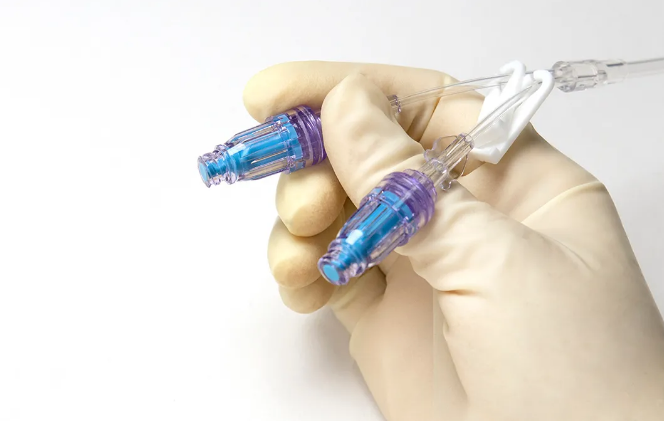
Credit: www.haolangmedical.com
Types Of Needleless Connectors
Needleless connectors come in various types designed to improve safety and ease of use. Each type has unique features and care requirements. Understanding these types helps maintain their function and prevent infection.
Mechanical Valve Connectors
Mechanical valve connectors have a built-in valve that opens when connected. They stop blood or fluid from leaking when disconnected. These valves need regular cleaning to avoid clogging. Proper flushing after use keeps the valve working well.
Split Septum Connectors
Split septum connectors use a silicone membrane that splits when accessed. This design reduces infection risk by limiting exposure. Cleaning the membrane with alcohol swabs before each use is essential. It helps keep the membrane free from germs.
Other Common Variants
Other needleless connectors include positive displacement and negative displacement types. Positive displacement pushes fluid back to prevent air entry. Negative displacement may allow a small amount of blood reflux. Each type requires specific cleaning and flushing techniques to ensure safety.
Importance Of Proper Care
Proper care of needleless connector devices is essential for safe and effective use. These small tools help deliver medication and fluids without needles. Careful handling keeps them clean and functional. It reduces health risks and improves treatment outcomes.
Preventing Infections
Needleless connectors can carry bacteria if not cleaned well. Germs may enter the bloodstream and cause serious infections. Cleaning the device with alcohol swabs before use kills harmful microbes. Regular disinfection stops bacteria build-up on the surface. Proper care lowers infection chances and protects patient health.
Maintaining Device Integrity
Frequent use and poor handling can damage connectors. Cracks or leaks may develop, affecting performance. Cleaning with the right technique keeps the device intact. Avoiding rough handling extends its lifespan. Proper care ensures the device works as designed every time.
Ensuring Patient Safety
Safe connectors reduce the risk of complications during treatment. Proper care prevents device failure and contamination. It supports accurate medication delivery and fluid flow. Well-maintained devices contribute to better patient comfort and trust. Caring for connectors protects patients from harm and promotes healing.
Cleaning Techniques
Needleless connector devices need regular cleaning with alcohol wipes before and after use. Avoid touching the connector tip to keep it sterile. Proper care prevents infections and ensures safe use.
Cleaning needleless connector devices is crucial for preventing infections. Proper techniques ensure these medical tools stay safe and effective. Using the right methods can extend their usability and maintain hygiene standards. Below, explore the recommended cleaning techniques for needleless connector devices.Recommended Disinfectants
Choosing the right disinfectant is essential. Alcohol-based solutions are effective for cleaning. They kill bacteria and viruses quickly. Chlorhexidine gluconate is another option. It provides longer-lasting protection. Ensure disinfectants are suitable for medical equipment. This prevents damage to the connector devices.Step-by-step Cleaning Process
- Begin by washing your hands thoroughly.
- Put on gloves to maintain cleanliness.
- Use a disinfectant wipe to clean the connector.
- Ensure the wipe covers all surfaces.
- Allow the connector to air dry.
- Dispose of the used wipes safely.
Frequency Of Cleaning
Clean devices before every use. This minimizes infection risks. Regular cleaning keeps connectors functioning well. If devices are used frequently, clean them more often. Adjust cleaning frequency based on usage. Consistent cleaning is key for optimal safety.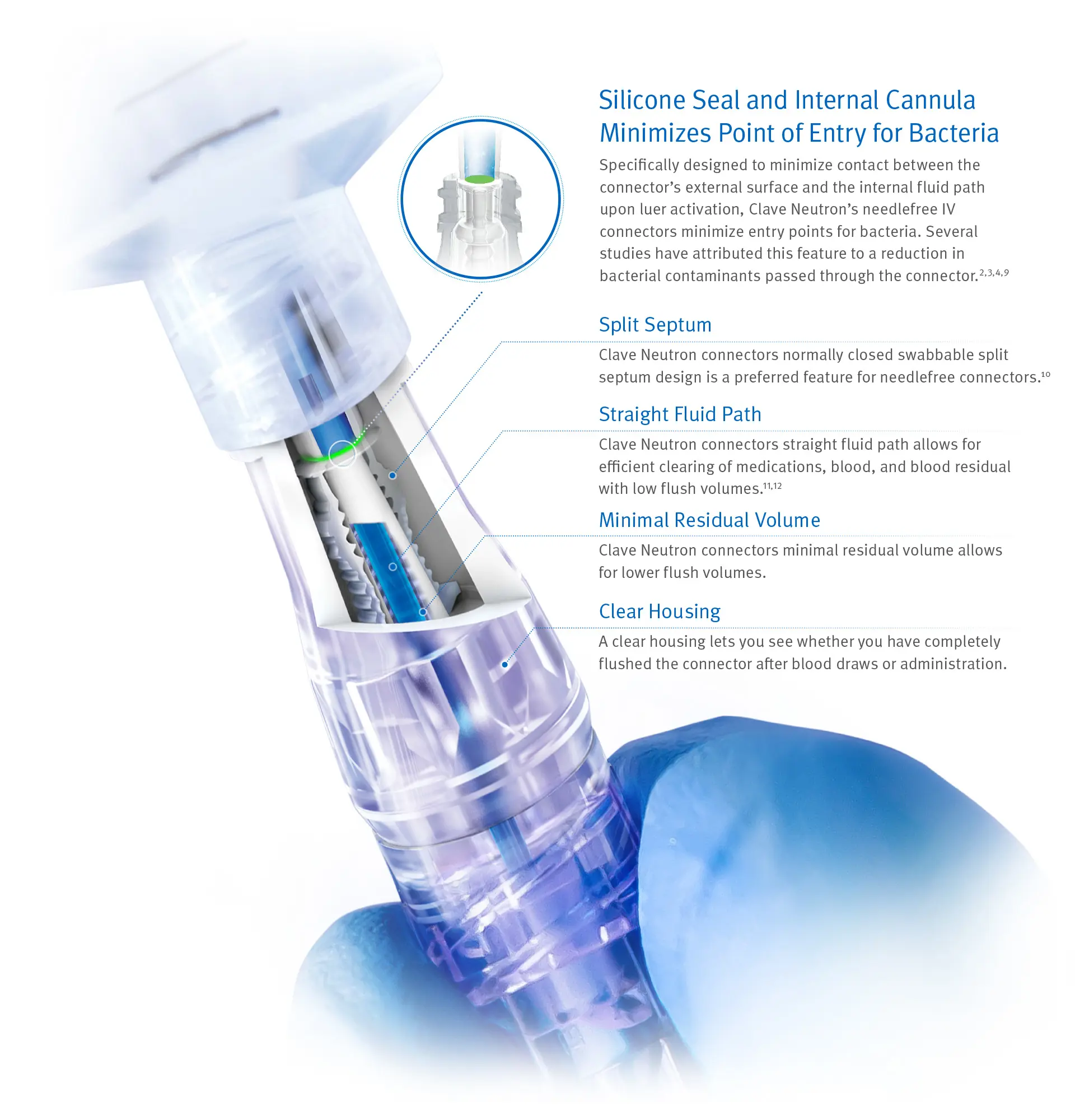
Credit: www.icumed.com
Handling And Usage Tips
Proper care of needleless connector devices ensures patient safety and device longevity. Handling these devices with care reduces infection risks and maintains their function. Clear steps during usage help avoid contamination and damage.
Proper Access Methods
Always clean hands before touching the connector. Use sterile gloves if required. Disinfect the access port with an alcohol swab for at least 15 seconds. Let it dry completely before use. Attach syringes or IV lines gently to avoid damage. Avoid force or twisting motions during access.
Avoiding Contamination Risks
- Keep connectors capped when not in use.
- Use single-use caps and replace them regularly.
- Do not touch the port surface after disinfection.
- Avoid placing connectors on unclean surfaces.
- Immediately replace connectors if contamination is suspected.
Safe Connection And Disconnection
Connect devices firmly but carefully to prevent leaks. Ensure the connection clicks or locks in place. Avoid pulling or bending the lines during disconnection. Use a smooth motion to detach connectors. Dispose of any single-use parts properly after removal.
Storage And Maintenance
Proper storage and maintenance of needleless connector devices ensure their safety and functionality. These devices must stay clean and intact to prevent infections and complications. Simple care routines help maintain their quality and extend their usability.
Storage Conditions
Store needleless connectors in a clean, dry place. Avoid exposure to direct sunlight or extreme temperatures. Keep them in sealed packaging until use to prevent contamination. Store away from dust and moisture to maintain sterility.
Inspection For Damage
Check connectors before every use for cracks or discoloration. Look for any signs of wear or dirt on the surface. Do not use devices with visible damage. Regular inspection helps avoid infections and device failure.
Replacement Guidelines
Replace connectors according to manufacturer instructions or hospital policy. Change the device if it shows any damage or contamination. Replace after a certain number of uses or time period. Timely replacement reduces the risk of infection and ensures proper function.
Training And Protocols
Proper care of needleless connector devices depends heavily on well-structured training and clear protocols. These ensure everyone involved understands how to handle and maintain the devices safely. Without this foundation, even the best equipment can fail to deliver its intended benefits.
Staff Education Importance
Training your staff is crucial for preventing infections and device malfunctions. When healthcare workers understand the correct techniques, they are more confident and efficient in their tasks.
Consider a nurse who learned the importance of flushing the device immediately after use. This simple step, often overlooked, significantly reduced complications in her unit.
Regular refreshers keep knowledge fresh and adapt to any changes in device technology or protocols. How often do you update your team’s training materials?
Standard Operating Procedures
Clear, written procedures guide consistent care of needleless connectors. These should cover every step from device access to cleaning and replacement.
Include easy-to-follow checklists or visual aids. They help staff quickly recall proper steps, especially under pressure.
Make sure your SOPs are accessible and regularly reviewed. Are your current protocols easy for new staff to understand and follow?
Monitoring Compliance
Tracking adherence to training and protocols is key to maintaining high standards. Use audits, direct observations, or electronic records to gather data.
Share feedback constructively to encourage improvement rather than blame. Celebrate when compliance rates improve to motivate your team.
Ask yourself: how can you make compliance monitoring a positive part of your workplace culture?
Troubleshooting Common Issues
Troubleshooting common issues with needleless connector devices helps maintain their safety and function. Early detection of problems prevents infection risks and treatment delays. Proper care reduces complications and extends device life.
Leaks And Blockages
Leaks often occur due to loose connections or damaged seals. Check the device for cracks or worn parts. Tighten connections gently but firmly.
Blockages happen when blood or medication clogs the device. Flush with saline solution regularly. Avoid forceful flushing to prevent damage.
- Inspect device before use
- Flush with recommended fluids
- Replace damaged parts immediately
Device Malfunctions
Malfunctions include broken valves or faulty flow control. Signs include irregular fluid flow or resistance. Clean the device carefully to avoid debris buildup.
Do not attempt to repair internal parts. Use only compatible accessories to prevent damage.
When To Seek Expert Help
Contact healthcare professionals if problems persist despite troubleshooting. Sudden leaks, persistent blockages, or device damage require expert attention.
Professional help ensures safe treatment and device replacement if needed. Never ignore warning signs or try complex repairs at home.

Credit: www.haolangmedical.com
Frequently Asked Questions
What Is The Best Way To Clean Needleless Connectors?
Use an alcohol-based antiseptic wipe to scrub the connector thoroughly. Clean for at least 15 seconds before each use to reduce infection risk.
How Often Should Needleless Connectors Be Replaced?
Replace needleless connectors every 7 days or sooner if they become damaged or contaminated. Regular replacement prevents bacterial buildup and complications.
Can Needleless Connectors Be Reused Safely?
Needleless connectors are designed for single-patient use but can be reused for that patient if properly disinfected each time.
Why Is Proper Drying Important After Cleaning Connectors?
Allow connectors to air dry completely after cleaning. This ensures effective disinfection and minimizes the chance of microbial growth.
Conclusion
Proper care of needleless connector devices keeps patients safe. Clean the connectors before each use to stop germs. Use recommended disinfectants and follow the correct steps every time. Check devices regularly for damage or dirt. Replace connectors as the guidelines suggest.
Good habits reduce infection risks and improve treatment results. Taking small actions daily makes a big difference. Careful handling protects both patients and healthcare workers. Stay consistent and mindful with your care routine. Safety and cleanliness go hand in hand with these devices.