
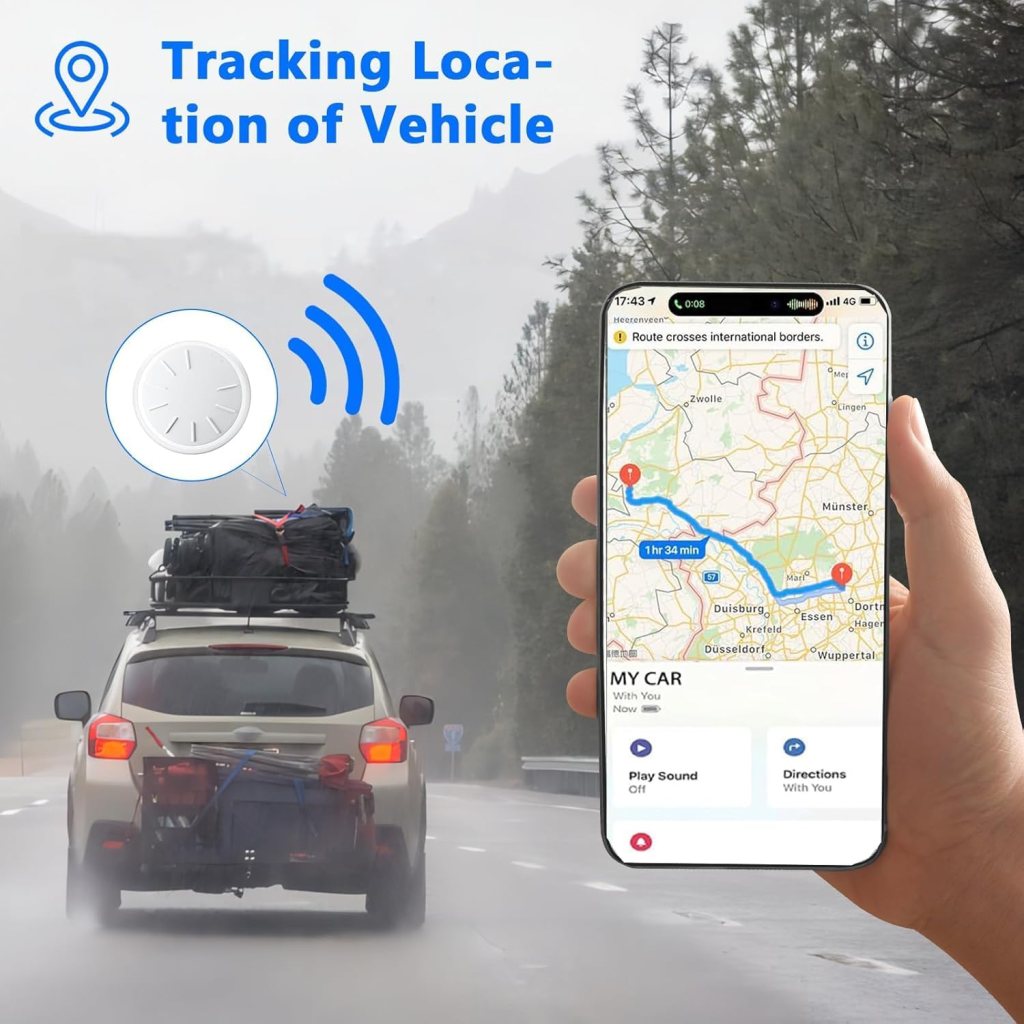
Are you worried about keeping your car safe or tracking its location easily? Finding the right GPS tracking device for your car can feel confusing with so many options out there.
But don’t worry—this guide will help you discover exactly what you need. By the end, you’ll know how to choose a device that fits your budget, meets your needs, and gives you peace of mind every time you hit the road.
Keep reading to find out how to protect your car and stay connected no matter where you are.
Benefits Of Gps Tracking Devices
GPS tracking devices for cars offer many benefits that improve safety and control. They provide useful tools for vehicle owners and fleet managers. These devices help protect vehicles, track locations, and manage operations efficiently. Understanding these benefits can help you decide if a GPS tracker is right for your car.
Enhanced Vehicle Security
GPS trackers increase your car’s security by monitoring its location constantly. They alert you if the vehicle moves unexpectedly. This feature helps prevent theft and unauthorized use. Some devices also include features like geofencing, which notifies you when the car leaves a set area. This extra layer of security gives peace of mind.
Real-time Location Tracking
Real-time tracking shows your car’s exact position on a map. You can check this anytime using your phone or computer. This helps you know where your vehicle is at all times. It is useful for parents keeping track of young drivers or for anyone managing multiple vehicles. This feature improves safety and convenience.
Improved Fleet Management
For businesses with many vehicles, GPS tracking improves fleet management. It allows managers to monitor all cars in one place. They can plan routes better and reduce fuel costs. It also helps track driver behavior and vehicle maintenance needs. This leads to better efficiency and lower operating costs.
Theft Recovery Support
If your car is stolen, GPS trackers help find it quickly. Law enforcement can use the real-time location data to recover the vehicle. This increases the chances of getting your car back safely. Many insurance companies also offer lower rates for cars with GPS trackers. The device acts as a valuable tool in theft recovery.

Credit: www.amazon.com
Types Of Gps Trackers For Cars
Choosing the right GPS tracker for your car depends on your specific needs and how you plan to use the device. Different types of GPS trackers offer various installation methods, power sources, and features. Understanding these differences helps you pick a tracker that fits your lifestyle, budget, and vehicle type.
Hardwired Trackers
Hardwired trackers connect directly to your car’s electrical system. They require professional installation but provide a constant power source, so you don’t have to worry about charging batteries. This makes them ideal for long-term tracking and fleet management.
Because they are hidden inside the vehicle, hardwired trackers are harder to detect or remove. Have you considered how discreet you want your tracking device to be?
Plug-and-play Trackers
Plug-and-play trackers are simple to install because they connect to your car’s cigarette lighter or power outlet. This type is perfect if you want a quick setup without any technical hassle. Just plug it in, and your car is ready to be tracked.
They offer flexibility since you can easily move them between vehicles. However, they depend on the car being on to stay powered, so think about how often your car is running during tracking.
Battery-powered Trackers
Battery-powered GPS trackers run independently of your car’s power supply. They are portable and easy to hide anywhere inside or outside the vehicle. This option is great if you want to track a vehicle without installing anything permanently.
But keep in mind, you’ll need to recharge or replace the batteries regularly. Ask yourself how often you’re willing to maintain the tracker’s power to ensure continuous tracking.
Obd-ii Trackers
OBD-II trackers plug directly into your car’s OBD-II port, usually located under the dashboard. Installation is straightforward and doesn’t require any tools. These trackers not only provide GPS location but can also give vehicle diagnostics like engine performance.
This type is a favorite for those who want more than just location tracking. Could real-time vehicle health updates enhance your driving experience or fleet management?
Key Features To Consider
Choosing the right GPS tracking device for your car can significantly enhance your driving experience. By focusing on key features, you ensure that your investment is worthwhile and tailored to your needs. What should you prioritize when picking a GPS tracking device? Let’s dive into the essential features that make all the difference.
Accuracy And Update Frequency
Precision is paramount in a GPS tracking device. Imagine driving through unfamiliar terrain and relying on inaccurate location updates; it’s both frustrating and potentially risky. Ensure your device offers high accuracy with real-time updates. Look for devices that refresh every few seconds, giving you up-to-date information without lag.
Battery Life And Power Source
A dependable power source is crucial for uninterrupted tracking. Choose a device with a long battery life, especially if you’re often on the road for extended periods. Some devices offer rechargeable batteries, while others might be powered directly by your car’s electrical system. Consider your usage habits to determine which power source suits you best.
Geo-fencing Capabilities
Geo-fencing allows you to set virtual boundaries, triggering alerts when your car crosses them. This feature is invaluable for monitoring young drivers or securing your vehicle in unfamiliar areas. Imagine receiving an alert if your car unexpectedly leaves a designated zone; it’s an extra layer of security you can rely on.
Mobile App And User Interface
A user-friendly mobile app enhances your experience significantly. Look for apps that are intuitive and easy to navigate. Can you quickly access all the features you need without fumbling through complex menus? A seamless interface ensures you get the most out of your GPS device.
Alerts And Notifications
Timely notifications keep you informed and in control. Whether it’s a speed alert or a movement notification, these features help you stay on top of your car’s status. Personalize alerts according to your preferences so you only receive what’s relevant to you. Are your alerts concise and actionable?
By considering these key features, you can confidently choose a GPS tracking device that aligns with your needs and enhances your driving experience. Which feature do you find most essential for your peace of mind on the road?

Credit: www.amazon.com
Installation Methods
Choosing the right installation method for your GPS tracking device can affect how well it performs and how easy it is to maintain. Some options require professional skills, while others let you handle everything yourself. Your choice also depends on whether you want the device to be obvious or hidden from view.
Professional Installation
Getting a professional to install your GPS tracker ensures it’s set up correctly and securely. Experts know the best spots in your car to place the device for optimal signal and protection.
They can also integrate the tracker with your vehicle’s electrical system, so you don’t have to worry about battery life or wiring. This saves you time and reduces the risk of damaging your car during installation.
Have you considered how much peace of mind comes from knowing your device is installed by someone with experience?
Diy Installation Tips
If you prefer to install the tracker yourself, start by reading the manual carefully. Most devices come with simple instructions designed for beginners.
Use tools like zip ties, double-sided tape, or Velcro to secure the device firmly. Avoid places where the tracker might get wet or overheated, such as near the engine.
Test the device before finalizing the setup by checking its connection and real-time tracking. Don’t rush—taking your time can save you from future headaches.
Hidden Vs Visible Placement
Where you place your GPS tracker depends on your goals. Visible trackers can act as a theft deterrent, signaling that your car is monitored.
Hidden trackers offer stealth and reduce the chance of being tampered with or removed. Common hidden spots include under the dashboard, inside the glove box, or beneath the seats.
Think about which option fits your needs better. Would you prefer to show you’re tracking your car, or keep it a secret?
Cost Factors And Subscription Plans
Understanding the cost factors and subscription plans is key to choosing the right GPS tracking device for your car. The initial price of the device and ongoing fees can vary widely. Knowing what influences these costs helps you avoid surprises and pick a plan that fits your budget and needs.
Device Price Range
GPS tracking devices for cars can range from as low as $20 to over $200. Basic models offer essential tracking features, while advanced devices include real-time updates, geofencing, and driver behavior analysis.
Think about what features you really need. Paying more doesn’t always mean better performance, but underpaying might leave you with a device that lacks reliability.
Monthly Or Annual Fees
Most GPS trackers require a subscription for data access. These fees typically range from $5 to $30 per month, depending on the service provider and features.
Some companies offer discounts for annual payments, which can save you money if you’re committed long-term. However, if you want flexibility, monthly plans allow you to cancel anytime.
Data Usage And Limits
Subscription plans often include data limits based on how frequently your device updates its location. More updates mean higher data consumption and potentially higher fees.
Ask yourself how often you need location updates. For daily monitoring, a basic plan might suffice. For real-time tracking, expect to pay more due to increased data usage.
Top Brands And Models
Choosing the right GPS tracking device for your car depends on trusted brands and reliable models. Top brands offer various features to suit different needs. Understanding popular options helps narrow down the best device for your vehicle. Comparing features and prices guides smart buying decisions.
Popular Gps Trackers
- Garmin – Known for accurate tracking and user-friendly apps
- Spytec – Offers compact devices with real-time tracking
- Vyncs – Provides plug-and-play trackers with no monthly fees
- Tile – Focuses on easy tracking with Bluetooth technology
- LandAirSea – Features waterproof and magnetic GPS trackers
Budget-friendly Options
- Tracki Mini – Affordable, small size, suitable for basic tracking
- Optimus 2.0 – Low cost with real-time updates and alerts
- AMERICALOC GL300W – Simple setup, good battery life, cost-effective
Premium Features Comparison
| Brand | Battery Life | Real-Time Tracking | Geo-Fencing | Monthly Fees |
|---|---|---|---|---|
| Garmin | Up to 14 days | Yes | Yes | Varies |
| Spytec | Up to 2 weeks | Yes | Yes | Starts low |
| Vyncs | Plug-in power | Yes | Yes | No monthly fee |
| Tracki Mini | Up to 5 days | Yes | Yes | Low |
Legal And Privacy Considerations
Using a GPS tracking device for your car can offer peace of mind and enhanced security. However, it’s important to understand the legal and privacy rules around tracking. Ignoring these can lead to serious consequences, so let’s break down what you need to know.
Consent And Notification Laws
You must get permission before installing a GPS tracker on someone else’s vehicle. Laws vary depending on where you live, but many places require clear consent from the car owner or user.
For example, tracking your own car usually doesn’t need consent, but if you share the vehicle with family or coworkers, it’s best to inform them. This avoids legal trouble and maintains trust.
- Check local laws about tracking devices and consent.
- Always notify anyone who might be tracked.
- Keep proof of consent in writing.
Have you thought about how your tracking choices affect others’ privacy? Being upfront can prevent conflicts and legal issues.
Data Security Measures
GPS devices collect sensitive data that can be valuable to hackers. Protecting this data should be a top priority to keep your information safe.
Look for devices that use strong encryption and secure servers. Also, regularly update the device’s software to fix security holes.
| Security Feature | Why It Matters |
|---|---|
| Data Encryption | Prevents unauthorized access to location data. |
| Two-Factor Authentication | Adds an extra layer of login security. |
| Regular Software Updates | Fixes vulnerabilities and improves protection. |
Have you reviewed the security features of your GPS device lately? Small steps here can save you from big privacy risks.

Credit: blog.eyespysupply.com
Troubleshooting Common Issues
Troubleshooting common issues with your GPS tracking device for cars can save you time and frustration. These devices rely on technology that sometimes encounters hiccups, but most problems have simple fixes. Understanding where issues like signal loss, battery drain, or software glitches come from helps you keep your tracker reliable.
Signal Loss And Interference
Signal loss is one of the most frequent problems with GPS trackers. This usually happens when your car is in areas with poor satellite visibility, such as tunnels, underground parking, or dense urban environments.
Interference can also come from nearby electronic devices or metal objects blocking the signal. If you notice inconsistent tracking, try moving the device to a different spot in your car, preferably near a window or a less obstructed area.
Have you checked if your device firmware is updated? Sometimes manufacturers improve signal handling through software updates that you can install via the app.
Battery Drain Problems
Battery drain is frustrating, especially if your tracker suddenly stops working. Some devices have rechargeable batteries that may lose capacity over time or become faulty.
To extend battery life, avoid leaving the device powered on continuously if it supports motion-activated tracking. Also, check if the device is connected to your car’s power supply when driving, which can prevent battery drain.
If your tracker uses replaceable batteries, always keep spares handy. Ignoring low battery warnings can lead to gaps in tracking data that you might regret later.
Software And App Glitches
App glitches can disrupt your ability to monitor your vehicle’s location. Sometimes the app fails to load maps properly or shows outdated information.
Start by closing and reopening the app. If the problem persists, uninstall and reinstall it to clear any corrupted files. Make sure your phone’s operating system is compatible with the latest app version.
Have you tried using the tracker’s web portal as an alternative? This can help determine if the issue is app-specific or device-related.
Frequently Asked Questions
What Is A Gps Tracking Device For Cars?
A GPS tracking device for cars is a small gadget that uses satellite signals to monitor vehicle location in real-time. It helps in theft prevention, route tracking, and fleet management by providing accurate and timely location data.
How Do I Choose The Best Gps Tracker For My Car?
Choose a GPS tracker based on accuracy, battery life, size, and features like real-time tracking and geo-fencing. Also, consider ease of installation and compatibility with your smartphone or computer.
Can Gps Tracking Devices Work Without Internet?
Most GPS trackers need a cellular network for data transmission but can still record location offline. Offline data syncs automatically once the device reconnects to the internet or cellular network.
Are Gps Tracking Devices Legal To Use In Cars?
Yes, GPS trackers are legal if used on vehicles you own or have permission to track. Always check local laws regarding consent and privacy before installation.
Conclusion
Choosing the right GPS tracking device for your car takes time and care. Consider your budget, features, and ease of use. Reliable tracking helps protect your vehicle and gives peace of mind. Many devices offer real-time updates and simple installation.
Think about what matters most to you. A good tracker keeps your car safe and helps find it quickly if lost. Take small steps to pick the best device for your needs. This way, you stay informed and secure on the road.