
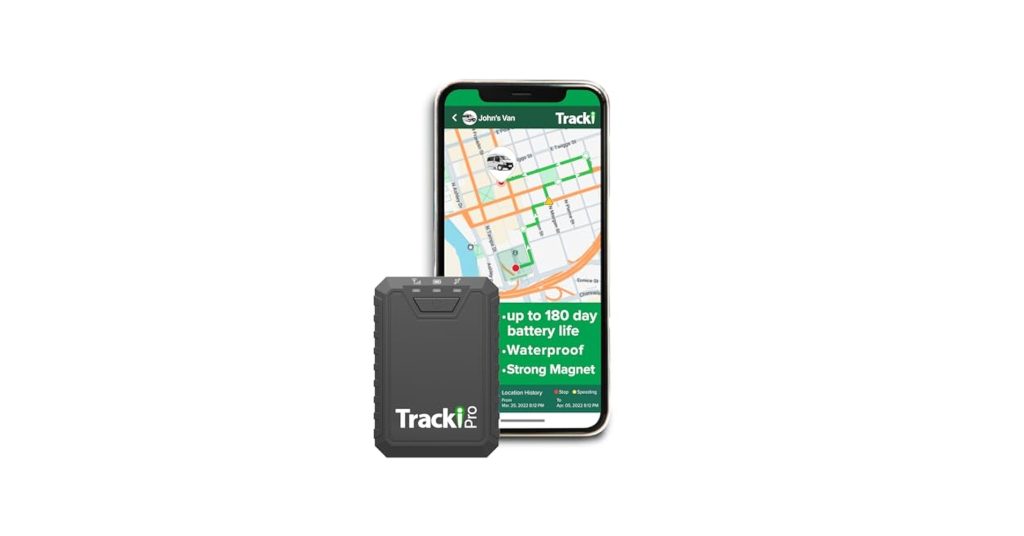
Are you worried about keeping your car safe? Finding a good tracking device for cars can give you peace of mind like never before.
Imagine knowing exactly where your vehicle is at any moment, protecting it from theft, and even keeping an eye on how it’s being driven. You’ll discover the best options that fit your needs and budget. Keep reading to find out how to choose the perfect tracker that puts control right in your hands.

Credit: www.amazon.com
Benefits Of Car Tracking Devices
Car tracking devices offer many advantages beyond basic location tracking. They help protect your vehicle and provide useful data for upkeep and insurance. Using a tracking system improves safety and saves money in various ways.
Theft Prevention And Recovery
Tracking devices act as a strong theft deterrent. Thieves avoid cars with visible trackers. If theft happens, the device helps locate the car quickly. This increases the chances of fast recovery and reduces damage. Police can track the exact location, making it easier to catch criminals.
Vehicle Monitoring And Maintenance
Tracking systems provide real-time updates on your car’s condition. They monitor speed, routes, and engine health. This information helps spot problems early. Timely maintenance can avoid costly repairs. Some devices also remind you about oil changes and service dates.
Insurance Advantages
Many insurers offer discounts for cars with trackers. They see these devices as lower risk. Tracking data can prove responsible driving habits. In case of accidents, data helps clarify what happened. This can speed up claim processing and reduce disputes.

Credit: www.alibaba.com
Key Features To Consider
Choosing a good tracking device for your car means focusing on features that truly matter. The right features will give you peace of mind and control over your vehicle’s safety. Let’s look at the key aspects that can make a big difference in your daily experience.
Real-time Location Tracking
Being able to see your car’s exact location instantly is a game-changer. Real-time tracking helps you respond quickly if your car is moved without permission. It also makes finding your parked car easier, especially in crowded areas.
Look for devices that update location frequently, ideally every few seconds. Some trackers offer GPS combined with cellular networks, ensuring accuracy even in remote places. How often do you need location updates? That depends on how you plan to use the tracker.
Battery Life And Power Options
Long battery life is essential if you want your tracker to work reliably without constant charging. Some devices offer rechargeable batteries lasting weeks, while others connect directly to your car’s power system for continuous power.
Consider how often you can realistically charge the device or if you prefer a tracker that plugs into the car’s OBD-II port. A device with low battery alerts can save you from unexpected downtime. Would you rather swap batteries or have a plug-in option?
Ease Of Installation
The best tracking device is one you can set up quickly and without professional help. Many trackers come with simple plug-and-play designs that connect to your vehicle’s OBD-II port, requiring no tools or technical knowledge.
Others may need to be hidden inside the car, demanding a bit more effort or a professional installer. Think about whether you want a hassle-free setup or if you’re comfortable handling a more complex installation for extra security.
Mobile App Integration
A good tracking device should work seamlessly with a mobile app that lets you monitor your car from anywhere. Look for apps that offer intuitive interfaces, live maps, and easy access to trip history.
Push notifications for movement or tampering can keep you informed instantly. How user-friendly is the app? If you struggle with complicated apps, you might not use all the features effectively.
Geofencing And Alerts
Geofencing lets you set virtual boundaries and receive alerts if your car crosses them. This feature is useful for monitoring teen drivers, company vehicles, or just adding an extra layer of security.
Alerts can be sent via SMS, email, or app notifications, depending on the device. Think about what types of alerts matter most to you—speed, location changes, or unauthorized movement—and choose a device that offers those options.
Top Car Trackers In 2025
The year 2025 brings new options for car tracking devices. These devices help protect vehicles from theft and monitor driving habits. Modern trackers use GPS technology for real-time location updates. They also offer features like geofencing, alerts, and long battery life.
Choosing the right tracker depends on your needs. Some focus on budget, others on advanced features or fleet management. Here are the top car trackers of 2025 that stand out in different categories.
Best Overall Tracker
The best overall tracker combines accuracy, ease of use, and reliable updates. It offers real-time tracking with fast alerts. Installation is simple, and the device is compact. It supports mobile apps with clear maps and reports.
Best Budget Option
Budget trackers provide essential features at a low cost. They offer basic GPS tracking and alerts. Battery life is decent, and setup takes minutes. Ideal for those wanting protection without high expenses.
Best For Long Battery Life
Trackers with long battery life last weeks or months on a single charge. They use energy-saving technology and smart tracking intervals. Perfect for vehicles parked for long periods or occasional use.
Best For Fleet Management
Fleet management trackers support multiple vehicles with centralized control. They provide detailed reports on routes, speed, and stops. These devices improve efficiency and reduce costs for businesses.
Best With Advanced Features
Advanced trackers include driver behavior monitoring, engine diagnostics, and theft recovery tools. They offer customizable alerts and cloud storage for data. Suitable for users wanting more than simple location tracking.
Comparing Tracking Technologies
Choosing the right tracking technology for your car can feel overwhelming. Each option has its strengths and weaknesses depending on your needs, budget, and environment. Understanding how these technologies work helps you pick the best fit for keeping your vehicle secure and easily located.
Gps Vs Cellular Tracking
GPS tracking uses satellites to pinpoint your car’s exact location anywhere on the planet. It offers precise, real-time tracking, which is ideal if you want to monitor your vehicle from a distance.
Cellular tracking, on the other hand, relies on mobile networks to transmit location data. It can be less accurate than GPS but usually costs less and works well in urban areas with strong cell coverage.
- GPSexcels in accuracy but can struggle indoors or underground.
- Cellulartracking depends on network availability, which may be limited in rural areas.
- Combining both technologies often provides the best balance of accuracy and connectivity.
Bluetooth Trackers
Bluetooth trackers are small devices that connect to your phone within a limited range, usually up to 100 meters. They’re perfect if you often park in crowded areas like shopping malls or airports and want quick alerts when you move too far away.
However, Bluetooth doesn’t offer real-time location updates beyond its range. It’s more suited for short-distance tracking or finding lost keys and wallets rather than full car tracking.
- Ideal for close-range monitoring and theft prevention in parking lots.
- Requires a smartphone app to function properly.
- Battery life tends to be long since it uses low energy signals.
Satellite-based Solutions
Satellite-based tracking systems use a network of satellites to provide coverage even in remote areas without cellular signals. They are highly reliable for tracking vehicles across large, off-road regions like farms or highways.
These solutions can be more expensive and require specialized equipment. But if your car often travels to places with poor cell reception, this technology ensures you never lose track.
- Offers global coverage regardless of cellular network availability.
- Typically used in commercial fleets and high-value vehicles.
- Costs and installation can be higher compared to other options.
Which technology matches your lifestyle and security needs? Consider where you drive most and how you want to receive alerts before making a choice.
Installation Tips And Maintenance
Installing a tracking device in your car can enhance security. It’s crucial to install and maintain the device properly. This ensures optimal performance and longevity. Let’s explore installation options and maintenance tips.
Diy Vs Professional Installation
Choosing between DIY and professional installation depends on your skills. DIY offers cost savings. You follow instructions and use basic tools. It’s suitable for simple devices. Professional installation guarantees expertise. Technicians ensure proper placement and connectivity. They handle complex devices. Consider warranty and support options.
Maintaining Device Performance
Regular checks keep your tracking device running smoothly. Inspect the device for physical damage. Ensure wires and connections are secure. Update software and firmware regularly. This improves functionality and security. Check battery life often. Recharge or replace batteries as needed. Clean the device and surrounding area. Dirt affects performance.
Troubleshooting Common Issues
Tracking devices may face connectivity issues. If signals drop, check network settings. Ensure the device is within coverage range. Battery issues are common. Replace or recharge the battery if the device shuts down. Incorrect location data can occur. Update the software to fix errors. Consult customer support for persistent problems.
Legal And Privacy Considerations
Choosing a good tracking device for cars requires more than just technology. Legal and privacy concerns play a big role. Understanding laws and respecting privacy helps avoid trouble. It ensures responsible use of tracking devices.
Laws On Vehicle Tracking
Vehicle tracking laws vary by country and state. Some places require driver consent before installation. Others allow tracking only on company-owned vehicles. Ignoring these laws can lead to fines and legal actions.
Common rules include:
- Informing the driver about tracking
- Using tracking data only for stated purposes
- Restricting access to tracking information
Check local regulations before buying or installing a tracker. This protects you from legal risks and supports ethical use.
Protecting Driver Privacy
Privacy is a key concern in vehicle tracking. Drivers should know what data is collected. They must understand how it is used and stored.
Steps to protect privacy include:
- Obtaining clear consent from drivers
- Limiting data sharing to trusted parties
- Securing data with encryption and passwords
- Deleting data that is no longer needed
Respecting privacy builds trust and ensures fair use. It helps avoid conflicts and protects everyone’s rights.

Credit: tracki.com
Frequently Asked Questions
What Features Make A Good Car Tracking Device?
A good car tracking device offers real-time GPS tracking, easy installation, long battery life, and reliable alerts. It should support geofencing and provide accurate location data. Compatibility with smartphones and security features like tamper alerts are also important for effective vehicle monitoring.
How Does A Car Tracking Device Improve Vehicle Security?
Car tracking devices help recover stolen vehicles by providing precise location data. They alert owners to unauthorized movement and offer geofencing to restrict areas. This technology deters theft and enhances overall vehicle security through constant monitoring and quick response capabilities.
Are Gps Car Trackers Easy To Install And Use?
Yes, most GPS car trackers are designed for easy installation, often plug-and-play or magnetic mounts. They come with user-friendly apps for tracking and alerts. This simplicity allows users to monitor their vehicles without professional help or technical expertise.
Can A Car Tracking Device Save Money On Insurance?
Many insurers offer discounts for vehicles with tracking devices. These devices reduce theft risk and provide proof of safe driving. Installing a tracker can lead to lower premiums, making it a cost-effective investment for vehicle owners.
Conclusion
Choosing a good tracking device for your car helps keep it safe. It gives real-time updates and peace of mind. Many options fit different needs and budgets. Easy installation and clear alerts matter most. Think about battery life and app features too.
A reliable tracker can protect your car every day. Stay informed and act quickly if needed. Simple tools can make a big difference. Your car’s safety is worth the small effort.