

Are you unsure where to place your child’s car seat for the safest ride? You might be wondering, does the car seat go behind the driver or the passenger?
This question matters more than you think because where you install the seat can make a big difference in your child’s safety. You’ll discover the best spot for your car seat and why it matters. Keep reading to make sure you’re giving your little one the safest trip every time you hit the road.
Car Seat Placement Basics
Choosing the right spot for a car seat keeps your child safe. The position depends on safety rules and laws. Knowing where to place the seat helps prevent injury in crashes.
Many parents wonder if the car seat should go behind the driver or passenger. This guide explains the basic rules for car seat placement.
Safety Recommendations
Experts say the safest place for a car seat is the back seat. It reduces risk from airbags and front crashes. The middle seat in the back is best if it fits properly.
- Always place the car seat in the back seat, never the front.
- Use the middle seat if it has a proper seat belt or LATCH system.
- Make sure the car seat fits tightly and does not move more than one inch.
- Keep your child rear-facing as long as possible for better head and neck protection.
Legal Requirements
| State | Seat Placement Rule | Age/Weight Limits |
| California | Back seat required for children under 8 | Under 40 pounds or 4’9” tall |
| Texas | Rear-facing until age 2 | Forward-facing after 2 years and 30 pounds |
| Florida | Child safety seat in back seat for children under 5 | Under 40 pounds |
| New York | Back seat placement for children under 4 years | Under 40 pounds |
Behind Driver Seat Pros And Cons
Choosing where to place a car seat is important for safety and convenience. Many wonder if the car seat should go behind the driver or passenger seat.
This section focuses on the pros and cons of placing the car seat behind the driver seat. We will look at visibility, access, and safety factors.
Visibility And Access
Placing the car seat behind the driver can affect how easily you see and reach your child. It also changes how others in the car interact with the child.
- Pros:The driver can quickly glance at the child without turning too much.
- Pros:It can be easier to reach the child from the driver’s seat for quick checks.
- Cons:Passengers may find it harder to access the child.
- Cons:The driver might get distracted if they look back too often.
Safety Considerations
Safety is the top priority when placing a car seat. The position behind the driver has specific safety benefits and challenges.
| Aspect | Behind Driver Seat |
| Crash Protection | Good side-impact protection from the car frame |
| Airbag Risk | No risk from front passenger airbag |
| Driver Distraction | Possible if driver looks back frequently |
| Ease of Securing Child | May be easier for driver to install and check the seat |
Behind Passenger Seat Pros And Cons
Choosing where to place a car seat is important. Many wonder if it should go behind the driver or passenger seat.
Placing the car seat behind the passenger seat has benefits and drawbacks. It is helpful to understand both sides.
Ease Of Use
Putting the car seat behind the passenger seat can make it easier to reach your child. You do not have to cross behind the driver.
This spot often allows the passenger to help with the child. It also gives the driver more space and fewer distractions.
- Easier to load and unload the child
- Passenger can assist with the car seat
- Driver has more room and less distraction
- May feel safer for some drivers
Safety Considerations
The passenger side is usually safer in crashes. It is farther from the street, lowering risk from passing cars.
Some cars have airbags on the passenger side. Make sure the car seat is placed correctly to avoid injury from airbags.
- Passenger side is away from traffic
- Lower risk in side-impact crashes
- Check airbag rules for car seat placement
- Proper installation is key for safety
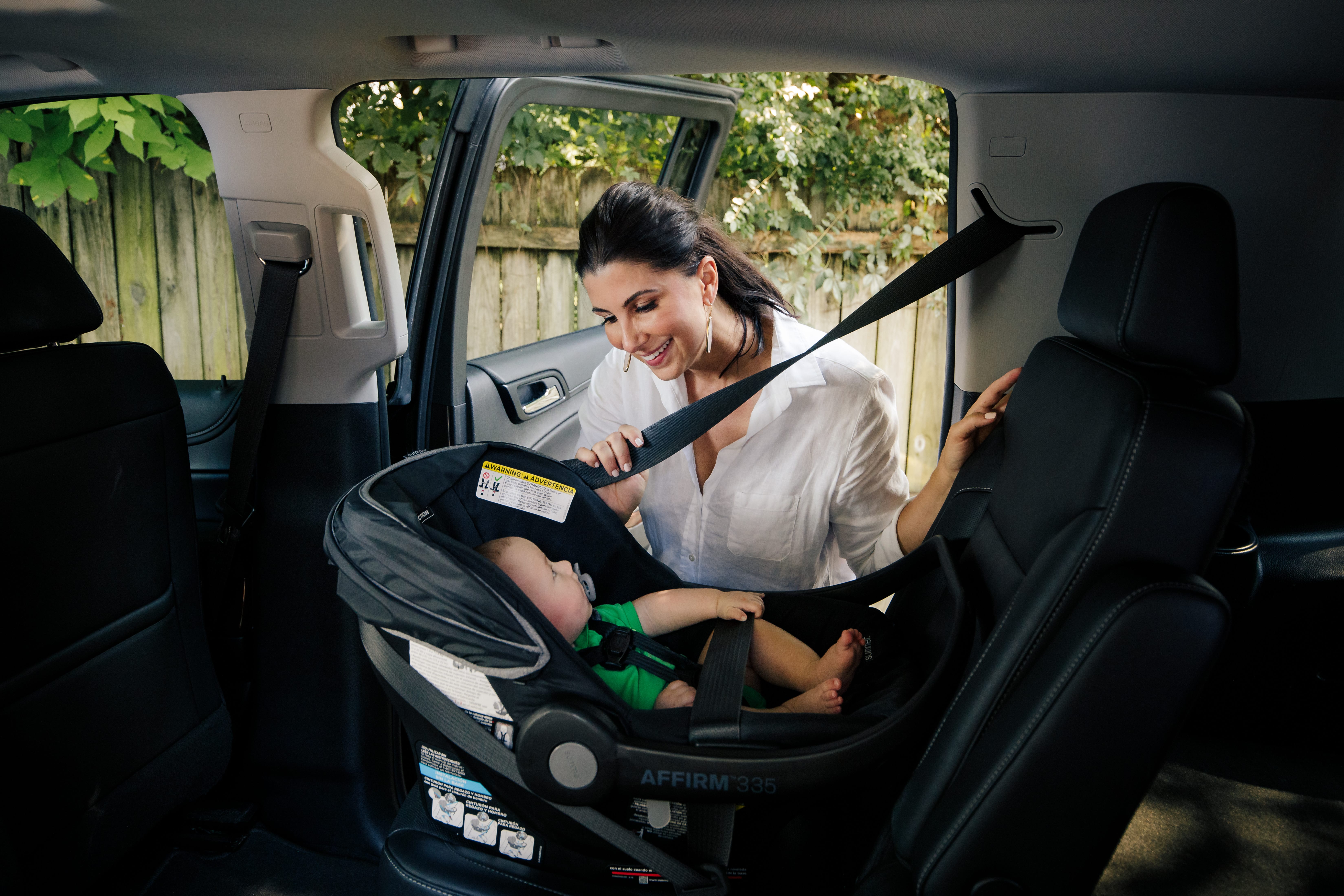
Credit: www.safeintheseat.com
Factors Influencing Seat Choice
Choosing the right seat for a car seat depends on many factors. Safety and comfort are key concerns for parents and caregivers. Understanding these factors helps make the best decision.
This guide covers important points to consider. Vehicle type, child’s age and size, and the number of passengers all affect seat placement.
Vehicle Type And Size
The kind of vehicle you drive changes where the car seat fits best. Small cars have less space, which limits placement options.
- Sedans often have tighter rear seats.
- SUVs and trucks usually offer more rear seat space.
- Some vehicles have airbags that restrict seat placement.
- Check if your vehicle has LATCH anchors and where they are located.
Child Age And Size
The child’s age and size guide the type of car seat and where it should go. Rear-facing seats are safer for infants and toddlers.
| Child Age | Recommended Seat Type | Preferred Seat Position |
| 0-2 years | Rear-facing car seat | Back seat, center position |
| 2-4 years | Forward-facing car seat | Back seat, either side |
| 4-8 years | Booster seat | Back seat, any position |
Number Of Passengers
The total passengers in the vehicle impact where the car seat can be placed. More passengers mean less seat space.
Consider these points when fitting a car seat with others in the car:
- Fit the car seat where it does not block doors or seat belts for other passengers.
- Ensure the car seat does not crowd other passengers, especially in smaller vehicles.
- Place the car seat behind the passenger seat if the driver needs easy access to rear seats.
- Use the center rear seat when possible for better crash protection.
Common Myths About Car Seat Placement
Many parents wonder where to place the car seat. Some myths confuse people. Let’s explore these myths to keep kids safe.
Understanding the best car seat position is crucial. It ensures children’s safety during rides. Here are some common myths about car seat placement.
Myth 1: Behind The Driver Is The Safest
Many believe the seat behind the driver is safest. This is not always true. Safety depends on various factors, not just seat position.
Experts often recommend the middle seat. It is farthest from impact zones in crashes. Always check your car’s manual for guidance.
Myth 2: Passenger Side Is More Convenient
Some think the passenger side is more convenient. They say it is easier to reach the child. Convenience should not outweigh safety.
While it might be easier for parents, safety is key. The middle seat is often safest. Always prioritize child safety over convenience.
Myth 3: All Cars Are The Same
People assume all cars have the same safest spot. This is incorrect. Each car model is different. They have unique safety features and designs.
Check the car manual for advice. It provides the best information for car seat placement. Always follow the guidelines for your specific car.
| Myth | Reality |
| Behind Driver is Safest | Middle seat is often safest |
| Passenger Side is Convenient | Safety should come first |
| All Cars Are the Same | Each car is different |

Credit: www.tesla.com
Expert Tips For Secure Installation
Installing a car seat correctly is crucial for child safety. Many parents wonder if the seat should go behind the driver or passenger.
Both positions have benefits, but the key is ensuring the car seat is securely installed. Follow expert tips to make the best choice.
Using Latch And Seat Belts
Most modern cars have LATCH systems. These are designed for easy car seat installation. Use them when possible for a secure fit.
If your car lacks LATCH, use the seat belt. Ensure it is tightly fastened. The car seat should not move more than an inch.
- Check car manual for LATCH locations
- Read car seat instructions carefully
- Always double-check seat belt lock
Checking For Proper Fit
A properly fitted car seat is vital. It should sit snugly against the car seat back. No gaps should exist between the car seat and vehicle seat.
After installation, push the car seat to check for movement. If it shifts, adjust and tighten. Proper fit reduces injury risks in accidents.
| Check Points | What to Do |
| Car seat movement | Push and adjust until secure |
| Harness fit | Ensure no slack |
| Angle | Verify it’s appropriate for age |
Special Cases And Exceptions
Choosing the right spot for a car seat is not always simple. Some special cases need careful thought. This guide covers key exceptions to the usual car seat rules.
Understanding these exceptions helps keep children safe in all situations. It is important to follow safety guidelines closely.
Airbag Considerations
Airbags can be dangerous for children in car seats. A front passenger airbag can cause injury if the car seat is placed in front of it. This is why many experts say to avoid the passenger front seat for car seats.
- Never place a rear-facing car seat in front of an active airbag.
- If the airbag cannot be turned off, use the back seat only.
- Front-facing car seats are safer in the back seat, away from airbags.
- Follow your car’s manual for airbag and car seat safety instructions.
Multiple Car Seats
When you have to install more than one car seat, space and safety become more complex. Proper placement is key to protect all children and keep seat belts tight.
| Seat Position | Advantages | Considerations |
|---|---|---|
| Rear Middle Seat | Safest spot, far from airbags | May not fit two car seats side by side |
| Rear Passenger Side | Easier to buckle child in | Check door airbags and window locks |
| Rear Driver Side | Close to driver for quick checks | May be harder to access from outside |

Credit: carseatsite.com
Frequently Asked Questions
Where Should A Car Seat Be Placed In The Vehicle?
A car seat should be placed in the back seat, ideally in the middle. This position offers the most protection during collisions. If the middle seat isn’t available or suitable, place it behind the passenger side for easier access and better visibility.
Is It Safer To Put A Car Seat Behind The Driver?
Placing a car seat behind the driver can be safe if done correctly. However, the middle rear seat is generally safer due to distance from impact zones. Choose the spot that allows secure installation and easy monitoring of the child.
Can Car Seats Go Behind The Passenger Side?
Yes, car seats can go behind the passenger side. This spot often provides better access and visibility for the driver. It’s a good option if the middle seat is not available or if the driver prefers to keep an eye on the child.
Why Is The Middle Rear Seat Best For Car Seats?
The middle rear seat is safest because it’s farthest from side impacts. It offers better protection in most crash scenarios. When possible, always install the car seat in the middle rear position for maximum safety.
Conclusion
Choosing the right spot for a car seat matters a lot. Safety rules say to place it behind the passenger seat. This spot often keeps children safer from airbags. Always check your car’s manual for the best advice. Secure the seat tightly and use the seat belt correctly.
Keep your child’s safety as the top priority. A properly placed car seat helps prevent injuries. Remember, safe travel starts with smart seat placement.