
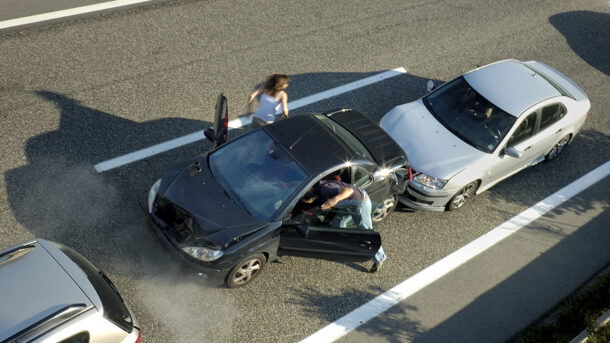
Does Car Insurance Follow the Driver? Have you ever wondered if your car insurance stays with you no matter which vehicle you drive? Or maybe you’re lending your car to a friend and want to know who’s really covered in case of an accident.
Understanding whether car insurance follows the driver can save you from unexpected costs and stress. You’ll discover the truth about how insurance works when you’re behind the wheel—so you can drive with confidence and keep your wallet protected. Keep reading to find out exactly what you need to know.
Credit: www.consumerreports.org
How Car Insurance Typically Works
Car insurance helps pay for damage or injuries from car accidents. It protects drivers and their vehicles from financial loss.
Insurance policies can be linked to the car or the driver. This affects who is covered in different situations.
Policies Linked To The Vehicle
Many car insurance policies are attached to the vehicle. This means the coverage follows the car, not the driver.
Anyone driving the insured car with permission is usually covered. The insurance protects the car no matter who drives it.
- The vehicle is the insured object
- Drivers must have permission to be covered
- Coverage applies to all permitted drivers
Driver-specific Coverage Variations
Some policies focus on the driver instead of the car. These policies cover specific drivers listed on the policy.
Coverage may change if a different person drives the car. Drivers not named on the policy might not be covered.
- Coverage is linked to named drivers
- Unlisted drivers may lack protection
- Policies may limit who can drive the car

Credit: www.nerdwallet.com
When Insurance Follows The Driver
Car insurance usually covers the vehicle, not the person driving. But some cases let insurance follow the driver instead.
Understanding when insurance follows the driver helps you know who is protected and when.
Permissive Use Clauses
Permissive use means the car owner allows someone else to drive their car. The insurance often covers that driver under the owner’s policy.
- The driver must have permission from the owner.
- The insurance covers accidents if the driver is allowed.
- Some policies limit coverage to certain drivers only.
- Coverage might be less than the owner’s usual protection.
Named Driver Policies
Named driver policies list specific drivers covered by the insurance. Only these drivers get protection under the policy.
| Policy Type | Who is Covered? | Key Point |
| Named Driver | Only listed drivers | Strict coverage |
| Open Driver | Any permitted driver | Flexible coverage |
| Permissive Use | Drivers with owner’s permission | Limited coverage |
Rental And Borrowed Cars
Rental and borrowed cars often have their own insurance. But your personal insurance may also cover you as the driver.
- Rental cars usually include basic insurance in the price.
- Your car insurance may cover rental cars if you decline extra rental coverage.
- Borrowed cars may be covered under the owner’s insurance or your own policy.
- Check terms carefully before driving rental or borrowed cars.
State Laws And Insurance Rules
Car insurance rules differ across states. Each state sets its own laws about coverage and liability.
Understanding these rules helps drivers know if insurance follows the driver or the car. This affects claims and costs.
Variations By Location
Some states use “owner-based” insurance. Here, the car’s insurance covers any driver. Other states use “driver-based” insurance, where coverage follows the driver, not the vehicle.
- Owner-based states protect anyone driving the insured car with permission.
- Driver-based states tie coverage to the individual’s own insurance policy.
- Some states require both owner and driver insurance to be active.
- Rules can change if the driver is not listed on the owner’s policy.
Impact On Claims And Liability
Claims and liability depend on the state’s rules about who is insured. This affects who pays for damages after an accident.
| State Type | Who is Covered | Claim Impact |
| Owner-Based | Anyone driving the car with permission | Owner’s insurance handles claims |
| Driver-Based | Only the insured driver | Driver’s insurance pays for damages |
| Hybrid | Both owner and driver | Claims depend on who was at fault |
Factors Affecting Coverage For Different Drivers
Car insurance coverage can change depending on who drives the car. It is important to understand what factors affect coverage for different drivers.
These factors help insurance companies decide how much risk they take. They also decide how much you pay for insurance.
Age And Driving Record
Young drivers often pay more for insurance. They have less experience and higher chances of accidents.
Drivers with a bad record may face higher rates or limited coverage. Safe drivers usually get better deals.
- Young drivers under 25 pay higher premiums
- Accidents or tickets increase insurance costs
- Clean driving records lower rates
Primary Driver Designation
The primary driver is the person who drives the car the most. Insurance companies set rates based on this driver’s profile.
If someone else drives the car often, coverage may not fully apply. Always list the correct primary driver to avoid problems.
- Primary driver affects insurance cost
- Misreporting can lead to denied claims
- Insurance covers listed drivers mainly
Household Members And Coverage
Household members who drive the car usually need to be listed on the policy. This helps insurance cover all possible drivers.
If an unlisted household member drives, coverage might be limited or denied. Each driver’s age and record also affect the policy.
- All household drivers should be on the policy
- Coverage depends on each driver’s risk
- Unlisted drivers may not be covered
Tips For Drivers Sharing Vehicles
Sharing a vehicle with others can save money and reduce the number of cars on the road. It is important to understand how car insurance works in these situations. Knowing the rules helps keep everyone protected.
This guide explains key tips for drivers who share vehicles. It covers talking to insurance companies, adding occasional drivers, and avoiding gaps in coverage.
Communicating With Insurers
Always tell your insurance company if you share your car with others. Insurers need to know who drives your vehicle. This helps prevent problems if you need to file a claim.
- Call your insurer before letting others drive
- Provide names and driving history of regular drivers
- Ask about any rules for sharing your policy
- Update your policy if your sharing situation changes
Adding Occasional Drivers
Some insurance plans allow adding drivers who use your car only sometimes. Adding these drivers to your policy can keep them covered and lower risks.
| Driver Type | Insurance Requirement | Coverage Notes |
| Regular Driver | Must be listed on policy | Full coverage applies |
| Occasional Driver | May need to be added or approved | Coverage varies by insurer |
| Unlisted Driver | Not recommended | Claims may be denied |
Avoiding Coverage Gaps
Drivers sharing vehicles must avoid gaps in their insurance coverage. Gaps can happen if information is missing or policies overlap improperly.
- Check that all drivers are properly listed
- Keep all policies updated with current information
- Confirm coverage applies when others drive your car
- Review policies annually to catch any changes
Common Misconceptions About Car Insurance
Many people are confused about how car insurance works. Some think it follows the driver, while others believe it sticks to the car.
Understanding these differences can help you choose the right coverage and avoid surprises.
Insurance Follows The Car Vs. Driver
People often wonder if insurance follows the driver or the car. Generally, insurance follows the car. This means if you lend your car to a friend, your insurance will cover them in most cases.
Coverage Limits And Exclusions
Car insurance policies have specific limits and exclusions. Knowing these can save you from unexpected costs. Coverage limits are the maximum amount your insurance will pay for a claim.
- Liability limits cover damage to others.
- Collision coverage pays for your car repairs.
- Comprehensive coverage handles non-collision damage.
Exclusions are situations where your insurance won’t pay. Common exclusions include using your car for business or racing.
| Coverage Type | Purpose |
| Liability | Protects against claims from others |
| Collision | Repairs your car after a crash |
| Comprehensive | Covers theft or weather damage |
Credit: www.fellerwendt.com
Frequently Asked Questions
Does Car Insurance Coverage Follow The Driver?
Car insurance usually follows the vehicle, not the driver. However, some policies cover occasional drivers. Check your policy details for clarity.
Can I Drive Any Car With My Insurance?
Typically, your insurance covers only your insured vehicle. Some policies offer limited coverage for driving others’ cars. Always confirm with your insurer.
What Happens If An Uninsured Driver Borrows My Car?
If an uninsured driver borrows your car, your insurance may cover damages. This depends on your policy terms and state laws.
Is Personal Injury Protection Tied To The Driver Or Car?
Personal injury protection (PIP) often follows the driver. It covers medical expenses regardless of the car driven, depending on local regulations.
Conclusion
Car insurance usually stays with the car, not the driver. This means the policy covers the vehicle, no matter who drives it. But some insurance types do follow the driver, like certain personal policies. Always check your insurance details to know what applies.
Understanding this helps avoid surprises after accidents. Knowing who is covered protects you and others on the road. Stay informed and drive safely to keep your coverage active. Simple steps can prevent costly mistakes.