
Have you ever wondered whether you should leave your car in gear when it’s parked? It’s a simple question, but the answer can save you from costly repairs or even dangerous situations.
You might think it doesn’t matter, or maybe you’ve heard different advice from friends and experts. But what’s really best for your car and your safety? Keep reading, because understanding this small detail can protect your vehicle and give you peace of mind every time you park.
Parking Basics
Parking your car safely isn’t just about pulling over and turning off the engine. It involves knowing how your vehicle’s transmission and parking brake work together to keep it secure. Understanding these basics can prevent accidents and save you from costly repairs.
Manual Vs Automatic Transmission
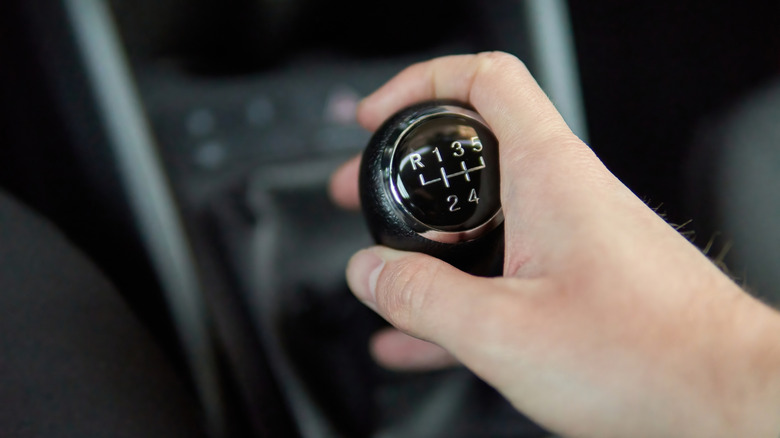
With a manual transmission, leaving your car in gear when parked adds an extra layer of safety. It physically blocks the wheels from moving, especially on a slope. But which gear you choose matters—first gear or reverse is usually best, depending on the incline direction.
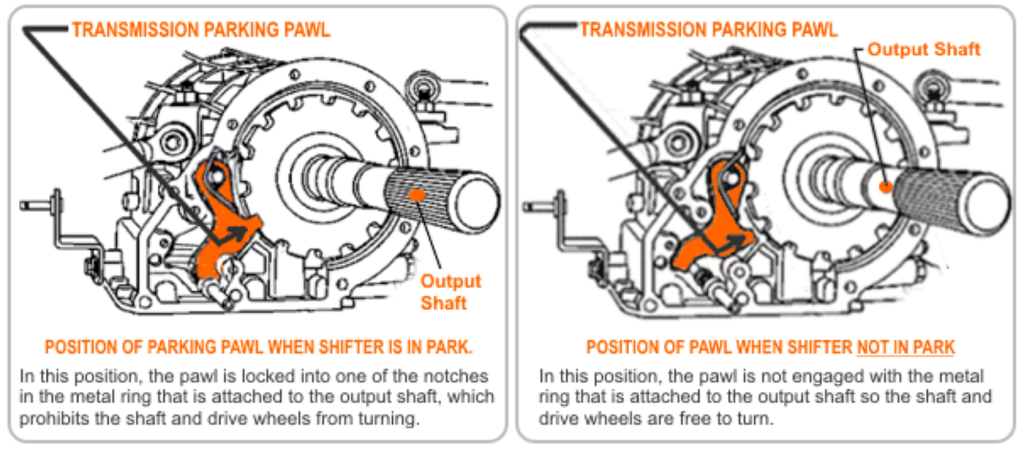
Automatic transmissions don’t have gears in the same way, so you rely on the “Park” position to lock the transmission. This setting uses a mechanism inside the transmission to hold the car still. But is that always enough to keep your car from rolling?
Role Of The Parking Brake
The parking brake is your car’s backup plan. It works independently of the transmission and physically locks the wheels.
You might think that putting the car in gear or park is enough, but the parking brake adds crucial security. It’s especially important on hills or uneven surfaces.
- It prevents strain on the transmission’s parking pawl.
- It offers extra protection if the transmission fails.
- It keeps the car from rolling if accidentally nudged.
Have you ever parked without setting the parking brake and noticed your car slowly creeping? That’s a clear sign to always engage it. Don’t just trust your transmission; use your parking brake every time.
Credit: www.slashgear.com
Leaving A Car In Gear
Leaving your car in gear when parked is a common practice among drivers of manual transmission vehicles. This habit can influence how securely your car stays put, especially on slopes or uneven ground. Understanding the pros and cons of this action helps you decide if it’s right for your driving routine.
Benefits For Manual Cars
Putting your manual car in gear while parked adds an extra layer of security. It acts like a backup brake, preventing the vehicle from rolling if the parking brake fails or isn’t fully engaged.
This is particularly useful on hills, where gravity can cause a car to slowly move despite the handbrake being set. Many drivers find peace of mind knowing their car won’t unexpectedly shift position.
Also, leaving the car in gear can reduce wear on the parking brake system over time, as it shares the job of holding the car in place.
Risks And Drawbacks
Despite the benefits, leaving a car in gear isn’t without risks. If the gear is not fully engaged or the clutch isn’t released properly, the car can still roll.
There’s also a risk of damaging the transmission if the gear is forced or if the engine is off and the car is jostled. This can lead to costly repairs that most drivers want to avoid.
Have you ever considered how your parking habits might affect your car’s long-term health? It’s worth thinking about whether relying solely on the gear is wise, or if combining it with a properly applied handbrake is a safer bet.
Safety Tips For Parking
Parking your car safely is crucial to prevent accidents and damage. Simple habits ensure your vehicle stays secure when parked. Following safety tips helps protect your car and others around it.
Using The Parking Brake Effectively
Always set the parking brake before leaving your car. This prevents the vehicle from rolling, especially on slopes. Pull the brake firmly, not too hard to avoid damage. For cars with electronic parking brakes, make sure it activates fully. Using the brake reduces stress on the transmission system.
Choosing The Right Gear
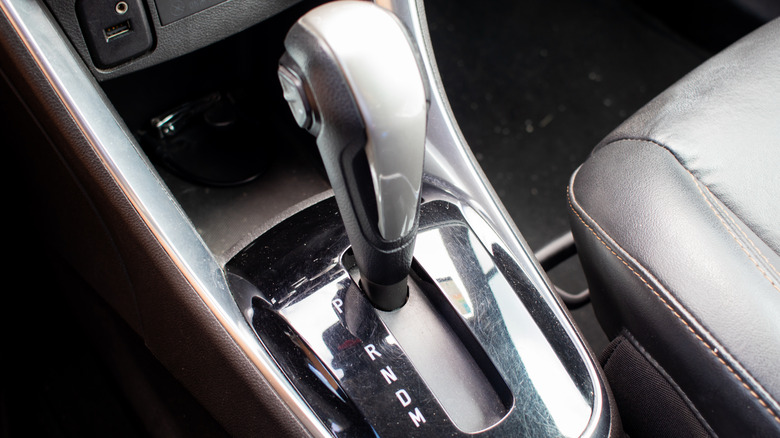
Select the correct gear based on your car type. For automatic cars, put the gear in ‘Park’ to lock the transmission. For manual cars, leave it in first gear or reverse. First gear holds the car from moving forward. Reverse gear prevents it from rolling backward. Avoid leaving the car in neutral when parked.
Parking On Slopes And Hills
Turn your wheels in the right direction to avoid rolling. On uphill slopes, turn wheels away from the curb. On downhill slopes, turn wheels toward the curb. This way, the curb stops the car if it moves. Always use the parking brake on slopes, no matter the gear. These steps add extra safety and prevent accidents.
Credit: www.slashgear.com
Common Mistakes To Avoid
Parking your car might seem straightforward, but there are common mistakes that can lead to unnecessary risks or damage. Avoiding these errors can save you from expensive repairs and ensure your vehicle stays put exactly where you left it. Let’s look at the most frequent pitfalls drivers make when deciding whether to leave their car in gear.
Relying Solely On The Gear
Many drivers believe that putting the car in gear or “park” is enough to keep it stationary. This can be risky, especially on hills or uneven ground. The gear mechanism is not designed to hold the entire weight of the vehicle indefinitely.
Think about a time you parked on a slope and heard a slight shift or movement. That’s your car telling you the gear isn’t enough. You should always use additional methods to secure your vehicle.
Ignoring The Parking Brake
Skipping the parking brake is a mistake that can lead to your car rolling away. The parking brake is a simple but powerful tool that locks your wheels in place. It acts as a backup if the gear slips or fails.
Make it a habit to engage the parking brake every time you park, no matter the terrain. If you’ve ever seen a car slowly roll down a hill, you know how important this is. Don’t rely on your transmission alone.
Parking On Uneven Surfaces
Parking on uneven or sloped surfaces without proper precautions increases the risk of your car moving unexpectedly. The force of gravity can cause strain on the gear and brake system if they’re the only things holding the car.
Always turn your wheels towards the curb or edge of the road to prevent rolling. This simple action adds an extra layer of security, especially when combined with the parking brake. Have you ever noticed how professionals park in tricky spots? They use these tricks to keep their cars safe.
Legal And Insurance Considerations
Parking a car in gear can affect legal and insurance claims after an accident. Some laws require using the parking brake instead of leaving the car in gear. Always check local rules to avoid fines or denied insurance coverage.
Legal and insurance considerations play a crucial role in parking practices. Leaving your car in gear can affect legal responsibilities and insurance claims. Understanding these implications is essential for all drivers.Local Laws On Parking
Parking laws vary by location. Some areas mandate using the parking brake. Others require the car to be in gear on slopes. Check local regulations to avoid fines. This ensures compliance and safety.Impact On Insurance Claims
Insurance companies assess parking practices in claims. Leaving a car in gear may affect liability. In some cases, it might reduce coverage if not properly parked. Proper parking can influence claim outcomes. Always follow best practices to ensure protection.Tips For Automatic Transmission Cars
Automatic transmission cars require specific care when parking. Understanding how to use the gear settings helps keep your vehicle safe and in good condition. Proper use of gear positions protects your transmission and prevents accidents.
Using Park Mode Correctly
Park mode locks the transmission and stops the wheels from moving. Always shift into park before turning off the engine. Use the parking brake as an extra safety step, especially on hills. This reduces stress on the transmission and prevents the car from rolling.
Never rely only on park mode to hold your car. The parking pawl inside the transmission can wear out if overloaded. Using the parking brake shares the load and keeps your car secure.
When To Use Neutral Gear
Neutral gear disconnects the engine from the wheels. Use neutral during long stops, like at railroad crossings or traffic lights. This prevents unnecessary strain on the transmission. Avoid leaving your car in neutral on slopes, as it can roll easily.
Neutral is useful during car washes or towing. Always engage the parking brake after shifting to neutral. This ensures the car stays still and protects the transmission parts.

Credit: www.reddit.com
Frequently Asked Questions
Should I Leave My Car In Gear When Parked?
Yes, leaving your car in gear helps prevent rolling on slopes. It acts as a backup to the parking brake. This is especially important for manual transmissions. For automatics, use the “Park” mode instead. Always engage the parking brake regardless of transmission type.
Does Leaving A Car In Gear Damage The Transmission?
No, leaving a car in gear does not damage the transmission. It simply locks the wheels and prevents movement. However, avoid excessive force when shifting into gear. Proper use of the parking brake is essential to reduce strain on the transmission.
Is It Safer To Leave A Car In Gear Or Park?
For manual cars, leaving the car in gear is safer as a backup. For automatic cars, using the “Park” position is safer and recommended. Always engage the parking brake regardless of your method. This prevents accidental rolling and ensures the car stays stationary.
Can Leaving A Car In Gear Prevent Theft?
Leaving a car in gear can deter theft by making it harder to roll away. However, it is not a substitute for proper security measures. Always lock your car and use an alarm or immobilizer for better protection.
Conclusion
Leaving a car in gear when parked adds an extra safety step. It helps stop the vehicle from rolling, especially on hills. Always use the parking brake too, for the best hold. This small habit protects your car and keeps you safe.
Remember, safety starts with simple actions like this. Keep your car secure every time you park. It’s easy and smart to do. Your car will thank you with fewer problems later. Stay safe and drive smart.