
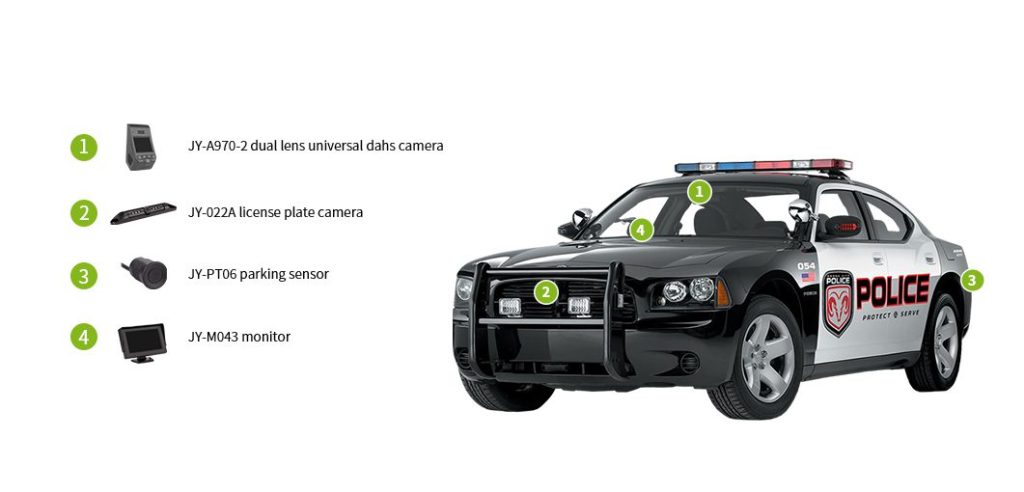
Have you ever wondered if police cars have tracking devices? It’s a question that sparks curiosity and sometimes concern.
If you want to know how law enforcement keeps tabs on their vehicles or if your own movements could be monitored, this article is for you. Keep reading, and you’ll discover the truth behind police car tracking—what it means for you, how it works, and why it matters more than you might think.
Don’t miss out on the facts that could change how you see those flashing lights on the road.
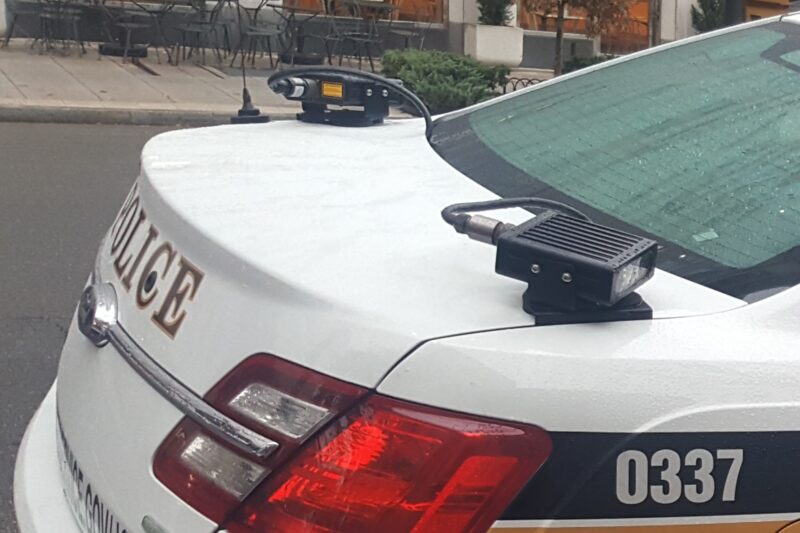
Credit: www.aclu.org
Police Car Technology
Police car technology has come a long way, transforming these vehicles into mobile command centers. Beyond just sirens and flashing lights, they carry a suite of tools designed to enhance safety, communication, and efficiency. Understanding what technology police cars carry helps you see how law enforcement stays connected and responsive.
Common Equipment In Police Vehicles
Police cars are equipped with more than just a radio and sirens. Inside, you’ll find:
- Dash cameras:These record interactions and incidents for evidence and accountability.
- Mobile data terminals (MDTs):Small computers that provide officers access to databases, dispatch information, and report writing tools.
- Emergency lighting controls:To activate different patterns of lights and sirens depending on the situation.
- Weapon storage:Secure compartments for firearms and other tools.
Each piece of equipment serves a clear purpose — to keep officers informed, safe, and prepared for emergencies.
Role Of Gps And Communication Systems
GPS technology is a staple in modern police vehicles. It allows dispatchers to track the exact location of each unit in real-time. This tracking helps in sending the nearest available car to an emergency, cutting down response times.
Communication systems go beyond simple radios. Many police cars use encrypted digital radios to ensure secure and clear communication. This keeps sensitive information safe from interception.
Ever wondered how officers coordinate during large events or emergencies? These systems enable seamless interaction between multiple units and command centers, helping officers stay connected regardless of their location.
Tracking Devices Explained
Tracking devices are key tools in modern law enforcement vehicles, including police cars. They help officers keep tabs on vehicle locations and movements with precision. Understanding how these devices work can give you insight into their role beyond just catching suspects.
Types Of Tracking Technologies
Several types of tracking technologies are used in police cars, each with unique features:
- GPS Trackers:These use satellite signals to pinpoint a vehicle’s exact location in real time. They are the most common and reliable for outdoor tracking.
- Radio Frequency (RF) Trackers:These operate by sending radio signals to a receiver within a limited range, useful in areas where GPS signals might be weak.
- Cellular Trackers:These rely on mobile phone networks to transmit location data. They work well in urban areas with strong cellular coverage.
- Inertial Navigation Systems:Used as a backup, these systems calculate position based on motion sensors when GPS signals are lost.
Which type would you expect police to rely on most during a high-speed chase? The answer is usually GPS, but each type has its strengths depending on the situation.
How Tracking Devices Operate
Tracking devices in police cars gather location data continuously or at set intervals. This data is sent to a central monitoring system accessible by dispatchers and officers.
The process involves these steps:
- Signal Reception:GPS trackers receive satellite signals to determine the car’s coordinates.
- Data Transmission:The location information is sent via cellular or radio networks to command centers.
- Data Analysis:Software processes the incoming data to display real-time maps and movement histories.
This operation helps officers coordinate responses quickly and track multiple vehicles simultaneously. Have you ever wondered how police manage to locate a stolen car so fast? This technology is a big part of the answer.
Do Police Cars Use Tracking Devices?
In the age of technology, tracking devices are everywhere, from smartphones to delivery vehicles. But have you ever wondered if police cars use tracking devices? This question often sparks curiosity and debate. Understanding how law enforcement utilizes technology can provide insight into their operations and ensure transparency.
Official Policies And Practices
Police departments across the globe have varying policies regarding tracking devices in their vehicles. These policies are often influenced by local laws and the need for accountability. Tracking devices are typically used to monitor vehicle locations for operational efficiency and officer safety.
However, not all police cars are equipped with tracking devices. The decision often hinges on budget constraints and the perceived necessity based on crime rates and geographic challenges.
Instances Of Tracking In Use
In some regions, police cars are routinely equipped with GPS systems that track their movements. This technology can be invaluable in managing resources during emergencies or coordinating responses to incidents. Additionally, it aids in ensuring officers’ safety, allowing dispatch centers to monitor locations and provide backup if needed.
Imagine a high-speed chase where real-time tracking allows other units to join the pursuit quickly. This capability can make a significant difference in apprehending suspects and maintaining public safety. But how does this impact privacy and data security? Are there safeguards to protect sensitive information? These questions are crucial in understanding the broader implications of tracking devices in law enforcement.

Credit: luview.com
Benefits Of Tracking Police Cars
Tracking devices in police cars offer more than just location data—they play a critical role in enhancing the overall efficiency and safety of law enforcement operations. These devices help departments monitor their vehicles in real time, enabling faster responses and smarter resource allocation. Understanding the specific benefits can change how you view modern policing tools and their impact on community safety.
Improving Officer Safety
Tracking police cars ensures that officers are never truly alone on the job. Dispatchers can see exactly where each vehicle is, allowing them to send backup quickly if an officer encounters trouble. This real-time awareness can be a lifesaver in dangerous situations.
Imagine a patrol car responding to a high-risk call. With tracking, command centers can monitor the car’s route and estimated arrival time, offering guidance and alerting nearby units if needed. This constant connection reduces risks and increases the chances of a safe outcome.
Enhancing Fleet Management
Tracking devices help police departments manage their fleet more efficiently by providing detailed reports on vehicle usage, maintenance needs, and fuel consumption. This data lets managers schedule upkeep before breakdowns happen, saving time and money.
You might not realize how much time is lost without this system. Knowing where every vehicle is helps optimize patrol routes and reduces unnecessary mileage. This means officers spend more time on duty and less time stuck in traffic or waiting for replacements.
Privacy And Legal Concerns
Tracking devices on police cars raise serious privacy and legal questions. These devices collect location data, which can affect public trust. People worry about how this data is used and who can access it. Privacy must balance with law enforcement needs. Understanding these concerns helps clarify the limits and rules around police tracking technology.
Public Surveillance Issues
Tracking police cars means constant monitoring of officers’ movements. This data can reveal patterns about police activity in neighborhoods. Some see this as helpful for safety. Others fear it leads to excessive surveillance of communities. The line between public safety and invasion of privacy can blur. Citizens worry their movements might be tracked without cause. Transparency about tracking use is vital to reduce fear.
Regulations Governing Tracking
Many laws control how tracking devices are used by police. These rules protect citizens’ privacy rights. They limit who can see location data and how long it is stored. Police must follow strict guidelines to avoid misuse. Courts often require warrants for tracking suspects. Regulations vary by region but aim to ensure fairness. Clear policies help prevent abuse of tracking technology.
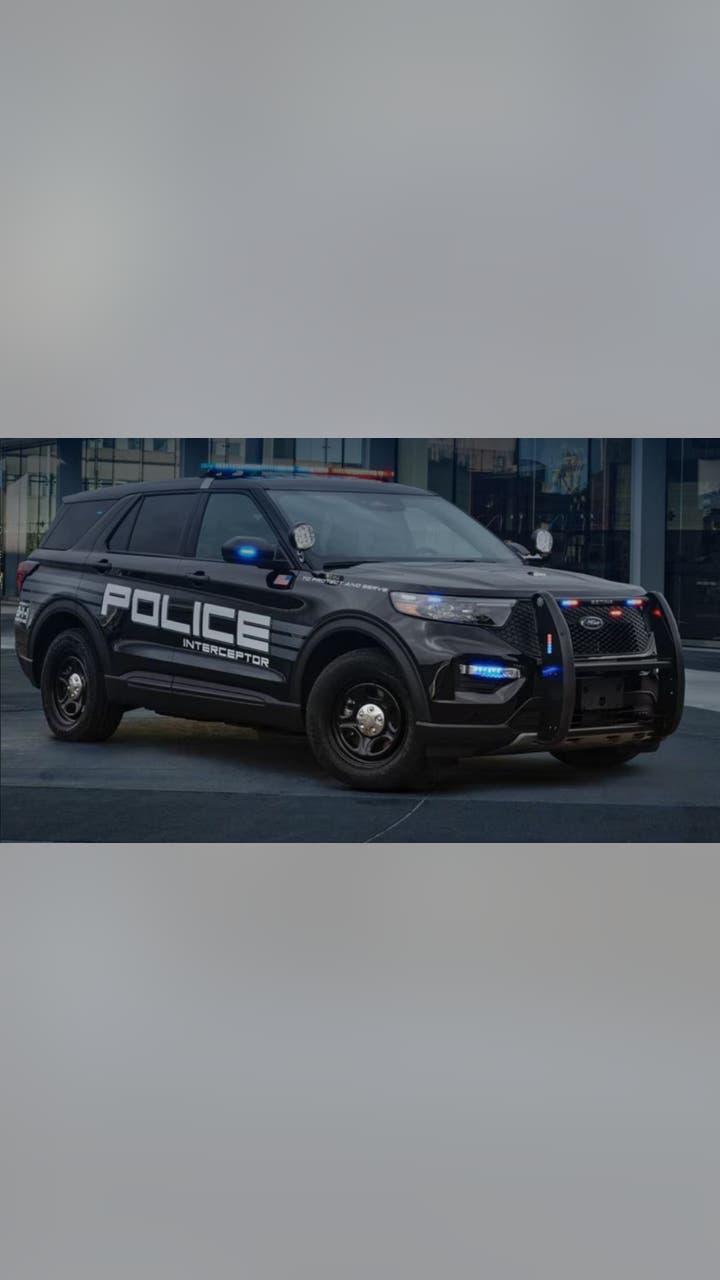
Credit: www.foxnews.com
Future Trends In Police Vehicle Tracking
Tracking technology in police vehicles is evolving rapidly, shaping how law enforcement operates on the ground. The future holds exciting possibilities that could make tracking more accurate, efficient, and integrated with other city systems. As technology advances, you might wonder how these changes will affect public safety and privacy.
Advancements In Tracking Technology
Police cars will soon use more precise GPS systems that work well even in dense urban areas where signals often drop. These systems can track vehicles in real-time with almost no delay, helping officers respond faster to emergencies.
Beyond GPS, newer technologies like AI-powered analytics will predict routes and suggest the quickest paths for patrol cars. Imagine a system that learns from traffic patterns and crime hotspots to guide officers efficiently.
Additionally, some police vehicles might use tracking devices that monitor more than just location. Sensors could track vehicle health, speed, and even driver behavior to improve safety and performance.
Integration With Smart City Systems
Police vehicle tracking will not work in isolation but will connect with broader smart city infrastructure. This means traffic lights, surveillance cameras, and emergency services will communicate seamlessly.
For example, if your local police car is approaching a busy intersection, traffic lights could automatically turn green to clear the way. This integration reduces response times and improves overall traffic flow.
Also, data collected from police vehicle tracking can help city planners identify problem areas and plan better road safety measures. How would you feel knowing that your city uses this data to make streets safer for everyone?
Frequently Asked Questions
Do Police Cars Have Built-in Tracking Devices?
Yes, most police cars are equipped with GPS tracking devices. These help dispatchers monitor vehicle locations and improve response times.
Why Do Police Vehicles Use Gps Tracking?
GPS tracking enhances officer safety, vehicle management, and efficient deployment during emergencies. It also helps in evidence collection.
Can Civilians Track Police Car Locations?
No, GPS data from police cars is restricted. Only authorized personnel can access this sensitive location information.
How Does Tracking Improve Police Operations?
Tracking allows real-time monitoring, quicker dispatch, and better coordination. It ensures effective use of resources in critical situations.
Conclusion
Police cars often have tracking devices for safety and efficiency. These devices help officers respond faster to emergencies. They also allow better monitoring of vehicle locations. Tracking supports communication between officers and dispatch centers. It helps keep both officers and the public safer.
Understanding this can ease concerns about privacy. Technology in police vehicles serves an important role. It balances safety with accountability in law enforcement. Knowing this helps people feel more informed and secure.