
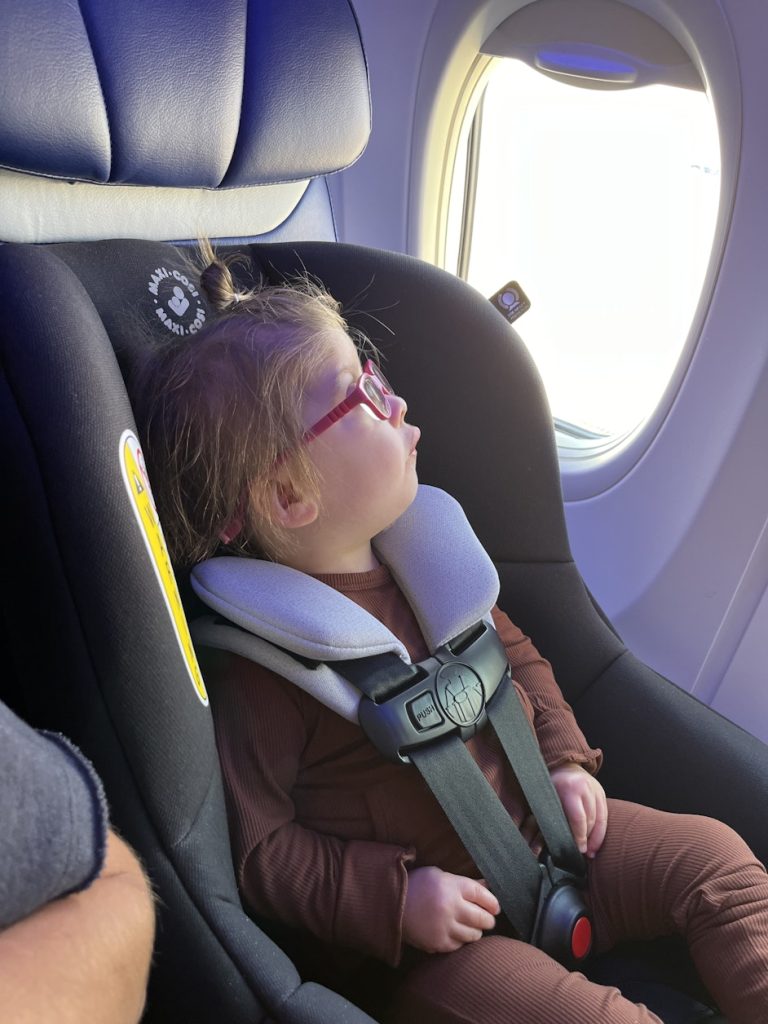
Are you planning to fly with your little one soon? One question many parents ask is, “Do kids need car seats on planes?” It’s a common concern because you want your child to be safe and comfortable during the flight.
But the rules can be confusing, and you might wonder what’s really necessary and what’s just extra baggage. You’ll discover exactly when and why a car seat might be a must-have for your child on a plane. Keep reading to make your next trip smoother and safer for your family.
Credit: melaniesuggs.com
Car Seat Regulations On Planes
Car seat regulations on planes ensure children’s safety during flights. Different rules apply depending on the airline and aviation authorities. Knowing these rules helps parents prepare and keep their kids secure. Safety standards aim to reduce injury risk in case of turbulence or accidents.
Faa Rules For Child Restraints
The Federal Aviation Administration (FAA) requires children under 2 to have a car seat or be held by an adult. Children over 2 can use a car seat, but it is not mandatory. The car seat must be approved for use on aircraft and fit in the airplane seat.
FAA rules state that the car seat must face forward and be secured with the airplane seat belt. The restraint should be a harness system, not just a lap belt. Parents should check if the car seat has a label showing it is FAA-approved.
Airline Policies Compared
| Airline | Car Seat Requirement | Additional Notes |
|---|---|---|
| American Airlines | Allowed and recommended for children under 2 | Must be FAA-approved; lap infants allowed without seats |
| Delta Air Lines | Car seats accepted for all children | Must fit in window seat; no aisle or exit rows |
| United Airlines | Permits car seats for kids of any age | FAA approval required; lap infants can ride free |
| Southwest Airlines | Car seats allowed but not required | Lap children under 2 allowed; seats recommended for safety |
Each airline has its own rules. Checking the airline’s policy before travel avoids surprises. Proper preparation ensures a safe and smooth flight experience for kids.
Credit: www.jetblue.com
Why Use Car Seats On Flights
Car seats on planes provide extra security for young travelers. They offer a familiar and safe space for children during the flight. Using car seats can reduce the risk of injury in unexpected situations. Parents often feel more confident with children secured properly. The question is not just about rules but about safety and comfort.
Safety Benefits During Turbulence
Turbulence can cause sudden jolts and shakes. Children sitting in car seats stay firmly in place. The seat’s harness holds them securely. This reduces the chance of falls or bumps. Using a car seat keeps a child safe from sharp movements. It also helps parents feel less worried during rough air.
Protection In Emergency Situations
Emergencies on flights are rare but possible. Car seats provide extra protection in these moments. They help absorb impact and keep children stable. The right car seat can prevent serious injuries. It supports the child’s head and body better than a lap hold. This added protection can make a big difference in an emergency.
Choosing The Right Car Seat For Air Travel
Choosing the right car seat for air travel is key for your child’s safety and comfort. Not all car seats are suitable for planes. Picking the correct one helps avoid hassles at the airport and during the flight. It also ensures the seat fits airplane seats and meets regulations.
Faa-approved Car Seats
FAA-approved car seats meet strict safety rules for airplane use. These seats have a label showing FAA approval. The label usually states, “This restraint is certified for use in motor vehicles and aircraft.” Using an approved seat is safer and often required by airlines.
These seats are tested to handle turbulence and sudden movements. Parents should check the car seat’s manual for FAA approval. Not all car seats are approved, so verify before traveling. Approval means the seat fits airplane seat belts and can secure your child properly.
Portable And Lightweight Options
Carrying heavy car seats can be difficult at airports. Portable and lightweight models make travel easier. These seats are designed to be compact without losing safety features. They often fold or have carry handles for convenience.
Look for seats made with light but strong materials. Easy installation saves time during boarding. Some models come with travel bags or wheels. These features help parents manage luggage and car seats together.
Choose a seat that balances weight, size, and safety. It should be easy to carry but still protect your child well. Compact car seats fit better in airplane seats and reduce hassle during travel.
Installing Car Seats On Airplanes
Installing car seats on airplanes ensures children travel safely during flights. Parents should know the correct ways to secure these seats. Proper installation avoids accidents and keeps kids comfortable. Airlines usually allow car seats if they have a label showing FAA approval. Understanding how to fit car seats on airplane seats helps parents feel confident and stress-free.
Proper Installation Techniques
Choose a window seat for the car seat to avoid blocking aisles. Follow the car seat manual and airplane seatbelt instructions. Use the airplane seatbelt to secure the car seat firmly. Tighten the straps until the seat does not move side to side or front to back. Make sure the car seat faces the right direction, usually rear-facing for infants. Double-check the seat’s angle to keep the child safe and comfortable.
Common Mistakes To Avoid
- Using a car seat without an FAA approval label.
- Not tightening the seatbelt enough, causing loose installation.
- Installing the car seat in an aisle or exit row seat where it is not allowed.
- Forgetting to remove the car seat cover if it blocks straps or attachments.
- Ignoring the car seat manual or airline rules.
- Placing the car seat forward-facing for babies who need rear-facing seats.
Alternatives To Car Seats On Planes
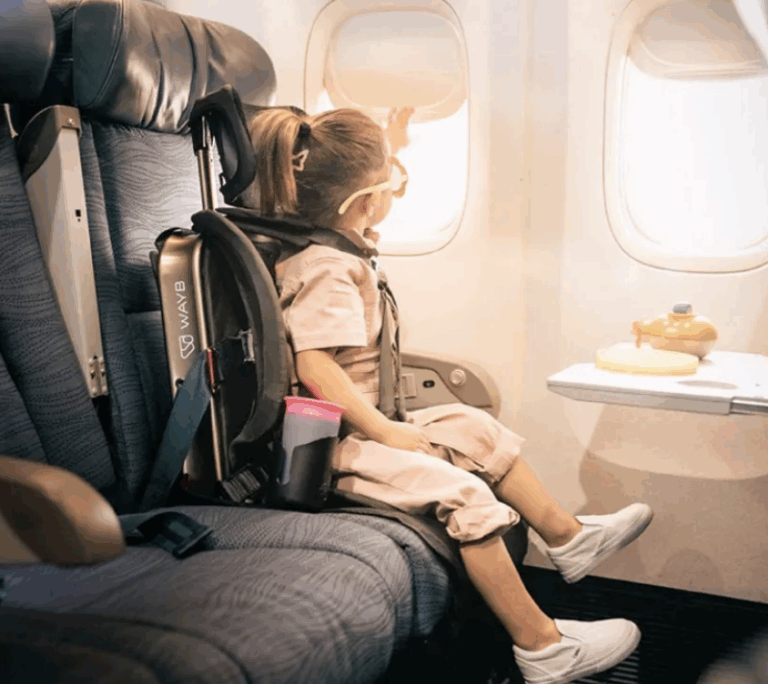
Parents often wonder if kids need car seats on planes. Alternatives like the CARES harness offer safety without the bulk, making travel easier.
Traveling with young children can be both exciting and challenging, especially when considering their safety during flights. While car seats are the go-to option for many parents on planes, they are not the only choice. There are several alternatives that can make your journey more comfortable and less cumbersome. Let’s explore some practical options.Using Cares Harnesses
The CARES Harness is a popular alternative to traditional car seats on planes. It’s designed for children weighing between 22 and 44 pounds. This harness is compact, lightweight, and easy to install, attaching directly to the airplane seat. Parents often appreciate how it frees up space and reduces the hassle of lugging around bulky car seats. Imagine boarding a plane with just a small pouch instead of a hefty seat. Plus, this harness is FAA-approved, ensuring your child’s safety during the flight.Holding Children Safely
If your child is under two years old, holding them in your lap is an option many airlines allow. While it might seem convenient, it’s essential to consider the safety implications. During turbulence, holding a child can be challenging. For added security, airlines offer special lap belts that attach to your seatbelt. These provide extra support for your little one. However, it’s crucial to remain vigilant and keep a firm grip, especially during takeoff and landing. Have you ever considered these alternatives for your next flight? Balancing convenience with safety is key. Whatever you choose, ensuring your child’s comfort and protection should always be the priority.Booking Tips For Families Traveling With Kids
Traveling with kids on planes can be challenging, especially when it comes to safety and comfort. Booking the right seats and preparing the airline about your car seat can make a significant difference in your travel experience. These tips will help you secure a smoother journey for your family.
Selecting Seats With Extra Space
Choosing seats with extra legroom is a smart move when flying with children. Bulkhead seats or exit rows often offer more space for car seats and give kids room to move around. Keep in mind that some airlines restrict car seats in exit rows, so double-check their policies.
Think about your child’s needs during the flight. A window seat might keep them entertained, while an aisle seat offers easier bathroom access. Booking early increases your chances of snagging the best spots that fit your family’s needs.
Informing Airlines About Car Seats
Always notify the airline if you plan to use a car seat on board. This heads-up helps ensure the seat you bring is approved and fits the airplane seat properly. Airlines may also provide guidance on installation and any size restrictions you should know about.
Sharing this information ahead of time can prevent last-minute surprises at the gate. Have you ever been told your car seat wasn’t allowed just before boarding? Avoid that hassle by communicating clearly and early.
Travel Tips For Comfort And Safety
Traveling with kids on a plane can be challenging, but focusing on their comfort and safety makes the journey smoother for everyone. Thoughtful preparation can ease stress and help your child feel secure throughout the flight. Let’s look at practical tips that keep your little ones calm, engaged, and well cared for.
Keeping Kids Calm And Engaged
Keeping kids occupied during a flight is key to avoiding fussiness. Bring a variety of small toys, books, or tablets loaded with their favorite shows or games. Switching activities every 20-30 minutes helps maintain their interest.
Consider simple games like “I Spy” or storytelling to involve them actively. Have you ever noticed how your child’s mood improves when they feel part of the journey? Your interaction can turn a potentially stressful time into a fun experience.
Managing Snacks And Hydration
Snacks are essential but choose wisely to avoid mess and sugar crashes. Pack healthy, easy-to-eat options like sliced fruits, crackers, or cheese sticks. Avoid sticky or overly crumbly foods that can irritate your child or annoy fellow passengers.
Hydration is equally important, especially in the dry airplane cabin. Encourage your child to sip water regularly and limit sugary drinks to prevent dehydration and energy spikes. Have you found any go-to snacks or drinks that keep your child happy and hydrated on flights?

Credit: thestrollermomblog.com
Frequently Asked Questions
Do Kids Need Car Seats On Planes By Law?
No, car seats are not legally required on planes. However, using an FAA-approved car seat enhances child safety during flights. Airlines recommend car seats for children under 40 pounds. It provides extra protection during turbulence or unexpected movements.
Can I Use My Car Seat On An Airplane?
Yes, most FAA-approved car seats can be used on airplanes. Check if your car seat has an FAA label before traveling. The seat must fit in the airplane seat and be secured by the seatbelt. Always confirm airline policies before your flight.
Are Car Seats Allowed On All Airlines?
Most airlines allow car seats, but policies vary. Always check your airline’s specific rules before traveling. Some airlines require a separate ticket for the child using a car seat. It’s best to call ahead to avoid surprises at the airport.
What Age Or Weight Requires A Car Seat On Planes?
Children under 2 years often fly on a parent’s lap without a car seat. For safety, FAA recommends car seats for children under 40 pounds. Kids over 40 pounds usually use an airplane seatbelt. Always prioritize safety and airline guidelines.
Conclusion
Kids’ safety on planes matters a lot. Car seats offer extra protection during flights. Airlines have different rules about car seats. Always check with your airline before you travel. Using a car seat can make the trip safer. It also helps your child feel secure.
Keep in mind, not all seats fit every plane. Plan ahead to avoid last-minute problems. Safety should always come first when flying with kids. A little preparation makes flying easier and safer for everyone.